 Oil-
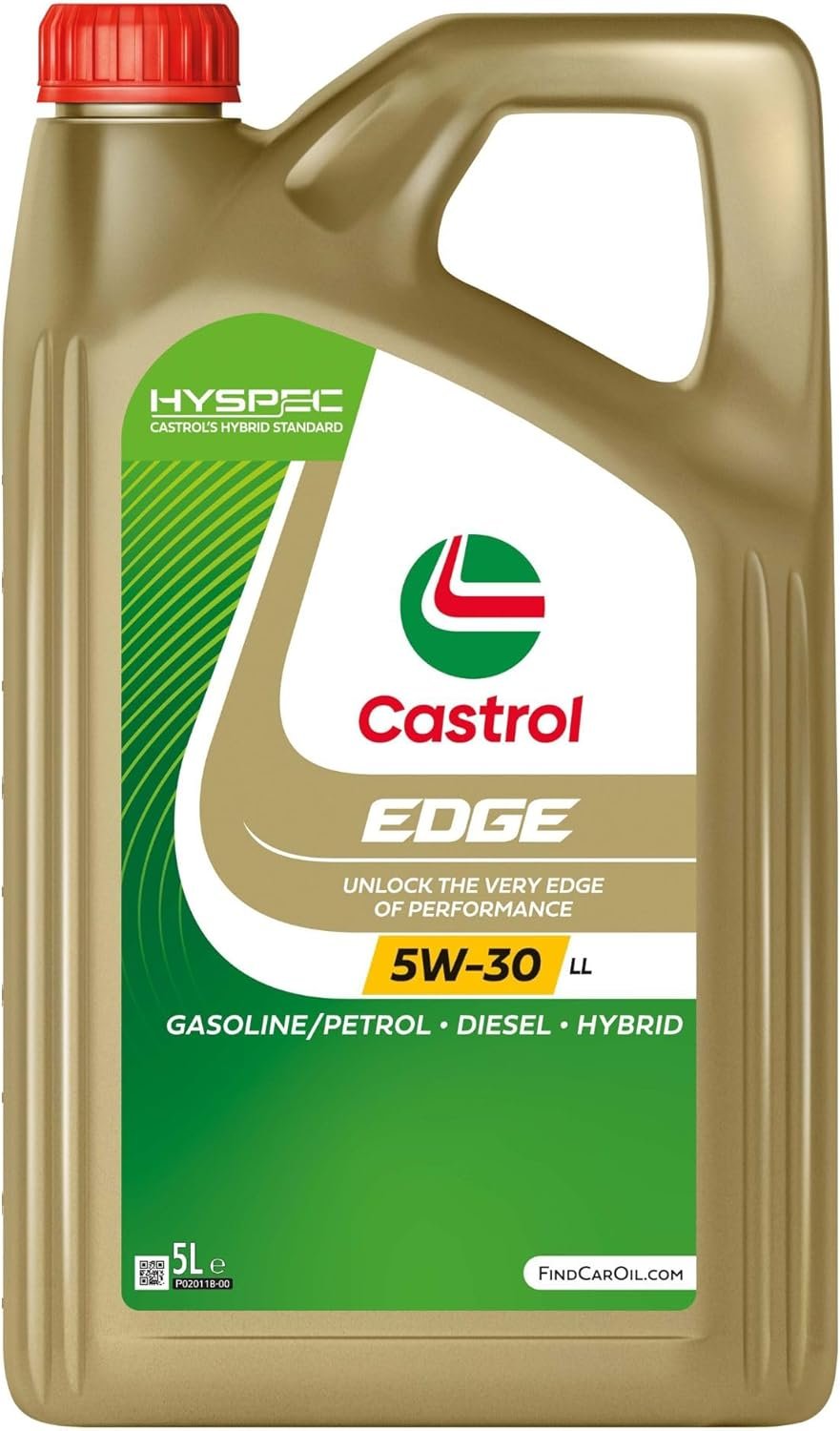
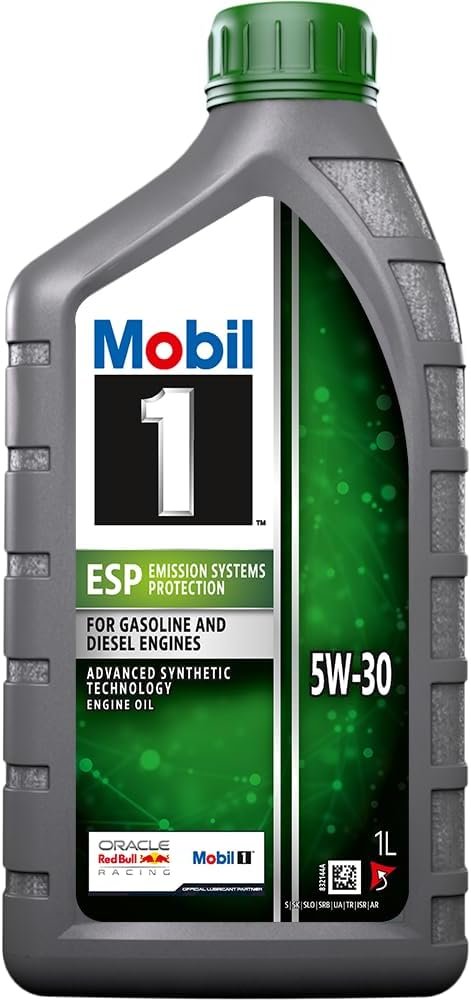
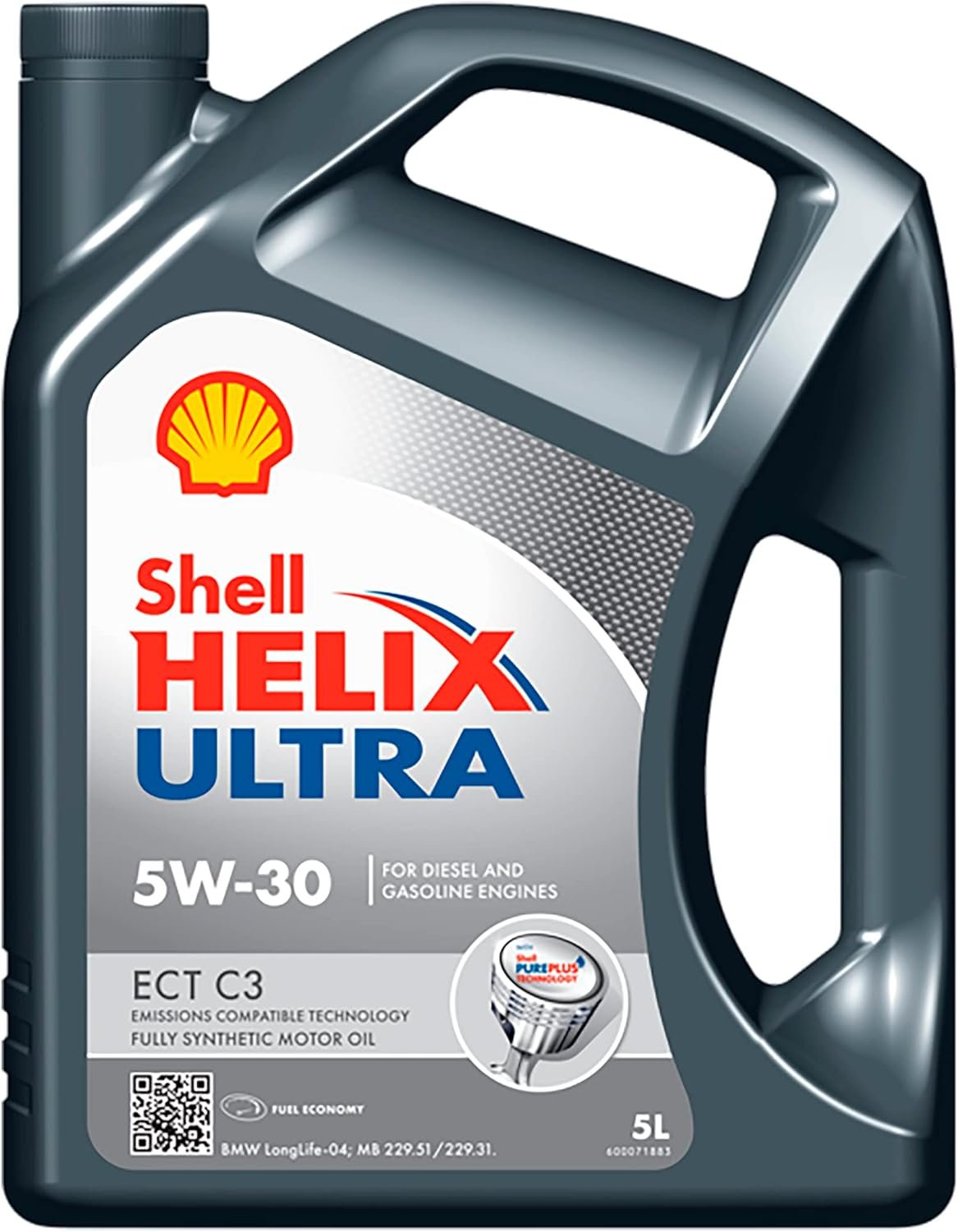
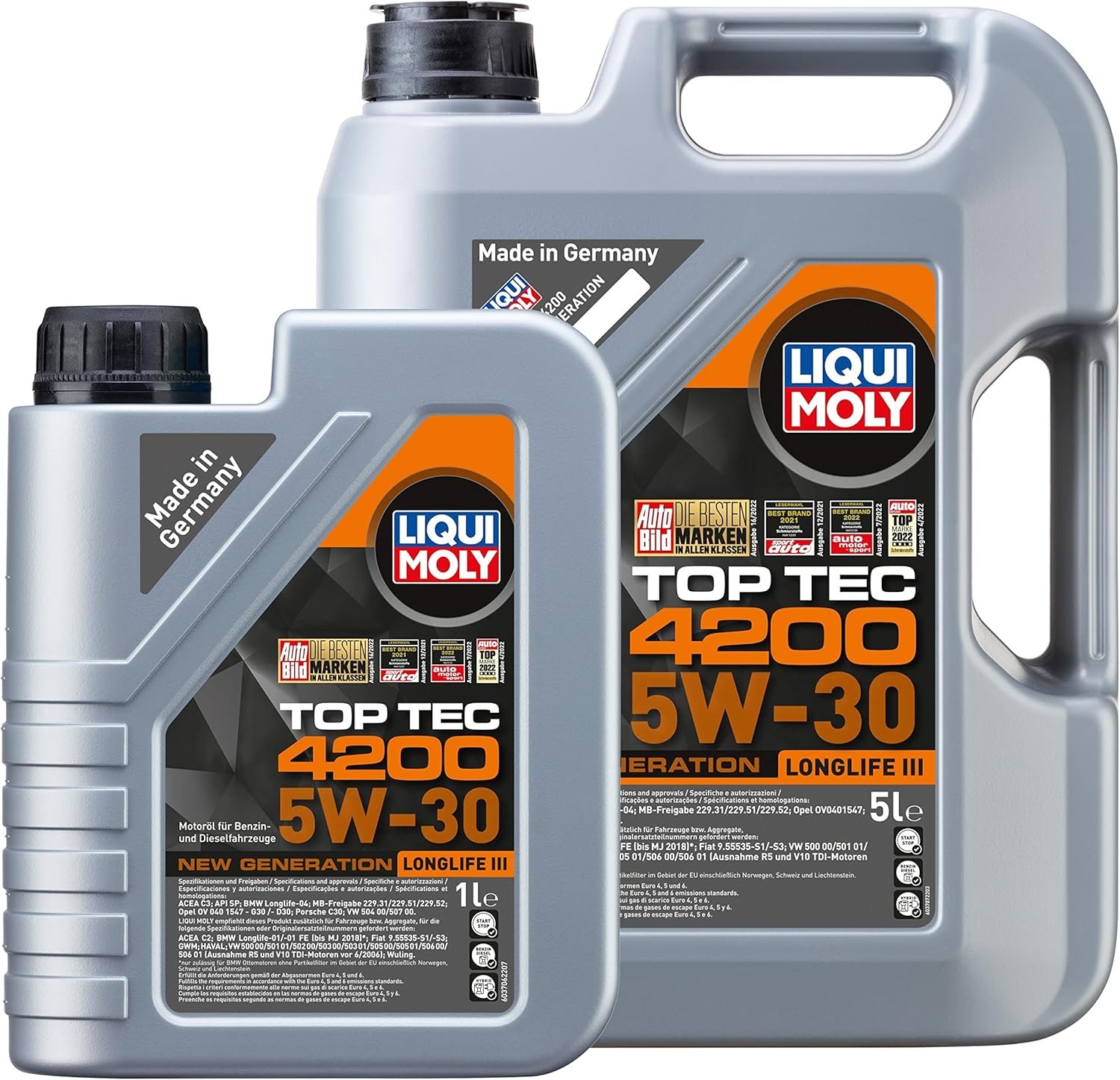
As an Amazon Associate, we may earn from qualifying purchases. This doesn't affect our recommendations — we only suggest oils that hold the exact OEM approval for your engine.
Best Engine Oil for VW Sharan 7N 2.0 TDI (140/184 hp)
The Volkswagen Sharan 7N is the second-generation Sharan, produced from 2010 and remaining in production for one of the longest runs of any Volkswagen Group product in recent years. Built on the PQ46 platform shared with the SEAT Alhambra, the 7N Sharan is a genuine seven-seat people carrier with a focus on practicality and long-distance comfort. The 2.0 TDI diesel is the powertrain of choice for most Sharan buyers — available in 140 hp (CFFB) and 184 hp (DFMA/DFFA) outputs, both sharing common architecture and identical oil requirements.
In a large MPV covering high annual mileages for family transport and long motorway runs, oil specification and change intervals have a measurable impact on powertrain longevity. The Sharan 2.0 TDI is built to last, but it requires the correct low-SAPS diesel specification and attention to the DPF’s operating conditions.
Quick Answer: Recommended Oil
- Specification: VW 507 00, ACEA C3
- Primary viscosity: 5W-30
- Alternative viscosity: 0W-30 (equally valid)
- Capacity with filter change: 4.3 litres
- Capacity without filter change: 3.8 litres
VW 507 00 is mandatory for all DPF-equipped 2.0 TDI variants in the 7N Sharan. Both the 140 hp CFFB (EA189 common rail) and the 184 hp DFMA (EA288 later production) are DPF-equipped in all UK-specification cars, making Low SAPS chemistry non-negotiable for DPF longevity.
The CFFB and DFMA Engines
CFFB (140 hp): The CFFB is a 1,968cc four-cylinder common rail TDI diesel from the EA189 family, the same generation used in the Passat B7 and Tiguan. It produces 140 hp at 3,500–4,000 rpm and 340 Nm from 1,750–2,500 rpm. Euro 5 compliance is achieved with an EGR system, diesel oxidation catalyst, and diesel particulate filter. The CFFB is part of the EA189 family affected by the 2015 VW emissions software issue, and most UK examples have received the software remediation.
DFMA (184 hp): Later 7N Sharan production switched to the EA288 platform, with the DFMA or similar codes covering the 184 hp output. The EA288 generation uses revised injection mapping, a higher-flow turbocharger, and an updated emission control system with SCR (AdBlue) on Euro 6 variants. The EA288 184 hp produces 380 Nm from 1,750 rpm — a significant torque increase over the CFFB — making the seven-seat Sharan genuinely capable of pulling a loaded trailer without strain.
Both engines are mounted transversely in the Sharan’s front-wheel-drive layout, distinguishing the Sharan from longitudinally-engined VAG vehicles like the A4.
Technical Specifications
| Parameter | CFFB (140 hp) | DFMA (184 hp) |
|---|---|---|
| Displacement | 1,968 cc | 1,968 cc |
| Configuration | Inline-4, transverse | Inline-4, transverse |
| Power | 140 hp @ 3,500–4,000 rpm | 184 hp @ 3,500–4,000 rpm |
| Torque | 340 Nm @ 1,750–2,500 rpm | 380 Nm @ 1,750–3,000 rpm |
| Engine family | EA189 | EA288 |
| Emissions | Euro 5 | Euro 5 / Euro 6 |
| Oil specification | VW 507 00 | VW 507 00 |
| Viscosity | 5W-30 | 5W-30 |
| ACEA | C3 | C3 |
| Oil capacity (with filter) | 4.3 litres | 4.3 litres |
Oil Change Intervals
The Sharan 7N operates on VAG’s Longlife Service system, with the service indicator potentially extending to 30,000 km (approximately 18,600 miles) or 24 months with genuine Longlife VW 507 00 oil.
For a large family MPV accumulating high annual mileages primarily on motorways, the Longlife interval is more defensible than on a city-use car. Motorway driving maintains oil temperature in its most stable range, limits condensation cycles, and minimises stop-start thermal stress. Many Sharan owners following the Longlife interval on predominantly motorway mileage report no issues.
However, for Sharan use that includes significant family-load carrying, towing, or mixed urban/motorway driving:
- 15,000 miles or 12 months is the common independent specialist recommendation
- 10,000–12,000 miles for cars doing regular towing or carrying maximum passenger loads
Why Correct Oil Matters on the Sharan 2.0 TDI
Seven-seat loading and oil pressure: The Sharan is frequently driven at or near its passenger capacity with luggage. Full-load operation sustained over long motorway distances places the engine under higher thermal and mechanical stress than light-load suburban use. The 5W-30 grade maintains adequate film thickness at elevated oil temperatures under sustained load — one of the primary considerations for family cars used heavily.
DPF management in family use: The Sharan’s DPF is particularly relevant given its typical use pattern. Short school-run trips and stop-start suburban driving accumulate soot faster than regeneration cycles clear it. Long motorway journeys (holiday routes, weekend trips) are the primary DPF regeneration opportunity. Correct Low SAPS VW 507 00 oil manages ash accumulation; driving behaviour manages soot. Owners who use the Sharan for predominantly short trips should make occasional dedicated motorway runs to force DPF regeneration.
Towing durability: Many Sharan owners tow caravans or trailers. Towing raises engine load significantly and increases oil temperature. Under sustained towing, oil degradation rates accelerate. If you regularly tow, reduce your oil change interval to 10,000 miles regardless of the service indicator.
Common Sharan 7N Problems Related to Oil
EA189 emissions recall (CFFB): Like the A4 B8 CAGA and Golf Mk7 TDI, the Sharan CFFB is covered by the 2015 VW emissions software remediation. Verify this has been completed on any used purchase. The updated software does not change the oil specification.
DSG gearbox oil (separate from engine oil): The 7N Sharan is commonly fitted with VW’s DSG dual-clutch automatic gearbox, which has its own separate oil requiring periodic change (typically every 40,000 miles or on G 052 182 A2 specification fluid). Do not confuse engine oil with DSG oil — they are separate circuits.
EGR valve fouling: The 7N’s 2.0 TDI EGR system accumulates carbon deposits, particularly in urban-use examples. Symptoms: rough idle when cold, hesitation at 1,500–2,000 rpm, reduced power under light throttle. Annual oil changes at 10,000–15,000 miles limit blow-by contamination that worsens EGR deposits.
DPF soot accumulation (short-trip use): Families using the Sharan for school runs and local shopping without motorway use will see DPF warnings sooner than motorway users. The remedy is a sustained 20–30 minute motorway run at 60+ mph, which triggers active regeneration. Correct VW 507 00 oil slows ash accumulation (the non-regenerable component) but cannot substitute for appropriate driving to manage soot.
Conclusion
The VW Sharan 7N 2.0 TDI in both CFFB (140 hp) and DFMA (184 hp) forms requires VW 507 00 approved 5W-30 (ACEA C3). Fill to 4.3 litres with a filter change. For primarily motorway use, the Longlife 15,000-mile interval is reasonable; for mixed or high-load use, 10,000–12,000 miles or annual changes.
The Sharan’s long production run and continued popularity reflect a genuinely durable platform when correctly maintained. The CFFB and DFMA engines regularly exceed 200,000 miles in well-serviced examples — correct oil specification is the most important input for achieving this.
Sources: Volkswagen AG EA189 and EA288 engine documentation, VW 507 00 specification, Sharan 7N owner’s manual (UK edition), UltimateSpecs VW Sharan 7N database, DVSA VW EA189 emissions recall records.
Our Top Picks
As an Amazon Associate, we may earn from qualifying purchases. This doesn't affect our recommendations — we only suggest oils that hold the exact OEM approval for your engine.