 Oil-
Oil-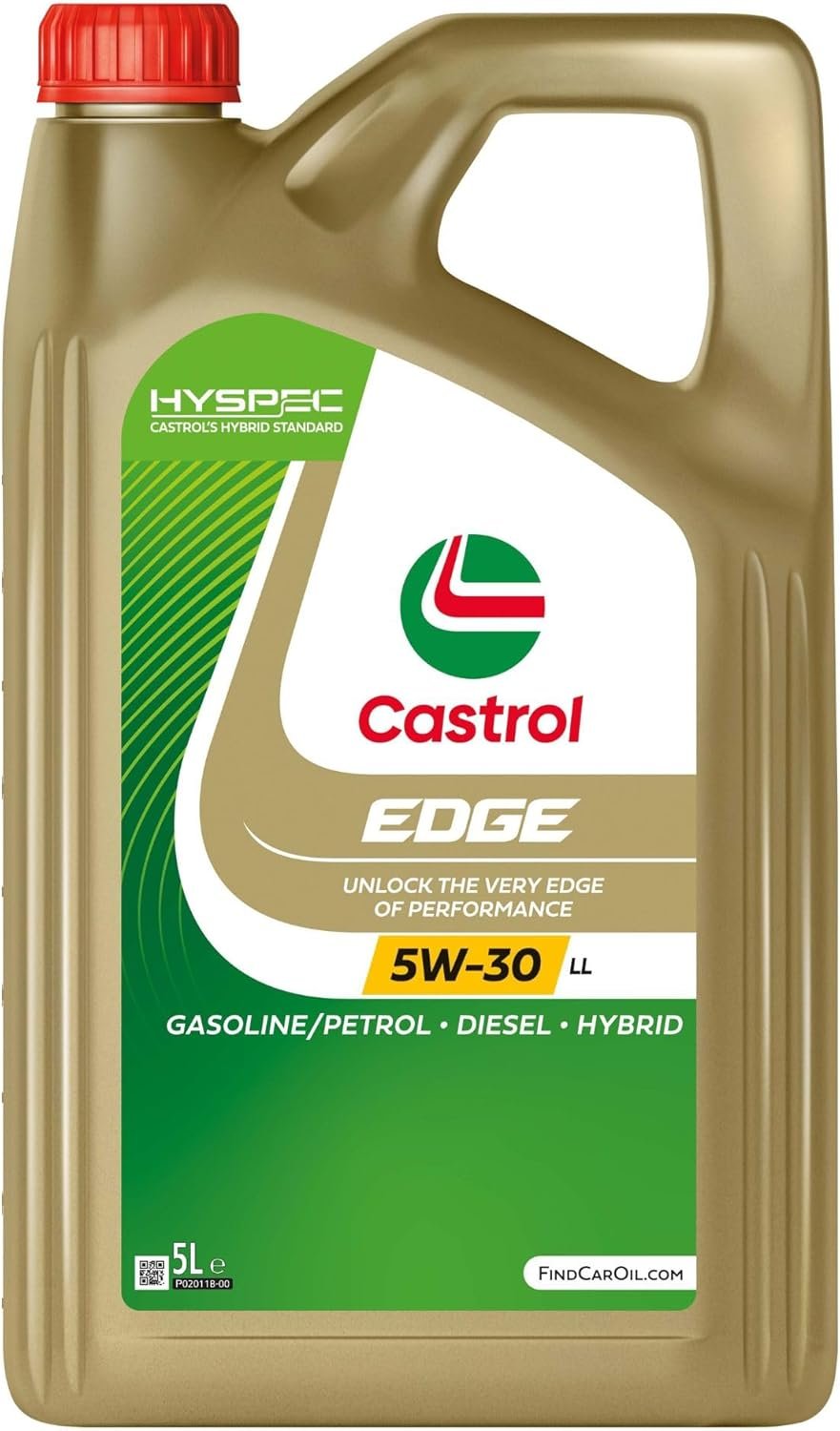
As an Amazon Associate, we may earn from qualifying purchases. This doesn't affect our recommendations — we only suggest oils that hold the exact OEM approval for your engine.
Best Engine Oil for Volkswagen Atlas 1st Gen 2.0L TSI (235 hp)
The Volkswagen Atlas 1st generation (2018 onwards, US market) is VW’s answer to the three-row midsize SUV segment dominated by the Toyota Highlander and Ford Explorer — a large, family-oriented SUV built on the MQB platform and powered by either a 2.0L TSI four-cylinder or a 3.6L VR6. The 2.0L TSI variant, engine code CZPA, uses a member of VW Group’s EA888 engine family — the same fundamental architecture found in the Golf GTI, Tiguan, and dozens of other VW Group applications globally. The CZPA in the Atlas produces 235 hp and 258 lb-ft from its turbocharged direct-injection layout, and it carries a VW 502 00 / VW 504 00 specification with 5W-30. Understanding what these norms require — and what the EA888’s direct injection means for long-term maintenance — is the foundation of correct Atlas ownership.
Quick Answer: Recommended Oil
- Specification: VW 502 00 / VW 504 00, 5W-30 full synthetic
- Alternative: 0W-30 full synthetic VW 502 00 (if 5W-30 unavailable)
- Oil capacity with filter: 5.4 litres (5.7 US quarts)
- Oil capacity without filter: approx. 4.7 litres (5.0 US quarts)
The EA888 2.0 TSI (CZPA) Engine
The CZPA is a 1,984 cc DOHC 16-valve turbocharged petrol engine — the EA888 Gen 3B, the most refined version of the EA888 family. Bore × stroke 82.5 mm × 92.8 mm — the same undersquare geometry shared with the 2.5L inline-five, prioritising low-RPM torque. The turbocharger enables 258 lb-ft available across a broad range (1,600–4,300 RPM), providing the off-the-line acceleration and sustained highway passing power that a three-row family SUV requires.
Direct injection (GDI): The CZPA uses gasoline direct injection — fuel injected under high pressure directly into the combustion chambers. The advantages are improved combustion efficiency and lower fuel consumption versus a port-injection equivalent. The maintenance implication: intake valves are not washed by fuel charge. Combustion blow-by products migrate onto intake valve backs and stems over time, accumulating as hard carbon deposits that restrict airflow, cause rough idle, and reduce throttle response. This is inherent to all GDI-only engines and is the primary long-term maintenance consideration for the Atlas 2.0 TSI.
ACT (Active Cylinder Technology): The EA888 Gen 3B in some applications uses cylinder deactivation — shutting down cylinders 2 and 3 at light cruise load. Whether the CZPA in the Atlas activates ACT in all market and trim configurations varies; consult the specific vehicle specification. In ACT-equipped vehicles, the cylinder deactivation adds an additional oil-related consideration similar to Honda’s VCM: deactivated cylinder oil behaviour during extended deactivation.
Dual variable valve timing: Both intake and exhaust camshafts use hydraulic variable valve timing — providing cam advance and retard capability across the operating range. Both phaser circuits feed from the main oil gallery through solenoid-controlled passages, requiring adequate oil pressure at cold start for accurate cam management from the first seconds of operation.
Timing chain: The EA888 uses a timing chain, not a belt — no scheduled replacement. The chain is maintenance-free under correct oil care. A significant feature of the EA888’s timing system: the chain is mounted at the rear of the engine (transmission end) on Gen 3B units. This means chain replacement, if ever required, involves gearbox removal — a considerably more labour-intensive job than a front-chain engine. This design choice reinforces the importance of correct oil maintenance to prevent premature chain wear.
Understanding VW 502 00 and VW 504 00 for the Atlas
The Atlas’s CZPA carries a dual approval: VW 502 00 and VW 504 00. Understanding the distinction determines which to use:
VW 502 00: Volkswagen’s standard petrol engine oil specification, requiring ACEA A3/B4 performance level. Applies to normal service intervals (annual or mileage-based, up to 10,000 miles). VW 502 00 5W-30 is the appropriate choice for owners who prefer conventional annual service rather than extended drain intervals.
VW 504 00: Volkswagen’s petrol engine specification for Longlife (extended drain) service intervals — up to 30,000 km under ideal conditions, or more commonly 20,000 km annually under the European Longlife service system. VW 504 00 requires a higher-performance ACEA A3/B3 baseline with enhanced oxidation stability to maintain its viscosity and additive package across extended drain intervals. For the US market Atlas where the Longlife service system may not be offered, VW 504 00 oil can still be used with conventional annual intervals — it exceeds VW 502 00 requirements.
For most US Atlas owners: VW 502 00 5W-30 at annual intervals is correct and sufficient. If using the Longlife extended drain interval (where offered), VW 504 00 is required.
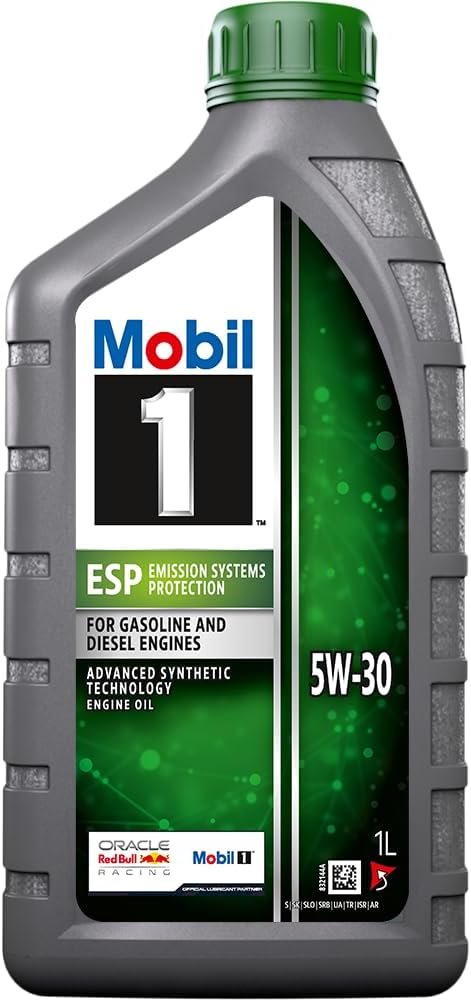
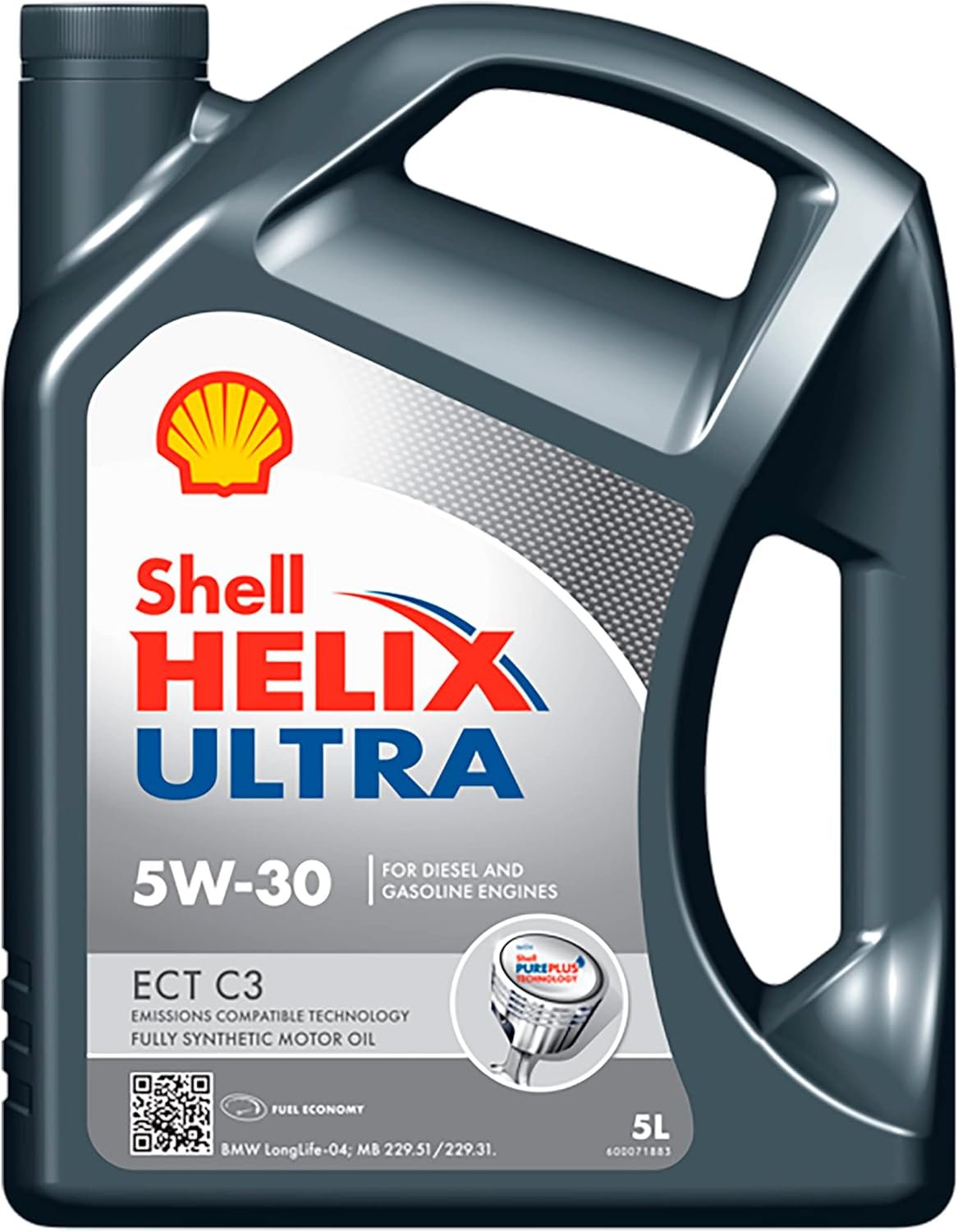
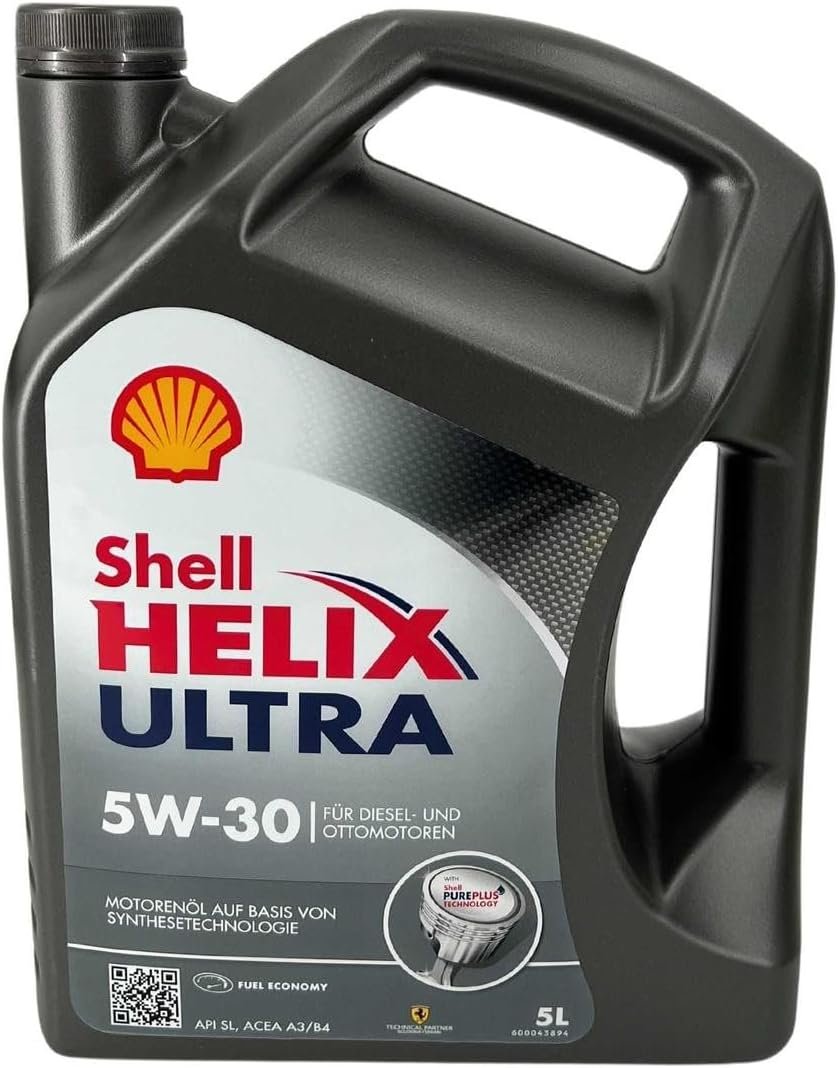
Oils carrying confirmed VW 502 00 / 504 00 approval: Castrol Edge Professional Longlife III 5W-30, Mobil 1 ESP 5W-30, Liqui-Moly Longlife III 5W-30, Shell Helix Ultra Professional AV-L 5W-30. Verify the VW approval number on the label.
Technical Specifications
| Specification | Value |
|---|---|
| Displacement | 1,984 cc |
| Layout | Inline-4, DOHC 16v, turbocharged petrol |
| Engine code | CZPA |
| Engine family | EA888 Gen 3B |
| Power / Torque | 235 hp / 258 lb-ft |
| Bore × stroke | 82.5 mm × 92.8 mm |
| Block material | Aluminium |
| Injection | Gasoline direct injection (GDI) |
| VVT | Dual (intake and exhaust, hydraulic) |
| Timing system | Timing chain (rear-mounted) |
| Oil capacity (with filter) | 5.4 L (5.7 qt) |
| Oil capacity (without filter) | approx. 4.7 L (5.0 qt) |
| Recommended viscosity | 5W-30 |
| Alternative viscosity | 0W-30 |
| VW OEM norms | VW 502 00 / VW 504 00 |
Oil Change Intervals
VW’s factory guidance for the US-market Atlas allows up to 10,000 miles or 12 months under normal conditions. The recommended practical interval is 7,500 miles or 12 months, with the shorter applied. For vehicles used predominantly in urban short-trip service — common in US urban centres — 5,000–7,500 miles or 12 months accounts for the accelerated oil degradation from repeated cold-start short cycles.
For any Atlas with the Longlife service indicator (common on European VW Group vehicles but less so on US-spec Atlas models), using VW 504 00 oil is required if following the extended drain intervals the system calculates. Do not use VW 502 00 oil at 20,000+ mile Longlife intervals; 502 00 is formulated for conventional intervals only.
Turbocharged engines degrade oil faster than naturally aspirated equivalents — combustion blow-by at boost pressure introduces more combustion products per litre of displaced gas into the oil. The 5.4-litre sump provides reasonable thermal buffering, but GDI combustion products and turbo-related blow-by together drive more aggressive degradation than a port-injected naturally aspirated engine.
Why Correct Oil Matters for the EA888 CZPA
Rear-mounted timing chain: As noted, the EA888 Gen 3B’s timing chain is at the rear of the engine. The additional labour cost of a chain replacement on this architecture — gearbox removal required — makes preventive maintenance through correct oil and intervals significantly more economically compelling than on a front-chain engine. Annual 5W-30 VW 502 00 changes maintain the tensioner hydraulic circuit and chain guide anti-wear protection that keeps the chain maintenance-free for the engine’s service life.
GDI direct injection and valve deposits: The intake valve carbon accumulation on GDI engines is progressive and inevitable, but the rate is influenced by oil chemistry. Higher-calcium oil formulations (outside VW 502 00 limits) contribute more combustion by-products to the deposit formation process. VW 502 00’s controlled formulation slows the accumulation rate compared to non-approved oils. Budget for a walnut blast cleaning at 80,000–100,000 miles.
Dual VVT phaser supply: Both cam phasers feed from the main gallery. Degraded oil that has oxidised and thickened in service reduces phaser hydraulic response, particularly at cold start when oil viscosity is already elevated. Correct VW 502 00 5W-30 that maintains its viscosity through the drain interval ensures both phasers respond accurately across the operating temperature range.
Common EA888 CZPA Problems Related to Oil
GDI intake valve carbon deposits: The primary long-term maintenance item. Without port injection to wash the intake valve backs, deposits accumulate from approximately 50,000–80,000 miles onwards. Early symptoms are cold-start rough idle and slight hesitation; advanced deposits cause persistent power loss and rough running. Walnut blasting through the intake ports restores valve airflow. Correct VW 502 00 oil slows accumulation; plan for the service at 80,000 miles as a scheduled item.
Timing chain rattle at cold start: On higher-mileage examples (above 100,000–120,000 miles), brief cold-start chain rattle clearing within 10–20 seconds indicates tensioner wear. This is accelerated by extended drain intervals or non-approved oil. Fresh VW 502 00 5W-30 at 7,500-mile intervals is the preventive measure.
Oil consumption: The EA888 CZPA shows moderate consumption on some examples — 0.5–1 quart per 5,000 miles is within the range reported. Monthly dipstick checks establish individual engine consumption rate. Consumption above 1 quart per 2,000 miles warrants valve stem seal and piston ring inspection.
Turbo wastegate actuator wear: The CZPA’s turbocharger uses a pneumatic or electronic wastegate actuator. At high mileage, actuator diaphragm wear can cause boost pressure irregularities. This is not directly oil-related but manifests as reduced power under acceleration. Clean oil that lubricates the turbo bearing correctly extends turbocharger life, delaying the shaft seal wear that can eventually contaminate the actuator circuit.
Conclusion
The Volkswagen Atlas 1st Gen 2.0L TSI EA888 is a capable family SUV engine with a well-established architecture across dozens of VW Group vehicles — proven reliability, broad torque delivery, and straightforward oil servicing with VW 502 00 / VW 504 00 5W-30 full synthetic. The two maintenance considerations specific to this engine are GDI intake valve carbon deposits (plan for walnut blasting at 80,000–100,000 miles) and the rear-mounted timing chain (whose replacement cost makes preventive oil maintenance the economically correct choice). Annual 7,500-mile services with confirmed VW 502 00 or 504 00 approved oil protect both systems effectively for long-term ownership.
Our Top Picks
As an Amazon Associate, we may earn from qualifying purchases. This doesn't affect our recommendations — we only suggest oils that hold the exact OEM approval for your engine.