 Oil-
Oil-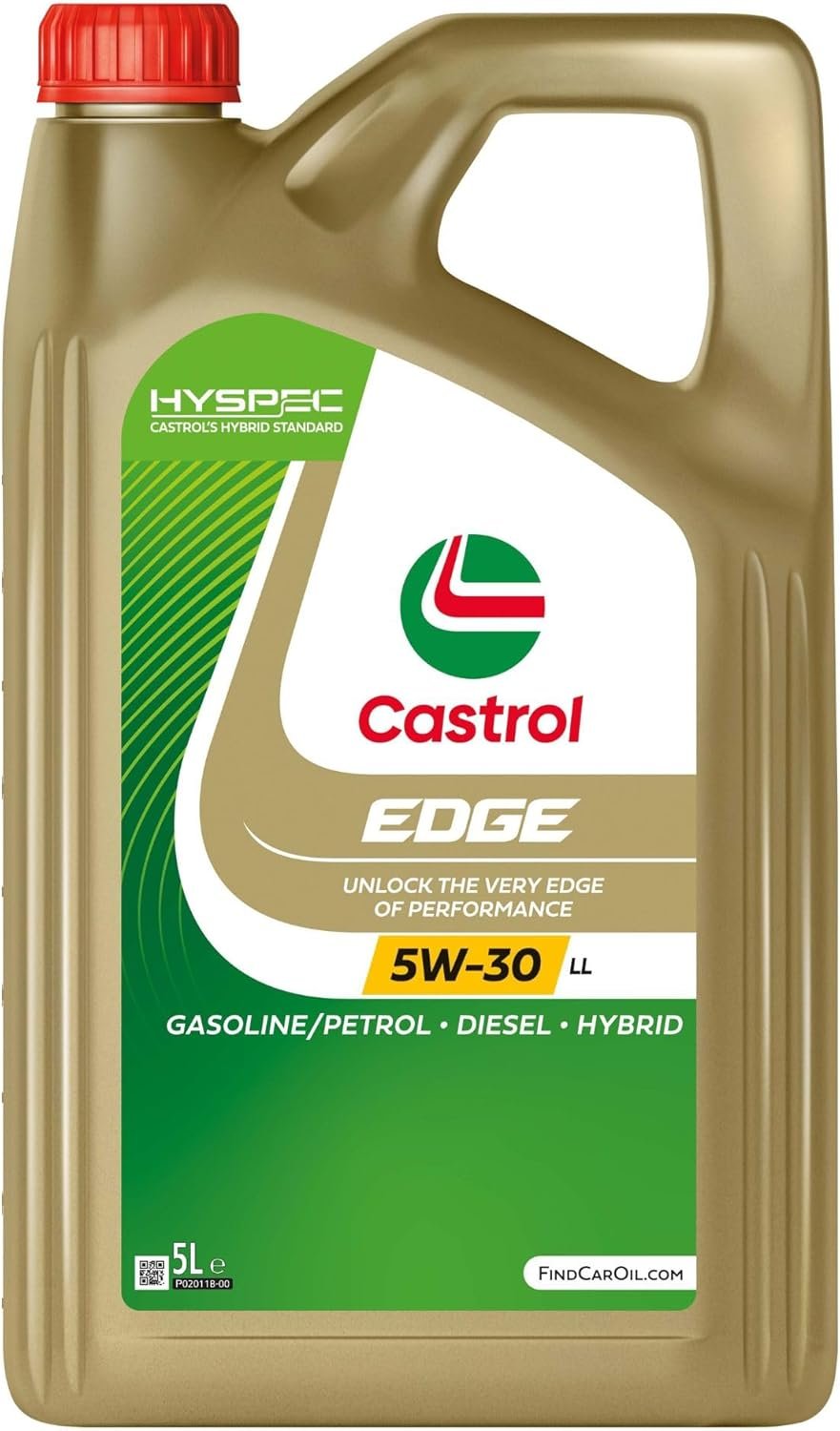
As an Amazon Associate, we may earn from qualifying purchases. This doesn't affect our recommendations — we only suggest oils that hold the exact OEM approval for your engine.
Best Engine Oil for Volkswagen Golf 6 2.0 TDI (110/140/170 HP)
The Volkswagen Golf 6 (5K) equipped with the 2.0 TDI common-rail diesel engine remains one of the most popular diesel hatchbacks ever produced. Built from 2008 to 2013, this EA189-family engine is available in 110 HP, 140 HP, and 170 HP variants, delivering strong torque with excellent fuel economy. Choosing the correct engine oil is not optional with this engine—it is critical. The 2.0 TDI relies on a Diesel Particulate Filter (DPF) that is extremely sensitive to oil ash content, and the EGR system demands clean combustion conditions. Using a non-approved oil will accelerate DPF clogging, increase EGR valve deposits, and can trigger expensive forced regeneration cycles. This guide covers the VW 507 00 specification, explains why low-SAPS oil is essential for diesel particulate filter longevity, and recommends proven oils for this engine.
Quick Answer: Recommended Oil
For Golf 6 2.0 TDI (110/140/170 HP):
- Specification: VW 507 00 with ACEA C3
- Viscosity: SAE 5W-30
- Oil capacity: 4.3 liters with filter (4.0 L without)
Critical: Only use oil carrying the VW 507 00 approval number. This is the diesel-specific specification within VW’s 504 00/507 00 pairing. VW 507 00 mandates low-SAPS (Sulphated Ash, Phosphorus, Sulphur) formulation to protect the DPF. Using a standard ACEA C3 oil without the VW 507 00 approval risks premature DPF saturation—a replacement costing £1,000–1,800.
The 2.0 TDI EA189 Engine
The 2.0 TDI (engine codes CBDB for 140 HP, CFHC for 170 HP, among others) belongs to Volkswagen’s EA189 engine family—the same platform that became infamous during the Dieselgate emissions scandal. Setting that controversy aside, the EA189 is a fundamentally robust engine. This inline-4 displaces 1,968cc through an 81.0mm bore and 95.5mm stroke, producing between 110 and 170 HP depending on turbo specification and ECU calibration. Peak torque of up to 350 Nm arrives from just 1,750 RPM, giving the Golf 6 effortless in-gear acceleration.
The common-rail direct injection system operates at pressures up to 1,800 bar, atomising diesel fuel for efficient combustion. A variable-geometry turbocharger (VGT) manages boost across the RPM range, with the 170 HP variant using a larger-specification unit. All variants feature a diesel particulate filter integrated into the exhaust system, and an exhaust gas recirculation (EGR) valve that redirects a portion of exhaust gas back into the intake to reduce NOx emissions.
This engine’s oil requirements are dictated primarily by its exhaust aftertreatment. The DPF captures soot particles and periodically burns them off during regeneration cycles at temperatures exceeding 600 degrees C. Oil-derived ash—from metallic additive compounds—cannot be burned off and accumulates permanently in the DPF. This is why VW 507 00 mandates low-SAPS chemistry: to minimise the ash that eventually fills and destroys the filter.
Understanding VW Oil Specifications
VW 507 00 (Diesel with DPF)
VW 507 00 is the mandatory specification for all VW diesel engines fitted with a DPF, including every Golf 6 2.0 TDI variant. This specification defines strict chemical limits beyond generic ACEA ratings:
- Low-SAPS formulation: Sulphated ash limited to 0.8% maximum, with reduced phosphorus and sulphur content. This directly extends DPF service life by minimising non-combustible residue.
- Soot handling: The 2.0 TDI generates significant soot under load. VW 507 00 oils contain dispersant additives that suspend soot particles in the oil, preventing agglomeration into abrasive clusters that accelerate bearing and cylinder wear.
- Extended drain capability: Designed for VW’s LongLife service regime of up to 30,000 km, though real-world diesel use demands significantly shorter intervals.
- Turbo coking resistance: Validated against VGT vane deposit formation at exhaust-side temperatures exceeding 280 degrees C.
Always verify the VW 507 00 approval number printed on the oil container. An oil labelled “suitable for diesel DPF” or “ACEA C3” without the specific VW 507 00 number has not been formally tested against Volkswagen’s soot handling, ash content, and oxidation stability requirements.
ACEA C3
ACEA C3 is the minimum European performance standard for this engine. It defines mid-SAPS catalyst and DPF-compatible oils with enhanced wear protection compared to lower ACEA C categories. However, VW 507 00 adds diesel-specific soot dispersancy tests and stricter ash limits that ACEA C3 alone does not guarantee.
Technical Specifications: 2.0 TDI (CBDB / CFHC)
| Specification | Value |
|---|---|
| Displacement | 1,968cc (2.0 liters) |
| Layout | Inline-4, transverse, cast-iron block, aluminium head |
| Valvetrain | DOHC, 16 valves, timing belt |
| Bore x Stroke | 81.0mm x 95.5mm (long-stroke) |
| Compression Ratio | 16.5:1 |
| Power | 110 HP / 140 HP (CBDB) / 170 HP (CFHC) @ 4,200 RPM |
| Torque | 250–350 Nm @ 1,750–2,500 RPM |
| Fuel Type | Diesel |
| Injection | Common-rail direct injection, up to 1,800 bar |
| Recommended Viscosity | SAE 5W-30 |
| Oil Capacity (without filter) | 4.0 liters |
| Oil Capacity (with filter) | 4.3 liters |
| ACEA Norm | C3 |
| VW Norm | VW 507 00 |
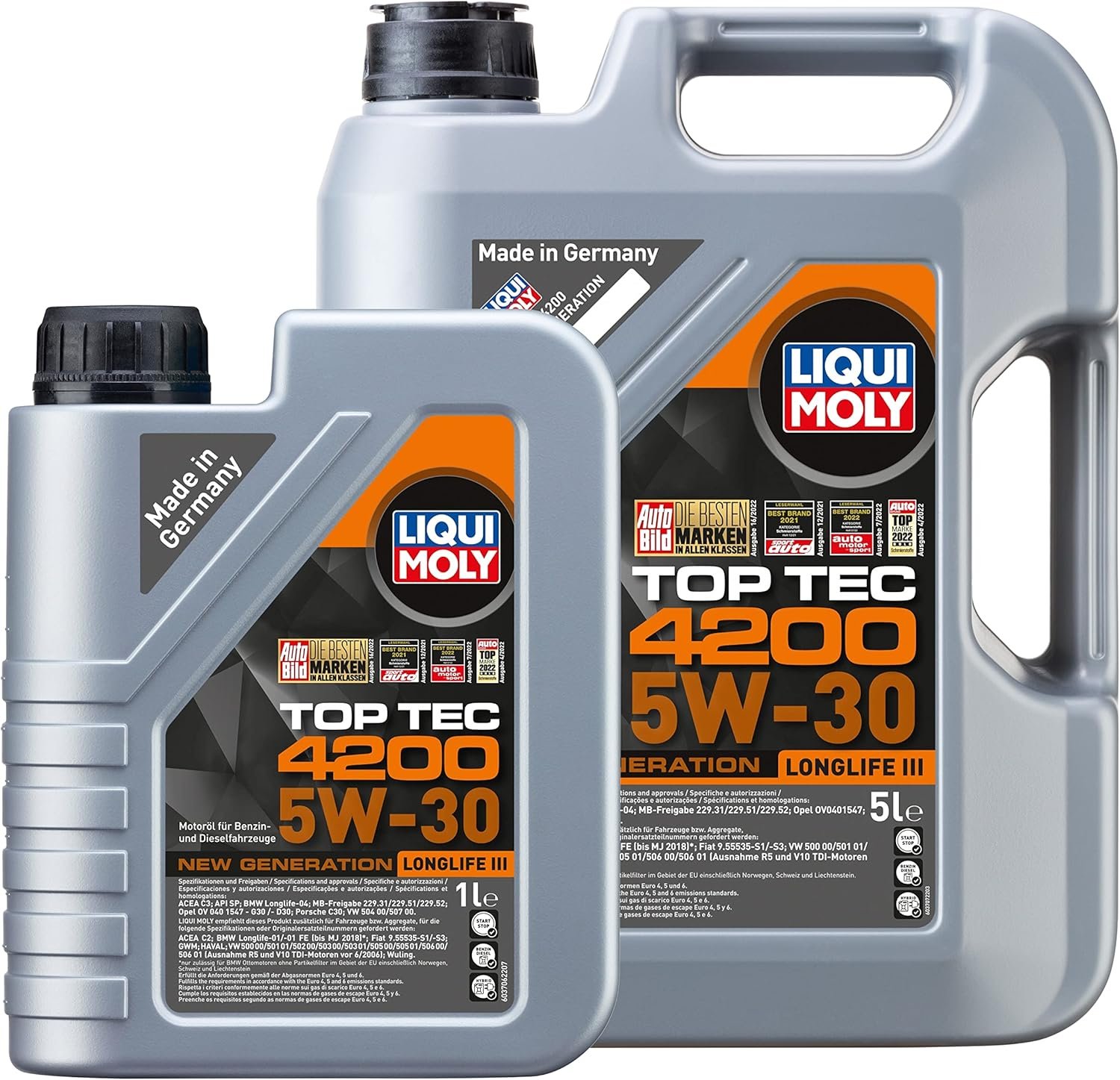
Best Value: Liqui Moly Top Tec 4200 5W-30 German-engineered with full VW 507 00 approval at competitive pricing. Excellent soot-handling capability keeps the oil effective even as diesel combustion byproducts accumulate. Strong detergent package combats the intake manifold and EGR deposits that plague the 2.0 TDI. Cold-start protection down to -30 degrees C ensures reliable oil flow on winter mornings. Best value at £35–45 for 5 liters.
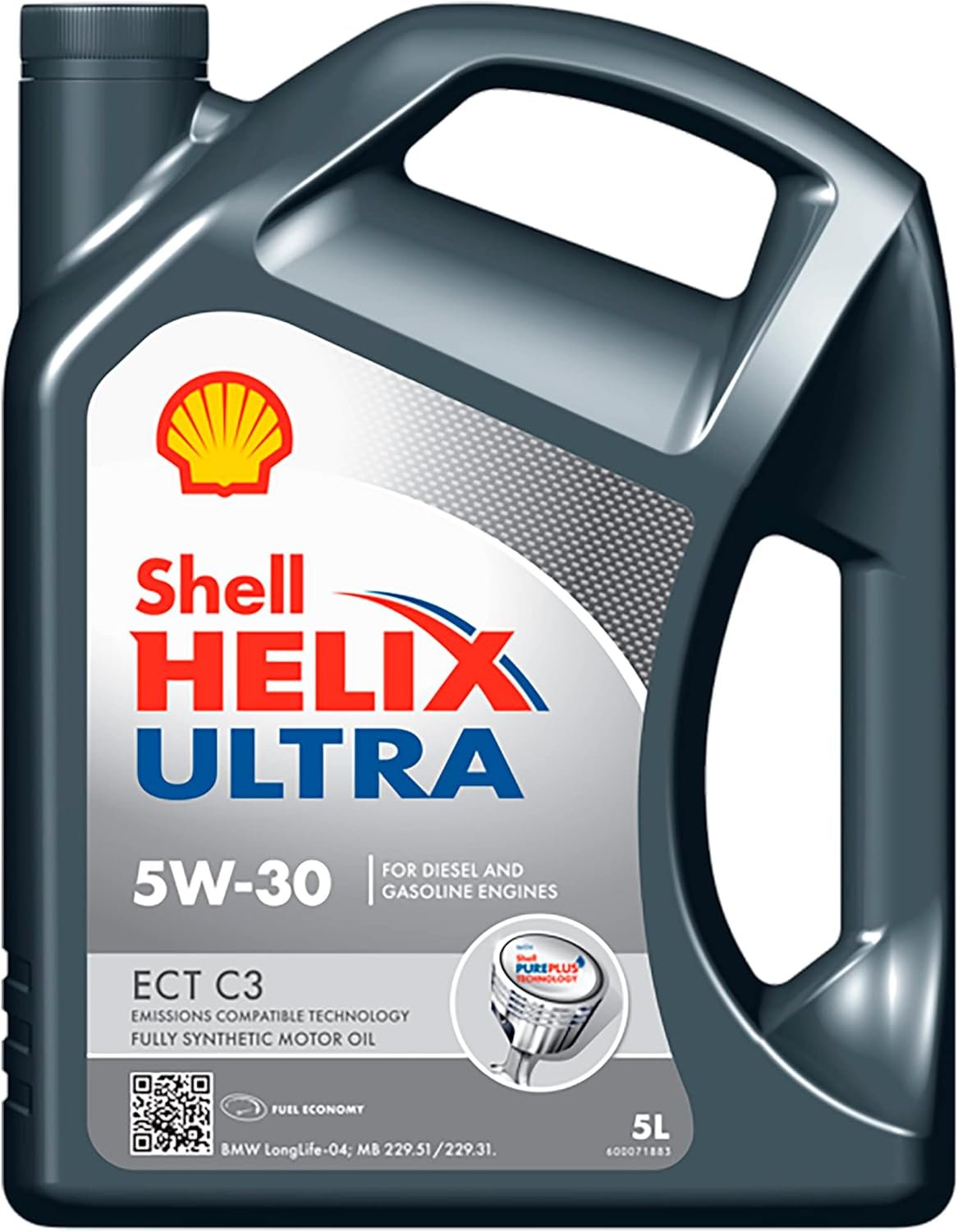
Alternative: Shell Helix Ultra ECT C3 5W-30 Shell’s PurePlus gas-to-liquid base oil technology starts with an exceptionally pure base stock, providing cleaner combustion chamber protection. Strong oxidation resistance is critical for diesel oil, which degrades faster than petrol oil due to soot contamination and higher operating temperatures. Low-SAPS formulation protects the DPF. Widely available at £35–50 for 5 liters.
Oil Change Intervals
VW Official Recommendation:
- LongLife service: up to 30,000 km or 24 months (whichever comes first)
- Fixed service: 15,000 km or 12 months
Recommended Practice: 10,000–12,000 km or annually, whichever comes first.
VW’s 30,000 km LongLife interval is dangerously optimistic for a diesel engine. The 2.0 TDI generates substantially more soot than any petrol engine, and this soot accumulates in the oil with every combustion cycle. By 20,000 km, oil soot levels can exceed the dispersant package’s capacity, causing soot particles to agglomerate into abrasive clusters. The result is accelerated cam, bearing, and cylinder wear—damage that is invisible until it becomes catastrophic.
The Dieselgate software recall made this worse. The post-recall ECU calibration increases DPF regeneration frequency, injecting additional diesel fuel into the cylinders during regen cycles. This fuel washes past the piston rings and dilutes the engine oil, reducing its viscosity and protective capability. If your Golf 6 has received the Dieselgate update, shortened oil change intervals are not optional—they are essential.
Consider 7,500 km intervals if:
- Primarily short trips under 15 km (DPF cannot complete regeneration, oil dilution accelerates)
- Heavy urban stop-and-go traffic (frequent incomplete regen cycles)
- Vehicle has received the Dieselgate emissions recall
- Vehicle exceeds 150,000 km
- Any sign of rising oil level on the dipstick (fuel dilution)
Why Correct Oil Matters
DPF Protection: Every litre of engine oil that enters the combustion chamber—whether through normal consumption or turbo seal leakage—leaves behind metallic ash in the DPF. Low-SAPS VW 507 00 oil produces roughly 40% less ash than a conventional 5W-30. Over 150,000 km, this difference determines whether your DPF survives or requires replacement at £1,000–1,800. Using non-approved oil is the single fastest way to destroy a DPF.
EGR Valve Longevity: The EGR valve recirculates exhaust gas into the intake manifold, where it mixes with oil vapour from the crankcase ventilation system. Poor-quality oil produces heavier vapour deposits, accelerating the carbon buildup that clogs EGR valves. This is already the 2.0 TDI’s most common failure point—made significantly worse after the Dieselgate software update altered combustion timing. EGR valve replacement costs £250–450 including labour.
Soot-Related Wear: Diesel combustion produces soot that inevitably enters the engine oil. Quality VW 507 00 oils contain advanced dispersant additives that keep soot particles suspended individually, preventing them from clumping into abrasive particles. Degraded or incorrect oil allows soot agglomeration, causing polishing wear on camshaft lobes and accelerating bore wear—the kind of gradual damage that shortens engine life from 250,000 km to 150,000 km.
Oil Pump and Balance Shaft Protection: The EA189 2.0 TDI uses a balance shaft module driven by the oil pump. This is a known weak point—oil pump failure is linked to balance shaft bearing wear, and degraded oil accelerates this process. Replacement involves significant engine disassembly, costing £600–1,000. Quality oil maintained at proper intervals keeps this assembly lubricated and functioning correctly.
Common 2.0 TDI Problems Related to Oil
EGR Valve Clogging: The single most common issue on the 2.0 TDI. Carbon deposits from exhaust gas combined with oil vapour gradually restrict the EGR valve, causing rough idle, loss of power, and check engine lights. The Dieselgate software update worsened this by altering exhaust gas recirculation rates. Symptoms include lumpy idle, black smoke, and fault code P0401. Quality oil with strong detergent properties slows deposit formation, but periodic EGR cleaning (every 60,000–80,000 km) is advisable. Replacement costs £250–450.
DPF Regeneration Issues: Short trips are the enemy of the DPF. The filter requires sustained driving at motorway speeds to reach the 600 degrees C+ temperatures needed for passive regeneration. Urban-only driving forces repeated active regeneration cycles, which inject extra diesel fuel into the cylinders—diluting the engine oil. Symptoms include a rising oil level, DPF warning light, and reduced performance. If you drive predominantly in town, check your dipstick regularly. A rising oil level means fuel dilution is occurring, and an immediate oil change is warranted.
Oil Pump and Balance Shaft Module Failure: The integrated oil pump and balance shaft assembly is a known weak point. Worn balance shaft bearings reduce oil pressure, eventually causing catastrophic engine damage. Early symptoms include a ticking noise at idle and low oil pressure warnings. Regular oil changes with VW 507 00 oil are the best prevention—the balance shaft bearings depend entirely on oil film for lubrication. Repair costs £600–1,000.
Turbo Oil Leaks: The VGT turbocharger’s oil seals degrade over time, particularly on the compressor side. Symptoms include blue smoke on startup or during hard acceleration, and oil residue in the intercooler piping. While seal wear is inevitable at high mileage, contaminated or degraded oil accelerates the process by forming deposits on the shaft seals. A turbo rebuild costs £400–700, while full replacement runs £800–1,400.
Intake Manifold Flap Motor Failure: The variable intake manifold uses an electric motor to control swirl flaps. This motor fails frequently, causing a check engine light and slightly reduced low-end torque. While not directly oil-related, it is worth mentioning as one of the most common and inexpensive repairs on the 2.0 TDI—replacement motors cost £40–80 and can be fitted in under an hour.
Valve Cover Gasket Wear: Oil seepage from the valve cover gasket is common above 100,000 km. While not catastrophic, it creates a mess and can drip onto the exhaust manifold, producing a burning smell. Replacement is straightforward and costs £80–150 in parts and labour.
Conclusion
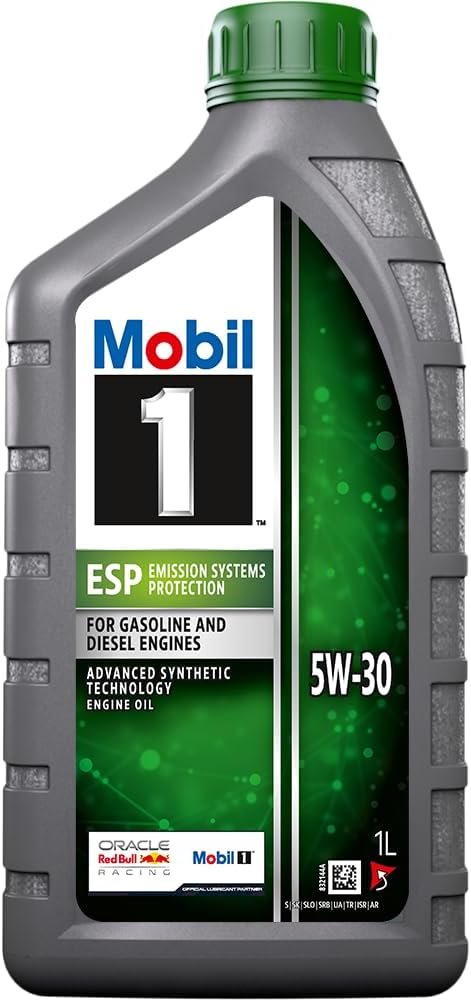
The Volkswagen Golf 6 2.0 TDI requires VW 507 00 approved SAE 5W-30 engine oil with a capacity of 4.3 liters including the filter. This is a diesel engine with a DPF—low-SAPS oil is mandatory, not optional. Choose from proven brands: Castrol EDGE Professional LL 03, Mobil 1 ESP, Shell Helix Ultra ECT C3, or Liqui Moly Top Tec 4200. Always verify the VW 507 00 approval number on every bottle.
Maintain 10,000–12,000 km oil change intervals regardless of what VW’s LongLife system suggests. If your car has received the Dieselgate recall, or if you drive predominantly short trips, consider 7,500 km intervals. The £35–60 spent on quality oil annually prevents DPF failure (£1,000–1,800), EGR valve replacement (£250–450), oil pump damage (£600–1,000), and premature turbo wear (£800–1,400). The EA189 2.0 TDI is a fundamentally reliable engine that routinely reaches 250,000 km and beyond—but only when fed the correct oil at sensible intervals. Short trips, extended drain intervals, and non-approved oil are the three things that will shorten this engine’s life. Avoid all three, and the 2.0 TDI will reward you with years of dependable, economical service.
Our Top Picks
As an Amazon Associate, we may earn from qualifying purchases. This doesn't affect our recommendations — we only suggest oils that hold the exact OEM approval for your engine.