 Oil-
Oil-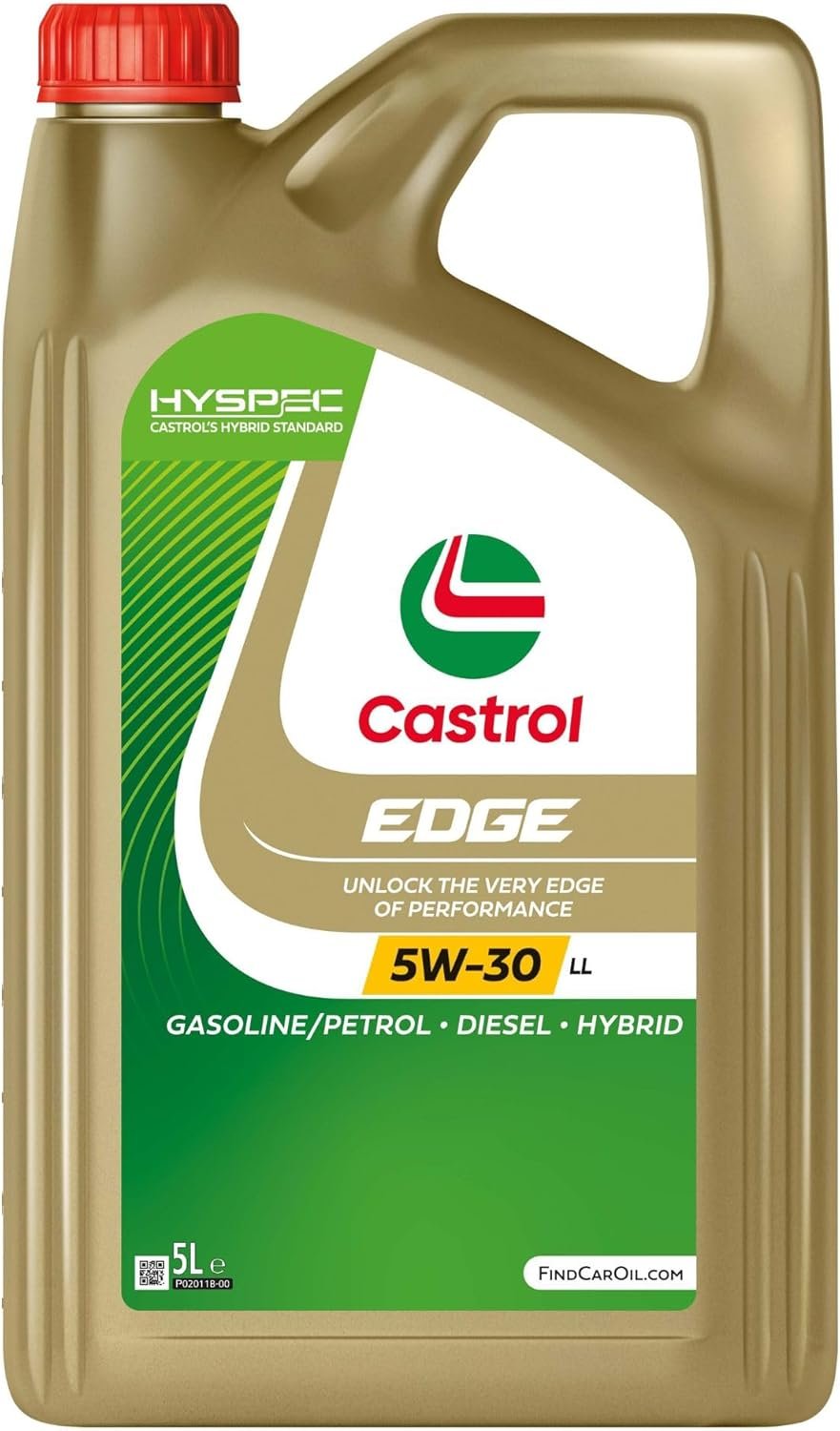
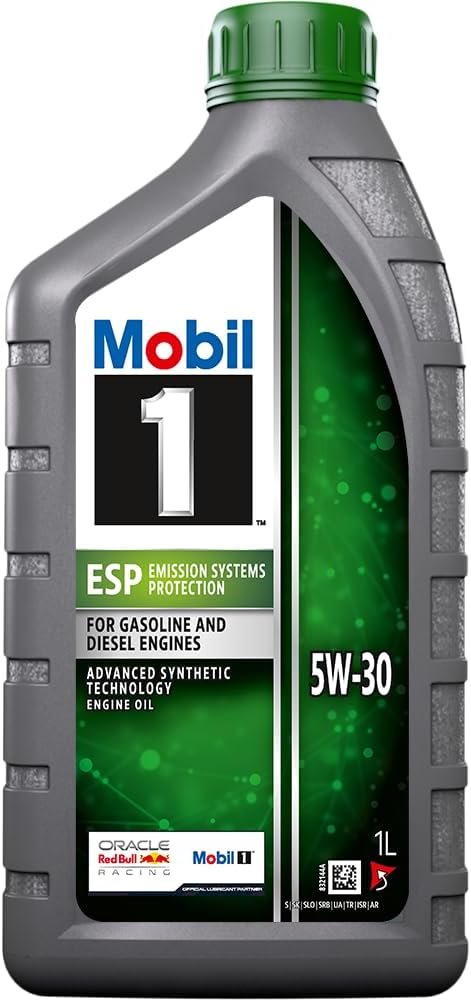
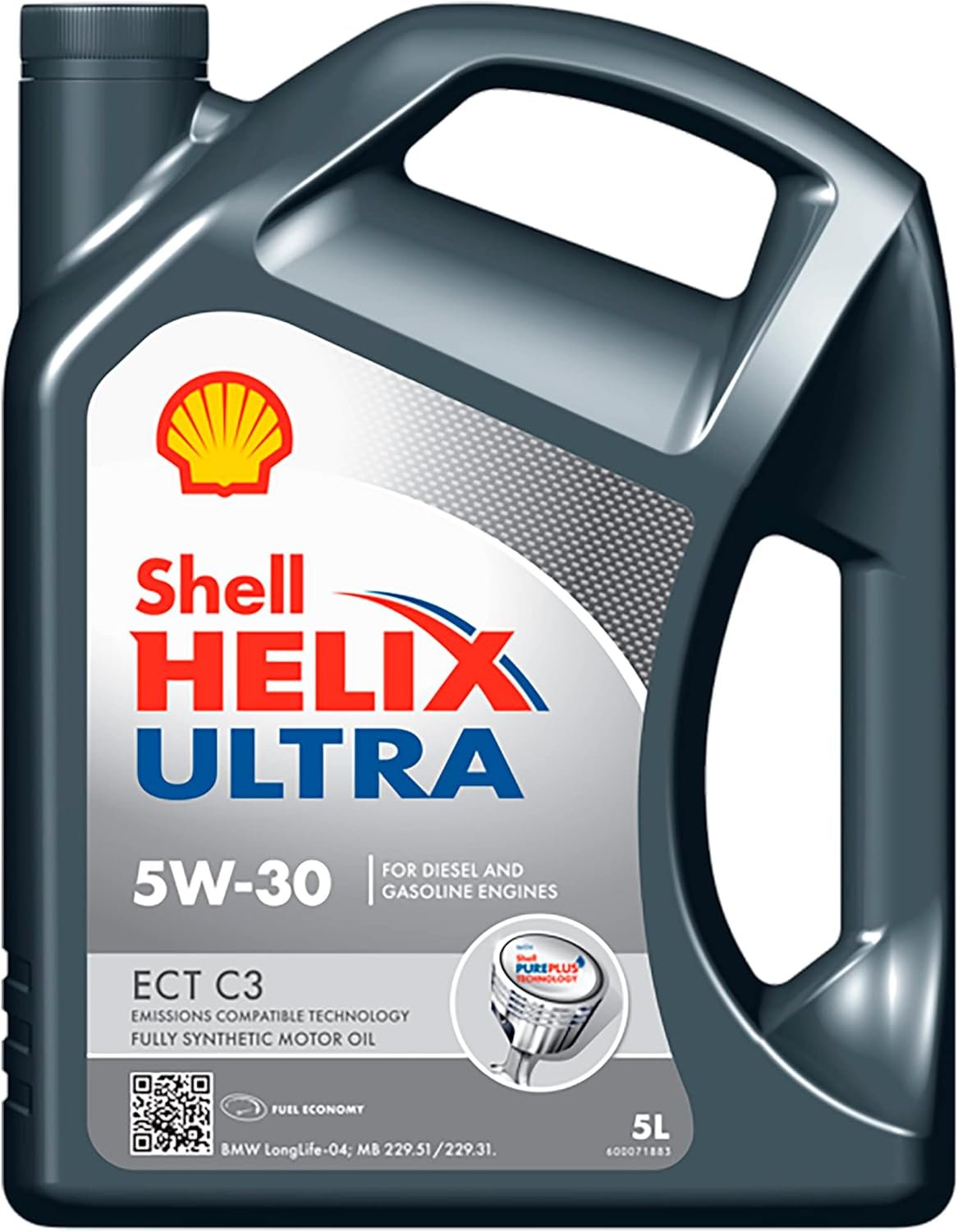
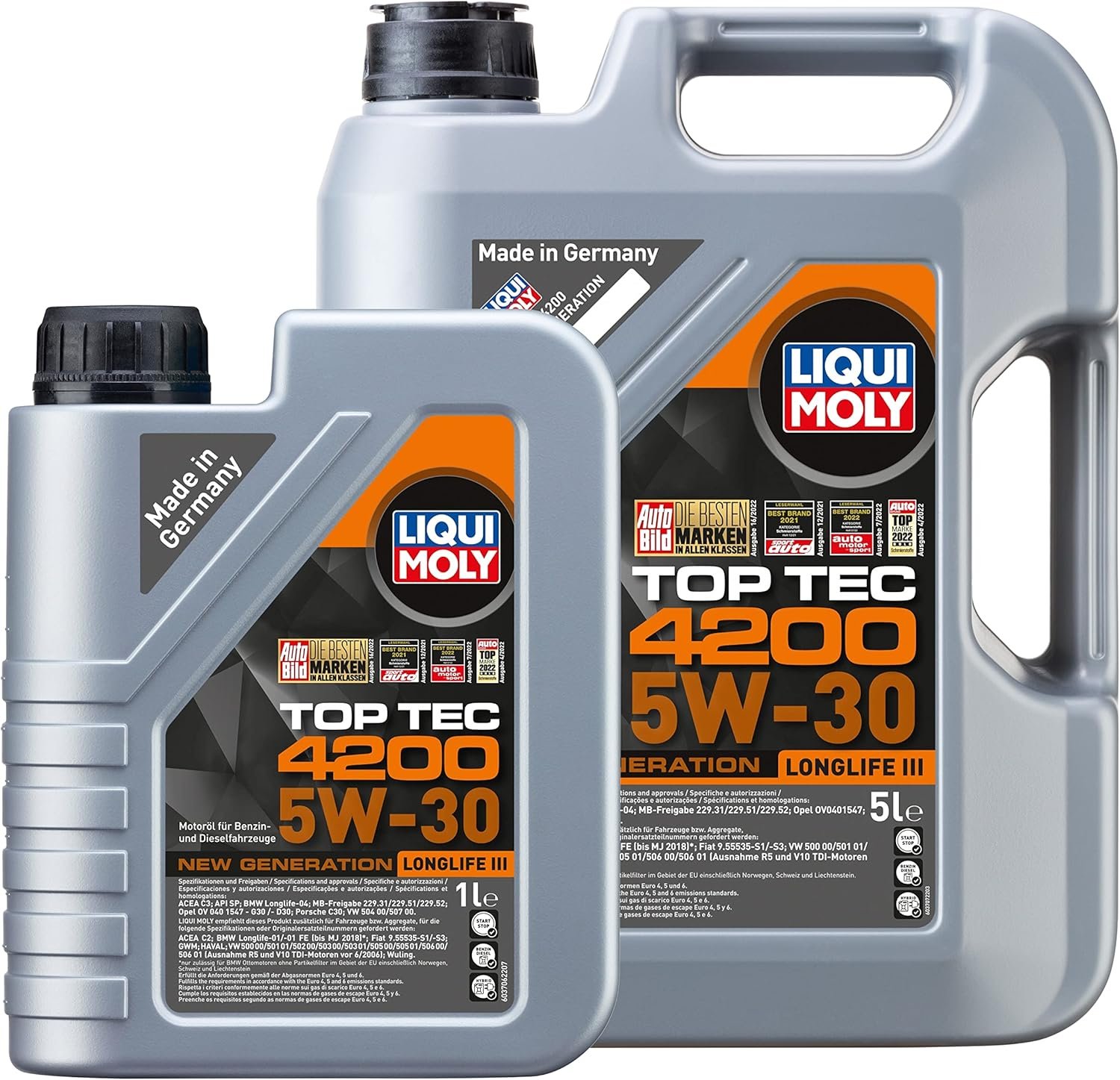
As an Amazon Associate, we may earn from qualifying purchases. This doesn't affect our recommendations — we only suggest oils that hold the exact OEM approval for your engine.
Best Engine Oil for VW Scirocco 3 2.0 TDI (140/150/184 hp)
The Volkswagen Scirocco 3rd generation (2008–2017) was VW’s sole sports coupé offering — a front-wheel-drive GT built on the Golf Mk6 platform with a distinctive sloping roofline and genuine driver engagement. The 2.0 TDI diesel variants (140 hp code CBBB, 184 hp code CFHC) use EA189 engines — the same family that became the centre of the Volkswagen emissions scandal of 2015. Every UK EA189 Scirocco was subject to a mandatory software recall that altered the engine’s emissions management calibration. Understanding the EA189’s oil requirements, and the post-recall context that every Scirocco owner now operates within, is the foundation of correct long-term maintenance.
Quick Answer: Recommended Oil
- Specification: VW 507 00 / ACEA C3, 5W-30 full synthetic (all DPF-equipped variants)
- Alternative: VW 504 00, 5W-30 (if VW 507 00 unavailable — suitable for DPF engines)
- Oil capacity with filter: 4.7 litres
- Oil capacity without filter: approx. 4.3 litres
The EA189 2.0 TDI Engine
The EA189 is a 1,968 cc inline-four turbodiesel that powered the majority of VW Group diesel applications from 2007 through 2015. In Scirocco specification:
- CBBB (140 hp / 150 hp): Single-scroll turbocharger, 320 Nm. The lower-output variant with a simpler turbo setup.
- CFHC (184 hp): Variable-geometry turbocharger operating at higher boost pressure, 380 Nm, reinforced fuel pump. Higher injection pressure (1,800 bar vs 1,600 bar on the CBBB).
Both engine codes use the same block, head, and oil specification. The mechanical differences between CBBB and CFHC are entirely within the turbocharging and fuel injection systems; the oil requirement is identical: VW 507 00, 5W-30, ACEA C3.
Dieselgate context: In September 2015, Volkswagen disclosed that EA189 engines globally — approximately 11 million vehicles — contained defeat device software that detected emissions testing conditions and altered combustion to reduce NOx output during the test while running with different parameters (higher NOx, better performance and fuel economy) in normal driving. UK EA189 Sciroccos were recalled between 2015 and 2017 for a mandatory software update (TSB available through VW dealerships) that alters the EGR and injection strategy to reduce real-world NOx. The software update typically increases fuel consumption by 2–3% and marginally affects peak torque delivery. For oil maintenance purposes, the post-recall calibration has no impact on oil specification or service intervals — VW 507 00 5W-30 remains correct before and after the update.
Understanding VW 507 00
VW 507 00 is Volkswagen Group’s specification for diesel engines equipped with DPF (Diesel Particulate Filter). It requires:
- ACEA C3 performance level: Sulphated ash ≤ 0.8%, phosphorus ≤ 0.07%, sulphur ≤ 0.2%
- Low-SAPS chemistry: Limits the incombustible ash deposited in the DPF per kilometre
- Extended drain compatibility: VW 507 00 is formulated for VW’s Longlife service intervals (up to 30,000 km under ideal conditions) with enhanced oxidation stability
Using older VW 506 00 or 506 01 oil (for non-DPF engines) in a DPF-equipped CBBB or CFHC is incorrect — those specifications lack the ash limits required for DPF protection.
Technical Specifications
| Specification | Value |
|---|---|
| Displacement | 1,968 cc |
| Layout | Inline-4, diesel, turbocharged |
| Engine codes | CBBB (140/150 hp) / CFHC (184 hp) |
| Power / Torque | 140–184 hp / 320–380 Nm |
| Turbocharger | Single scroll (CBBB) / VGT (CFHC) |
| Aftertreatment | DPF + EGR |
| Timing system | Timing chain |
| Oil capacity (with filter) | 4.7 L |
| Recommended viscosity | 5W-30 |
| VW specification | VW 507 00 |
| ACEA classification | C3 |
Oil Change Intervals
VW’s Longlife service system can indicate changes at up to 30,000 km. The recommended real-world interval for Scirocco 2.0 TDI ownership is 15,000 km or 12 months. For vehicles used primarily in sport driving — extended high-RPM sessions, spirited motorway use — 10,000–12,000 km or 12 months accounts for the increased thermal load on the oil at higher sustained engine output.
The 4.7-litre sump provides moderate buffering. VW 507 00’s Longlife oxidation stability supports annual intervals, but the Scirocco’s coupé body traps engine heat more effectively than an equivalent saloon or estate, meaning sustained sporty driving heats the oil faster than equivalent mileage on a Golf.
Common EA189 Problems Related to Oil
EGR valve carbon deposits: The single most-reported maintenance issue on the EA189 2.0 TDI — across all applications including the Scirocco. The EGR system deposits carbon progressively on the valve body and intake ports. At 80,000–120,000 km, symptoms include rough idle at warm-up, hesitation at light throttle, and eventually limp mode. The post-Dieselgate software update, which increases EGR rate to reduce NOx in real-world conditions, can accelerate deposit accumulation on post-recall engines. Carbon cleaning at 100,000 km is advisable for post-update Sciroccos. Correct VW 507 00 oil with controlled calcium and sulphur limits reduces combustion by-product contribution to deposit formation.
DPF soot loading: The Scirocco’s use pattern — coupé, often driven with more throttle than an equivalent estate — can paradoxically support DPF passive regeneration better than urban estates (higher exhaust temperatures). However, short-trip use for daily commuting in the Scirocco produces DPF soot loading without regeneration. Ensure periodic sustained motorway runs of 30+ minutes to enable passive regeneration.
Timing chain tensioner: EA189 timing chain tensioner wear at extended mileage (150,000+ km) produces brief cold-start rattle. Annual VW 507 00 changes maintain tensioner hydraulic circuit supply across the drain interval.
Conclusion
The VW Scirocco 3 2.0 TDI is a distinctive sports coupé whose EA189 engine carries the Dieselgate legacy as historical context rather than active maintenance concern — the software recall is a one-time event with no ongoing oil implications. VW 507 00 5W-30 ACEA C3 at 15,000 km annual intervals is the correct specification. Budget for EGR carbon cleaning at 80,000–120,000 km — particularly on post-recall cars where the altered calibration may increase deposit rate — and ensure periodic motorway runs to support DPF passive regeneration.
Our Top Picks
As an Amazon Associate, we may earn from qualifying purchases. This doesn't affect our recommendations — we only suggest oils that hold the exact OEM approval for your engine.