 Oil-
Oil-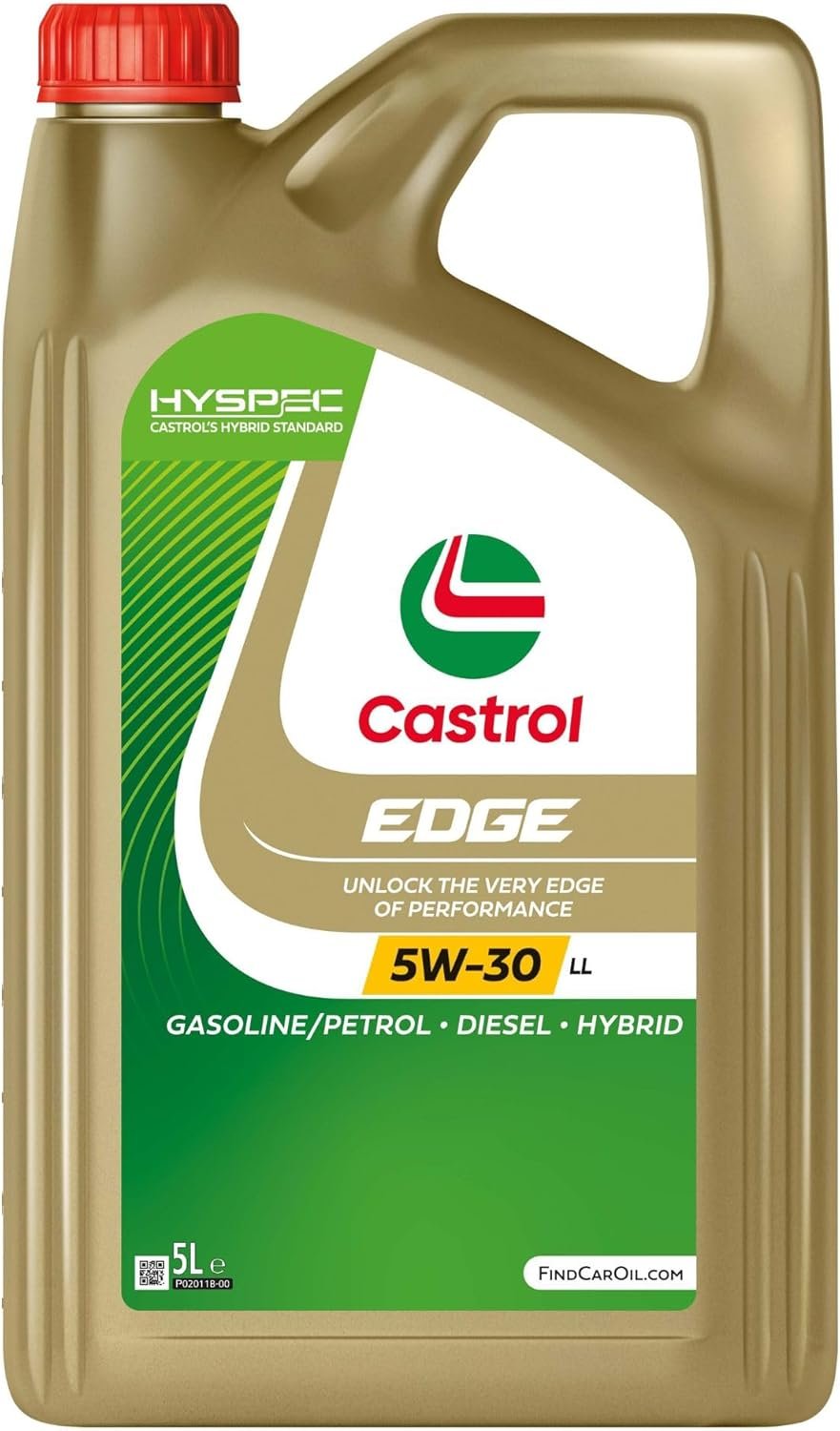
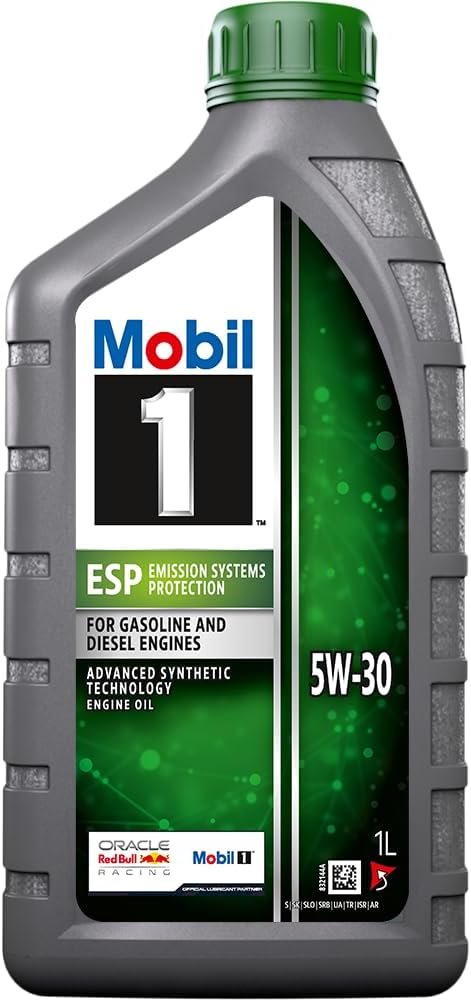
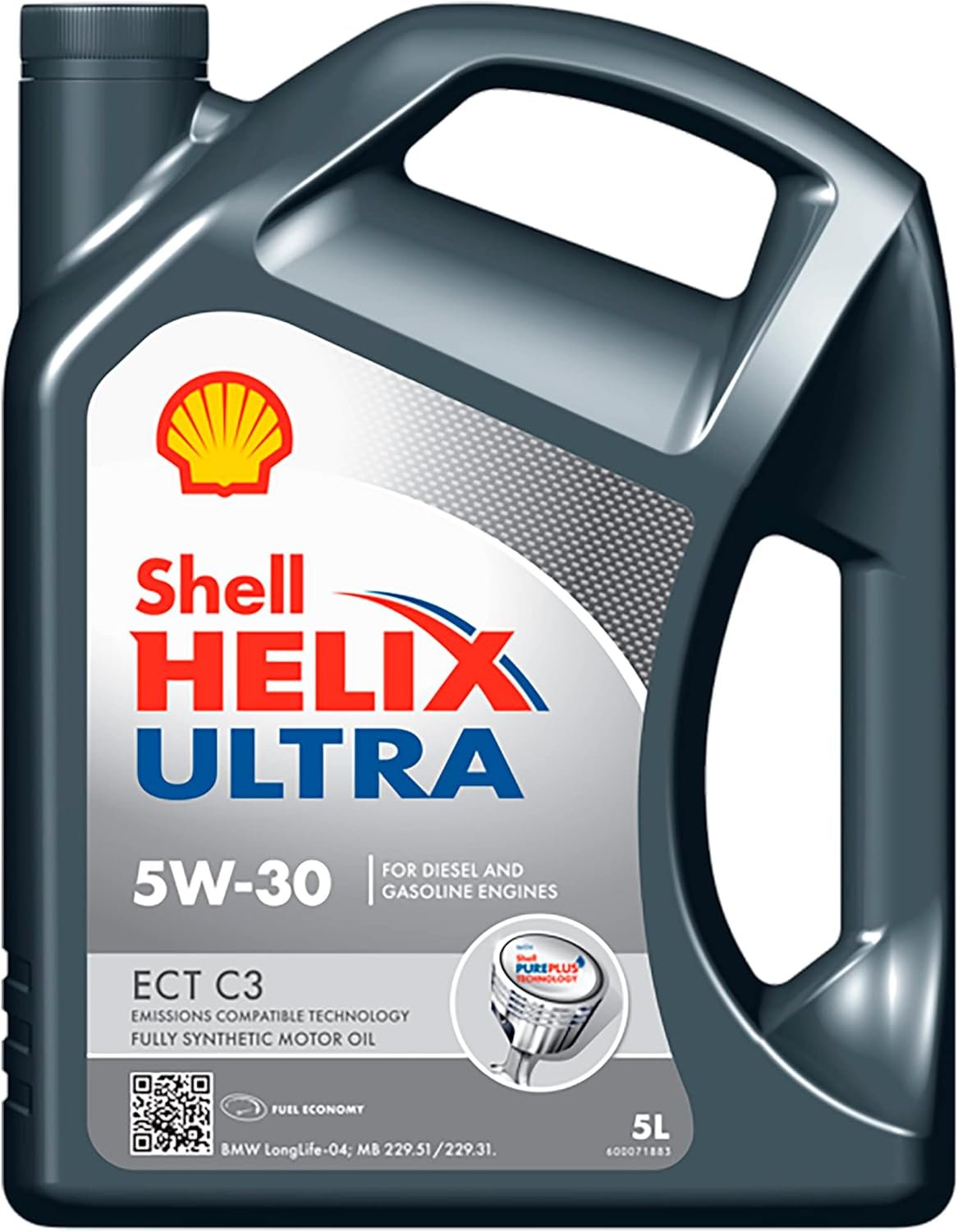
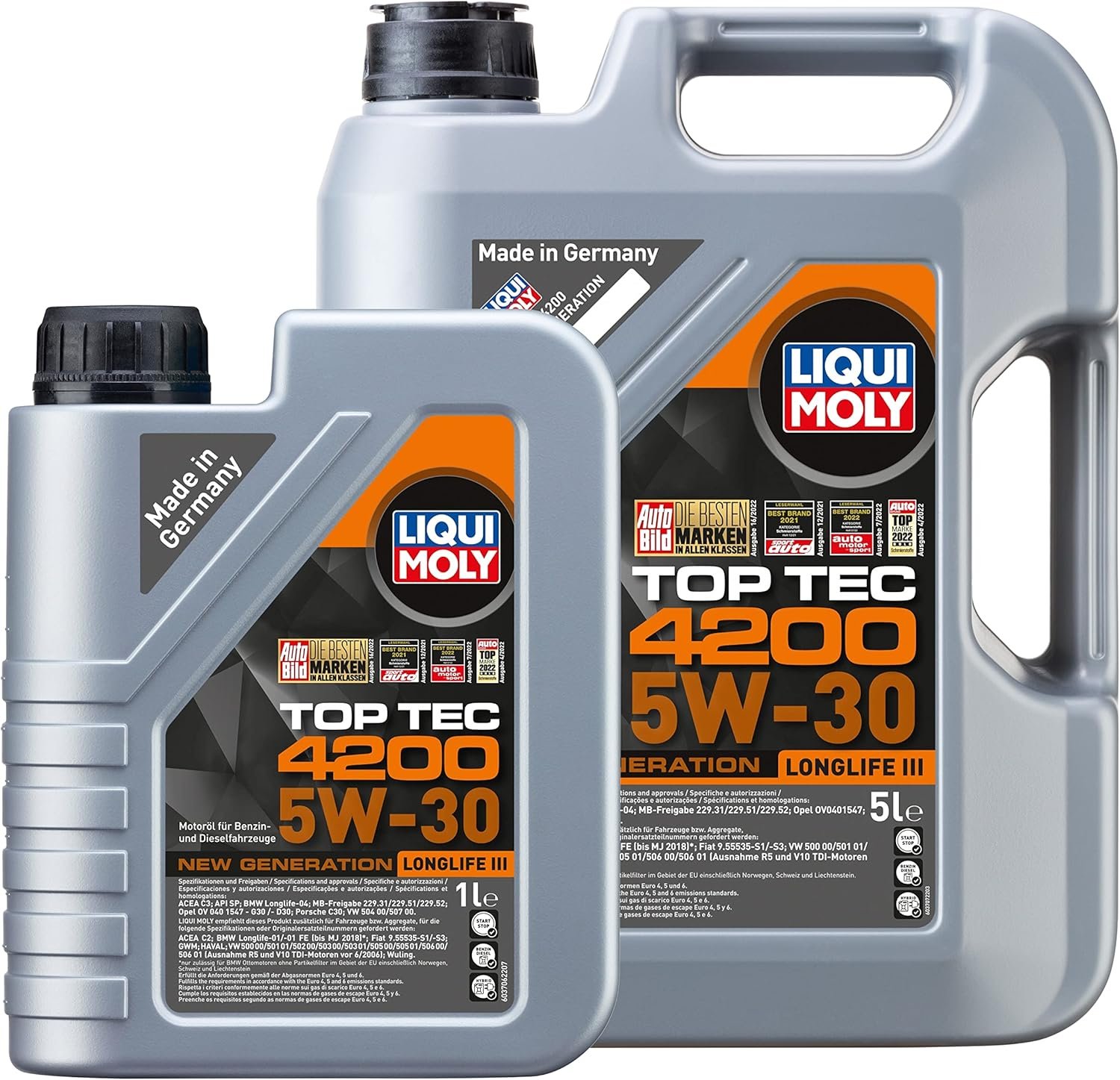
As an Amazon Associate, we may earn from qualifying purchases. This doesn't affect our recommendations — we only suggest oils that hold the exact OEM approval for your engine.
Best Engine Oil for VW Passat B6 2.0 TDI 140 hp (BKP)
The Volkswagen Passat B6 2.0 TDI carrying the BKP engine code is one of the more characterful diesel saloons and estates of the mid-2000s — refined on the motorway, genuinely capable, and still a common sight on UK roads today. But the BKP belongs to Volkswagen’s Pumpe-Düse (PD) family, a generation of diesel engines that demand more respect — and more careful oil selection — than almost any other production diesel of its era.
Get the oil right and a BKP-engined Passat B6 will cover enormous mileages without drama. Get it wrong, and you are looking at one of the most expensive camshaft failures in the modern diesel world. This guide covers exactly what oil this engine needs, why VW 507 00 compliance is non-negotiable, and what warning signs to watch for.
Quick Answer: Recommended Oil
- Primary specification: 5W-30, ACEA C3, VW 507 00
- Alternative viscosity: 5W-40 (ACEA C3, VW 505 01 — if VW 507 00 is unavailable, but 507 00 is strongly preferred)
- Oil capacity (drain and refill): 4.0 litres
- Oil capacity with filter change: 4.5 litres
- OEM norm: VW 507 00
The BKP Engine: Pumpe-Düse Technology
The BKP is a 1,968 cc four-cylinder diesel engine, part of Volkswagen’s EA188 family and one of the later expressions of the Pumpe-Düse (PD) injection system. PD — literally “pump nozzle” in German — was Volkswagen’s answer to high-pressure common-rail injection before the technology became mainstream. Rather than a centralised high-pressure rail feeding all injectors, each cylinder in a PD engine has its own dedicated unit injector driven directly off a lobe on the camshaft.
This architecture allows injection pressures of up to 2,050 bar — significantly higher than early common-rail systems — giving strong combustion efficiency, low emissions, and the characteristic sharp diesel clatter that PD engines are known for. In the BKP, this translates to 140 hp and 320 Nm of torque, making the Passat B6 genuinely brisk for a diesel of its period.
The BKP was fitted to the Passat B6 from 2005 and runs in both saloon (3C2) and estate (3C5) body styles. It pairs with a six-speed manual or a six-speed DSG (DQ250) gearbox. Unlike the later common-rail TDIs, the BKP has no separate high-pressure fuel pump — the injectors are the pump. That means the camshaft is working harder than in any comparable diesel, and the implications for lubrication are significant.
Understanding VW 507 00 and Why It Matters for PD Engines
VW 507 00 is Volkswagen’s most demanding diesel engine oil specification and it is the only correct choice for the BKP. It was introduced specifically to protect PD engines and DPF-equipped diesel vehicles, and it carries several requirements that standard ACEA B3 or older VW 505 00 oils cannot meet.
Low SAPS formulation: VW 507 00 mandates low sulphated ash, phosphorus, and sulphur (low-SAPS) content. High SAPS oils poison the diesel particulate filter over time, reducing its effectiveness and eventually causing costly regeneration failures or DPF replacement. The Passat B6 2.0 TDI was sold with a DPF as standard in most UK specifications from 2006 onwards.
High film strength under extreme pressure: Because PD injectors are cam-driven, the camshaft lobes experience very high mechanical loads — far beyond a conventional diesel. VW 507 00 oils are formulated with the film strength and anti-wear additives (particularly ZDDP management) needed to protect these lobes under sustained high load.
Extended drain compatibility: VW 507 00 is designed for Variable Service Intervals (VSI), meaning it maintains its protective properties through longer oil life cycles as monitored by the on-board service indicator.
VW 505 01 (an older low-SAPS spec) is sometimes cited as an alternative, and ACEA C3 5W-40 oils meeting 505 01 can be used in a pinch. However, VW 507 00 in 5W-30 remains the factory-specified choice and should be used wherever possible.
Technical Specifications
| Parameter | Detail |
|---|---|
| Engine family | EA188 (Pumpe-Düse) |
| Displacement | 1,968 cc |
| Configuration | Inline-4, SOHC |
| Bore × Stroke | 81.0 mm × 95.5 mm |
| Compression ratio | 18.5:1 |
| Power output | 140 hp (103 kW) @ 4,000 rpm |
| Peak torque | 320 Nm @ 1,750–2,500 rpm |
| Injection system | Unit injector (Pumpe-Düse), cam-driven |
| Max injection pressure | ~2,050 bar |
| Recommended oil viscosity | 5W-30 |
| OEM oil specification | VW 507 00 |
| ACEA classification | C3 |
| Oil capacity (no filter) | 4.0 litres |
| Oil capacity (with filter) | 4.5 litres |
| DPF fitted | Yes (UK spec, from 2006 MY) |
Oil Change Intervals
Volkswagen’s official Variable Service Interval for the BKP engine can extend to 20,000 km (approximately 12,500 miles) or one year, whichever comes first, as determined by the on-board service indicator. The interval accounts for driving style, temperature cycles, and oil degradation rate.
In practice, most experienced PD engine owners — and independent specialists — strongly recommend shortening this to 10,000–12,000 miles or 12 months as an absolute maximum, with many preferring annual changes regardless of mileage. PD engines are inherently harder on oil than common-rail diesels due to the cam-driven injection loads, and degraded oil in a BKP is not a minor inconvenience — it is a direct path to camshaft damage.
If the car is used on short urban trips where the engine rarely reaches full operating temperature, or if it has covered high mileage, move to annual changes as a minimum and consider 7,500-mile intervals.
Always fill to the correct level: between the minimum and maximum marks on the dipstick. Overfilling a PD engine introduces its own risks, as excess oil can be drawn into the intake system and cause runaway idle issues.
Why the Correct Oil Is Critical on a PD Engine
No modern diesel engine tolerates incorrect oil as poorly as a Pumpe-Düse unit. The reason comes back to the injection system. Each PD injector is mechanically driven by a dedicated lobe on the camshaft — there are four such lobes on a four-cylinder engine, in addition to the standard intake and exhaust lobes. This means the camshaft is simultaneously managing valve timing and generating the injection pressure for every combustion event.
The forces involved are substantial. Each injection event loads the corresponding cam lobe with several kilonewtons of force, cycle after cycle, across thousands of RPM. The only thing preventing metal-to-metal contact between the cam lobe and the rocker arm follower is the oil film.
If that film is degraded — whether through old oil, incorrect specification, low level, or contamination — the lobe begins to wear. Once wear starts on a PD camshaft, it accelerates rapidly. The surface hardening on these lobes is not deep, and once through it, the underlying softer metal wears quickly. A worn camshaft in a BKP engine will need full replacement, and in severe cases the cylinder head itself is scrap.
This is not a theoretical risk. Camshaft failure on neglected or incorrectly serviced PD engines is one of the most commonly documented failures across the entire EA188 family. Using a VW 507 00-compliant 5W-30 and changing it on a shortened interval is the single most effective way to prevent it.
Common BKP Problems Related to Oil
Camshaft and rocker arm wear: As described above, the primary failure mode unique to PD engines. Symptoms include a tapping or rattling noise from the top of the engine, particularly on cold start, that worsens over time. By the time noise is audible, wear is often already advanced. Prevention — correct oil, correct intervals — is the only real answer. A camshaft inspection via rocker cover removal is worthwhile on any high-mileage BKP.
Balancer shaft and oil pump failure: The BKP shares a balancer shaft module with other EA188 engines. This module houses the balance shafts and drives the oil pump via a hexagonal shaft. On high-mileage engines, the hexagonal drive interface can wear, causing the oil pump output to drop. The result is low oil pressure at idle, particularly when the oil is hot. This is distinct from the camshaft wear issue but equally serious — low oil pressure from a failing oil pump drive accelerates wear across the entire engine, including the vulnerable PD cam lobes.
EGR valve fouling: Heavy urban use causes carbon deposits to build up in the EGR valve and inlet manifold, a known issue on all high-mileage PD TDIs. Regular motorway driving helps, but periodic EGR cleaning is advisable beyond 100,000 miles.
Dual-mass flywheel wear: Standard fitment on most BKP Passat B6 variants, the dual-mass flywheel (DMF) has a finite lifespan, particularly in urban stop-start use. Symptoms are a clunking sensation at low RPM or on tip-in. Replacement is expensive but necessary when worn — a failed DMF can damage the gearbox bell housing.
DPF clogging: On DPF-equipped cars, short-distance urban driving can prevent the filter from reaching the temperatures needed for active regeneration. Regular 20–30 minute motorway runs help. Using a non-low-SAPS oil will accelerate DPF blockage significantly.
Conclusion
The VW Passat B6 2.0 TDI BKP is a strong, capable diesel with a well-deserved following — but it rewards careful ownership more than most. The Pumpe-Düse injection system is its defining characteristic and its Achilles heel: the cam-driven injectors place exceptional demands on the engine oil, and the consequence of neglect is one of the most expensive diesel engine failures you can encounter.
Use VW 507 00-compliant 5W-30, change it no later than every 12 months or 10,000–12,000 miles, and keep a close eye on oil level between services. Do those things consistently and the BKP is a durable, rewarding engine. Cut corners on the oil and the camshaft will eventually make the decision for you.
Our Top Picks
As an Amazon Associate, we may earn from qualifying purchases. This doesn't affect our recommendations — we only suggest oils that hold the exact OEM approval for your engine.