 Oil-
Oil-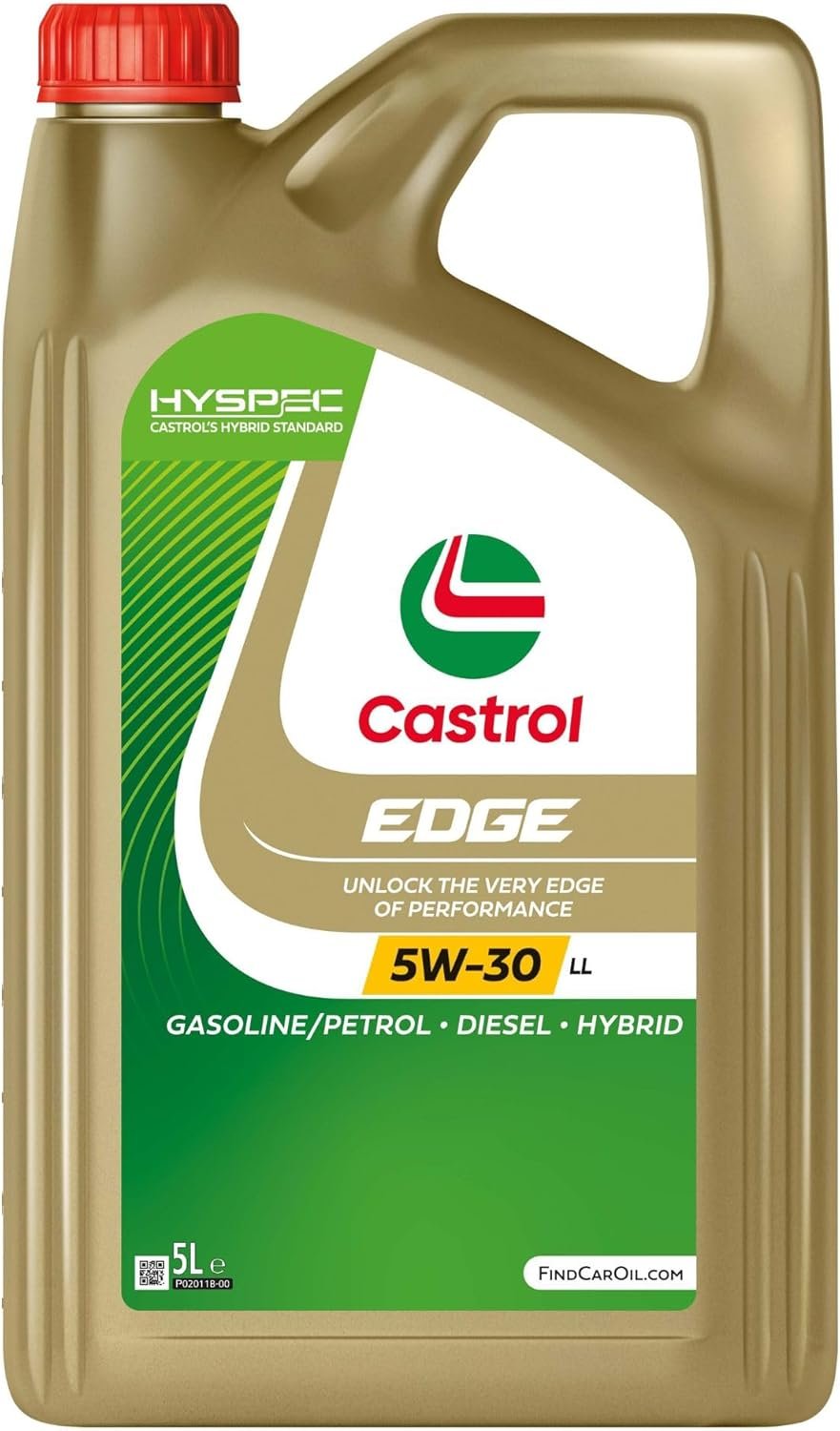
As an Amazon Associate, we may earn from qualifying purchases. This doesn't affect our recommendations — we only suggest oils that hold the exact OEM approval for your engine.
Best Engine Oil for Volkswagen Passat B8 2.0 TDI (150/190 HP)
The Volkswagen Passat B8, introduced in 2015, represents the eighth generation of Volkswagen’s executive saloon and estate. Its 2.0 TDI engine, part of the EA288 family, is available in two power outputs: 150 HP with the DFGA engine code and 190 HP with the DDAA. Both share the same fundamental architecture — a 1,968cc four-cylinder turbodiesel with common-rail injection, a diesel particulate filter, and selective catalytic reduction via AdBlue. The Passat is heavier and more aerodynamically efficient than the Golf 7, which shares the same engine family, and its typical usage profile — sustained motorway cruising at 70 mph, long-distance business trips, and family touring — places different demands on the oil compared to shorter urban journeys. This guide covers the specifications, capacity, and best oils to protect the Passat’s EA288 engine and its complex emissions hardware.
Quick Answer: Recommended Oil
For VW Passat B8 2.0 TDI (150/190 HP):
- Recommended viscosity: SAE 5W-30 (alternative: 0W-30)
- Oil capacity: 4.7 litres with filter (4.4 L without)
- Required norms: ACEA C3, VW 507 00
The EA288 in the Passat B8
The Passat B8 uses the EA288 diesel family in transverse layout, the same engine platform found in the Golf 7, Tiguan, and Skoda Octavia. In the Passat, however, the engine operates in a fundamentally different context. The B8 weighs approximately 1,450 kg (estate variants closer to 1,500 kg), roughly 150 kg more than a Golf 7, and its longer wheelbase and lower drag coefficient mean it spends more time at sustained cruising speeds rather than in stop-start urban traffic.
The DFGA (150 HP) produces 340 Nm of torque from 1,750-3,000 RPM, while the DDAA (190 HP) delivers 400 Nm across a similar range. Both use variable-geometry turbochargers and common-rail injection at up to 2,000 bar. The 190 HP variant uses a revised turbo calibration and higher injection pressures for additional mid-range response, making it particularly suited to the Passat’s motorway-oriented character.
The key difference from lighter EA288 applications is thermal management. The Passat’s sustained high-speed running keeps the engine at full operating temperature for longer periods, which is actually beneficial for oil health and DPF management. However, the higher oil temperatures experienced during prolonged motorway cruising demand excellent thermal stability from the lubricant — a characteristic that VW 507 00 specification validates through extended high-temperature oxidation testing.
VW 507 00 and the Passat’s DPF
VW 507 00 mandates a low-SAPS oil chemistry designed to protect the diesel particulate filter over the engine’s lifetime. The Passat’s DPF sits in the exhaust system between the turbocharger outlet and the SCR catalytic converter, capturing soot particles from combustion.
Unlike the Golf, which may spend long periods in urban traffic preventing passive regeneration, the Passat typically covers enough motorway distance for passive regeneration to occur naturally. Exhaust temperatures above 350°C during sustained cruising oxidise accumulated soot without any intervention from the engine management system. This makes the Passat inherently easier on its DPF than shorter-journey vehicles.
That said, oil specification remains critical. VW 507 00 limits metallic ash compounds in the oil’s additive package — these are the residues that accumulate permanently in the DPF and cannot be regenerated away. Over 100,000 miles, even small differences in ash production between VW-approved and non-approved oils compound into significant DPF capacity reduction. The Passat’s typical high-mileage ownership profile makes this long-term accumulation particularly consequential.
Oil Pump Drive Shaft: A Known Risk
The EA288 engine family has a documented weakness in the oil pump drive shaft. The shaft connects the crankshaft to the oil pump via a small drive gear, and wear at this connection point can cause the oil pump to lose pressure without warning. Complete oil pressure loss at motorway speed is catastrophic — the turbocharger bearings are the first casualty, followed by connecting rod and main bearings within seconds.
On the Passat, where sustained motorway speeds are the primary operating mode, oil pump failure is immediately dangerous. The engine receives no advance warning beyond a brief oil pressure light before bearing destruction begins.
Several VW specialists recommend preventive inspection or replacement of the oil pump drive shaft at 50,000-60,000 miles, particularly on early B8 production vehicles (2015-2017). The part itself is inexpensive, but the labour is significant as it requires engine timing work. Budget £400-800 for preventive replacement versus £5,000-10,000 for engine and turbo replacement after a failure.
Quality oil does not prevent shaft wear directly, but correct VW 507 00 oil maintains its viscosity and film strength at the pump bearings, reducing secondary damage if the shaft begins to deteriorate.
Technical Specifications: 2.0 TDI EA288
| Specification | Value |
|---|---|
| Displacement | 1,968cc (2.0 litres) |
| Layout | Inline-4, transverse, iron block, aluminium head |
| Valvetrain | DOHC, 16 valves |
| Timing System | Dry timing belt |
| Turbocharger | Variable-geometry (VNT) |
| Injection | Common-rail, up to 2,000 bar |
| Power | 150 HP (DFGA) / 190 HP (DDAA) |
| Torque | 340 Nm (DFGA) / 400 Nm (DDAA) |
| Emissions | Euro 6 — DPF + SCR (AdBlue) + EGR |
| Recommended Viscosity | SAE 5W-30 |
| Oil Capacity (without filter) | 4.4 litres |
| Oil Capacity (with filter) | 4.7 litres |
| ACEA Norm | C3 |
| VW Norm | VW 507 00 |
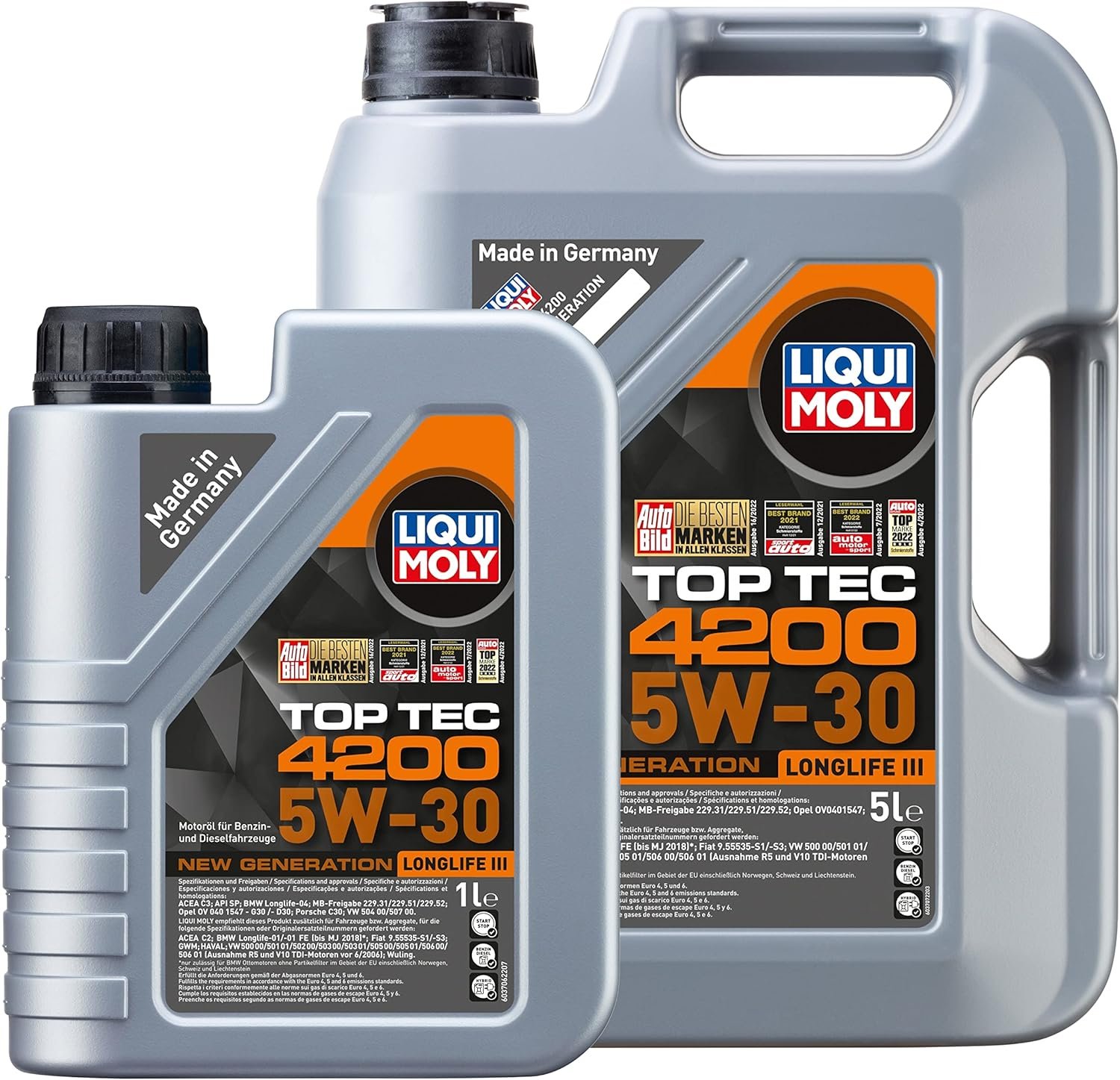
Best Value: Total Quartz INEO LongLife 5W-30 TotalEnergies’ VW-approved formula provides reliable DPF protection at a competitive price point. ACEA C3 performance with the low-SAPS chemistry VW 507 00 demands. Good availability across UK retailers. At £32-38 for 5 litres.
Oil Change Intervals
Volkswagen Official Recommendation:
- LongLife service: up to 18,600 miles (30,000 km) or 24 months
- Fixed service: 10,000 miles or 12 months
Recommended Practice: 10,000 miles or 12 months (fixed interval).
The Passat’s typical motorway-heavy usage pattern is closer to VW’s LongLife conditions than most diesel applications, but the oil pump shaft concern and DPF longevity both argue for more frequent changes. Fixed-interval servicing at 10,000 miles is the best balance of cost and protection.
Consider 8,000-mile intervals if:
- The car covers mixed urban/motorway driving
- Annual mileage exceeds 25,000 (multiple changes per year are normal)
- The vehicle has passed 80,000 miles
- Oil appears black and gritty at the 10,000-mile mark
Common Passat B8 2.0 TDI Problems Related to Oil
Oil Pump Drive Shaft Wear: Covered above. The single most consequential oil-related risk on the EA288 Passat. Preventive inspection at 50,000-60,000 miles is strongly recommended.
AdBlue System Failures: The SCR system uses AdBlue to reduce NOx emissions. Common failures include heater element malfunction in cold weather, crystallised urea in the injector, and NOx sensor degradation. These present as warning lights and limp mode. Not directly oil-related, but a healthy DPF (maintained by correct oil) reduces downstream load on the SCR.
Timing Belt Replacement: The EA288 uses a dry timing belt with a recommended replacement at 130,000 miles. Include the water pump and all tensioner components. Cost is typically £350-550 at an independent VW specialist.
Conclusion
The Volkswagen Passat B8 2.0 TDI requires SAE 5W-30 engine oil meeting ACEA C3 and VW 507 00, with a capacity of 4.7 litres including the filter. The Passat’s motorway-oriented character suits the EA288 diesel well, but the oil pump drive shaft risk demands awareness and the DPF’s longevity requires strict oil specification compliance.
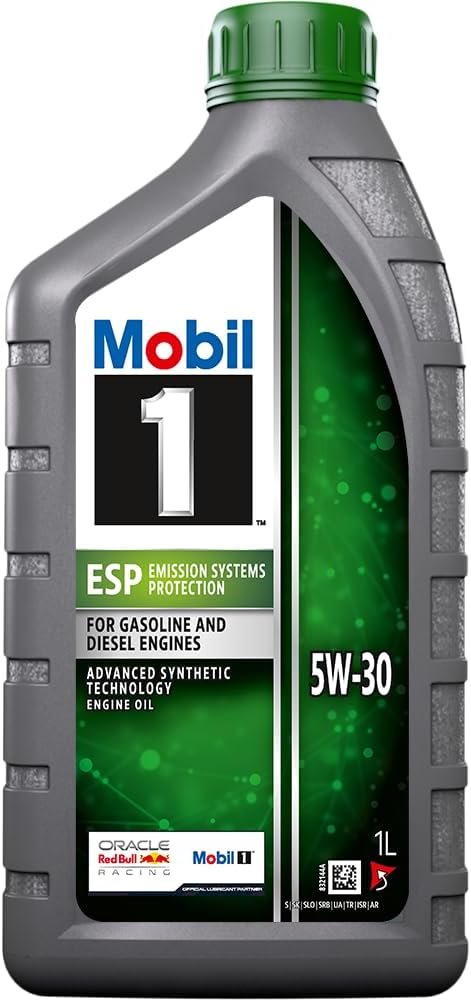
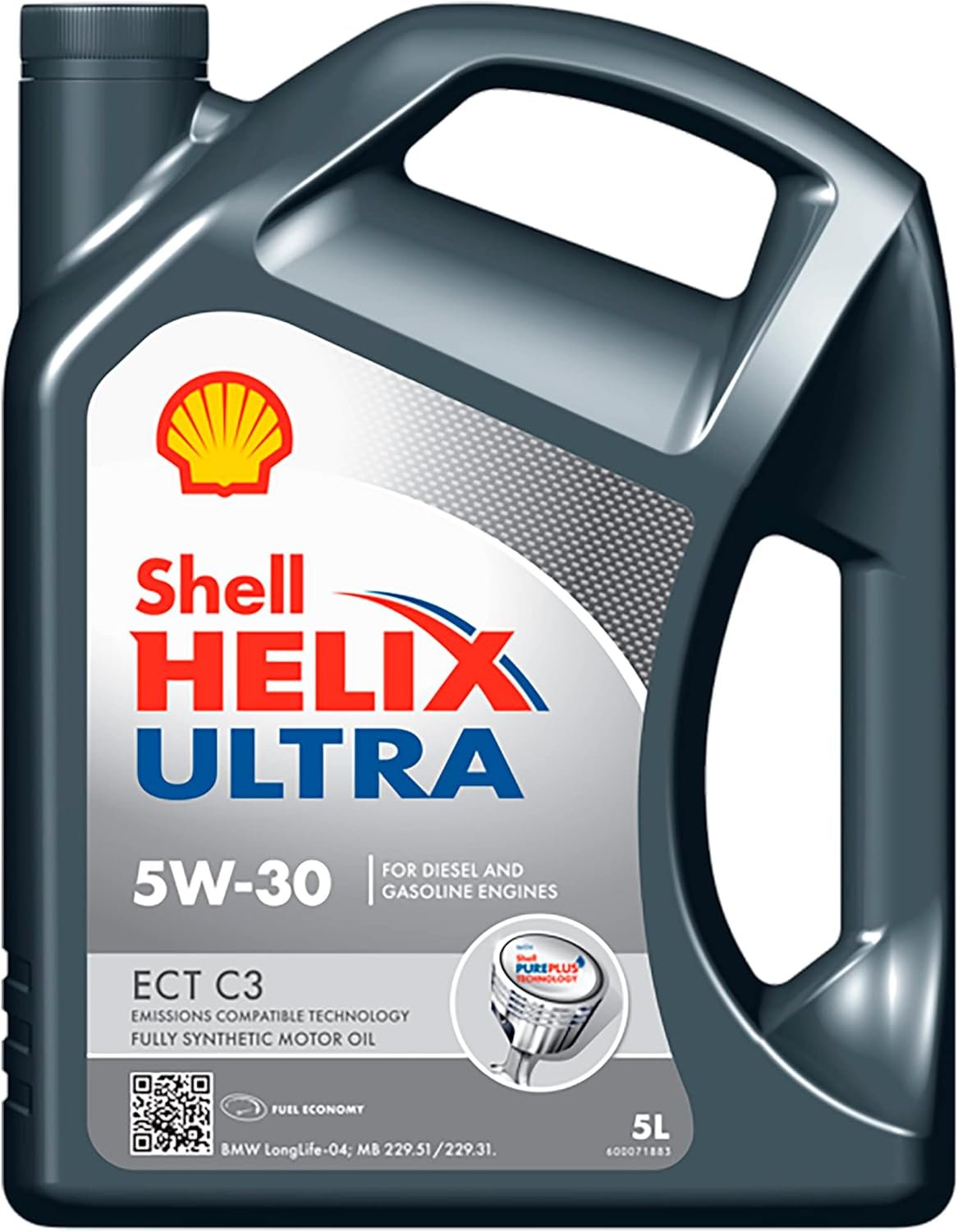
Castrol EDGE Professional LL III 5W-30 is the factory partner’s choice. Mobil 1 ESP Formula 5W-30, Shell Helix Ultra ECT C3 5W-30, and Total Quartz INEO LongLife 5W-30 are all VW 507 00-certified alternatives. Use fixed-interval servicing, investigate the oil pump shaft at 50,000-60,000 miles, and replace the timing belt on schedule. The Passat B8 TDI is a refined long-distance machine that rewards methodical maintenance with reliable, economical service.
Our Top Picks
As an Amazon Associate, we may earn from qualifying purchases. This doesn't affect our recommendations — we only suggest oils that hold the exact OEM approval for your engine.