 Oil-
Oil-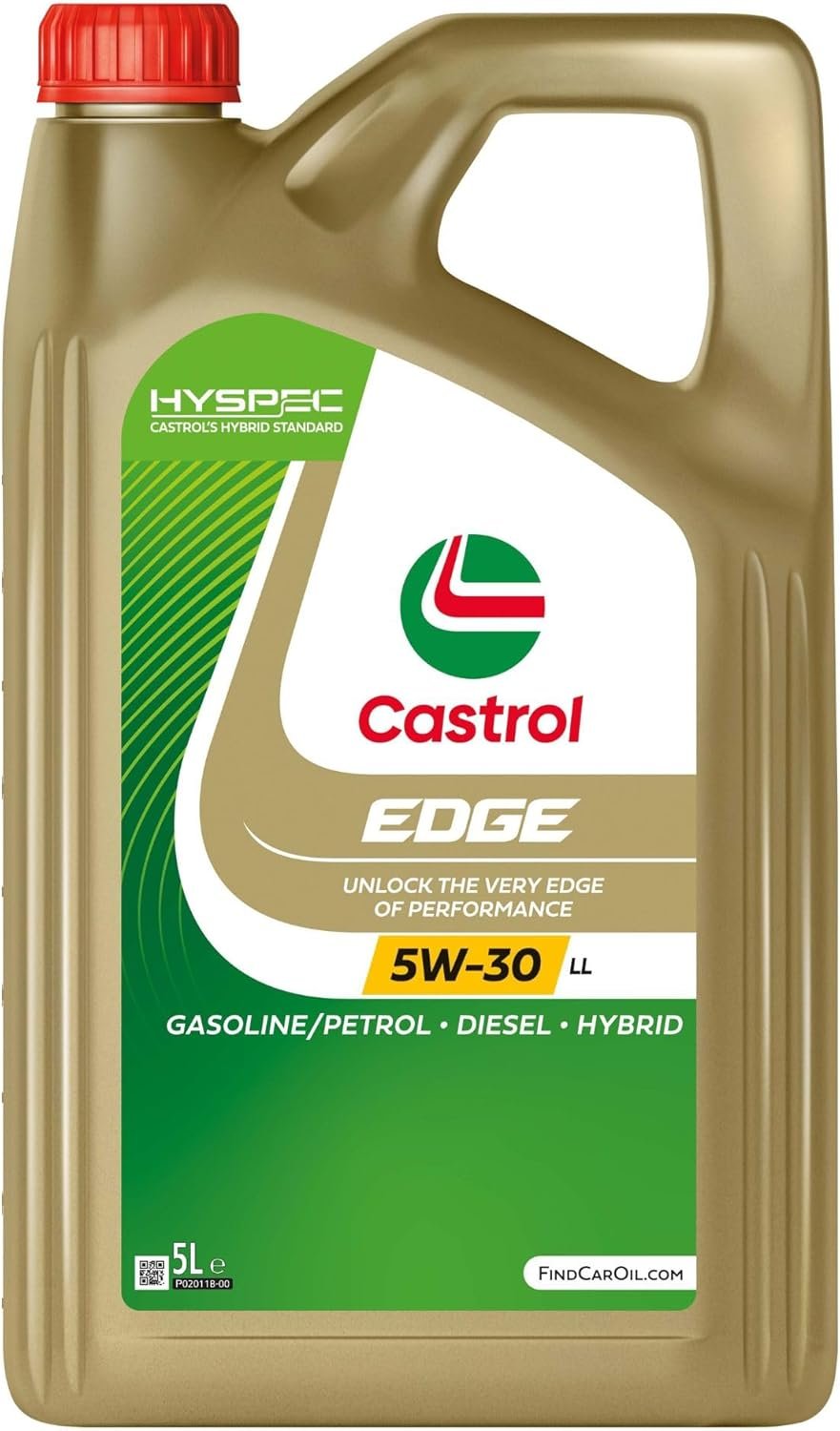
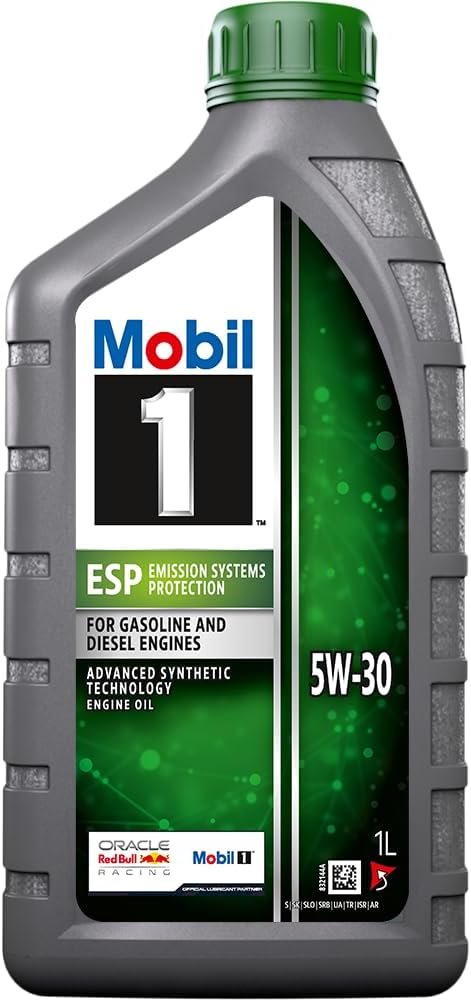
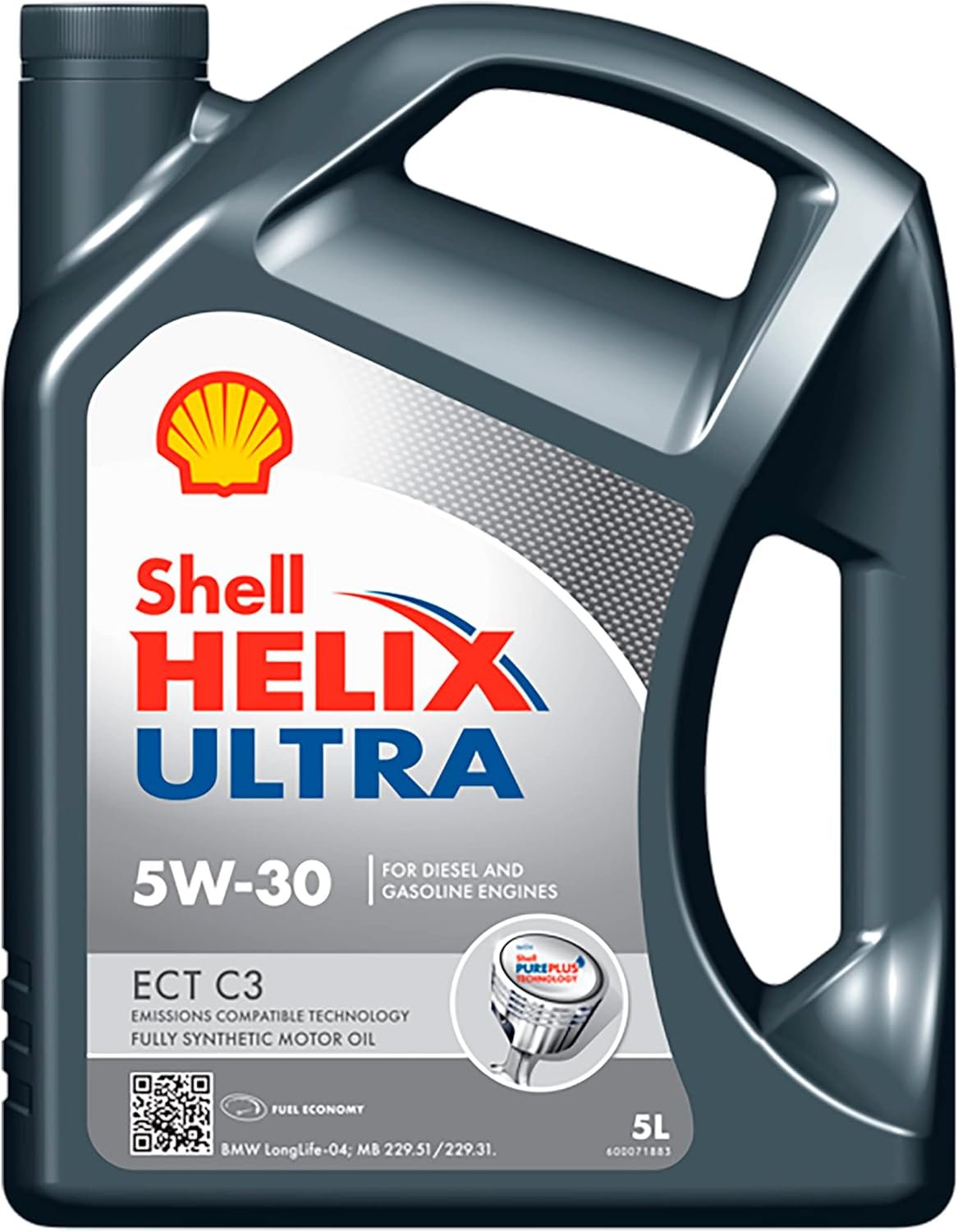
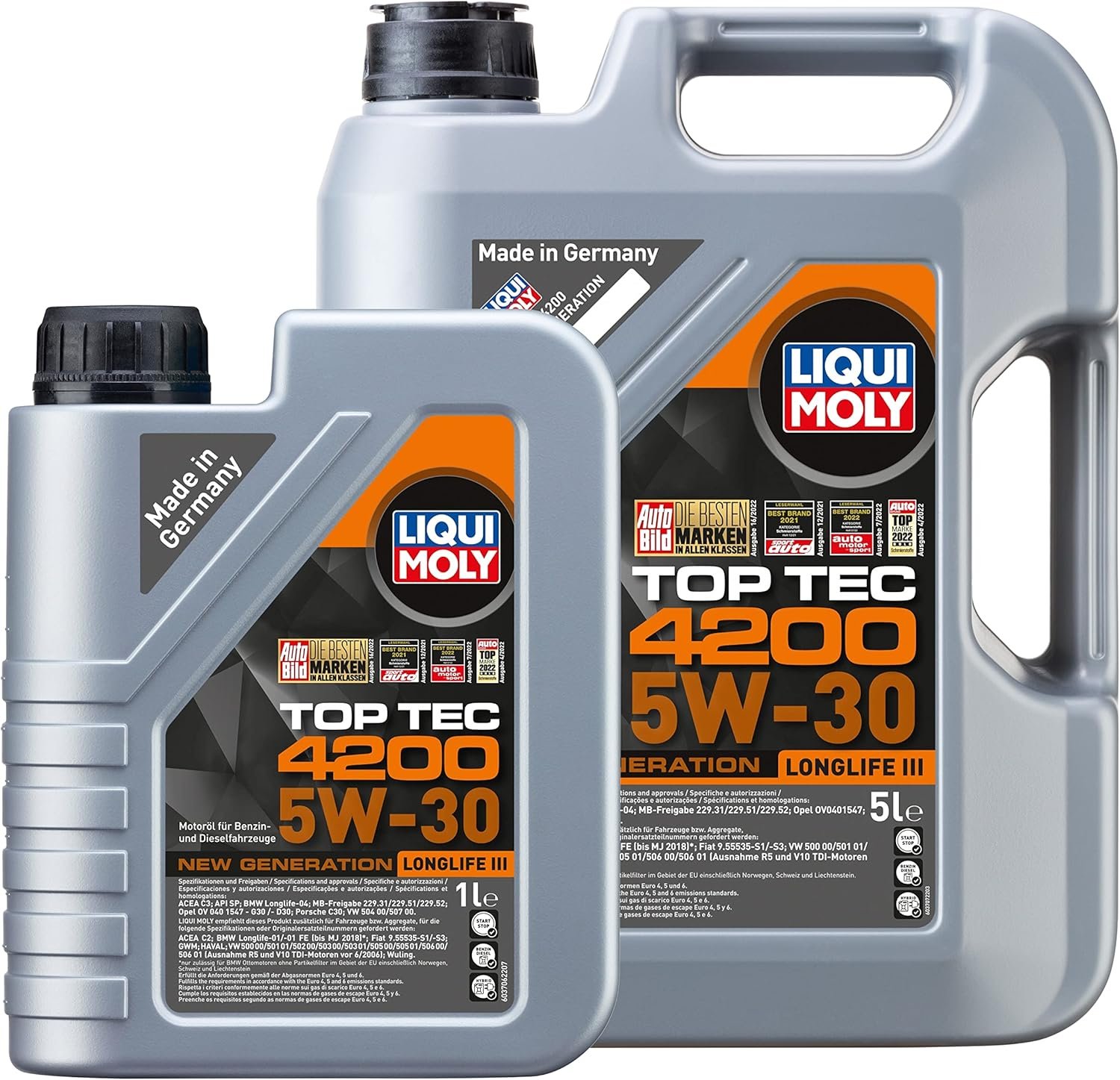
As an Amazon Associate, we may earn from qualifying purchases. This doesn't affect our recommendations — we only suggest oils that hold the exact OEM approval for your engine.
Best Engine Oil for VW Golf 5 2.0 TDI (140 hp) – BKD Engine Guide
The VW Golf 5 2.0 TDI with the BKD engine is one of the most widely sold diesel hatches of its era — and one of the most demanding when it comes to oil specification. Produced from 2003 to 2008 in the Mk5 Golf (chassis code 1K), the BKD is a Pumpe Düse (PD) unit. Unlike common-rail diesels, PD injection is driven mechanically by the camshaft, placing enormous and cyclical loads on cam lobes that no other diesel design replicates. Using the wrong oil — or delaying a service — is directly linked to the most expensive failure mode this engine faces: camshaft lobe destruction. Getting the specification right from day one is not optional with the BKD; it is the single most effective piece of preventive maintenance available to the owner.
Quick Answer: Recommended Oil
- Required specification: VW 507 00 / ACEA C3
- Primary viscosity: 5W-30 (Low-SAPS, long-life rated)
- Alternative viscosity: 0W-30 (same spec, better cold-start flow in very cold climates)
- Oil capacity (drain only): 3.8 litres
- Oil capacity (with filter): 4.3 litres
- Change interval: 10,000 miles maximum (see below — the factory 20,000-mile Longlife interval is not recommended for this engine)
The BKD Engine
The BKD is a 1,968 cc four-cylinder diesel built on the EA188 architecture. It shares its fundamental design with the BKC (105 hp) but runs a higher injection pressure and more aggressive cam profile to reach 140 hp and 320 Nm of torque. The same engine appears across the VAG group under the same code: Audi A3 8P, Skoda Octavia Mk2, and SEAT Leon Mk2 all use the BKD, making it one of the most cross-platform PD units Volkswagen ever produced.
The defining feature of the PD system is that each cylinder has its own high-pressure injection pump — the Pumpe Düse, or unit injector — activated directly by a dedicated lobe on the camshaft. This architecture eliminates the common-rail fuel system entirely and allows injection pressures above 2,000 bar, significantly higher than most common-rail systems of the same period. The result is excellent combustion efficiency and strong low-end torque, but the mechanical consequence is that the camshaft simultaneously drives valves and pumps eight times per revolution. Cam lobe stresses in PD engines are dramatically higher than in any conventional diesel.
The BKD also uses a tandem pump — a combined vacuum and fuel supply unit mounted at the rear of the camshaft. This unit relies on adequate oil pressure and lubrication to prevent seizure, and a failing tandem pump can disrupt oil flow to the cam lobes, accelerating wear. Variable geometry turbocharging (VGT) completes the specification, delivering brisk response without sacrificing fuel economy.
Understanding VW 507 00
VW 507 00 is the mandatory specification for the BKD engine. It is a mid-SAPS (mid sulphated ash, phosphorus and sulphur) formulation, a step above high-SAPS conventional diesel oils. The restriction on ash content matters here because the Golf 5 2.0 TDI is fitted with a diesel particulate filter (DPF) as standard from the factory. High-SAPS oils — even quality ones meeting older VW 505 01 — produce combustion ash that accumulates in the DPF far faster than the filter is designed to handle, shortening its service life significantly.
VW 507 00 oils must simultaneously satisfy ACEA C3. ACEA C3 is the European lubricant industry’s classification for low-SAPS oils designed for diesel engines with emission aftertreatment. It is more stringent than the older ACEA B4 or ACEA B5 categories that appear on many generic diesel oils.
Critically, VW 507 00 oils are fully compatible with extended drain use only in engines with the Longlife service indicator active. In the BKD, the 507 00 spec is essential regardless of service interval, but the interval itself should be shortened — see the Oil Change section below.
Do not substitute VW 505 01. Although 505 01 was the original specification for earlier PD engines (such as the 1.9 TDI ARL and older 1.9 PDTDIs), it is higher in SAPS content and not DPF-safe. VW 507 00 supersedes it for the BKD. Similarly, generic ACEA B3 or B4 oils must not be used — they do not meet the required additive chemistry to protect PD cam lobes adequately.
Technical Specifications
| Parameter | Specification |
|---|---|
| Engine code | BKD |
| Displacement | 1,968 cc |
| Layout | Inline-4, transverse |
| Valvetrain | SOHC, 8 valves |
| Injection system | Pumpe Düse (unit injectors) |
| Power output | 140 hp (103 kW) at 4,000 rpm |
| Torque | 320 Nm at 1,750–2,500 rpm |
| Compression ratio | 18.5:1 |
| Turbocharger | Variable geometry (VGT) |
| Oil capacity (no filter) | 3.8 litres |
| Oil capacity (with filter) | 4.3 litres |
| Required specification | VW 507 00 / ACEA C3 |
| Primary viscosity | 5W-30 |
| Alternative viscosity | 0W-30 |
Oil Change Intervals
Volkswagen programmed the BKD with Longlife service intervals — theoretically up to 20,000 miles (30,000 km) depending on the Variable Service Interval indicator. This interval was designed for ideal operating conditions, and the BKD in everyday use rarely meets those conditions.
The PD camshaft issue is strongly correlated with extended drain intervals. As oil ages, its anti-wear additive package — particularly the ZDDP (zinc dialkyldithiophosphate) content — depletes. Once the additive is exhausted, boundary lubrication at the cam lobe–follower interface degrades rapidly. The high contact stress of the PD system means wear can progress from normal to severe within a single extended drain cycle.
The recommendation across specialist workshops and the VAG owners’ community is to change oil every 10,000 miles (15,000 km) or annually, whichever comes first. Under mixed city/short-journey use or towing, 7,500 miles (12,000 km) is more appropriate. The additional cost of more frequent oil changes is negligible compared to a camshaft replacement, which requires removing the cylinder head and typically runs to several thousand pounds in parts and labour.
Why Correct Oil Matters for the BKD
The Pumpe Düse camshaft operates under Hertzian contact stresses that can exceed the load-carrying capacity of a conventional diesel oil film. At the peak of each injection event, the cam lobe presses directly against a hardened roller follower with forces measured in kilonewtons. The oil film separating these surfaces is microns thick. If the film breaks — due to depleted additives, incorrect viscosity, or contaminated oil — metal-to-metal contact begins immediately.
ACEA C3 / VW 507 00 oils are formulated with an anti-wear additive package scaled to survive these conditions at 5W-30 viscosity. Thinner oils (e.g. 0W-20, common in modern engines) do not maintain sufficient film thickness at operating temperature for the PD valvetrain. Thicker oils (e.g. 10W-40) may not flow quickly enough at cold start, when the cam lobes are most vulnerable before full oil pressure builds.
The DPF also depends on correct oil chemistry. A plugged DPF raises exhaust backpressure, which increases soot and oil contamination rates, which in turn accelerates additive depletion — a cycle that reinforces itself when the wrong oil is used.
Common BKD Problems Related to Oil
Camshaft lobe and follower wear is the defining failure of the PD generation. The lobes that actuate the unit injectors wear first, typically presenting as rough running, increased noise from the cylinder head, and a characteristic rattle at idle that worsens under light load. Inspection of the cam follower — accessible without removing the cam — is the standard diagnostic first step. Early wear appears as pitting or flattening of the follower face; advanced wear can see the lobe grind through the follower entirely, causing misfires and rough running.
Volkswagen and the aftermarket addressed this with a revised follower design using a modified alloy and improved surface treatment. Fitting a genuine or upgraded follower alongside a quality 507 00 oil and a reduced change interval is the established fix for owners who want to prevent recurrence. If wear is found early, the camshaft itself is often salvageable; if the lobe is heavily worn, the camshaft must be replaced.
Tandem pump failure is the second oil-dependent failure mode. The tandem pump provides vacuum for the brake servo and fuel feed pressure. It is driven off the rear of the camshaft and lubricated by engine oil. When it fails, loss of brake servo assistance is the immediate safety consequence; the secondary effect is disrupted oil delivery to the camshaft area, which accelerates lobe wear. Any signs of hard braking pedal should be investigated immediately.
DPF blockage commonly traces back to incorrect oil or exclusively short-distance driving. A partially blocked DPF forces the engine into passive or active regeneration more frequently, raising oil dilution from unburned fuel entering the sump — another reason to hold to the shorter change interval.
Conclusion
The VW Golf 5 2.0 TDI BKD is an excellent diesel engine with strong performance and widespread parts availability — but it demands respect in the service bay. Use only a VW 507 00 / ACEA C3 compliant 5W-30 oil, keep changes to a maximum of 10,000 miles, and inspect the unit injector cam followers at each service. These three steps address the root cause of the vast majority of serious BKD failures. Done consistently, they keep one of the VAG group’s most characterful PD diesels running well past 200,000 miles.
Sources:
- PD Camshaft Wear 101 – Everything You Need to Know
- Camshaft lobe lifter wear on VW Audi TDI PD engine and replacement DIY
- Golf Mk5 2.0tdi BKD engine problem
Our Top Picks
As an Amazon Associate, we may earn from qualifying purchases. This doesn't affect our recommendations — we only suggest oils that hold the exact OEM approval for your engine.