 Oil-
Oil-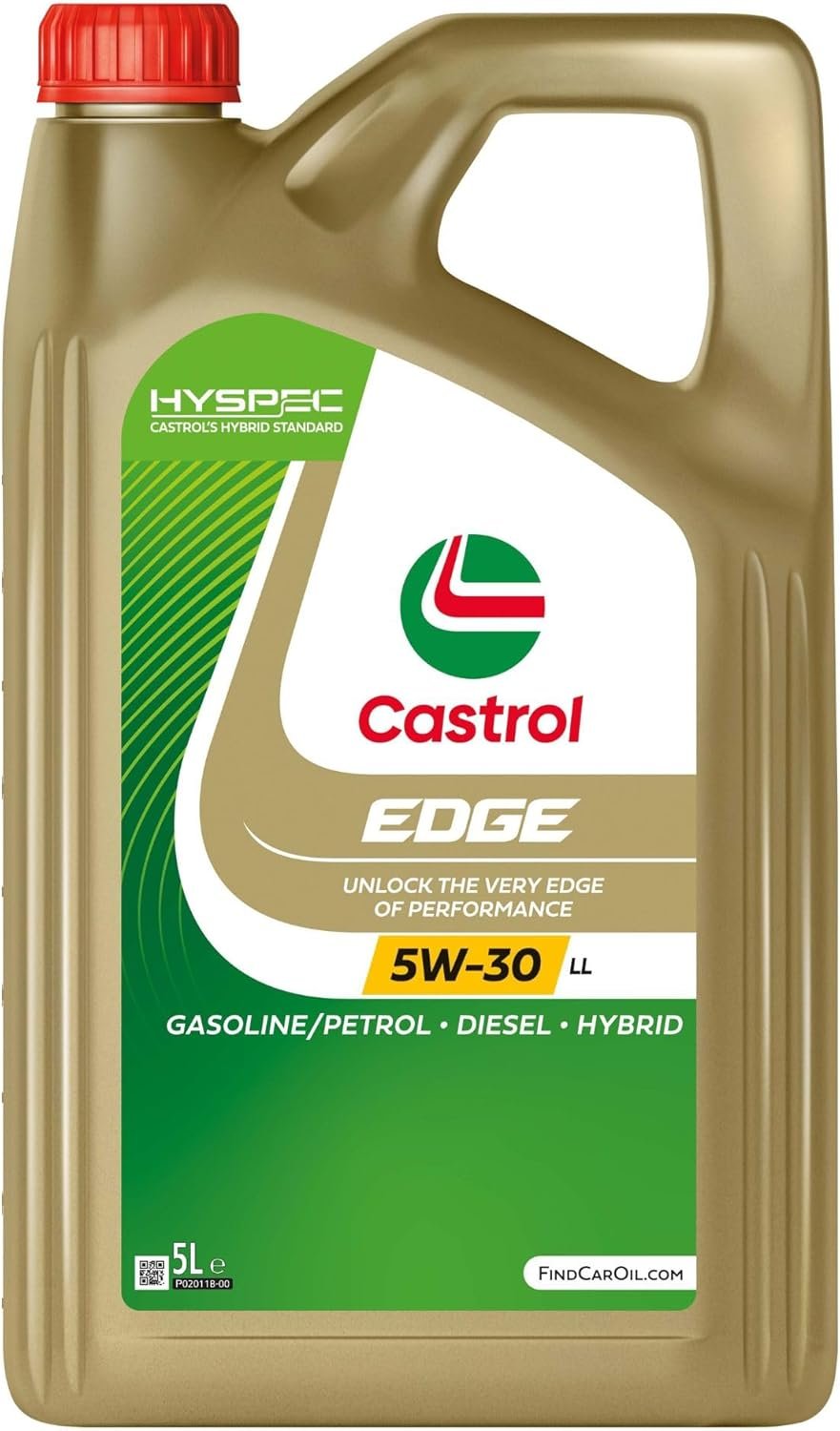
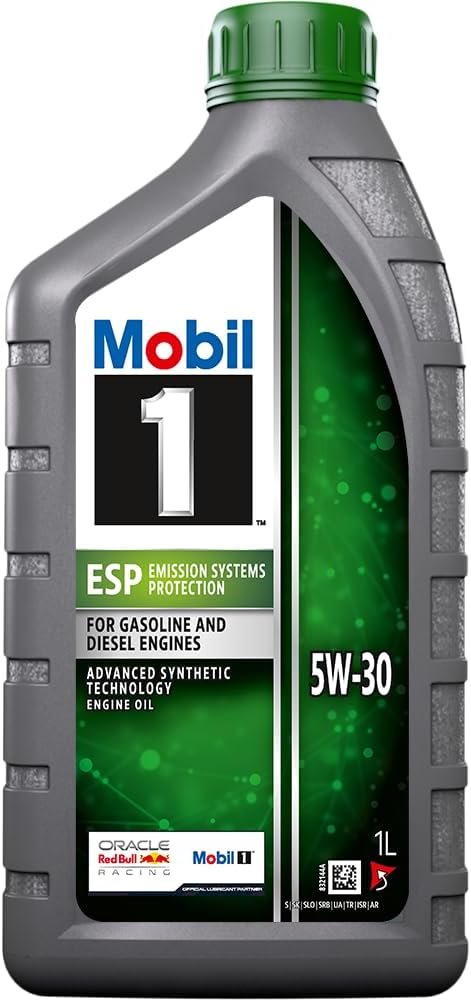
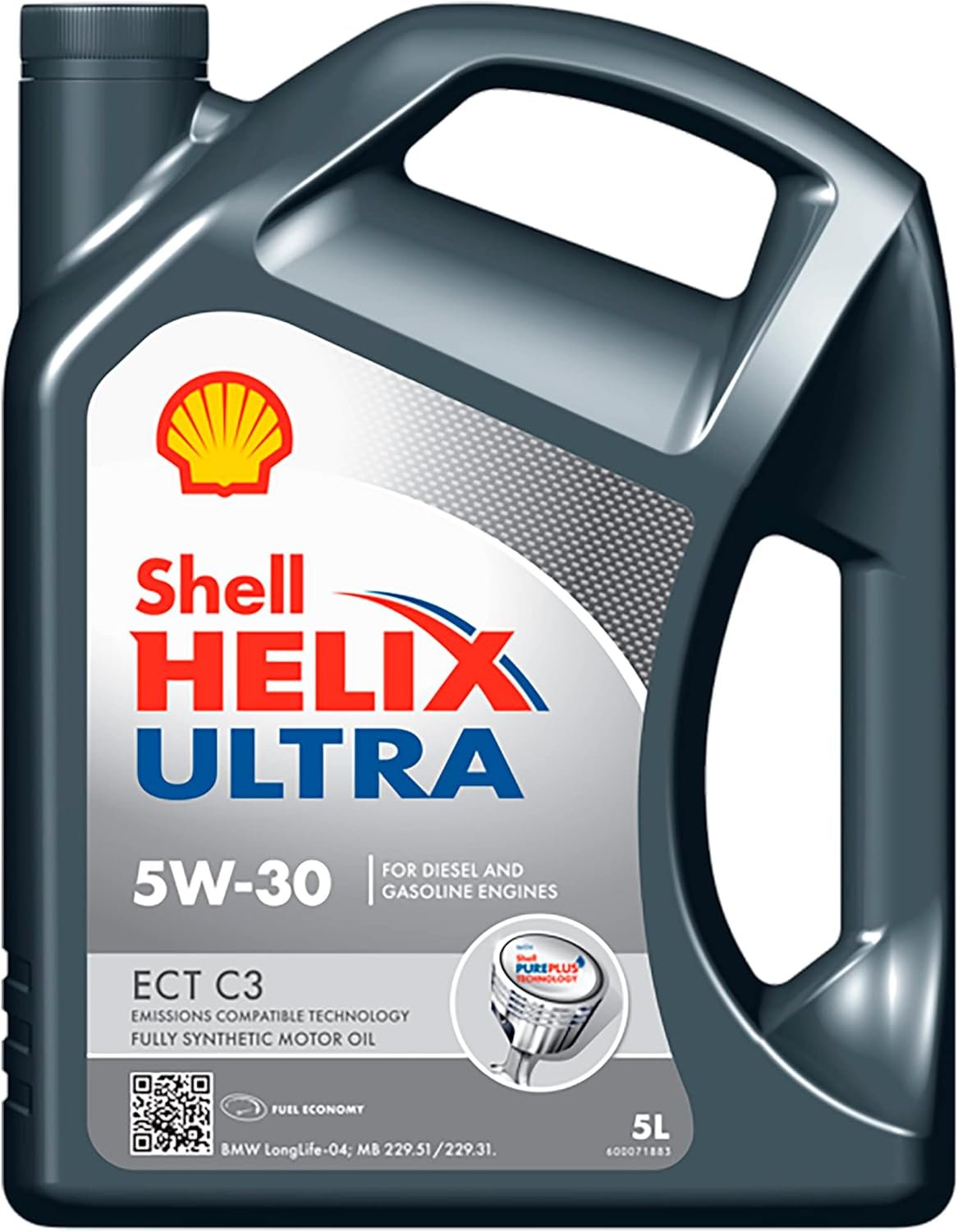
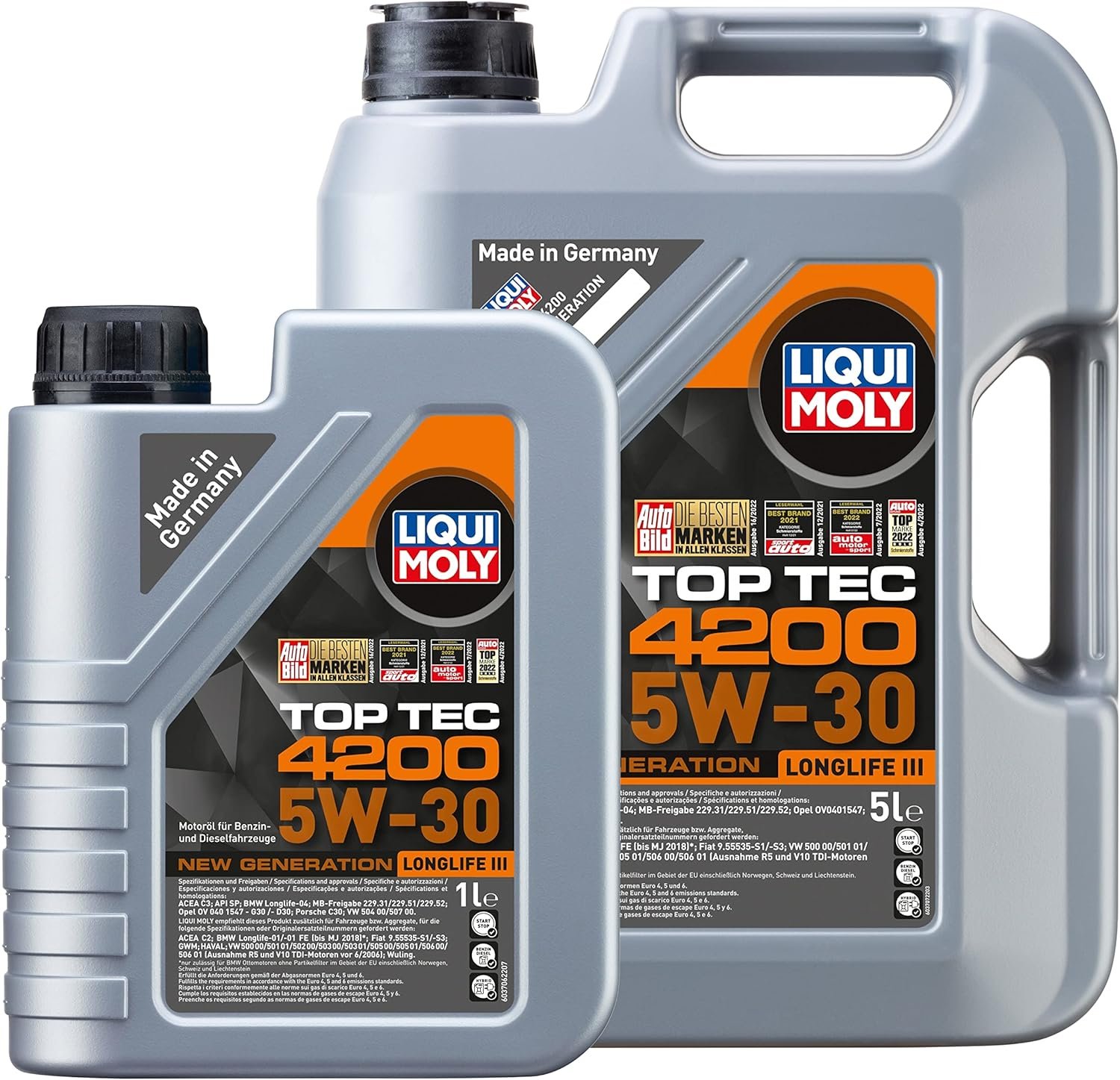
As an Amazon Associate, we may earn from qualifying purchases. This doesn't affect our recommendations — we only suggest oils that hold the exact OEM approval for your engine.
Best Engine Oil for VW Golf 7 1.6 TDI (105/110 hp)
The Volkswagen Golf 7 1.6 TDI (5G, 2012–2020) carries the EA288 engine — the successor to the EA189 1.6 TDI that became publicly notorious during the 2015 Dieselgate emissions scandal. The EA288 is a distinct, ground-up redesign rather than a revised EA189, and it carries a meaningfully improved reputation among independent diesel specialists. Understanding what changed between the two generations, and what the correct oil specification is for the EA288, provides a clear picture of what long-term Golf 7 1.6 TDI ownership requires.
Quick Answer: Recommended Oil
- Specification: VW 507 00 (primary), ACEA C3, 5W-30
- Alternative: VW 504 00 / 0W-30 ACEA C3 (where 507 00 is unavailable)
- Oil capacity with filter: 4.6 litres
- Oil capacity without filter: approx. 4.3 litres
The EA288: What Changed from EA189
Both the EA189 and EA288 share a 1,598 cc displacement with identical bore × stroke (79.5 mm × 80.5 mm), but the EA288 is a substantially different engine internally:
The most visible change in practice is the dual-loop EGR system. The EA189 used only high-pressure EGR — routing hot, soot-laden exhaust gases directly into the intake manifold. This caused the heavy carbon fouling that made the EA189 1.6 TDI notorious for inlet swirl flap and EGR valve deposits. The EA288 adds a low-pressure EGR circuit alongside the HP-EGR: the LP-EGR takes cooled, DPF-filtered exhaust gas from downstream of the particulate filter and reintroduces it into the intake at low and medium loads. This gas is cleaner and cooler, producing significantly less carbon deposit than the old HP-only system.
The injection system has also been upgraded to third-generation common-rail at up to 1,800 bar (vs ~1,600 bar on EA189). The variable-geometry turbocharger actuator is now electronic rather than vacuum-operated — a meaningful reliability improvement, as the EA189’s vacuum VGT actuator was a common failure point.
Power output on the Golf 7 is 105 hp (CLHA) or 110 hp (CRKB). The two codes represent a software revision rather than mechanical difference.
VW 507 00 vs VW 504 00 — Why the Distinction Matters
For the Golf 7 1.6 TDI, VW specifies 507 00 as the primary norm. The difference between 507 00 and 504 00 is important:
VW 507 00 maps to ACEA C3 mid-SAPS: sulphated ash ≤ 0.8%. This is the low-ash specification required for DPF-equipped engines. All Golf 7 1.6 TDI variants are DPF-equipped; the DPF accumulates ash from oil additives as part of normal operation. High-ash oil (504 00 maps to ACEA A3/B4/B3) generates more incombustible ash per kilometre driven, shortening DPF service life.
VW 504 00 is listed as an alternative where 507 00 is unavailable, but it should not be used as the default choice. 504 00’s higher sulphated ash accelerates DPF loading over time — acceptable for an emergency fill, not for routine servicing.
Technical Specifications
| Specification | Value |
|---|---|
| Displacement | 1,598 cc |
| Layout | 4-cylinder inline, turbodiesel |
| Engine codes | CLHA (105 hp) / CRKB (110 hp) |
| Power / Torque | 105–110 hp / 250 Nm |
| Bore × stroke | 79.5 mm × 80.5 mm |
| Injection system | Common-rail, ~1,800 bar |
| Timing system | Timing belt — replacement due at 210,000 km / 4 years |
| EGR | Dual-loop: HP-EGR + LP-EGR |
| Turbocharger | VGT with electronic actuator |
| Oil capacity (with filter) | 4.6 litres |
| Oil capacity (without filter) | approx. 4.3 litres |
| Recommended viscosity | 5W-30 |
| Alternative viscosity | 0W-30 |
| VW OEM norm | VW 507 00 (primary) / VW 504 00 (alternative) |
| ACEA classification | C3 |
Timing Belt: The Critical Maintenance Item
The EA288 1.6 TDI uses a timing belt, not a chain. VW specifies belt replacement at 210,000 km or 4 years — an extended interval reflecting improved tensioner design. However, vehicles produced before October 2016 were subject to a VW service action for timing belt tensioner contamination: sand or debris ingress through the belt cover could cause premature tensioner failure and belt jump. Any pre-October 2016 Golf 7 1.6 TDI should have its service history checked to confirm this work was completed.
The engine is an interference design — a belt failure results in bent valves and significant engine damage. Independent specialists commonly recommend 150,000 km as a practical belt replacement interval for high-mileage or unknown-history examples.
Oil Change Intervals
VW’s Flexible Service System can extend oil changes to 30,000 km under ideal conditions — widely considered excessive for a 1.6 TDI in UK use. The recommended real-world interval is 10,000–15,000 km or 12 months, with the shorter limit applied to urban/short-trip use.
The LP-EGR’s cleaner exhaust gas does not eliminate carbon buildup — it reduces it. Degraded oil at the end of an extended interval contributes additional deposits. Annual oil changes also protect the VGT electronic actuator bearings and the fuel pump.
Common Golf 7 1.6 TDI Problems
EGR and LP-EGR fouling: Significantly less severe than on the EA189, but still a maintenance item. The LP-EGR cooler handles DPF-filtered exhaust gas — carbon deposit accumulation is slower but progressive. Periodic motorway driving at sustained speeds reduces deposit accumulation.
DPF soot loading: Short urban trips prevent passive regeneration. Regular 20–30 minute motorway runs are necessary maintenance for Golf 7 TDI drivers in urban areas — not optional.
Timing belt tensioner (pre-October 2016): Service action completion should be verified in the service record of any pre-October 2016 example. Post-October 2016 production uses a revised tensioner assembly.
Fuel pump wear: A small number of EA288 units have shown early high-pressure fuel pump wear — linked to low-lubricity fuel (prevalent in some UK markets). Quality diesel fuel and regular oil changes reduce this risk.
Conclusion
The VW Golf 7 1.6 TDI EA288 is a genuine improvement over the EA189 it replaced — cleaner combustion, more reliable VGT actuation, and significantly less EGR fouling thanks to the dual-loop LP-EGR design. VW 507 00 5W-30 ACEA C3 is the correct oil, protecting the DPF from ash overloading and the VGT from soot deposits. Check the timing belt tensioner service action on pre-October 2016 cars, maintain the belt on schedule, and use 15,000 km annual intervals rather than the Flexible Service long-drain schedule for reliable long-term ownership.
Our Top Picks
As an Amazon Associate, we may earn from qualifying purchases. This doesn't affect our recommendations — we only suggest oils that hold the exact OEM approval for your engine.