 Oil-
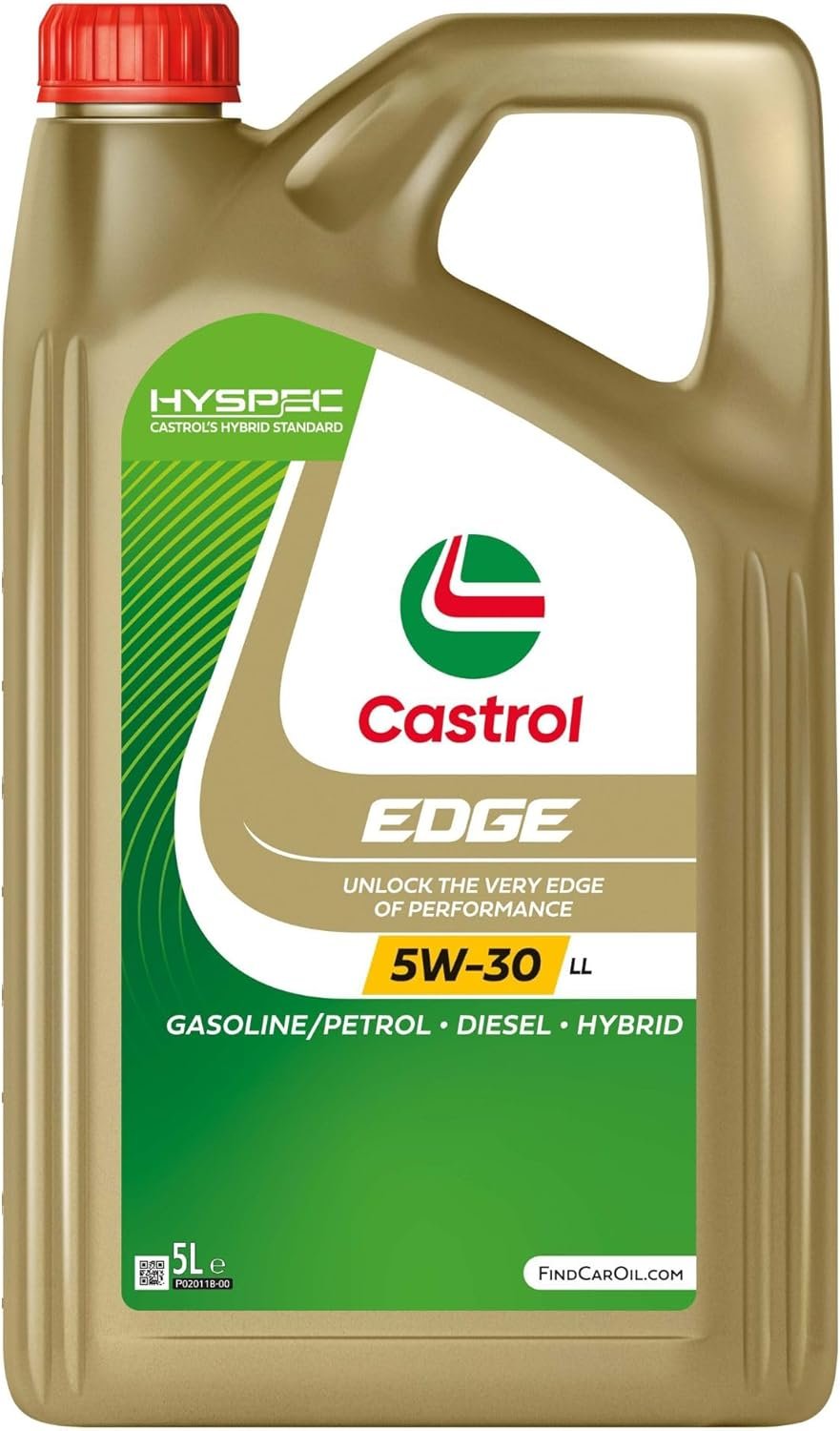
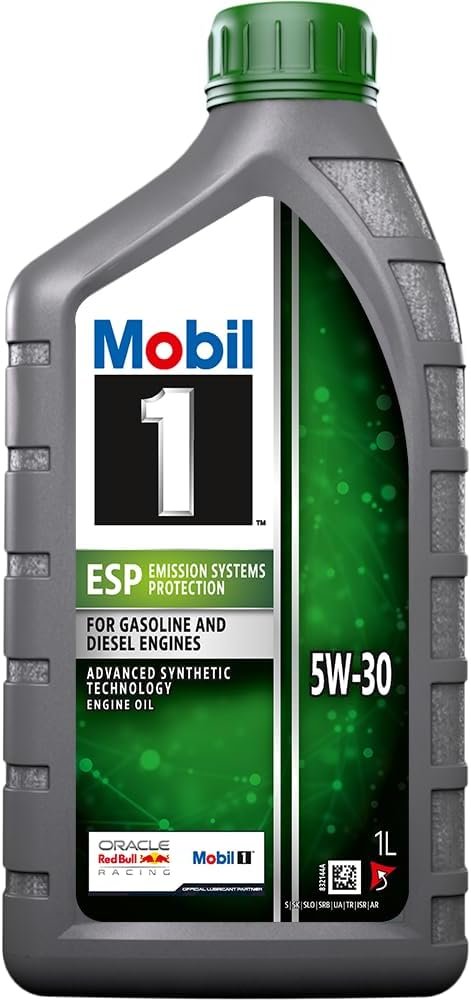
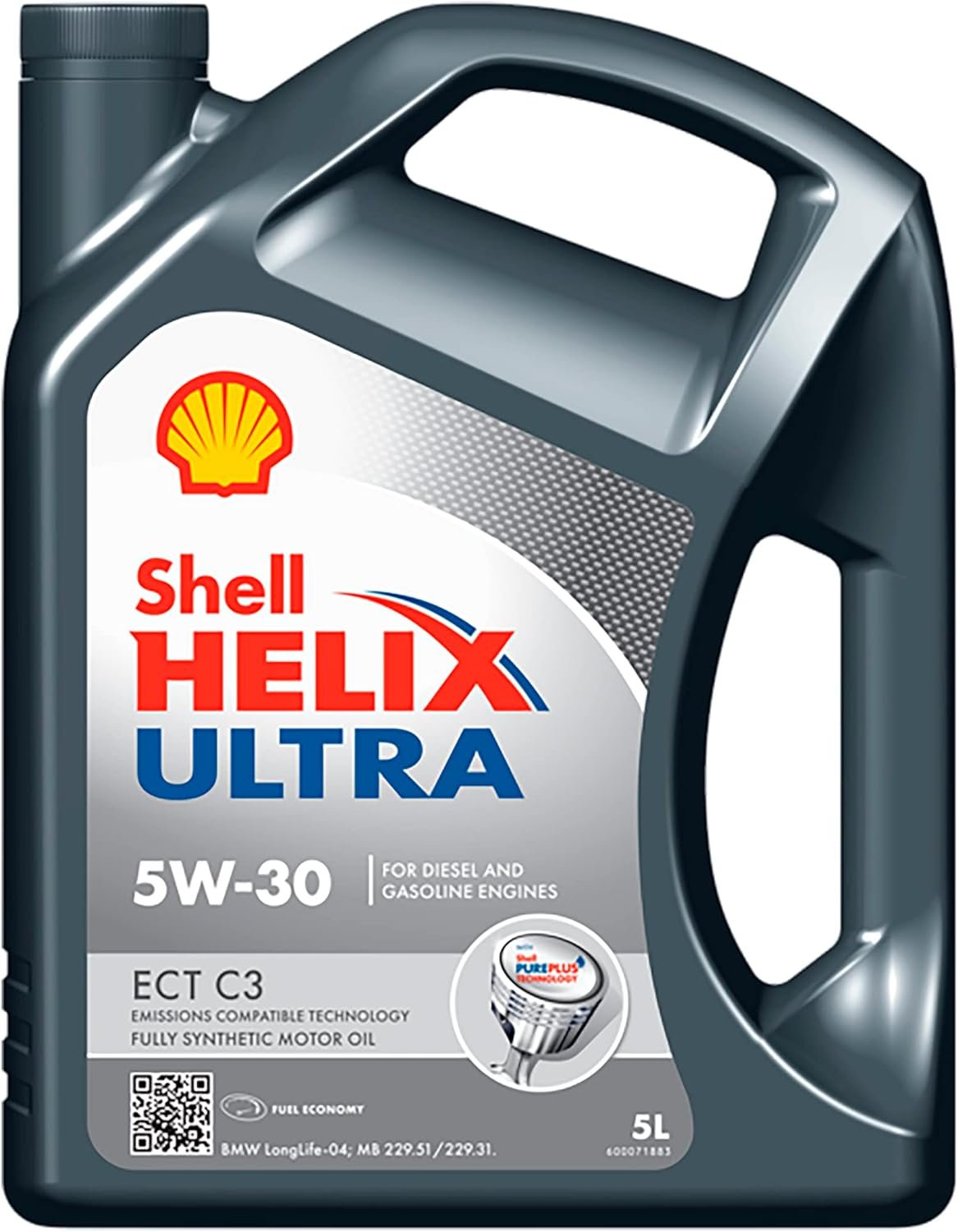
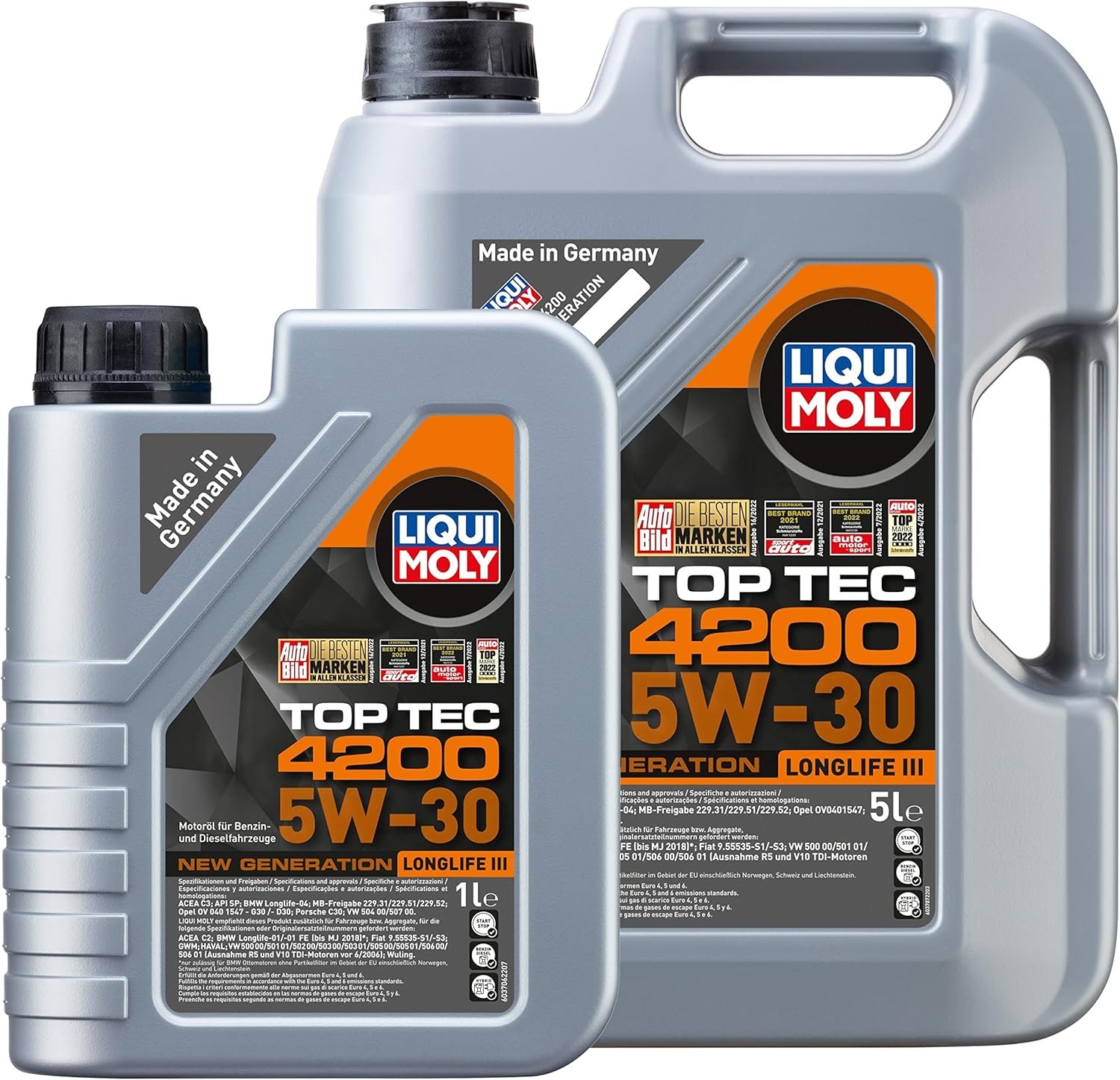
As an Amazon Associate, we may earn from qualifying purchases. This doesn't affect our recommendations — we only suggest oils that hold the exact OEM approval for your engine.
Best Engine Oil for VW Beetle 5C 1.2 TSI (105 hp)
The Volkswagen Beetle 5C is the New Beetle’s successor — a more driver-oriented interpretation of the original design, lower and wider than its predecessor, built on the PQ35 platform shared with the Golf Mk6. Produced from 2011 to 2019, the 5C Beetle shares powertrains with VAG Group’s mainstream range, and the 1.2 TSI CBZB is one of the most common engine choices in UK examples.
The CBZB is a 1,197cc inline-four turbocharged petrol engine from the EA111 family, producing 105 hp. Despite the Beetle’s distinctive retro styling, there is nothing retrograde about its engine specification requirements — the CBZB requires current Low SAPS chemistry to protect its catalytic converter, and the oil capacity and change intervals follow standard VAG petrol TSI conventions.
Quick Answer: Recommended Oil
- Specification: VW 504 00, ACEA C3
- Primary viscosity: 5W-30
- Alternative viscosity: 0W-30 (approved, valid year-round in UK)
- Capacity with filter change: 4.0 litres
- Capacity without filter change: 3.6 litres
VW 504 00 is the VAG Group specification for this generation of turbocharged petrol engines. The CBZB does not require the higher-grade VW 507 00 (which is reserved for diesel engines with DPFs), but it does require the Low SAPS chemistry of 504 00 to protect the three-way catalytic converter.
The CBZB Engine
The CBZB is part of Volkswagen’s EA111 engine family, sharing its block architecture with the CBZA (90 hp) variant. At 1,197cc with a single turbocharger, direct injection, and Variable Valve Timing (VVT) on the intake camshaft, the CBZB delivers 105 hp at 4,800–5,500 rpm and 175 Nm from 1,500–4,100 rpm.
The EA111 1.2 TSI is a technically interesting engine for its class. It was among the first mainstream turbocharged 1.2-litre four-cylinders when it debuted in 2009, achieving fuel economy of around 40–45 mpg in real-world driving while providing performance that larger-displacement naturally aspirated engines of the era struggled to match in urban conditions.
The CBZB uses a timing chain (not a belt), reducing maintenance requirements compared to older VW engines. The turbocharger is relatively small and positioned close to the exhaust manifold, contributing to rapid spool and minimal turbo lag for an engine of this displacement.
In the Beetle 5C, the CBZB is mounted transversely and drives the front wheels, identical to its fitment in the Golf 6 and Polo. The engine installation is conventional VAG Group PQ35 architecture.
Understanding VW 504 00
The CBZB’s oil specification falls within Volkswagen Group’s Low SAPS petrol engine tier:
| Specification | Application | ACEA | SAPS |
|---|---|---|---|
| VW 502 00 | Older petrol, no DPF, no cat | A3/B4 | Full SAPS |
| VW 504 00 | Modern petrol TSI, three-way cat | C3 | Low SAPS |
| VW 507 00 | Modern diesel, DPF-equipped | C3 | Low SAPS |
| VW 509 00 | EA288 evo diesel, ultra-low friction | C5 | Low SAPS |
Why Low SAPS for a petrol engine? The three-way catalytic converter (TWC) on modern petrol engines is sensitive to phosphorus and sulphur compounds in engine oil. These compounds originate from the anti-wear and antioxidant additives (primarily ZDDP) in conventional “Full SAPS” oils. Over time, phosphorus and sulphur deposit on the catalyst substrate, reducing its efficiency at converting hydrocarbons, carbon monoxide, and NOx. Low SAPS (504 00) oils reduce these compound concentrations to protect the catalyst’s effectiveness over the engine’s service life.
Technical Specifications
| Parameter | Value |
|---|---|
| Displacement | 1,197 cc |
| Configuration | Inline-4, transverse |
| Bore × Stroke | 71.0 × 75.6 mm |
| Compression ratio | 9.5:1 |
| Power | 77 kW / 105 hp @ 4,800–5,500 rpm |
| Torque | 175 Nm @ 1,500–4,100 rpm |
| Turbocharger | Single turbo + intercooler |
| Fuel system | GDI (direct injection) |
| Valve timing | VVT intake camshaft |
| Timing drive | Chain |
| Emissions | Euro 5 |
| Oil specification | VW 504 00 |
| Viscosity | 5W-30 |
| ACEA | C3 |
| Oil capacity (with filter) | 4.0 litres |
Oil Change Intervals
The VW Beetle 5C 1.2 TSI CBZB uses VAG’s service indicator system, which may display intervals up to 30,000 km (18,600 miles) or 24 months with Longlife VW 504 00 rated oil.
UK independent specialists typically recommend:
- 12,000 miles or 12 months for standard mixed driving
- Annual changes for cars covering under 6,000 miles per year, where condensation and short-trip contamination argue for time-based rather than mileage-based intervals
For a Beetle primarily used as urban or commuter transport — which represents many UK 5C examples — annual oil changes are sensible regardless of the displayed service interval, as short trips and frequent cold starts degrade oil through condensation accumulation faster than mileage alone indicates.
Why Correct Oil Matters on the Beetle 1.2 TSI
Turbocharger lubrication: The small EA111 turbocharger spins to high rpm quickly in urban driving. The 5W-30’s cold-flow performance ensures oil reaches the turbo journal bearings within the first few seconds of operation. Thick-grade or high-viscosity oils at cold start delay this coverage and create the conditions for premature bearing wear.
Catalyst protection in urban stop-start: Urban Beetle use involves frequent engine starts, extended low-load running, and combustion conditions that challenge the three-way catalyst. Using correct Low SAPS 504 00 oil preserves the catalyst’s light-off temperature characteristics over time, maintaining emissions compliance and fuel economy.
VVT solenoid cleanliness: The intake VVT system on the CBZB uses oil-pressure-actuated solenoid valves. Oil degradation and sludging can reduce solenoid response accuracy, causing hesitation and rough idle. Short oil change intervals on urban-use cars specifically combat this.
Common Beetle 5C 1.2 TSI Problems
Timing chain stretch (high mileage): The EA111’s simplex timing chain is generally reliable up to 80,000–100,000 miles on regular oil change regimes, but high-mileage examples with extended intervals can exhibit cold-start rattle from the chain area. This indicates chain stretch or tensioner wear. The chain is front-mounted and accessible, making replacement a realistic workshop job. Early diagnosis: light ticking on cold start, clears in 30–60 seconds.
Coolant system leaks: The 1.2 TSI has a documented tendency toward coolant leaks, often at the plastic thermostat housing and water pump. These are not oil-related but can cause overheating — which rapidly degrades engine oil quality if not addressed. Monitor coolant level regularly and investigate any sweet smell from the engine bay.
GDI intake valve deposits: Direct injection means intake valves are not fuel-washed on the induction stroke. Carbon deposits accumulate on valve stems and seat faces over time, typically becoming symptomatic around 60,000–80,000 miles. Symptoms: rough idle, hesitation at low throttle, reduced fuel economy. Treatment: professional intake cleaning or walnut blasting.
Oil consumption on higher mileages: Some EA111 1.2 TSI examples develop oil consumption at higher mileages (120,000+ miles). This is normal wear-related behaviour rather than a structural defect in most cases. Monitor oil level between services and top up as needed with the same VW 504 00 specification.
Conclusion
The VW Beetle 5C 1.2 TSI CBZB requires VW 504 00 approved 5W-30 (ACEA C3). Fill to 4.0 litres with a filter change.
For primarily urban or mixed use, 12,000 miles or annual changes is the practical recommendation. The CBZB is a capable and durable small turbocharged petrol engine — it powers millions of VAG Group vehicles across multiple model lines and is well-understood by independent specialists. Correct oil specification and regular changes are all it needs to deliver long, reliable service in the Beetle’s distinctive package.
Sources: Volkswagen AG VW 504 00 specification, EA111 engine technical documentation, VW Beetle 5C owner’s manual (UK edition), UltimateSpecs VW Beetle 5C database, VW ETKA engine specification data.
Our Top Picks
As an Amazon Associate, we may earn from qualifying purchases. This doesn't affect our recommendations — we only suggest oils that hold the exact OEM approval for your engine.