 Oil-
Oil-
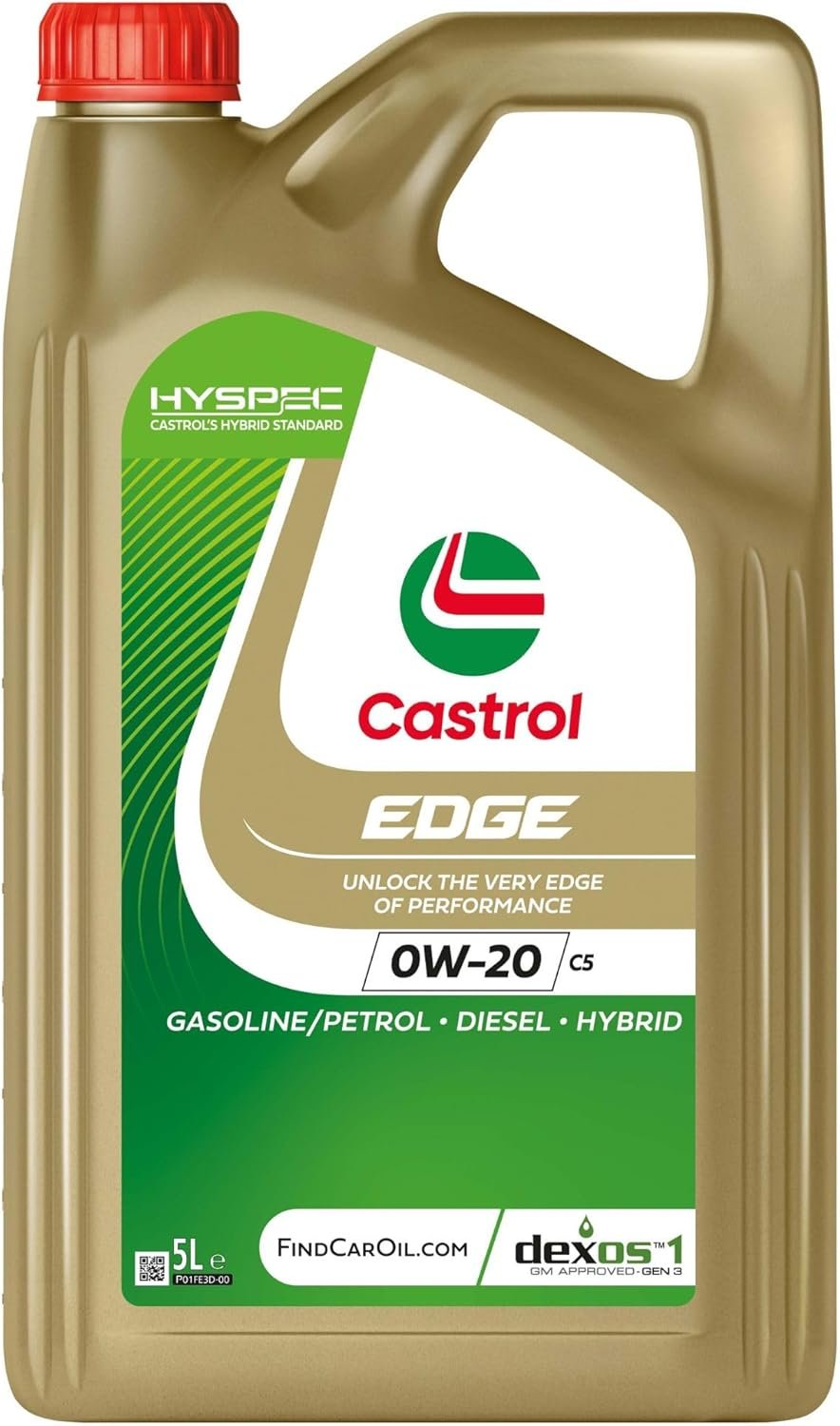
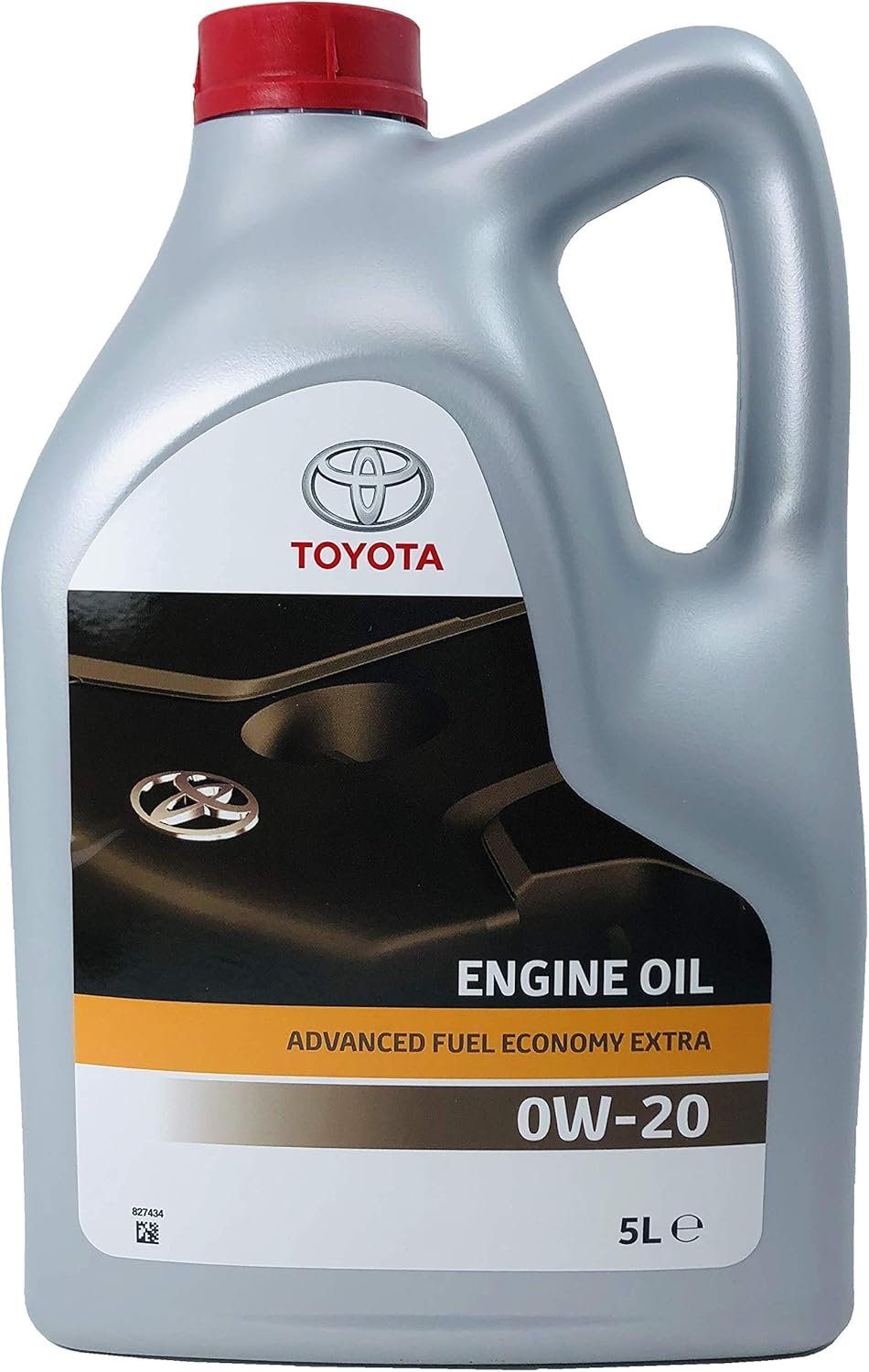
As an Amazon Associate, we may earn from qualifying purchases. This doesn't affect our recommendations — we only suggest oils that hold the exact OEM approval for your engine.
Best Engine Oil for Volkswagen T-Cross 1st Gen 1.0 TSI (95/110 hp)
The Volkswagen T-Cross arrived in 2019 as VW’s entry-level crossover, slotting below the T-Roc and targeting drivers who wanted SUV practicality in a compact urban package. At its core sits the EA211 evo 1.0 TSI, a three-cylinder turbocharged petrol engine that punches well above its displacement. Available in 95 hp and 110 hp outputs, the DLAA variant represents the latest generation of VW’s small-capacity TSI family — redesigned for lower internal friction, improved thermal management, and a shift to ultra-low viscosity lubrication.
Getting the oil specification exactly right matters more with this engine than many others. The EA211 evo was engineered from the outset to use 0W-20 fully synthetic oil meeting the VW 508 00 standard. Using a heavier viscosity or an oil that only meets the older VW 504 00 spec will increase friction, raise fuel consumption, and potentially void your service warranty. This guide covers everything you need to make the right choice.
Quick Answer: Recommended Oil
- Specification: VW 508 00, ACEA C5
- Viscosity: 0W-20 (no approved alternative)
- Oil capacity (with filter): 4.0 litres
- Oil capacity (without filter): 3.8 litres
Only use oils that carry the VW 508 00 approval. Do not substitute VW 504 00 or 507 00 oils — these use a different additive chemistry and a higher viscosity range that is incompatible with the EA211 evo’s design tolerances.
The EA211 Evo 1.0 TSI Engine
The DLAA engine belongs to VW’s EA211 evo family, which launched in 2017 as a significant rework of the original EA211 unit. Despite having only three cylinders and a displacement of just 999cc, the architecture achieves this output through a combination of direct fuel injection, a twin-scroll turbocharger, and a compression ratio of 10.5:1.
Unlike the first-generation EA211 engines — which used a rubber timing belt — the EA211 evo employs a timing chain on the intake side paired with a separate chain for the exhaust cam. This is a maintenance-free system under normal circumstances; there is no recommended replacement interval for the chain as there would be with a belt. However, low oil levels or degraded oil can accelerate chain wear and tensioner fatigue, which is one reason the correct oil specification is non-negotiable.
The cylinder block is made from cast iron for durability, while the cylinder head is aluminium to reduce weight. The engine also incorporates an electronically controlled thermostat that allows the coolant temperature to be managed independently, helping the engine reach operating temperature faster — critical for reducing cold-start wear. Variable valve timing on the intake camshaft further optimises performance across the rev range.
In the T-Cross, the DLAA is typically paired with either a six-speed manual gearbox or a seven-speed DSG automatic. The 110 hp version uses a slightly different tune through the ECU but shares the same mechanical specification and identical lubrication requirements as the 95 hp variant.
Understanding VW 508 00 Oil Specifications
VW introduced the 508 00 standard specifically for EA211 evo petrol engines — it is not a universal VW oil spec. It requires ACEA C5 formulation, which uses lower-viscosity, low-SAPS (Sulphated Ash, Phosphorus, Sulphur) additives to protect both the engine and the three-way catalytic converter.
VW 508 00 vs VW 504 00: key differences
| Feature | VW 504 00 | VW 508 00 |
|---|---|---|
| Viscosity | 5W-30 | 0W-20 |
| ACEA class | C3 | C5 |
| HTHS viscosity | ≥3.5 mPa·s | 2.6–2.9 mPa·s |
| Target engines | Older TSI/TDI | EA211 evo petrol only |
The HTHS (High Temperature High Shear) viscosity difference is important. VW 504 00 oils have a minimum HTHS of 3.5 mPa·s, while VW 508 00 sits at 2.6–2.9 mPa·s. This lower HTHS means reduced fluid friction between moving parts at operating temperature — translating directly to better fuel economy and lower CO₂ emissions. The EA211 evo’s bearings and clearances are machined to tighter tolerances specifically to function safely with this lower viscosity.
Using a VW 504 00 or 507 00 oil in the T-Cross 1.0 TSI is not approved. While the engine will not seize immediately, you will negate the friction reduction benefits and could interfere with the engine management system’s oil quality monitoring.
VW 509 00 is the diesel equivalent of 508 00 (for newer EA288 evo TDI engines) and shares the same 0W-20 / ACEA C5 chemistry. Some bottles are dual-approved 508 00 / 509 00 — these are fully acceptable for the T-Cross petrol engine.
Technical Specifications
| Specification | Detail |
|---|---|
| Engine family | EA211 evo |
| Engine code | DLAA |
| Displacement | 999 cc |
| Layout | Inline 3-cylinder |
| Valve configuration | DOHC, 12 valves |
| Bore × Stroke | 74.5 mm × 76.4 mm |
| Compression ratio | 10.5:1 |
| Power output | 95 hp (70 kW) / 110 hp (81 kW) |
| Peak torque | 175 Nm (95 hp) / 200 Nm (110 hp) |
| Torque availability | 1 750–4 000 rpm |
| Fuel injection | Direct injection (GDI) |
| Turbocharger | Twin-scroll, variable geometry |
| Timing system | Chain (maintenance-free) |
| Oil capacity (no filter) | 3.8 litres |
| Oil capacity (with filter) | 4.0 litres |
| Recommended viscosity | 0W-20 |
| OEM norm | VW 508 00 / 509 00 |
| ACEA class | C5 |
Oil Change Intervals
Volkswagen’s variable service interval system (LongLife) extends oil changes up to 30,000 km or 2 years under ideal driving conditions. In practice, this assumes mostly motorway driving, consistent operating temperatures, and low fuel dilution — conditions that are not guaranteed in typical UK urban use.
For the T-Cross 1.0 TSI used primarily in town, short journeys, or with frequent cold starts, a 15,000 km / 12-month interval is a more conservative and protective approach. The three-cylinder configuration means each piston and ring set handles more combustion cycles per revolution than a four-cylinder — this accelerates the degradation of the oil’s anti-wear additives over time.
Always check the oil level on the dashboard display (or dipstick if fitted) every 3,000–5,000 km. The EA211 evo’s tight tolerances mean even minor oil loss can have a disproportionate impact on bearing film integrity.
Common EA211 Evo Problems Related to Oil
Carbon buildup on intake valves Because the 1.0 TSI uses direct injection — fuel is sprayed directly into the cylinder rather than into the intake port — the intake valves are never washed clean by fuel spray. Over time, oil vapour from the crankcase ventilation system deposits carbon on the back of the valves. This is a structural characteristic of GDI engines rather than a fault, but it can lead to rough cold starts and slightly reduced power after 60,000–80,000 km. Using a low-SAPS oil (VW 508 00 / ACEA C5) reduces the rate of carbon accumulation compared to older, higher-ash formulations.
Timing chain stretch and tensioner wear While the EA211 evo chain is theoretically maintenance-free, it is sensitive to oil quality and level. Degraded oil or extended oil change intervals can accelerate chain stretch, particularly on high-mileage examples. Symptoms include a rattling noise on cold start that disappears within a few seconds of warm-up. If persistent, the chain tensioner should be inspected. This issue is more prevalent in vehicles where oil changes were deferred beyond the recommended interval.
Oil consumption Some EA211 evo owners have reported slightly elevated oil consumption — typically in the range of 0.5–1.0 litre per 10,000 km — particularly during the first 20,000 km as piston rings bed in. This is within VW’s acceptable tolerance. Consumption above 1 litre per 10,000 km on an established engine may indicate piston ring wear and warrants investigation.
Coolant thermostat housing leaks The electronically controlled thermostat housing has been flagged on some EA211 evo units as a source of minor coolant seepage. This is unrelated to oil specification but is worth monitoring, as a coolant leak left unaddressed can contaminate the oil and compromise lubrication.
Conclusion
The Volkswagen T-Cross 1.0 TSI DLAA is a refined and efficient engine that rewards careful maintenance. Its requirement for 0W-20 VW 508 00 / ACEA C5 oil is non-negotiable — this is not a conservative recommendation but a factory-engineered tolerance requirement. Fill to 4.0 litres with a filter change and aim for a service interval no longer than 15,000 km or 12 months in typical UK driving conditions. Keep the oil level topped up between changes, and the EA211 evo’s timing chain, intake valves, and turbocharger will give many years of reliable service.
Our Top Picks
As an Amazon Associate, we may earn from qualifying purchases. This doesn't affect our recommendations — we only suggest oils that hold the exact OEM approval for your engine.