 Oil-
Oil-
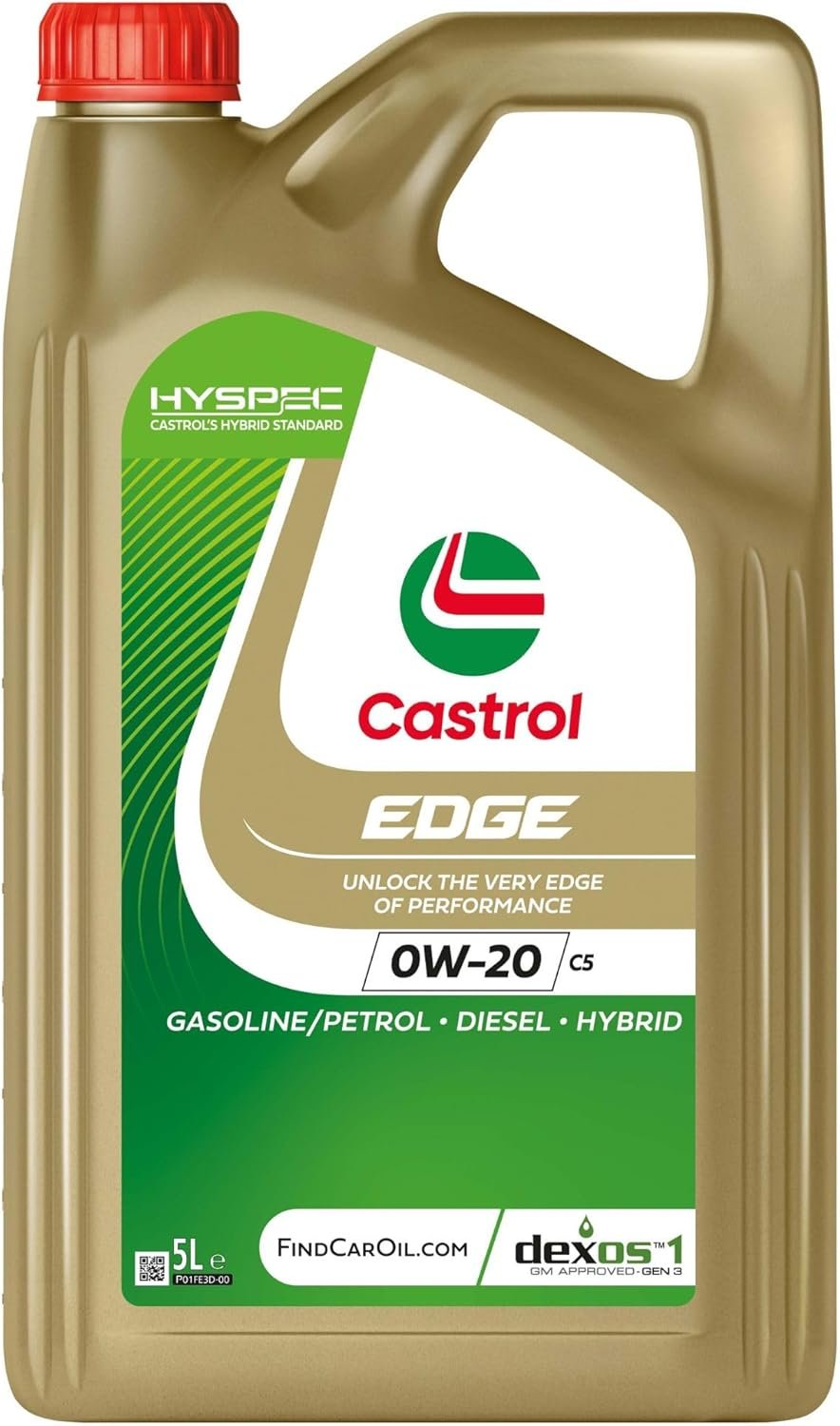
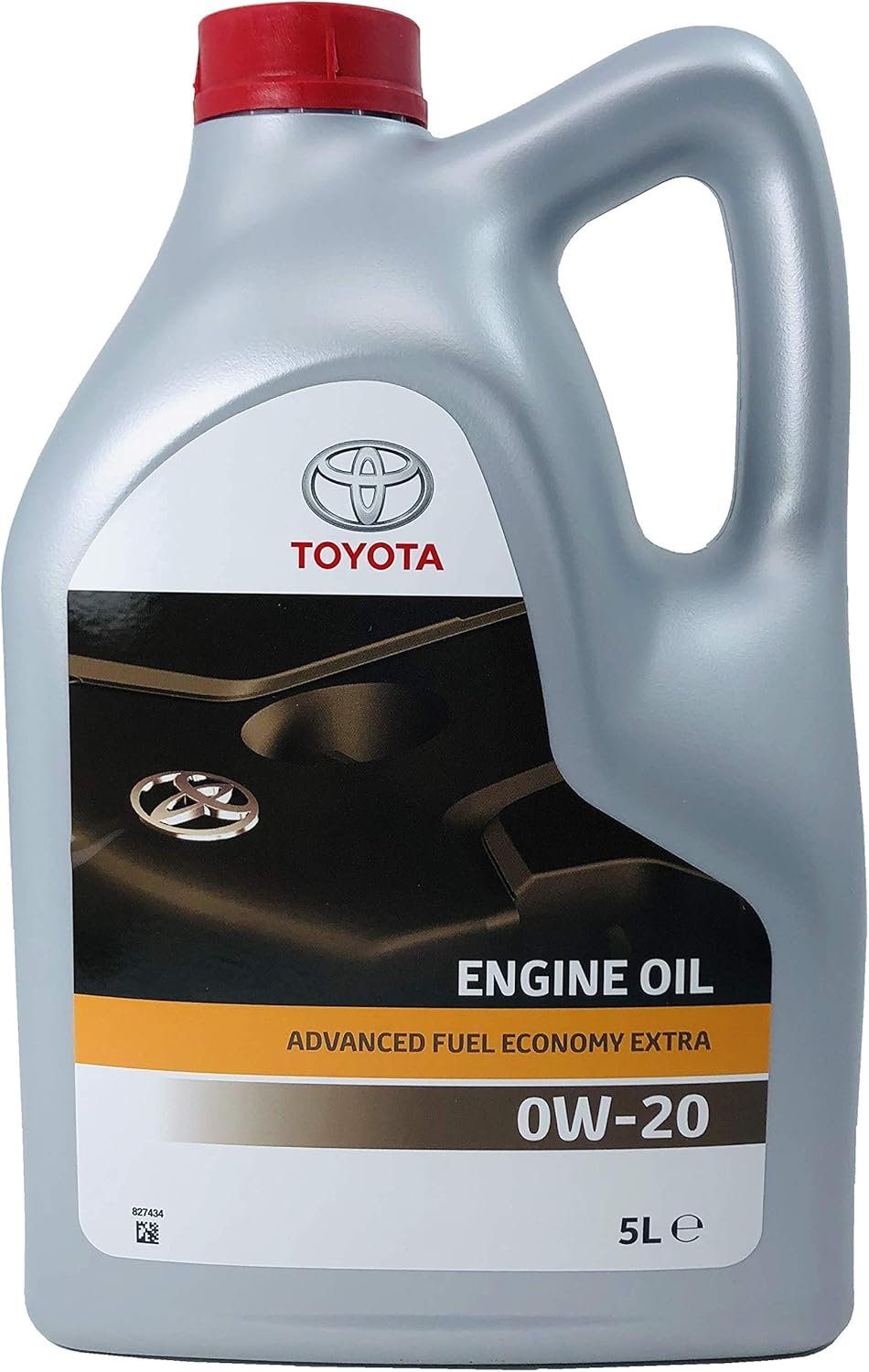
As an Amazon Associate, we may earn from qualifying purchases. This doesn't affect our recommendations — we only suggest oils that hold the exact OEM approval for your engine.
Best Engine Oil for the Volkswagen Golf 8 2.0 TDI (150 hp) – EA288 evo Guide
The Volkswagen Golf 8 2.0 TDI is the flagship diesel in VW’s eighth-generation Golf lineup, and the engine powering it — the EA288 evo — represents a significant step forward from its predecessor. Introduced alongside the Golf 8 and certified to Euro 6d-ISC-FCM standards, this 150 hp four-cylinder diesel has been redesigned from the ground up to reduce NOx emissions, improve fuel efficiency, and refine NVH (noise, vibration, and harshness) characteristics. Getting the engine oil exactly right is critical: the EA288 evo demands a low-viscosity, fuel-economy-oriented lubricant that meets the specific VW 509 00 approval — and using the wrong oil can undermine both the emissions hardware and the engine’s long-term reliability.
Quick Answer: Recommended Oil
For the Volkswagen Golf 8 2.0 TDI (150 hp, DTSA engine code), use:
- Primary specification: 0W-20, meeting VW 509 00 and ACEA C5
- Alternative specification: 5W-30 meeting VW 507 00 / ACEA C3 (only if VW 509 00 is unavailable)
- Oil capacity (with filter): 5.5 litres
- Oil capacity (without filter): 5.0 litres
Always prioritise a product carrying the VW 509 00 approval stamp. This ultra-low-viscosity grade has been validated to work with the EA288 evo’s revised internal tolerances, timing chain geometry, and emissions system. The 5W-30 / VW 507 00 alternative is a fallback — it will protect the engine but will not optimise fuel economy to the same degree.
The EA288 Evo Engine
The EA288 evo shares its basic 1,968 cc displacement and modular architecture with the earlier EA288 family that launched in 2012, but the similarities largely end there. Volkswagen engineers redesigned the combustion chamber, injection system, and crucially the exhaust aftertreatment hardware to achieve drastic reductions in real-world NOx output.
Twin-dosing SCR is the defining innovation. Rather than a single selective catalytic reduction (SCR) converter, the EA288 evo uses two SCR catalysts in series, both dosed with AdBlue (aqueous urea solution). The first SCR unit sits directly downstream of the turbocharger, with a volume of 3.4 litres, and acts simultaneously as a diesel particulate filter (DPF). Its upstream position means exhaust gases reach it while still relatively hot, allowing it to begin NOx conversion almost immediately after a cold start — the window during which older single-SCR systems struggled most. The second SCR catalyst is mounted further downstream under the vehicle floor (2.5–3.0 litres) and catches any NOx that slips through the first unit. VW claims the twin-dosing system converts more than 90% of NOx emissions across a wide temperature band (220–350 °C), far exceeding earlier solutions.
Revised combustion geometry accompanies the updated emissions hardware. The EA288 evo uses a new piezo common-rail injector layout capable of multiple precisely timed injection events per cycle. Combined with a higher-pressure fuel system and a retuned variable-geometry turbocharger, this enables more complete combustion, reducing particulate load on the DPF and improving thermal efficiency.
Acoustic and refinement improvements also received significant attention. A rebalanced crankshaft, revised engine mounts, and updated valve timing contribute to a noticeably quieter idle and lower vibration levels compared to the pre-evo EA288 — an important consideration in a premium family hatchback.
Understanding VW 509 00 Oil Specification
VW’s in-house oil approval system classifies lubricants independently of (and often more stringently than) industry-wide ACEA ratings. The VW 509 00 specification was introduced specifically for the EA288 evo diesel and a small number of other current-generation VW Group diesel engines. It defines a 0W-20 low-SAPS (low sulphated ash, phosphorus, and sulphur) formulation with tighter friction and wear thresholds than the preceding VW 507 00 spec.
Why does this matter? The EA288 evo’s twin-dosing SCR catalysts are highly sensitive to oil-derived ash deposits. High-SAPS oils gradually poison catalyst washcoats and accelerate DPF blockage. ACEA C5 — the category underpinning VW 509 00 — imposes stricter SAPS limits than the ACEA C3 grade behind VW 507 00, making it the correct choice for this architecture.
The 0W-20 viscosity also directly supports fuel economy. Thinner oil reduces internal friction at startup and during warm-up, when parasitic losses are greatest. For an engine operating on long variable-load motorway cycles — typical Golf 8 TDI territory — the difference in fuel consumption between a 0W-20 C5 and a 5W-30 C3 can be measurable over tens of thousands of kilometres.
Do not use VW 504 00, VW 506 00/506 01, or any oil not carrying a current VW 509 00 or VW 507 00 approval for this engine. These older specifications may not provide adequate protection for the revised bearing clearances and may not be chemically compatible with the aftertreatment system.
Technical Specifications
| Specification | Detail |
|---|---|
| Engine family | EA288 evo |
| Engine code | DTSA |
| Displacement | 1,968 cc |
| Layout | Inline-4, transverse |
| Valvetrain | DOHC, 4 valves per cylinder |
| Bore × Stroke | 81.0 mm × 95.5 mm |
| Compression ratio | 15.5:1 |
| Power output | 150 hp (110 kW) @ 3,500–4,000 rpm |
| Peak torque | 360 Nm @ 1,600–2,750 rpm |
| Fuel system | Piezo common-rail direct injection |
| Turbocharger | Single variable-geometry turbo (VGT) |
| Emission standard | Euro 6d-ISC-FCM |
| Aftertreatment | Twin-dosing SCR + DPF |
| Recommended oil viscosity | 0W-20 |
| Oil approval | VW 509 00 / ACEA C5 |
| Oil capacity (with filter) | 5.5 litres |
| Oil capacity (without filter) | 5.0 litres |
Oil Change Intervals
Volkswagen specifies variable service intervals for the Golf 8 2.0 TDI controlled by the on-board ASSYST+ (or MFA+) oil life monitoring system. Under normal conditions this typically translates to a maximum interval of 30,000 km or 2 years, whichever comes first. In practice, many independent mechanics recommend shortening this to 15,000–20,000 km or annually, particularly if the vehicle regularly covers short urban trips.
Short-distance driving is especially hard on the oil in a diesel with a DPF. Cold, incomplete combustion cycles allow unburned fuel to pass the piston rings and dilute the sump oil — a phenomenon known as fuel dilution. The EA288 evo’s DPF regeneration cycles also introduce a brief period of extra fuel injection that can worsen dilution. If you predominantly drive short journeys under 15 km, an annual oil change regardless of mileage is prudent.
Always use the dipstick to verify the oil level monthly. The EA288 evo’s oil consumption on long runs can approach 0.5 litres per 10,000 km — within VW’s acceptable range but worth monitoring. Top up only with a VW 509 00-approved 0W-20.
Common EA288 Evo Problems Related to Oil
Camshaft seal oil leak. The camshaft oil seals on the EA288 family — including the evo variant — have a documented history of seeping oil. A leaking seal can allow oil to migrate onto the timing belt or into adjacent components. If left unaddressed, oil-contaminated timing belt material degrades rapidly, raising the risk of belt failure. Check for oily residue around the front of the cam cover and at the timing belt housing end caps during each service.
DPF issues from short-trip driving. The EA288 evo’s DPF regeneration cycle requires a sustained motorway run at elevated exhaust temperature to burn off accumulated soot. Vehicles used exclusively on short urban trips may accumulate soot faster than the system can regenerate, eventually triggering a forced regeneration warning or, in worst cases, a blocked DPF requiring professional forced regeneration or replacement. Regular longer drives (30+ minutes at 60+ mph) and correct oil spec (low-SAPS, VW 509 00) both help extend DPF service life.
AdBlue system faults. As with all Euro 6d diesel systems relying on SCR, the twin-dosing architecture introduces additional failure points — AdBlue pump failure, clogged injectors, or faulty NOx sensors. These do not relate directly to engine oil but are worth including in your maintenance awareness. Always maintain adequate AdBlue fluid levels and use only ISO 22241-compliant solution.
Oil dilution from extended short-trip use. As noted above, fuel dilution is a real concern on any DPF-equipped diesel used for short journeys. If you notice your oil level rising slightly between changes, or if the oil smells of diesel rather than engine oil, change it earlier than the service interval recommends.
Conclusion
The Golf 8 2.0 TDI with the EA288 evo engine is one of the most emissions-efficient diesel engines VW has produced, and its sophisticated twin-dosing SCR system demands equally sophisticated lubrication. Stick to a 0W-20 oil with VW 509 00 approval — it is not a suggestion but a technical requirement tied directly to the engine’s emissions hardware and internal tolerances. Use 5.5 litres when replacing the filter (which you should do at every oil change), keep an eye on the camshaft area for early signs of seal weeping, and avoid letting the car spend its entire life on short trips. Do those three things and the EA288 evo will reward you with refined, economical diesel performance for a very long time.
Sources:
- Volkswagen 2.0 TDI diesel for Euro 6d; SCR twin-dosing - Green Car Congress
- Clean and cultivated: the 2.0 TDI engine with new Euro 6d emission standard | Volkswagen Newsroom
- Comprehensive Guide to the Volkswagen EA288 2.0 TDI Engine - enginecrux.com
- VW 2.0 TDi EA288 Revision Problems & Issues - torquecars.com
- Belt drive components for the EA288 evo - Continental Engine Parts
Our Top Picks
As an Amazon Associate, we may earn from qualifying purchases. This doesn't affect our recommendations — we only suggest oils that hold the exact OEM approval for your engine.