 Oil-
Oil-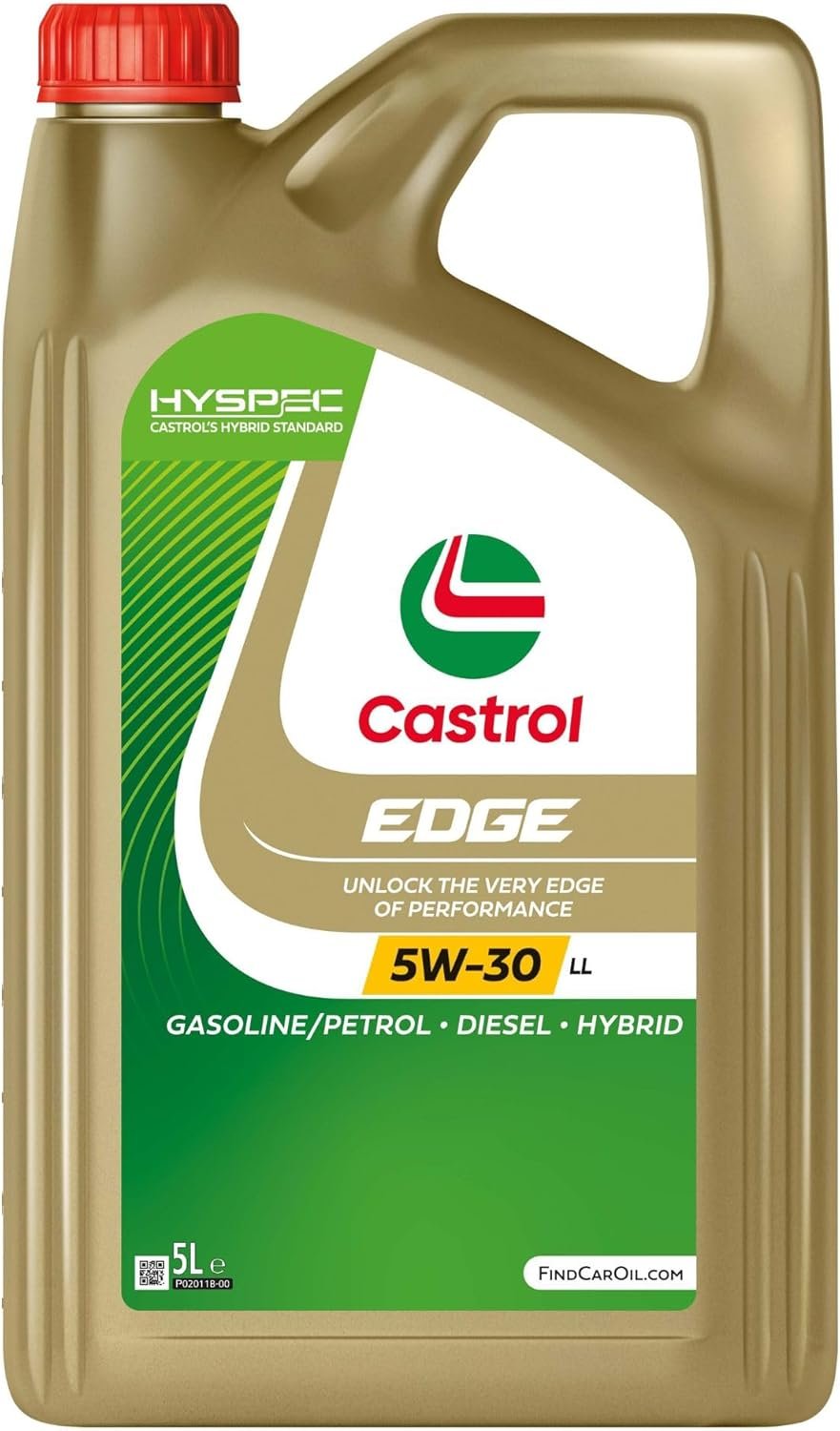
As an Amazon Associate, we may earn from qualifying purchases. This doesn't affect our recommendations — we only suggest oils that hold the exact OEM approval for your engine.
Best Engine Oil for Volkswagen Golf 8 1.5 TSI (130/150 HP)
The Volkswagen Golf 8 (CD) with the 1.5 TSI EA211 evo engine represents a significant leap in small-displacement turbo technology. Available in 130 HP and 150 HP variants, this advanced four-cylinder features Miller-cycle combustion, Active Cylinder Technology (ACT), and a variable geometry turbocharger—technologies that demand precise oil specification. Using the wrong oil can damage the ACT system’s electromagnetic actuators, accelerate VGT vane sticking, and trigger the infamous “kangaroo effect” hesitation. This guide covers both VW 508 00 (0W-20) and VW 504 00 (5W-30) specifications, helping you make the right choice.
Quick Answer: Recommended Oil
For Golf 8 1.5 TSI (130/150 HP):
- Modern specification: VW 508 00/509 00 with SAE 0W-20
- Traditional specification: VW 504 00/507 00 with SAE 5W-30 or 0W-30
- Oil capacity: 5.2 liters with filter (4.8 L without)
Key decision: VW 508 00 (0W-20) maximises fuel economy and is VW’s preferred spec for LongLife service. VW 504 00 (5W-30) provides traditional protection with a proven track record. Both are fully approved—choose based on your maintenance philosophy and driving style.
The 1.5 TSI EA211 Evo Engine
The 1.5 TSI (engine codes DPCA for 150 HP, DPBA for 130 HP) is Volkswagen’s most technologically advanced small-displacement engine. Displacing 1,498cc through a 74.5mm bore and extended 85.9mm stroke, this “undersquare” design prioritises torque over high-RPM power, producing up to 250 Nm from just 1,500 RPM.
Active Cylinder Technology (ACT) is the headline feature. Under light loads between 1,400 and 4,000 RPM, electromagnetic actuators shift special camshaft sections laterally on cylinders 2 and 3, replacing normal cam lobes with “zero-lift” profiles. This effectively deactivates two cylinders, saving approximately 0.4 L/100 km in real-world driving. The system requires impeccable oil quality—actuator sticking from degraded oil causes vibration and expensive camshaft replacement.
Miller-cycle combustion closes intake valves early to reduce effective compression during the intake stroke while maintaining high expansion ratio, improving thermal efficiency by approximately 10% compared to the older 1.4 TSI. The variable geometry turbocharger (VGT) adjusts internal vane angles to optimise boost across the RPM range—a sophisticated system whose precise vanes are vulnerable to contamination from poor-quality oil.
The engine also uses a timing belt (replacement every 120,000 km), sodium-filled exhaust valves for thermal management, and APS (Atmospheric Plasma Spray) cylinder coating instead of traditional iron liners.
Understanding VW Oil Specifications
VW 508 00/509 00 (Modern — 0W-20)
Introduced in 2018, this is VW’s latest ultra-low-viscosity standard designed specifically for the EA211 evo and newer engines.
- SAE 0W-20: Extremely thin oil reducing internal friction for maximum fuel economy
- ACEA C5: Ultra-low SAPS for emissions system protection
- Extended drain: Up to 30,000 km under ideal conditions
- Fuel economy benefit: 0.2–0.4 L/100 km compared to 5W-30
Critics argue 0W-20 provides inadequate film strength for a turbocharged engine. However, VW specifically engineered the 1.5 TSI’s bearings, oil pump, and tolerances around this viscosity. The engine’s low-friction design—including APS cylinder coating—requires thinner oil to achieve designed clearances.
Best for: Owners following VW LongLife service, daily commuters, cold climate drivers.
VW 504 00/507 00 (Traditional — 5W-30)
The established specification remains fully approved for the 1.5 TSI.
- SAE 5W-30 or 0W-30: Conventional thickness with proven protection
- ACEA C3: Low SAPS, catalyst-compatible
- Track record: Proven across millions of TSI engines over 15+ years
- 15,000 km drain intervals recommended (vs 30,000 km for VW 508 00)
Best for: Fixed 10,000–12,000 km service intervals, enthusiastic drivers, hot climates, higher-mileage engines above 80,000 km.
Never Mix Specifications
VW 508 00 and 504 00 use fundamentally different additive packages. Mixing creates unpredictable chemistry—when switching specifications, perform a complete drain including filter replacement.
Technical Specifications: 1.5 TSI (DPCA / DPBA)
| Specification | Value |
|---|---|
| Displacement | 1,498cc (1.5 liters) |
| Layout | Inline-4, transverse, aluminium block with APS coating |
| Valvetrain | DOHC, 16 valves, timing belt, ACT on cyl. 2 & 3 |
| Bore x Stroke | 74.5mm x 85.9mm (long-stroke) |
| Compression Ratio | 12.5:1 |
| Power | 130 HP (DPBA) / 150 HP (DPCA) @ 5,000–5,500 RPM |
| Torque | 200 Nm (DPBA) / 250 Nm (DPCA) @ 1,500–3,500 RPM |
| Fuel Type | Petrol, 95 RON minimum (98 RON recommended) |
| Recommended Viscosity | SAE 5W-30 (VW 504 00) or 0W-20 (VW 508 00) |
| Oil Capacity (without filter) | 4.8 liters |
| Oil Capacity (with filter) | 5.2 liters |
| ACEA Norm | C3 (504 00) or C5 (508 00) |
| VW Norm | VW 504 00 / 507 00 OR VW 508 00 / 509 00 |
Modern Alternative: Motul Specific 508 00/509 00 0W-20 French-engineered ester-based synthetic meeting VW 508 00 requirements. Exceptional thermal stability and turbo protection, with strong performance in both cold starts (-35°C) and high-load conditions. Excellent choice for enthusiastic drivers wanting 0W-20 efficiency without compromising protection. Priced at £55–70 for 5 liters.
Oil Change Intervals
VW Official Recommendation:
- LongLife service with VW 508 00: up to 30,000 km or 2 years
- LongLife service with VW 504 00: up to 15,000 km or 2 years
- Fixed service: 10,000 km or 1 year
Recommended Practice: 10,000–12,000 km or annually, regardless of specification.
VW’s 30,000 km interval with VW 508 00 is optimistic even under ideal conditions. The 1.5 TSI’s ACT system creates unique challenges: when cylinders 2 and 3 deactivate, their cam actuators rely on residual oil film only—no active circulation occurs during deactivation. This means degraded oil accelerates actuator wear faster than in conventional engines. The VGT turbo’s variable vanes also demand pristine oil to prevent sticking.
Consider 7,500 km intervals if:
- Primarily short trips under 10 km (cold-start fuel dilution)
- Heavy urban stop-and-go traffic (frequent ACT cycling)
- Enthusiastic driving with regular high-RPM use
- Vehicle exceeds 100,000 km
- Any persistent hesitation or “kangaroo effect” symptoms
Why Correct Oil Matters
ACT System Protection: The electromagnetic actuators and sliding camshaft sections in cylinders 2 and 3 require excellent lubrication to function smoothly. Degraded oil causes actuator sticking, leading to vibration, check engine lights, and expensive camshaft replacement (£800–1,500). The ACT system cycles thousands of times during normal driving—each transition depends on oil quality.
VGT Turbo Longevity: Variable geometry turbos are mechanically complex with precisely machined vanes operating at extreme temperatures. Contaminated oil causes vane sticking, resulting in underboost fault codes, poor throttle response, and eventual turbo failure requiring replacement (£1,200–1,800).
Preventing the “Kangaroo Effect”: The infamous hesitation between 1,200–2,000 RPM is primarily a software calibration issue (VW released patches in 2020), but degraded oil exacerbates symptoms by affecting the Adjustable Valve Timing (AVT) actuator response. Fresh, correct-specification oil minimises the mechanical contribution to this hesitation.
Oil Consumption: Some 1.5 TSI engines consume oil—typically 0.5 liters per 10,000 km. While VW considers up to 0.5L per 1,000 km “acceptable,” consistent use of VW-approved oil maintains piston ring seal and minimises consumption. Check the dipstick monthly.
Common 1.5 TSI Problems Related to Oil
ACT System Vibration: Noticeable shuddering when switching between 2-cylinder and 4-cylinder modes indicates ACT actuator wear or software calibration issues. VW issued multiple software updates through 2020-2021, but mechanical damage from poor oil requires camshaft replacement (£800–1,500). Prevention is key—use correct oil and maintain 10,000 km intervals.
AVT Actuator Failures: Adjustable Valve Timing actuators become sluggish or unresponsive due to contaminated oil, causing rough running, hesitation, or starting difficulties. Symptoms mimic the “kangaroo effect” but stem from mechanical wear. Replacement costs £300–500 per actuator. Quality oil and regular changes are the best prevention.
Oil Consumption on Early Production Engines: Some 2017-2019 1.5 TSI units exhibit higher-than-normal consumption. Monitor your oil level between services. If consumption exceeds 0.5L per 5,000 km, have the engine inspected for piston ring or valve guide issues.
Coolant System Weaknesses: Early Golf 8 1.5 TSI engines suffer plastic water pump failures causing coolant loss and overheating. While not directly oil-related, overheating rapidly degrades oil quality. Replace the water pump proactively at 80,000 km and monitor coolant levels alongside oil.
Conclusion
The Volkswagen Golf 8 1.5 TSI requires either VW 508 00 approved SAE 0W-20 or VW 504 00 approved SAE 5W-30 engine oil, with a capacity of 5.2 liters including the filter. For most owners, VW 504 00 (5W-30) at 10,000–12,000 km intervals offers the best balance of protection and peace of mind—the ACT system’s unique demands make conservative maintenance wise.
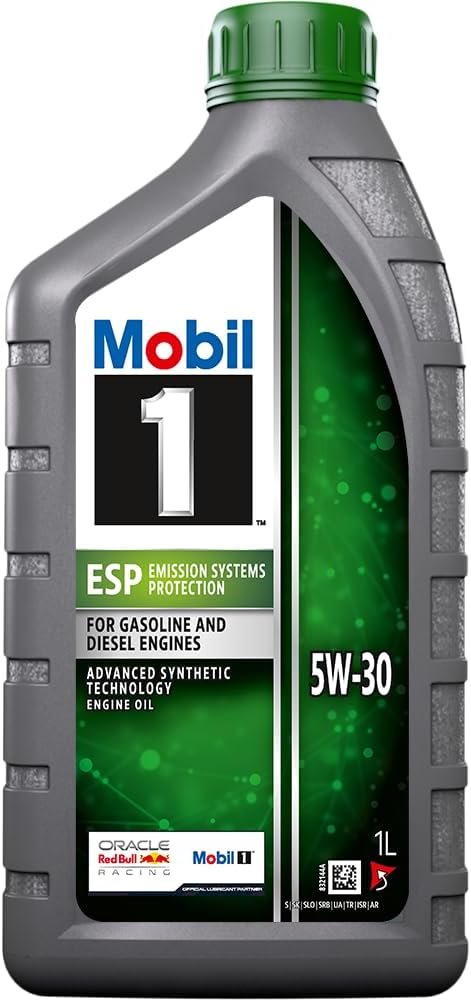
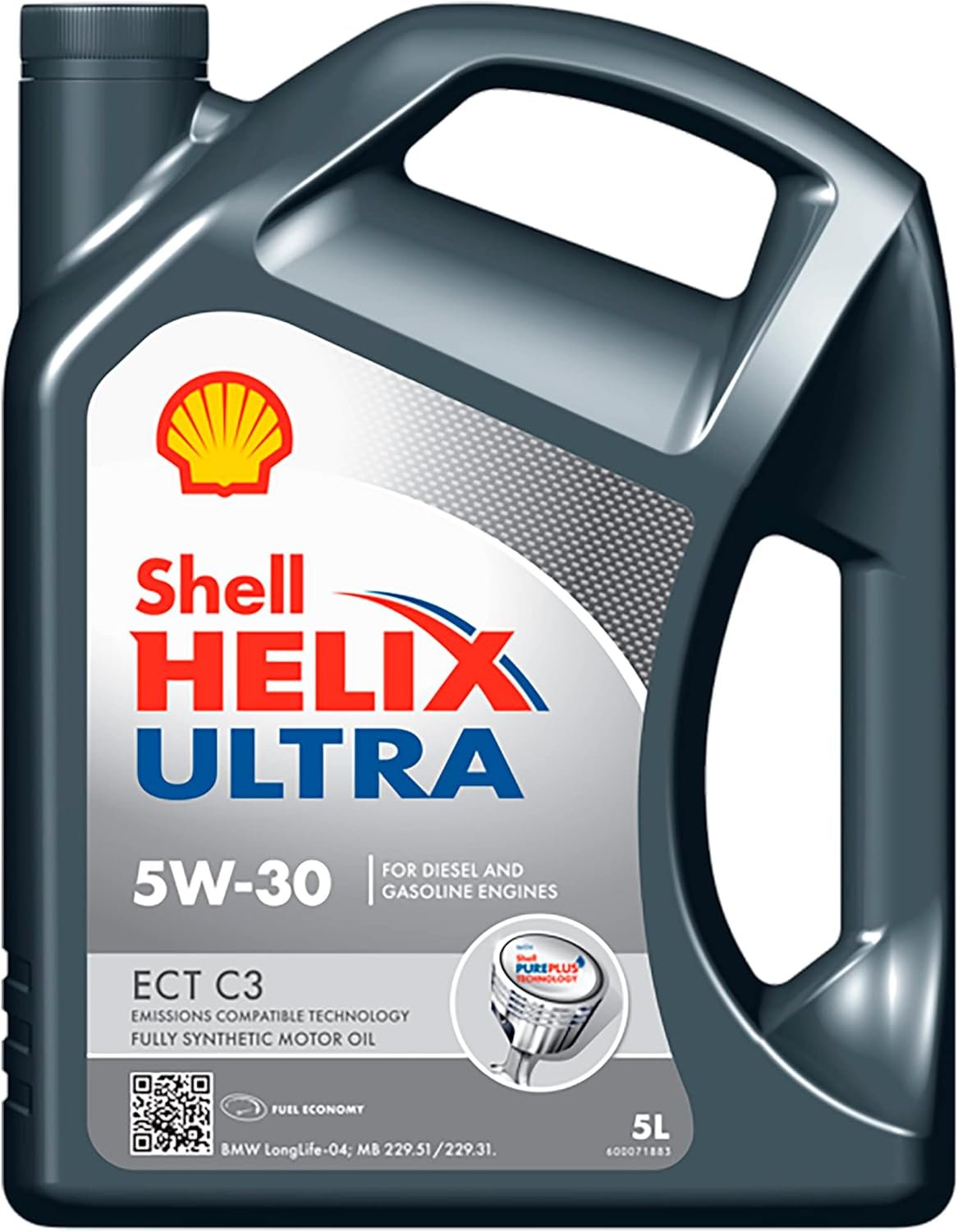
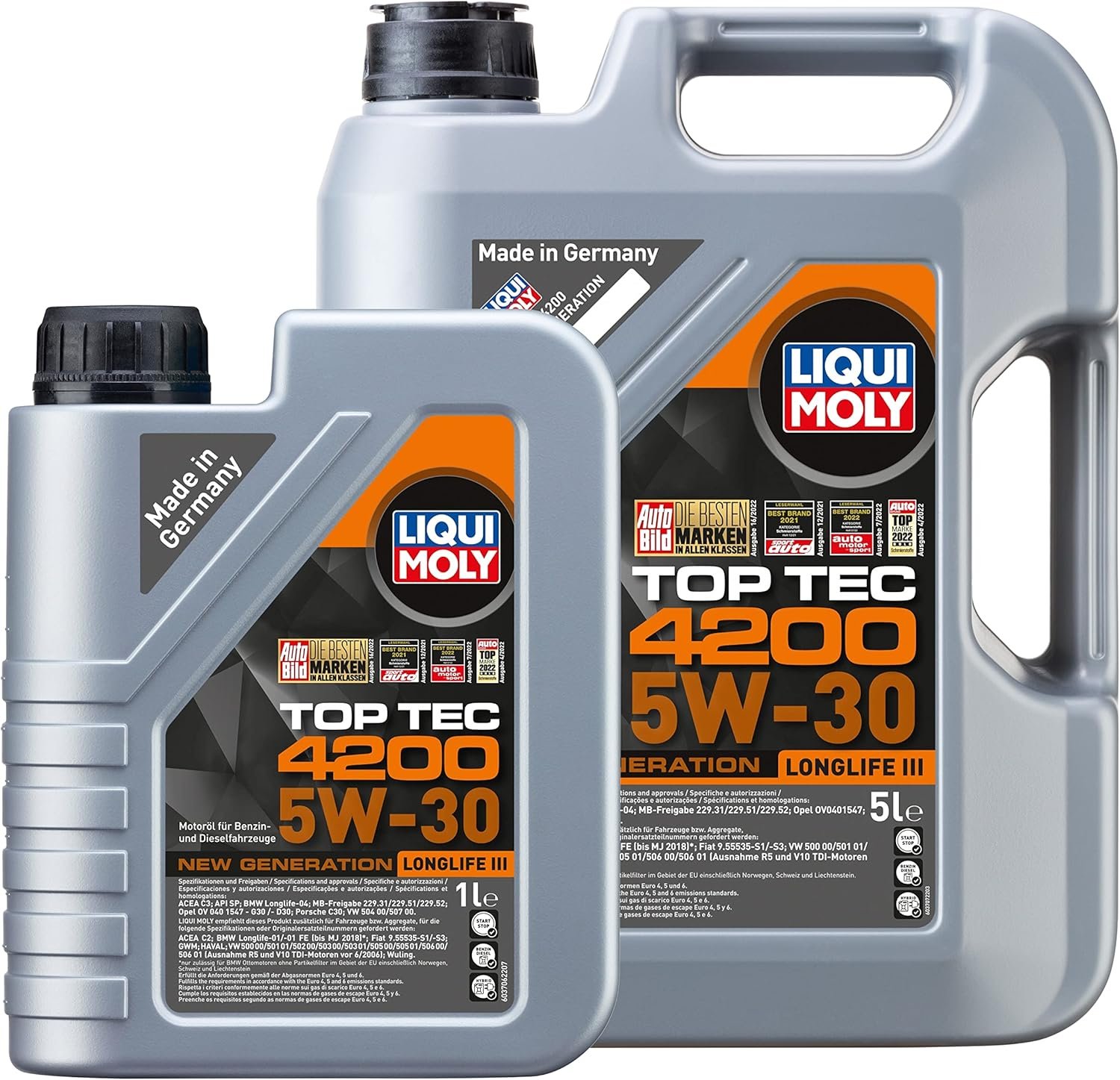
Choose proven brands—Castrol EDGE Professional, Motul Specific, Mobil 1 ESP, or Liqui Moly Top Tec—and verify the specific VW approval number on every bottle. The £40–65 invested in quality oil annually prevents ACT actuator failures (£800–1,500), turbo replacement (£1,200–1,800), and preserves the sophisticated technology that makes the 1.5 TSI efficient and enjoyable. With correct maintenance, this engine delivers reliable service well beyond 200,000 km.
Our Top Picks
As an Amazon Associate, we may earn from qualifying purchases. This doesn't affect our recommendations — we only suggest oils that hold the exact OEM approval for your engine.