 Oil-
Oil-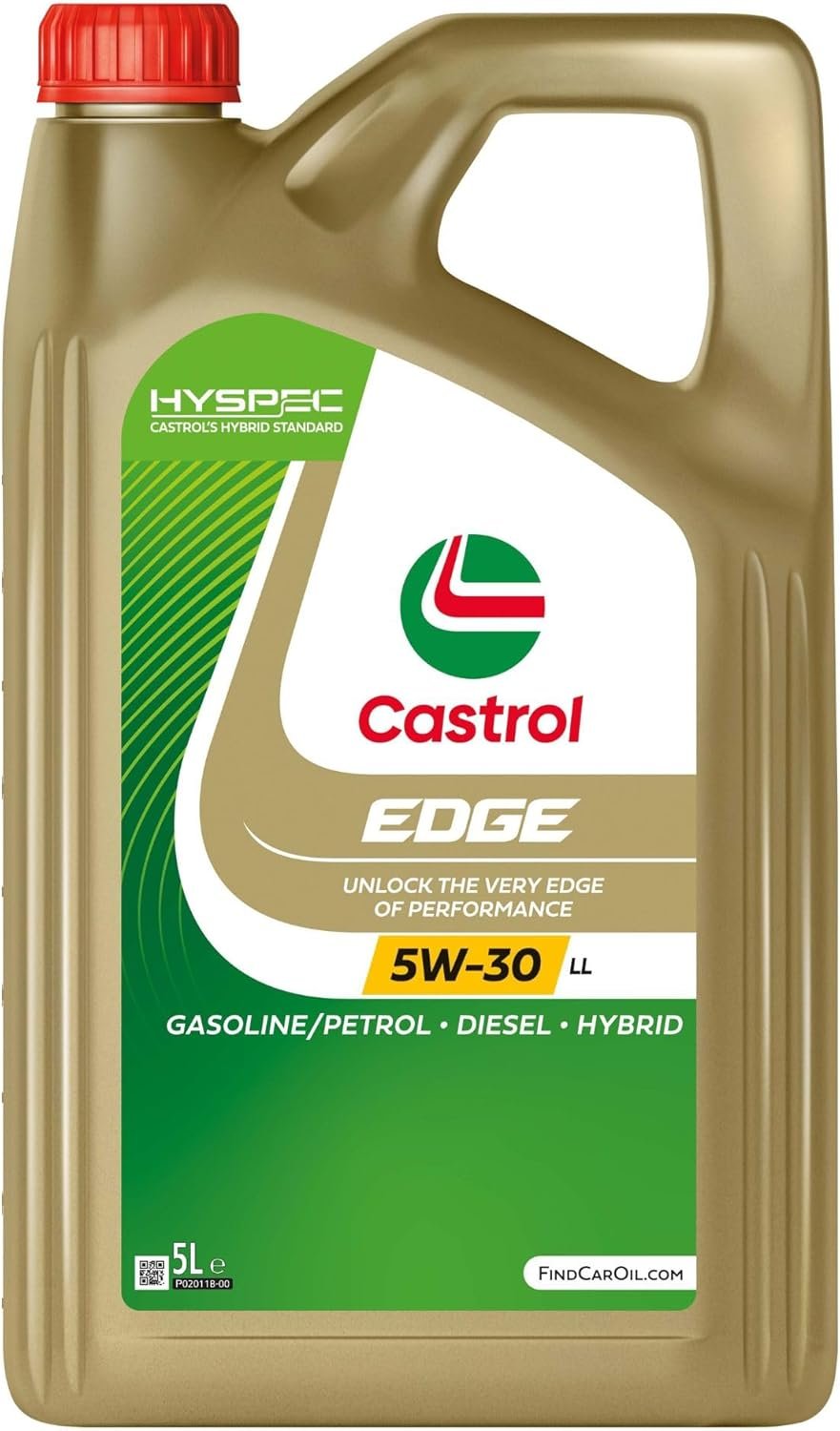
As an Amazon Associate, we may earn from qualifying purchases. This doesn't affect our recommendations — we only suggest oils that hold the exact OEM approval for your engine.
Best Engine Oil for SEAT Leon Mk2 2.0 TDI 140hp (BKD)
The SEAT Leon Mk2 (1P chassis, 2005–2012) with the 2.0 TDI 140hp arrived at just the right moment for budget-conscious driving enthusiasts in the UK. Positioned as the sportier, sharper-steering alternative to the Volkswagen Golf 5 — sharing its MQB predecessor platform and every major mechanical component — the Leon Mk2 carved out its own identity through more aggressive styling, a lower price tag, and trim levels like the FR that gave diesel buyers a genuine sports-diesel proposition. Under the bonnet, the 2.0 TDI in 140hp form carries the engine code BKD, a Pumpe-Düse (PD) unit that was one of the most widely deployed diesel engines in the Volkswagen Audi Group during the mid-2000s.
That shared DNA is both a strength and a responsibility. The BKD is well understood, parts are plentiful, and specialist knowledge is everywhere — but it also brings a set of well-documented vulnerabilities, several of which are directly oil-dependent. Getting the right lubricant in this engine is not optional; it is the first line of defence against the BKD’s known failure modes.
Quick Answer: Recommended Oil
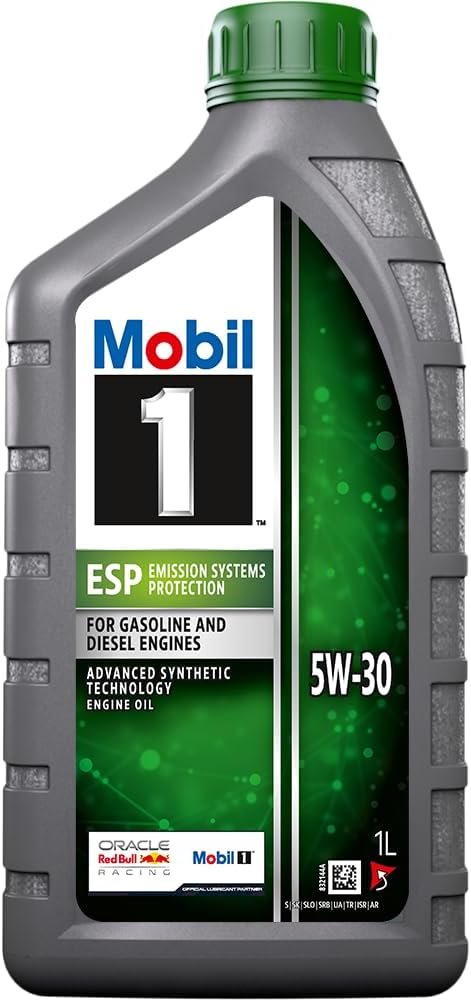
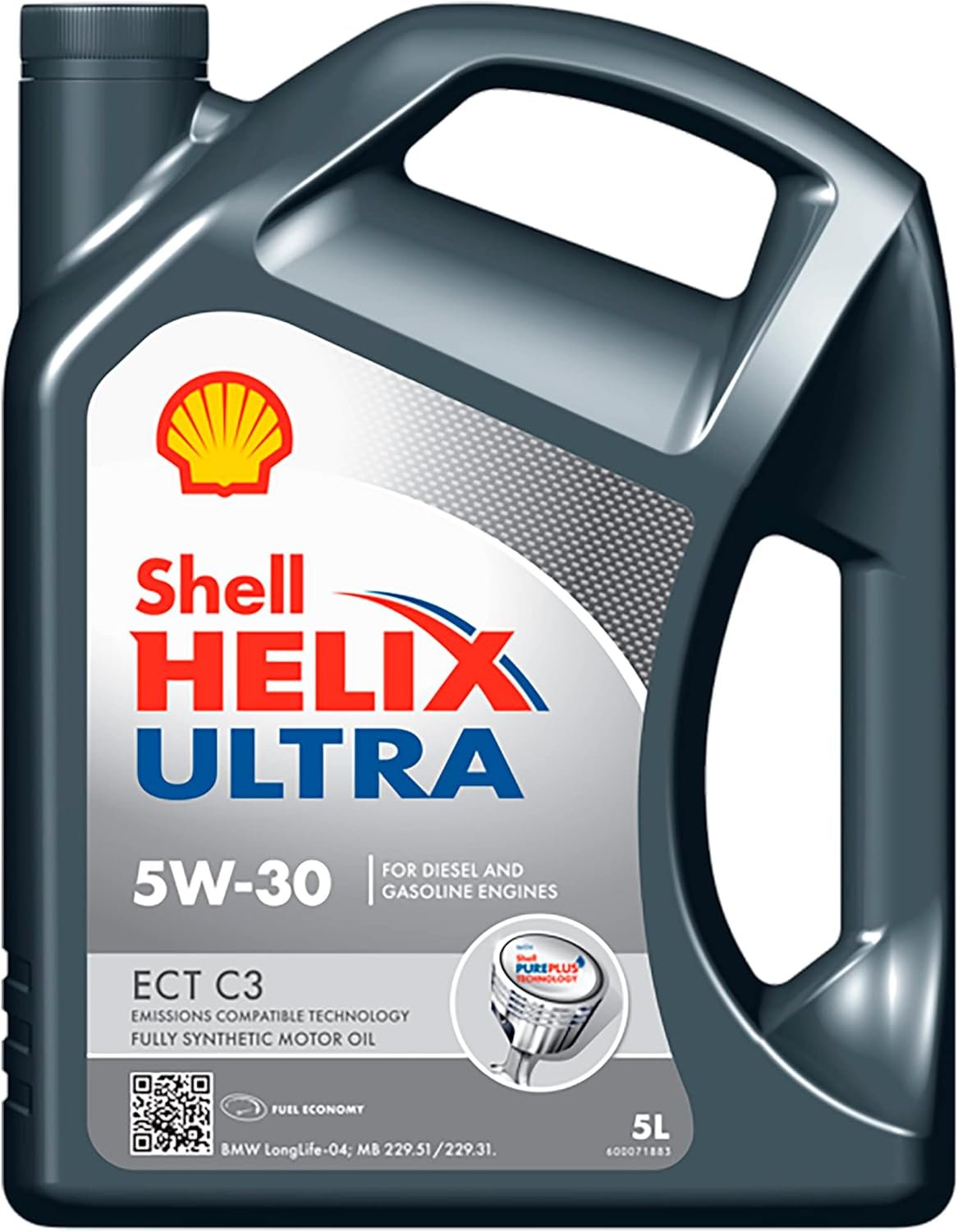
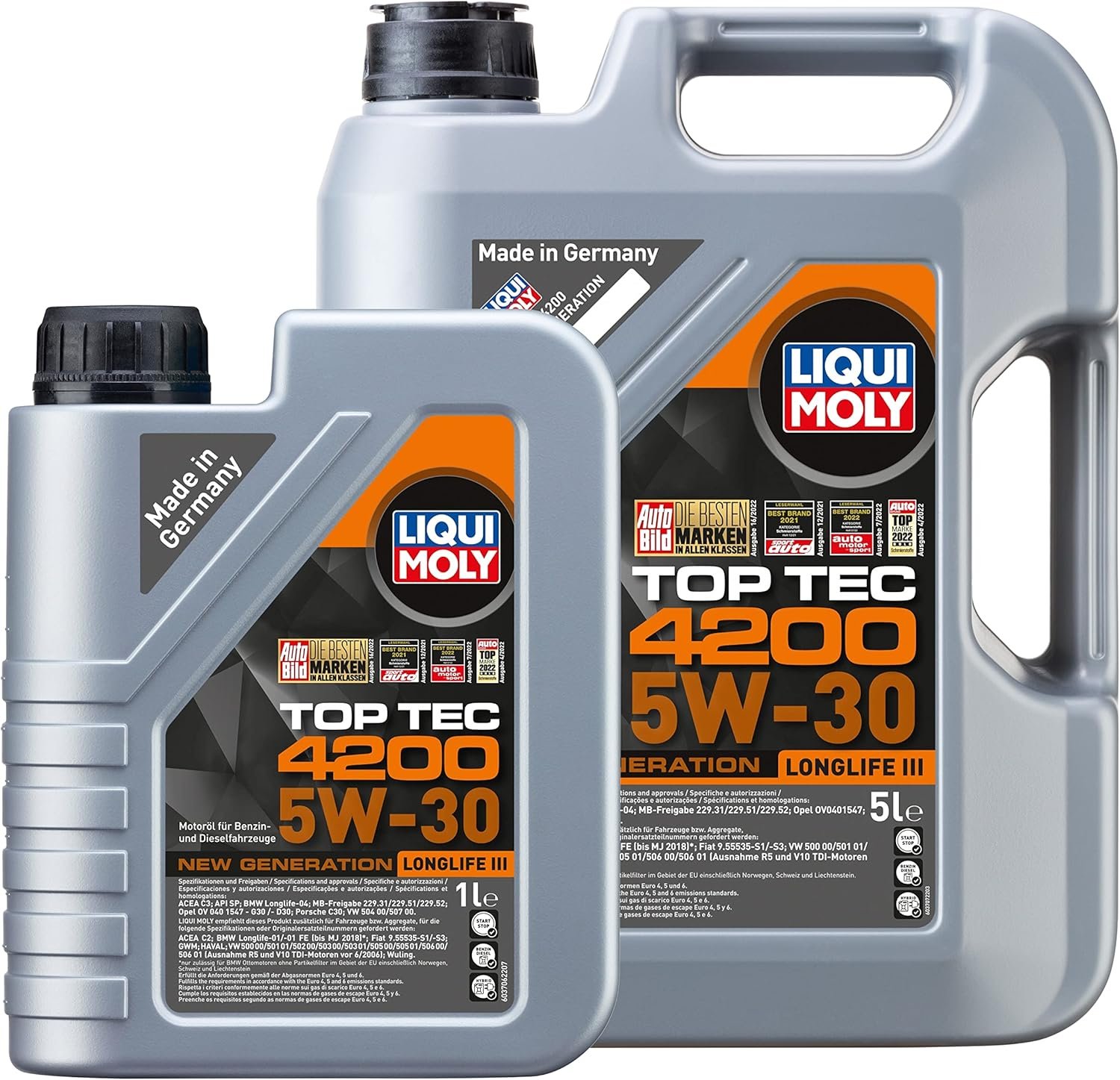
- Primary specification: 5W-30, ACEA C3, VW 507 00
- Alternative viscosity: 0W-30 (must still carry VW 507 00)
- Oil capacity (drain and fill): 3.8 litres
- Oil capacity (with filter change): 4.3 litres
- Oil change interval: 10,000 miles / 12 months (every 5,000–7,500 miles recommended under UK driving conditions)
The BKD Engine: PD Technology in a Sporty Package
The BKD is a 1,968cc inline-four, belonging to Volkswagen’s EA188 PD (Pumpe-Düse, or Unit Injector) diesel family. Unlike common-rail systems, PD engines drive each injector directly from a dedicated lobe on the camshaft via a rocker arm and hydraulic follower. This architecture generates injection pressures far exceeding those of contemporary common-rail rivals — up to 2,050 bar — which is why the BKD punches above its displacement in terms of torque delivery.
In the Leon FR, this engine found an enthusiastic audience. The FR package added a lower, stiffer suspension setup, larger Brembo brakes on some markets, and sportier interior trim, making the 140hp diesel a remarkably rounded car: 0–62mph in around 8.5 seconds, strong mid-range torque from 1,750rpm, and real-world fuel economy that justified the purchase for high-mileage commuters who wanted something more rewarding to drive than a standard family hatchback.
The BKD was shared across a wide range of VAG group products of the era — Golf 5, Jetta, Passat B6, Audi A3 8P, Audi A4 B7 — which means the Leon owner has access to one of the deepest knowledge bases and spare parts ecosystems of any diesel engine from that generation.
Understanding VW 507 00: Why It Matters for the BKD
SEAT specifies VW 507 00 as the primary oil approval for the Mk2 2.0 TDI. This norm sits at the top of the Volkswagen Group’s diesel oil hierarchy and exists specifically because of two requirements that pull in opposite directions: protecting mechanically stressed components while remaining compatible with diesel particulate filters (DPF).
The VW 507 00 standard demands:
- Low SAPS (Sulphated Ash, Phosphorus, Sulphur) formulation — critical for preserving DPF function and preventing premature filter clogging
- ACEA C3 classification — a mid-SAPS category balancing engine protection with aftertreatment compatibility
- High-temperature high-shear (HTHS) viscosity ≥ 3.5 mPa·s — ensuring the oil film holds under the extreme pressure events generated by the PD injection system
An oil meeting only ACEA A3/B4 — even a high-quality one — is not suitable for the Leon Mk2 BKD if a DPF is fitted. High-ash oils will cause accelerated DPF loading, forcing more frequent regeneration cycles and shortening filter life considerably. The 5W-30 VW 507 00 grade is the correct fill. If ambient temperatures are consistently low or if improved cold-start fluidity is the priority, a 0W-30 carrying VW 507 00 approval is an acceptable alternative; the lower cold-flow rating offers marginally faster oil circulation on frigid UK mornings without compromising the film strength the PD system demands.
Do not use VW 504 00 interchangeably with 507 00 unless confirmed as dual-rated: while 504 00 is suitable for petrol VAG engines with DPFs, 507 00 is the diesel-specific norm and the correct choice here.
Technical Specifications
| Specification | Detail |
|---|---|
| Engine code | BKD |
| Displacement | 1,968cc |
| Layout | Inline-4, DOHC |
| Injection system | Pumpe-Düse (PD) unit injectors |
| Power output | 140hp (103kW) @ 4,000rpm |
| Peak torque | 320Nm @ 1,750–2,500rpm |
| Compression ratio | 18.5:1 |
| Bore × Stroke | 81.0mm × 95.5mm |
| Oil capacity (fill) | 3.8 litres |
| Oil capacity (with filter) | 4.3 litres |
| Recommended viscosity | 5W-30 (alt: 0W-30) |
| OEM oil norm | VW 507 00 |
| ACEA classification | C3 |
| Emission standard | Euro 4 |
Oil Change Intervals
SEAT’s official service interval for the Mk2 2.0 TDI is up to 20,000km (approximately 12,500 miles) under the Longlife service regime, using a flexible oil quality sensor. In practice, UK owners — particularly those doing mixed urban and motorway driving — are strongly advised to disregard the maximum Longlife interval and change oil every 5,000 to 7,500 miles or once per year, whichever comes first.
The reason is straightforward: the BKD’s PD injection system generates significant combustion blow-by, and diesel fuel dilution of the oil is more pronounced in short-trip, stop-start driving that never allows the engine to reach operating temperature for an extended period. Extended intervals also accelerate the camshaft wear issue described below. Fresh, correctly specified oil is cheap insurance compared with camshaft or cylinder head repair bills.
Why Correct Oil Matters for the BKD
The PD injection system’s unique mechanical architecture makes it more sensitive to oil quality than a common-rail diesel. Each injector is actuated by a dedicated camshaft lobe working through a rocker arm with a hydraulic follower at the base. The contact pressure at the cam lobe and follower interface is extreme — and the oil film is the only protection available.
Using an oil with insufficient HTHS viscosity or incorrect additive chemistry allows micro-scuffing at these contact points. Over time, this wear progresses to visible pitting on the cam lobes and corresponding follower faces, eventually causing rough running, loss of power, and expensive camshaft replacement. An oil that meets VW 507 00 is formulated specifically to handle these pressure events. One that does not — regardless of its marketing claims — leaves the BKD exposed.
Beyond the injection system, the BKD shares the cylinder head concerns common to many PD-era VAG diesel engines. Thermal stress at the head, combined with oil that has degraded beyond its useful service life, can accelerate the conditions that lead to head gasket distress. Maintaining short oil change intervals and using the correct low-SAPS specification is the most effective preventive measure available to the owner.
Common BKD Problems Linked to Oil Condition
Camshaft and follower wear is the most frequently cited issue on BKD-engined vehicles. Symptoms include a ticking or rattling noise on cold start (distinct from the normal cold-start clatter of a PD diesel), rough idle, and eventually misfires on one or more cylinders. The root cause is almost always a combination of extended oil change intervals, incorrect oil specification, or both. Owners who changed oil every 5,000–7,000 miles with a proper VW 507 00 lubricant report significantly fewer camshaft problems.
Cylinder head cracking has been documented across the VAG PD diesel family, including the BKD. Early cylinder heads (casting reference A) showed higher incidence; later revisions reduced but did not eliminate the risk. Correct coolant maintenance and avoiding overheating are the primary preventive measures, but oil condition also plays a role in managing thermal load at the head.
EGR-related rough idle is common on high-mileage BKD units. The EGR valve and cooler accumulate deposits over time, particularly with extended oil change intervals that allow blow-by gases to deposit more aggressively. While not a direct oil specification issue, clean oil and short intervals reduce the rate of EGR fouling.
Injector loom faults (particularly on PD170 variants, but also relevant to the 140) result from the high electrical cycling demand on the injector wiring. This is a known engineering limitation of the PD system rather than an oil-related problem, but it is worth awareness when buying a used BKD Leon.
Conclusion
The SEAT Leon Mk2 2.0 TDI 140hp is one of the better budget enthusiast propositions of its era — practical, engaging, and with a rich VAG group parts ecosystem behind it. The BKD engine rewards owners who treat it correctly and punishes those who cut corners on servicing. The specification is clear: 5W-30, ACEA C3, VW 507 00, changed every 5,000 to 7,500 miles. Fill to 4.3 litres when replacing the filter. Do those two things consistently and the BKD will cover very high mileages without the camshaft and head problems that give it its mixed reputation. Skip them and the repair bills will be significant.
Our Top Picks
As an Amazon Associate, we may earn from qualifying purchases. This doesn't affect our recommendations — we only suggest oils that hold the exact OEM approval for your engine.