 Oil-
Oil-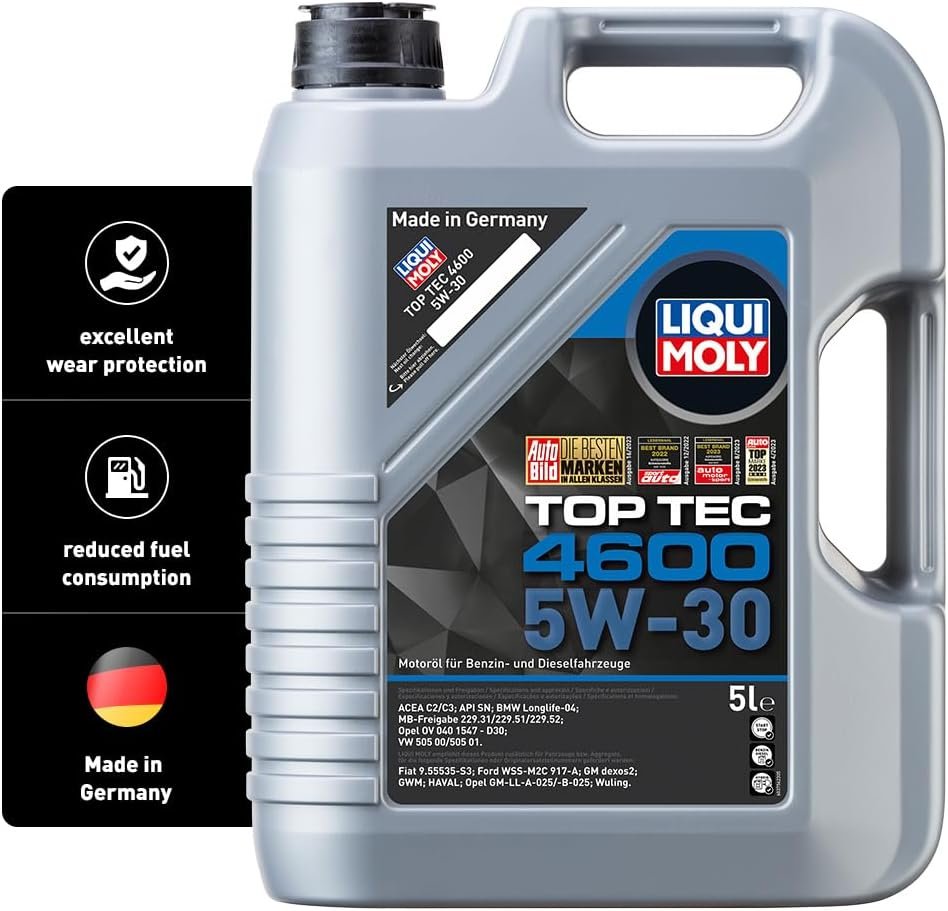
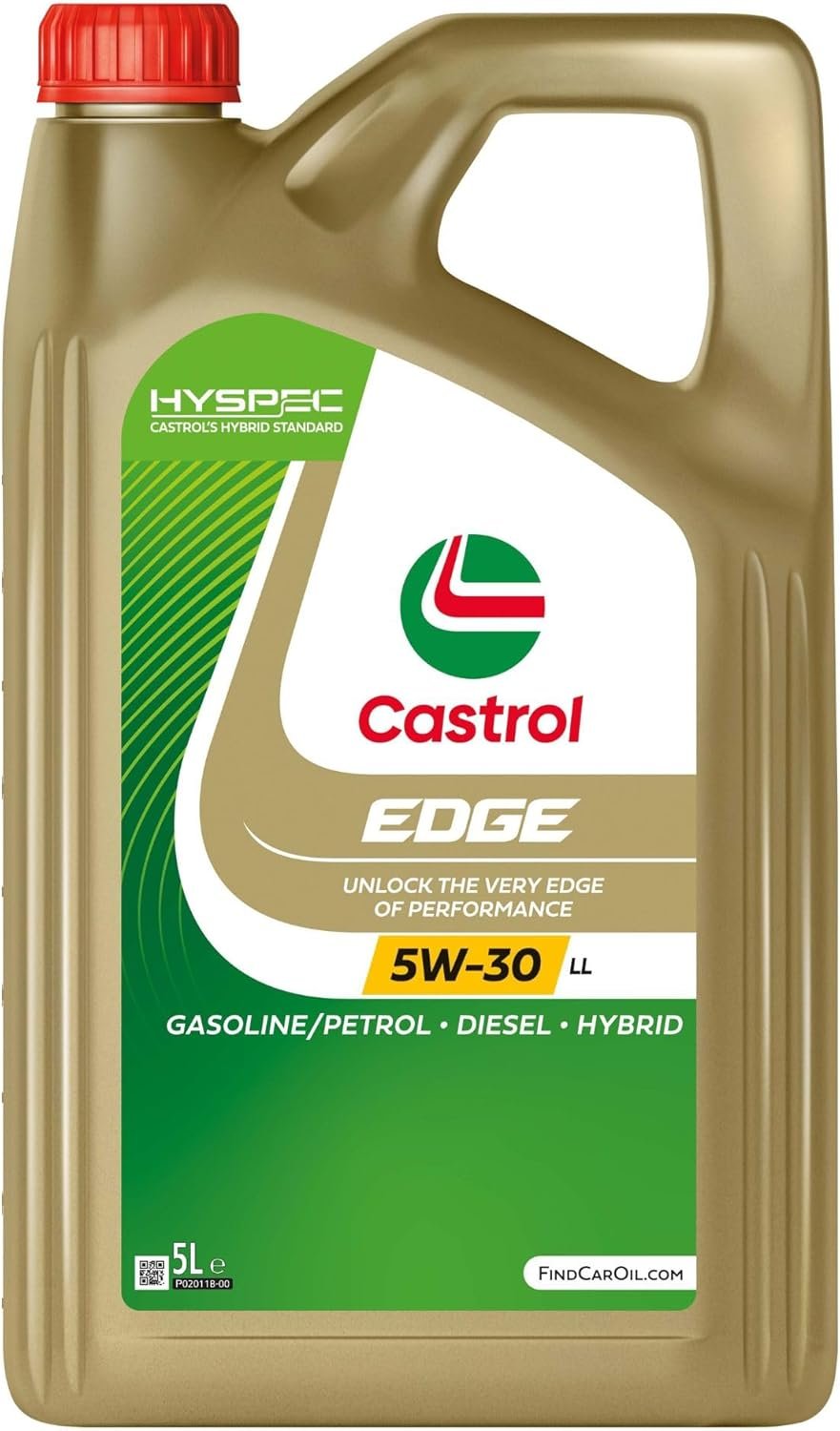
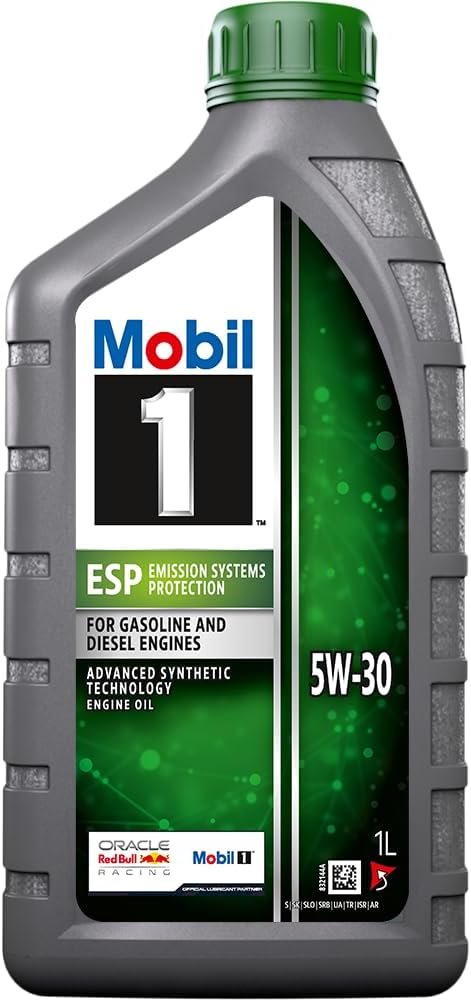
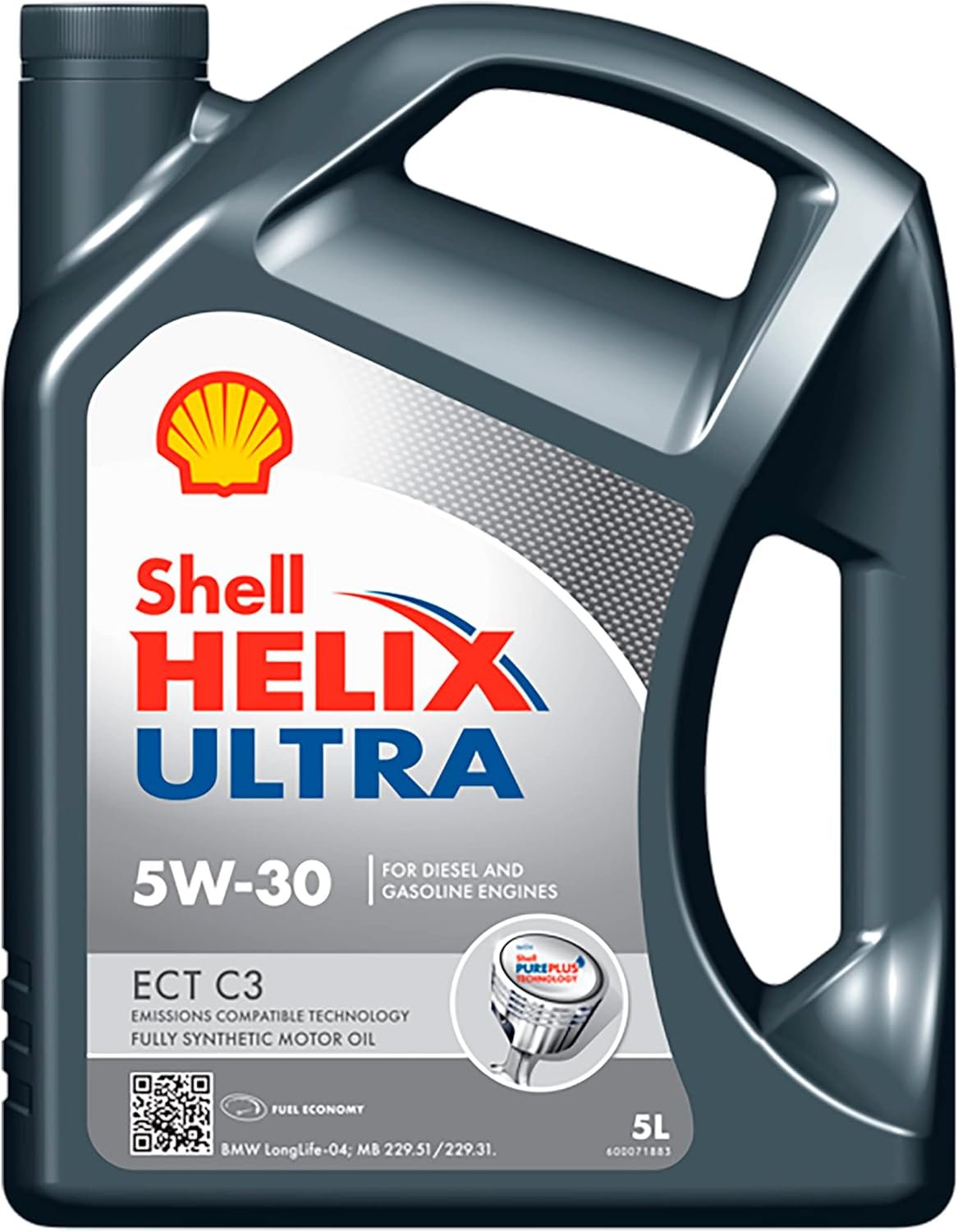
As an Amazon Associate, we may earn from qualifying purchases. This doesn't affect our recommendations — we only suggest oils that hold the exact OEM approval for your engine.
Best Engine Oil for Audi A4 B7 2.0 TDI (140/170 hp)
The Audi A4 B7 was the executive saloon’s second wind — an evolutionary refresh of the B6 that ran from 2004 to 2008 and brought with it two distinct 2.0 TDI variants under the same bodywork. The 140 hp BPW uses Pumpe Düse (PD) unit-injection; the 170 hp BRD switched to common-rail injection. Both are competent, torque-rich engines, but they have different engineering personalities, different failure modes, and — critically for this guide — slightly different oil needs. Choosing the correct oil is not just about protecting internals at operating temperature: on the BPW, it is the primary defence against the camshaft wear epidemic that has written off more B7 A4s than any other fault.
Quick Answer: Recommended Oil
For Audi A4 B7 2.0 TDI (BPW 140 hp / BRD 170 hp):
- Recommended viscosity: SAE 5W-30
- Alternative viscosity: SAE 5W-40 (BPW PD engines in particular, see below)
- Oil capacity: 4.3 litres with filter (3.8 L without)
- Required norms: ACEA C3, VW 505 01
The B7 A4 as an Executive Refresh
Audi launched the B7 in late 2004 on the same platform as the B6, sharing its floorpan, suspension geometry, and overall dimensions. Where it differed was in front-end styling — the new single-frame grille made its production debut here — and in the engine range. The 2.0 TDI became the volume seller in the UK almost immediately, available from launch in 140 hp guise and later joined by the 170 hp variant.
The B7 was sold as the saloon, Avant estate, and Cabriolet. UK buyers gravitated heavily toward the Avant, which made the 2.0 TDI even more dominant: it was the natural pairing for a practical executive estate. Gearbox options included a six-speed manual, a six-speed S-tronic DSG (on later models), and the continuously variable Multitronic CVT. Each gearbox has its own service requirements, but all share the same engine oil specification.
The BPW and BRD: Two Very Different 2.0 TDIs
The designations BPW and BRD are printed on a sticker inside the engine bay, and they matter more than most badges on this car.
BPW — 140 hp, Pumpe Düse (PD): This is the inline-four that carried over PD unit-injection technology from the earlier 1.9 TDI. Each injector is mechanically driven directly by a dedicated lobe on the camshaft, generating injection pressures up to 2,050 bar. The camshaft therefore experiences extreme point-loading on every injection event — a load profile closer to a racing cam than a conventional diesel. The 16-valve aluminium cylinder head (shared with the 2.0 TDI across the VAG group at this displacement) is physically larger and carries more mass than the 8-valve head on the 1.9 TDI Golf, which means greater thermal mass but also a longer warm-up period where the oil is doing its hardest work.
BRD — 170 hp, common-rail: Introduced partway through the B7’s life, the BRD replaced mechanical unit injection with a Bosch common-rail system. Injection pressure is similarly high but the cam lobes no longer drive the injectors directly. The result is lower camshaft stress, a smoother combustion event, and noticeably less engine noise. The BRD is the quieter, more refined engine and — from an oil standpoint — somewhat less demanding of its camshaft lubricant. It still requires VW 505 01, but the urgency around change intervals and viscosity is less acute than on the BPW.
Understanding VW 505 01: The PD-Specific Standard
VW 505 01 is the oil approval that defines PD diesel engine service. It was created specifically because standard ACEA A3/B4 or even early ACEA C3 oils were failing in the field on PD engines — camshaft lobes were wearing prematurely, and in severe cases, the lobes were being wiped flat within 60,000 miles.
The root cause is the cam-driven injection system. Every time a unit injector fires, the cam lobe driving it experiences a spike load that conventional diesel oil chemistry was not formulated to handle at the requisite frequency. VW 505 01 mandates enhanced anti-wear additive packages (principally ZDDP — zinc dialkyl dithiophosphate) at concentrations and chemistries calibrated for this load profile. ACEA C3 alone is not sufficient for BPW engines; the oil must additionally carry the VW 505 01 approval.
For the BRD 170 hp common-rail engine, VW 505 01 remains the specified norm, though the camshaft stress argument is less critical. The approval is still required for warranty compliance and is the safest choice for longevity.
SAE 5W-30 is the primary recommendation for UK and European conditions. The 5W cold-start behaviour protects the turbo and camshaft during the critical first seconds of operation; the 30-grade ensures adequate film thickness at operating temperature without adding unnecessary viscous drag on the fuel economy side. SAE 5W-40 is an acceptable alternative — particularly on BPW engines with higher mileages or in warmer operating conditions — but is not the default for most UK usage.
Technical Specifications
| Specification | BPW (140 hp) | BRD (170 hp) |
|---|---|---|
| Displacement | 1,968cc | 1,968cc |
| Layout | Inline-4, longitudinal, cast iron block, aluminium head | Inline-4, longitudinal, cast iron block, aluminium head |
| Valvetrain | DOHC, 16 valves, timing belt | DOHC, 16 valves, timing belt |
| Injection | Pumpe Düse unit injectors | Bosch common-rail |
| Max injection pressure | ~2,050 bar | ~1,600 bar |
| Turbocharger | Variable-geometry (VNT) | Variable-geometry (VNT) |
| Power | 140 hp @ 4,000 RPM | 170 hp @ 4,000 RPM |
| Torque | 320 Nm @ 1,750–2,500 RPM | 350 Nm @ 1,800–2,500 RPM |
| Oil capacity (with filter) | 4.3 litres | 4.3 litres |
| Recommended viscosity | 5W-30 (5W-40 alt.) | 5W-30 |
| Required norm | VW 505 01 / ACEA C3 | VW 505 01 / ACEA C3 |
| Timing belt interval | 80,000 miles or 4 years | 80,000 miles or 4 years |
Oil Change Intervals
Audi’s variable service system (longlife service) can stretch intervals to 18,000 miles or two years on these engines. For B7 A4 owners, particularly those running BPW PD engines, this is one of the most consequential decisions you can make about the car’s longevity.
Recommendation: 10,000 miles or 12 months maximum on BPW engines. The PD cam lobe loading degrades oil more rapidly than the service indicator accounts for, particularly on urban and short-trip duty cycles. Oil contamination from fuel blowby and soot loading climbs steeply in the final miles of a longlife interval.
For the BRD 170 hp engine, annual intervals at 12,000–15,000 miles are more defensible, though 10,000 miles remains the prudent choice for a high-mileage used example. Always change the oil filter simultaneously. If the car has been running on non-VW 505 01 oil — common on older examples bought from non-specialist garages — drain, flush, and refill before committing to a new interval count.
Why Correct Oil Matters on the B7 A4
The BPW’s 16-valve head runs two camshafts: the intake cam follows conventional valve actuation; the exhaust cam does that too, but also drives all four unit injectors. The cam lobes for injector drive are asymmetric, hardened profiles that rely on a full, unbroken hydrodynamic oil film. When oil viscosity falls below specification — through shear, thermal degradation, or dilution — this film thins, and metal-to-metal contact begins.
Initial wear is microscopic and symptomless. By the time the engine shows rough idling, injector misfires, or elevated smoke output, the lobes are often beyond economical repair. Replacing the cylinder head on a B7 A4 is a substantial job; replacing the complete head assembly can approach or exceed the car’s market value at higher mileages. The oil is the cheapest form of insurance available.
The turbocharger is the second critical component. Both BPW and BRD turbos rely on pressurised oil feed for bearing lubrication; coking from degraded oil is a common turbo failure mode on examples that have lived on extended service intervals. Always allow 60 seconds of idle after a high-speed run before switching off.
Common Problems Related to Oil Quality
Camshaft lobe wear (BPW): The defining failure of this engine. Symptoms progress from rough cold idle to injector misfire codes to complete cam lobe collapse. There is no repair beyond head replacement. VW 505 01 oil changed at sensible intervals is the only preventive measure. Check service history carefully on any BPW purchase.
EGR valve and intake manifold soot buildup: A chronic issue on both variants. Soot accumulation causes rough idle, power loss, and increased smoke. Directly linked to oil quality and change frequency: degraded oil increases blowby past piston rings, accelerating soot loading in the intake tract.
Turbocharger bearing wear: Oil-related on high-mileage or poorly serviced examples. Symptoms include increased oil consumption, blue smoke on overrun, and an audible whine from the turbo. A turbo that has been cooked by poor oil is rarely worth rebuilding on a high-mileage B7.
Fuel injector leakage (BPW, Siemens injectors): Early BPW engines used Siemens unit injectors that could develop return-line leaks, allowing diesel contamination of the engine oil. This is identifiable by a diesel smell in the oil and a falling oil level accompanied by fuel gain. If injector leakage is present, oil changes alone are insufficient — the injectors must be addressed first.
Glow plug seizure: Chronic on high-mileage examples. Not oil-dependent, but worth noting alongside other service items. Attempting to remove seized glow plugs without proper technique frequently results in broken plugs in the head.
DSG and Multitronic service: The S-tronic DSG requires separate DSG fluid changes (G052182A2 or equivalent) every 40,000 miles. The Multitronic CVT requires its own fluid. Neither shares oil with the engine. Do not conflate engine oil service with gearbox service on these cars — both are independent requirements.
Conclusion
The Audi A4 B7 2.0 TDI is a genuinely capable executive machine that rewards careful ownership. The BPW 140 hp PD engine is the one that demands the most respect from an oil standpoint: VW 505 01 in SAE 5W-30, changed every 10,000 miles, is non-negotiable if you want to avoid the camshaft wear that has become this engine’s reputation. The BRD 170 hp common-rail is less demanding of its camshaft but still requires VW 505 01. Use 4.3 litres with filter, verify the approval on the bottle, and keep records. A well-oiled B7 A4 2.0 TDI is a long-lived, rewarding car — a neglected one is an expensive cautionary tale.
Our Top Picks
As an Amazon Associate, we may earn from qualifying purchases. This doesn't affect our recommendations — we only suggest oils that hold the exact OEM approval for your engine.