 Oil-
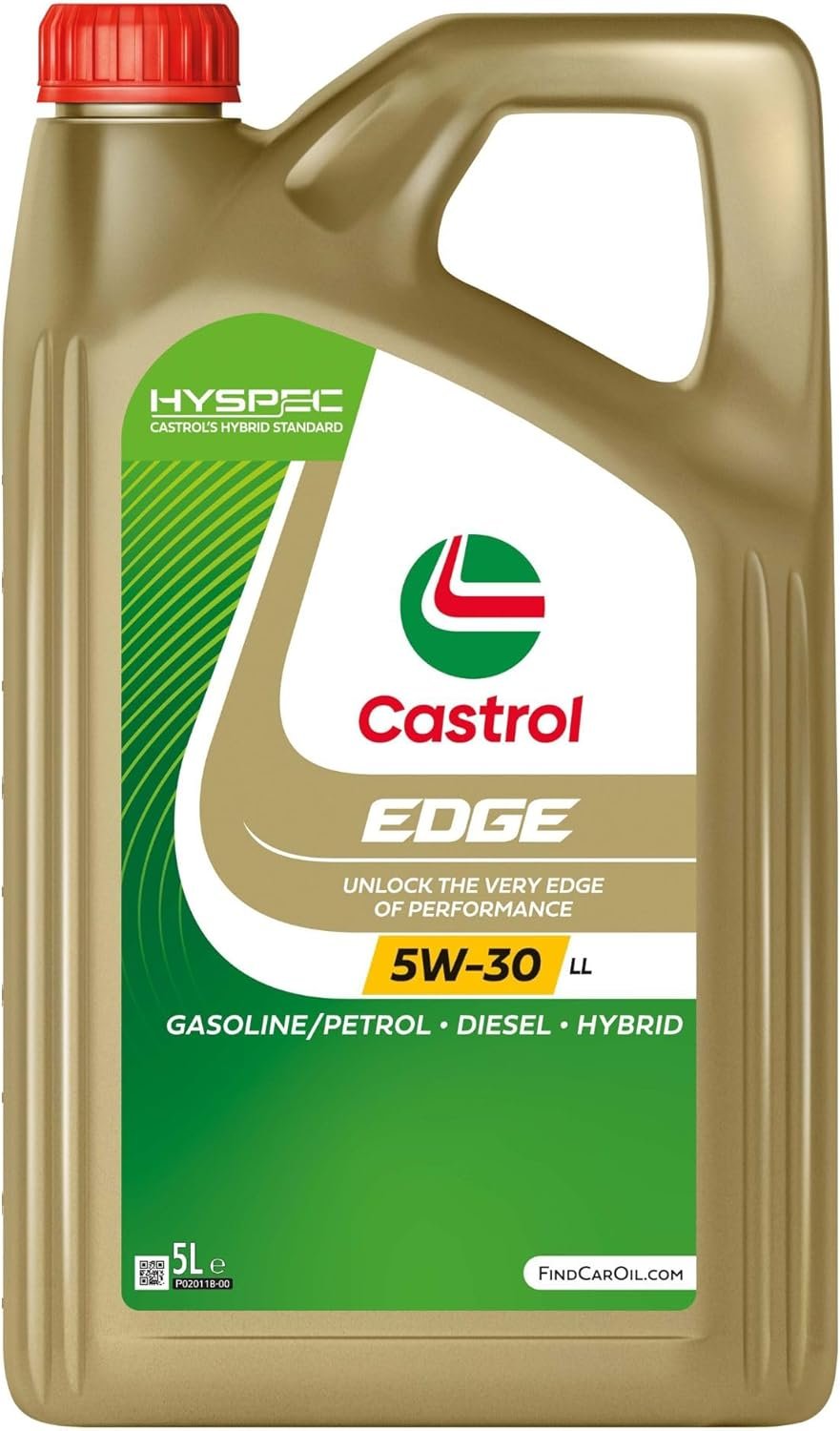
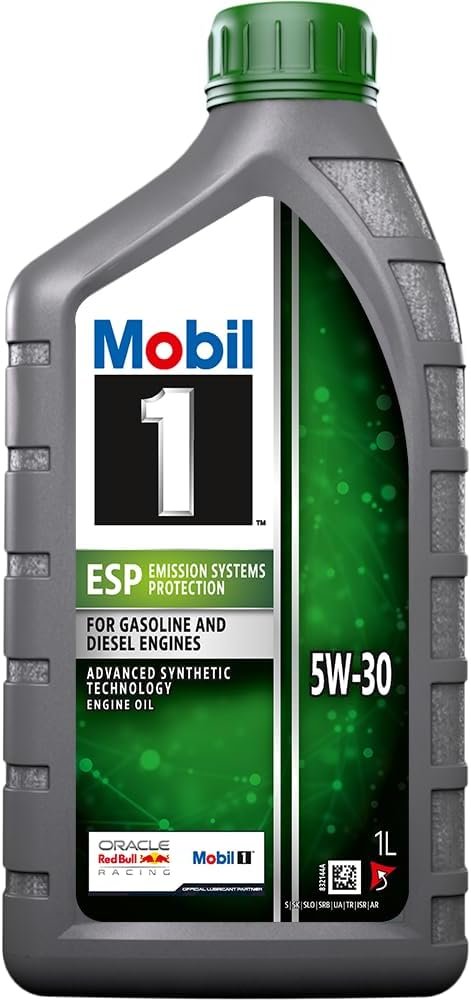
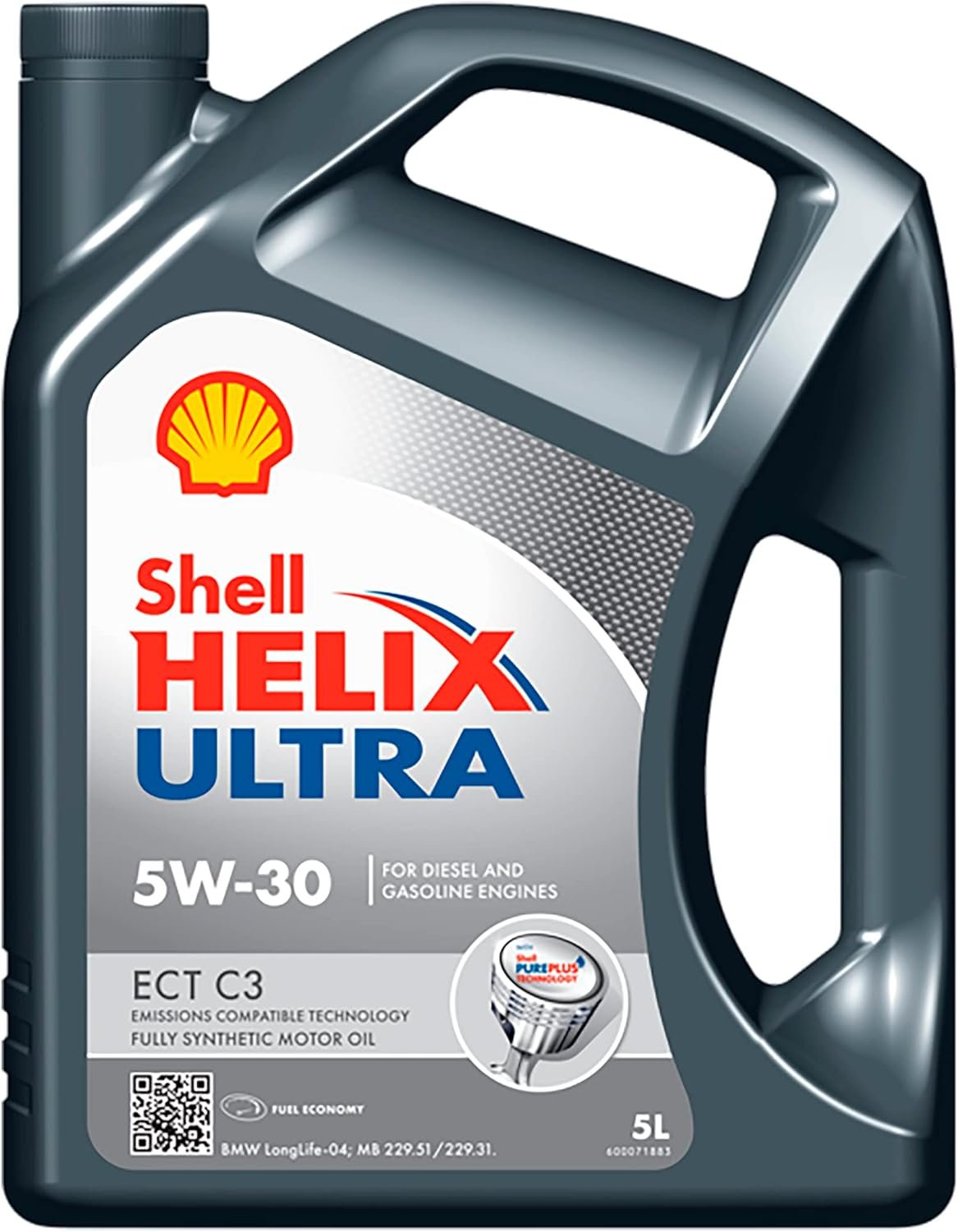
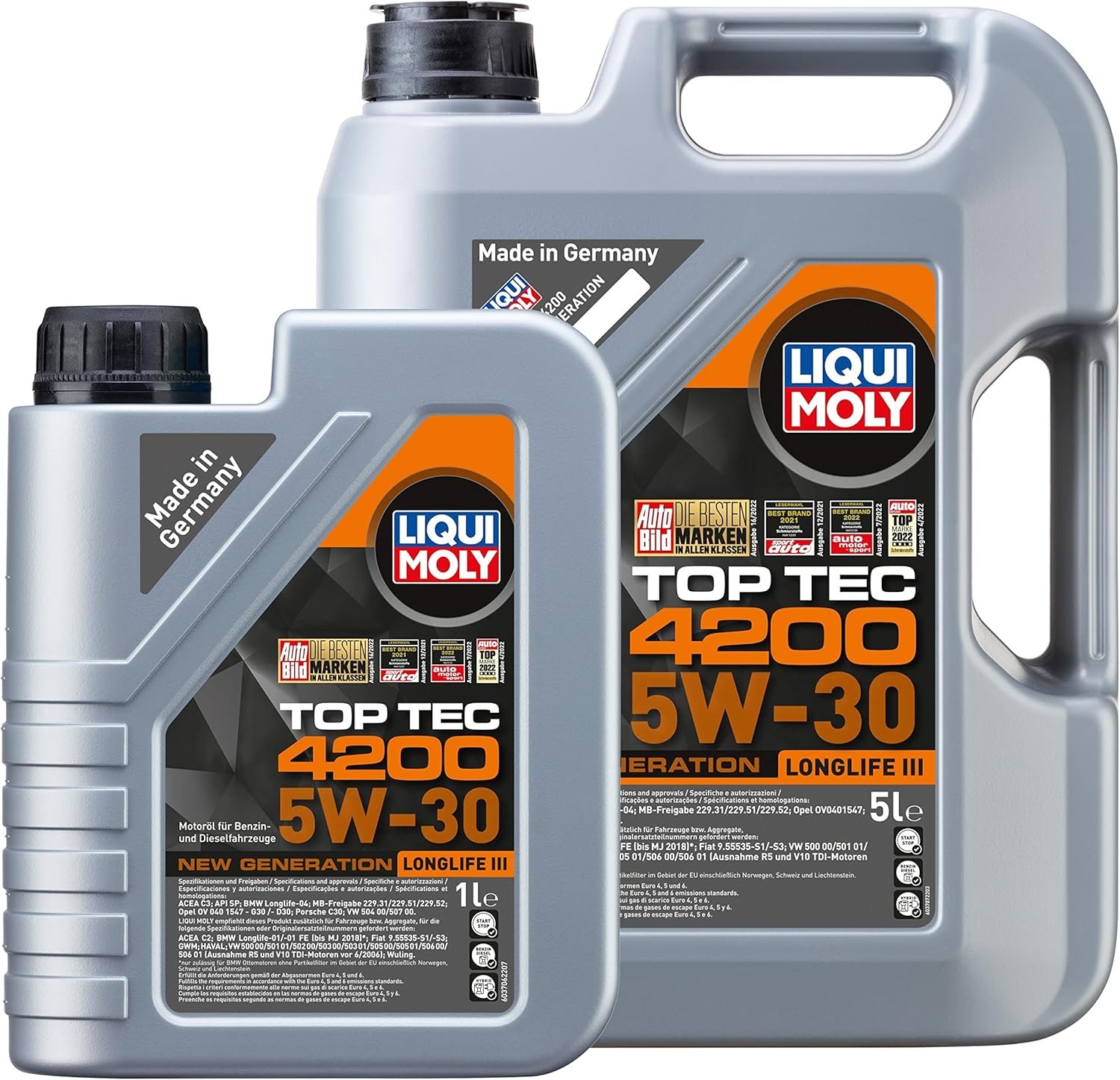
As an Amazon Associate, we may earn from qualifying purchases. This doesn't affect our recommendations — we only suggest oils that hold the exact OEM approval for your engine.
Best Engine Oil for SEAT Alhambra 7N 2.0 TDI (140/150 hp)
The SEAT Alhambra 7N is a genuine seven-seat MPV produced from 2010 to 2022 — one of the longest production runs of any current-generation European people carrier. Built on the same PQ46 platform as the Volkswagen Sharan 7N and sharing its body shell, the Alhambra offers a nearly identical package at a different price point, typically with a SEAT badge premium below that of its Volkswagen sibling.
The 2.0 TDI in 140 hp (CFFB) and 150 hp (CFGB) forms is the workhorse of the Alhambra range — the engine choice for buyers who need the seven-seat MPV to do genuine family work: daily commuting, school runs, holiday motorway trips, and occasional trailer towing. Both engine codes share the same VW 507 00 / 5W-30 oil specification, and the Alhambra’s slightly larger sump than the Sharan means a marginally higher oil capacity: 4.7 litres with a filter change.
Quick Answer: Recommended Oil
- Specification: VW 507 00, ACEA C3
- Primary viscosity: 5W-30
- Alternative viscosity: 0W-30 (approved, equally valid in UK)
- Capacity with filter change: 4.7 litres
- Capacity without filter change: 4.2 litres
VW 507 00 is the mandatory specification for both DPF-equipped 2.0 TDI variants in the Alhambra 7N. The Low SAPS chemistry protects the diesel particulate filter from ash accumulation while the ACEA C3 viscosity classification ensures robust film thickness under the sustained load conditions typical of a fully-laden seven-seat MPV.
The CFFB and CFGB Engines
CFFB (140 hp): The CFFB is an EA189 1,968cc four-cylinder common rail TDI diesel producing 140 hp at 3,500 rpm and 340 Nm at 1,750–2,500 rpm. Like all EA189 2.0 TDI diesels, the CFFB is equipped with an EGR system, diesel oxidation catalyst, and diesel particulate filter for Euro 5 compliance. The CFFB appears across a wide range of VAG Group models — Golf Mk6, Passat B7, Tiguan, Sharan 7N, and here in the Alhambra — making it one of the most widely serviced 2.0 TDI variants in the UK.
CFGB (150 hp): The CFGB represents a slightly uprated version of the same basic EA189 architecture, producing 150 hp and 340 Nm. The 150 hp output is achieved through revised injection timing and turbocharger mapping rather than hardware changes — the oil specification is identical. The CFGB gives the Alhambra improved motorway performance compared to the CFFB, particularly noticeable when carrying a full seven-passenger load on extended journeys.
Both engines are part of the VAG EA189 group subject to the 2015 emissions software remediation (the “diesel gate” recall). UK examples have almost universally been updated at this point, but it is worth confirming on any used purchase.
Technical Specifications
| Parameter | CFFB (140 hp) | CFGB (150 hp) |
|---|---|---|
| Displacement | 1,968 cc | 1,968 cc |
| Configuration | Inline-4, transverse | Inline-4, transverse |
| Power | 103 kW / 140 hp @ 3,500 rpm | 110 kW / 150 hp @ 3,500 rpm |
| Torque | 340 Nm @ 1,750–2,500 rpm | 340 Nm @ 1,500–3,000 rpm |
| Engine family | EA189 | EA189 |
| Emissions | Euro 5 | Euro 5 |
| DPF | Yes | Yes |
| Oil specification | VW 507 00 | VW 507 00 |
| Viscosity | 5W-30 | 5W-30 |
| ACEA | C3 | C3 |
| Oil capacity (with filter) | 4.7 litres | 4.7 litres |
Oil Change Intervals
The Alhambra operates on VAG’s Longlife Service system, potentially displaying intervals up to 30,000 km (18,600 miles) or 24 months with VW 507 00 Longlife-rated oil.
The Alhambra’s typical use pattern — motorway-dominated family transport — is theoretically more compatible with extended Longlife intervals than urban-only use. However:
- 15,000 miles or 12 months is the practical UK independent specialist recommendation
- 10,000–12,000 miles for Alhambaras doing regular towing or carrying consistently full passenger loads
- Annual minimum regardless of mileage for low-mileage examples where condensation from short-trip use compromises oil quality between services
For Alhambra owners using the car as a caravan tower or frequently at maximum payload (seven occupants plus luggage), 10,000-mile intervals are the most appropriate approach.
Why Correct Oil Matters on the Alhambra 2.0 TDI
Maximum payload and oil film thickness: The Alhambra is often driven at its design maximum — seven occupants with luggage on motorway journeys. This sustained high-load operation requires the oil to maintain film thickness at elevated temperatures for extended periods. The 5W-30 C3 grade provides the HTHS (High Temperature High Shear) viscosity necessary to protect crankshaft bearings and camshaft journals under these conditions.
DPF longevity in family MPV use: The Alhambra’s DPF management is influenced by driving pattern. School-run and short-trip owners accumulate soot faster than motorway users, as active regeneration requires sustained high-speed operation. Correct Low SAPS oil (VW 507 00) limits ash accumulation — the non-regenerable element that progressively fills the DPF filter substrate. A DPF replacement on an Alhambra is a significant repair cost; correct oil specification extends the DPF’s service life substantially.
EGR system health: Both the CFFB and CFGB use EGR (exhaust gas recirculation) to reduce NOx emissions. Degraded oil at extended service intervals generates more blow-by vapour contamination of the intake circuit, accelerating EGR carbon buildup. Regular oil changes at 12–15,000 miles slow this process compared to extended Longlife intervals.
Common Alhambra 7N Problems Related to Oil
EA189 emissions recall: The CFFB and CFGB are both within the VW Group EA189 emissions recall. Confirm the software update has been applied on any used purchase. The update does not alter the engine’s oil specification requirements.
DSG dual-clutch gearbox: The Alhambra 7N is commonly fitted with VW’s 6-speed DSG (DQ250), which uses its own separate oil specification (G 052 182 A2 fluid). Engine oil and DSG fluid are completely separate systems — do not confuse them. DSG fluid changes are due at 40,000 miles or when the service indicator requests it.
High-load DPF use: Families using the Alhambra for heavy loads consistently may find the DPF soot accumulates faster than regeneration can clear it, particularly if journeys are predominantly short. If the DPF warning illuminates, a sustained 30-minute motorway run at 60–70 mph usually triggers a full active regeneration. Using correct VW 507 00 oil does not substitute for appropriate driving but is the foundation of long DPF service life.
Coolant system (long production run): The Alhambra 7N’s extended production run means later cars are structurally identical to the earliest examples. On high-mileage early cars (2010–2015 build), coolant pump and thermostat housing condition is worth checking — these components age progressively and coolant loss can cause oil quality deterioration through overheating.
AdBlue (Euro 6 variants): Later Alhambra 7N examples with Euro 6 compliance may be fitted with SCR (Selective Catalytic Reduction) and use AdBlue fluid. This is entirely separate from engine oil. The AdBlue filler has a distinctive blue cap near the fuel filler. The engine oil specification remains VW 507 00 5W-30 regardless.
Conclusion
The SEAT Alhambra 7N 2.0 TDI in CFFB (140 hp) and CFGB (150 hp) forms requires VW 507 00 approved 5W-30 (ACEA C3). Fill to 4.7 litres with a filter change.
Change oil at 15,000 miles or annually for standard use; reduce to 10,000–12,000 miles for towing or consistently fully-loaded operation. The CFFB and CFGB are proven, robust diesel units — widely serviced across the VAG Group range — and respond well to correct maintenance. The Alhambra’s longevity as a production model through to 2022 reflects the genuine quality of the platform when properly maintained.
Sources: Volkswagen AG EA189 engine documentation, VW 507 00 specification, SEAT Alhambra 7N owner’s manual (UK edition), UltimateSpecs SEAT Alhambra 7N database, DVSA VW EA189 emissions recall data.
Our Top Picks
As an Amazon Associate, we may earn from qualifying purchases. This doesn't affect our recommendations — we only suggest oils that hold the exact OEM approval for your engine.