 Oil-
Oil-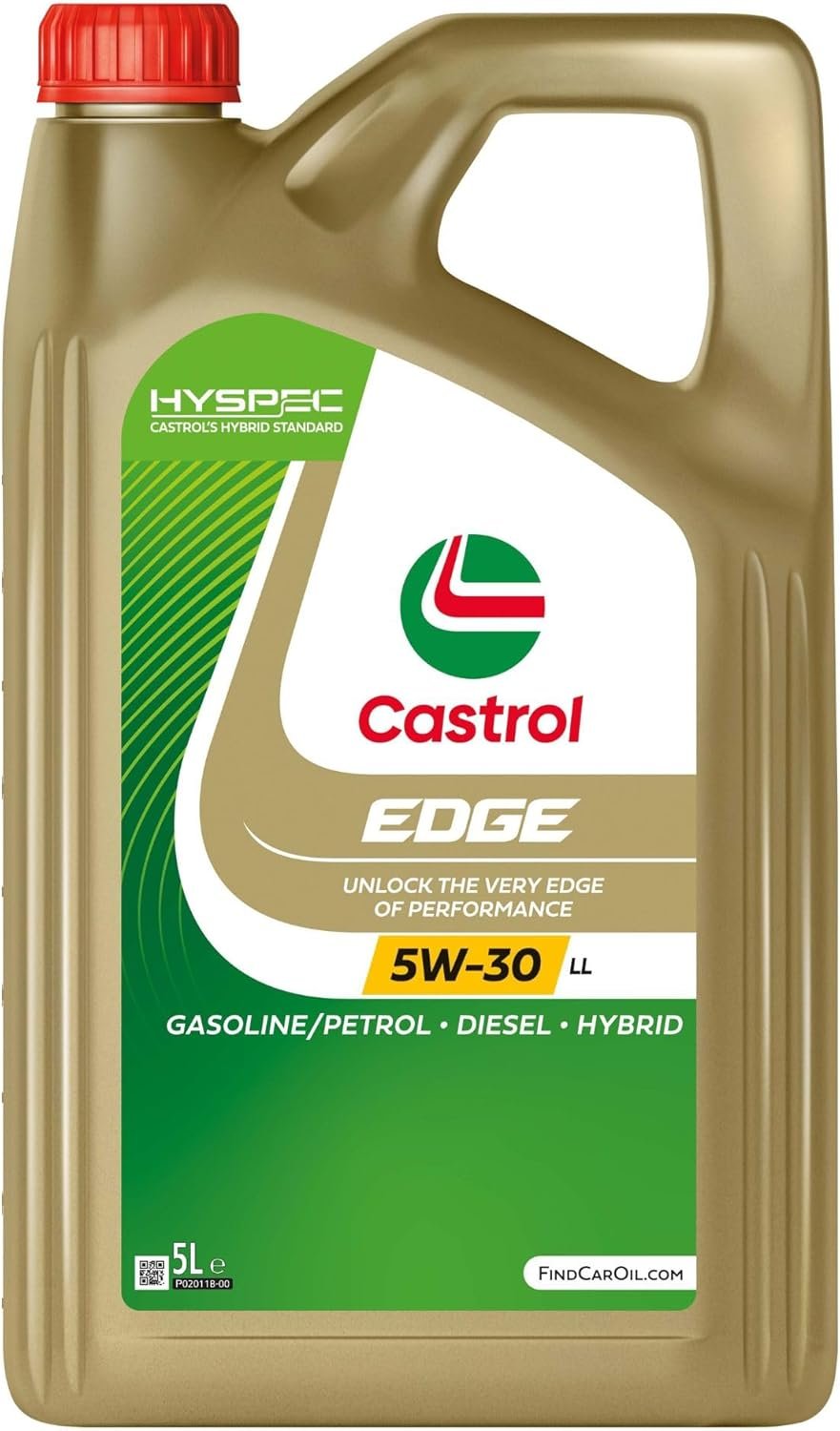
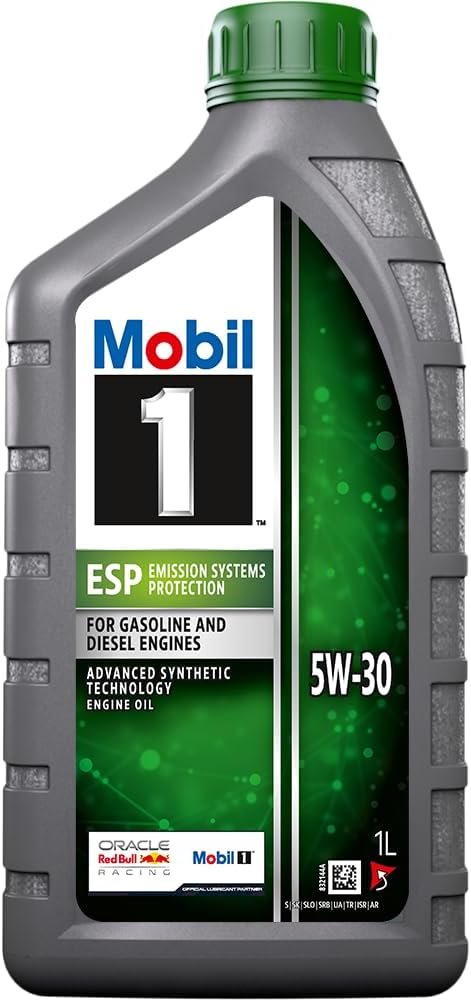
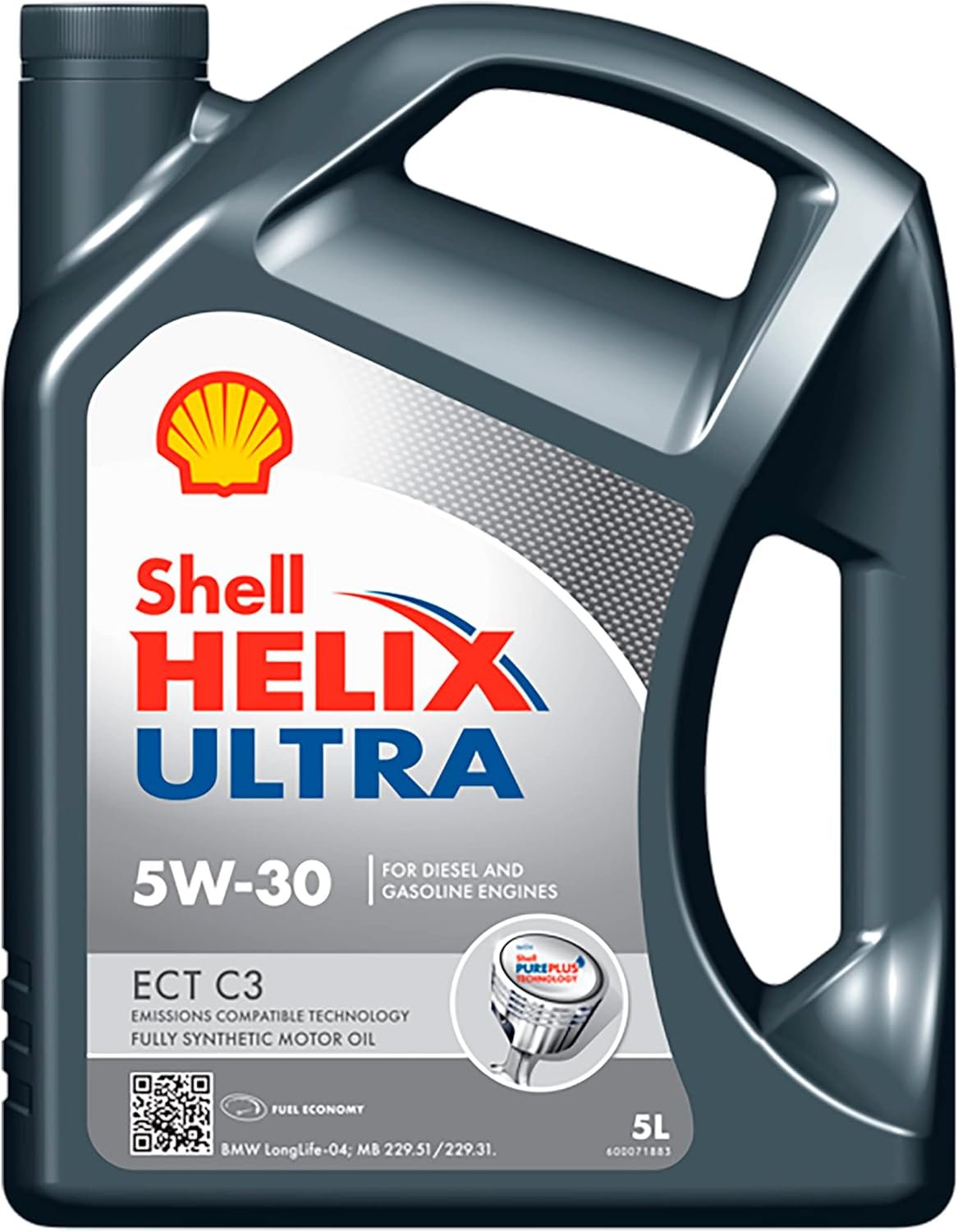
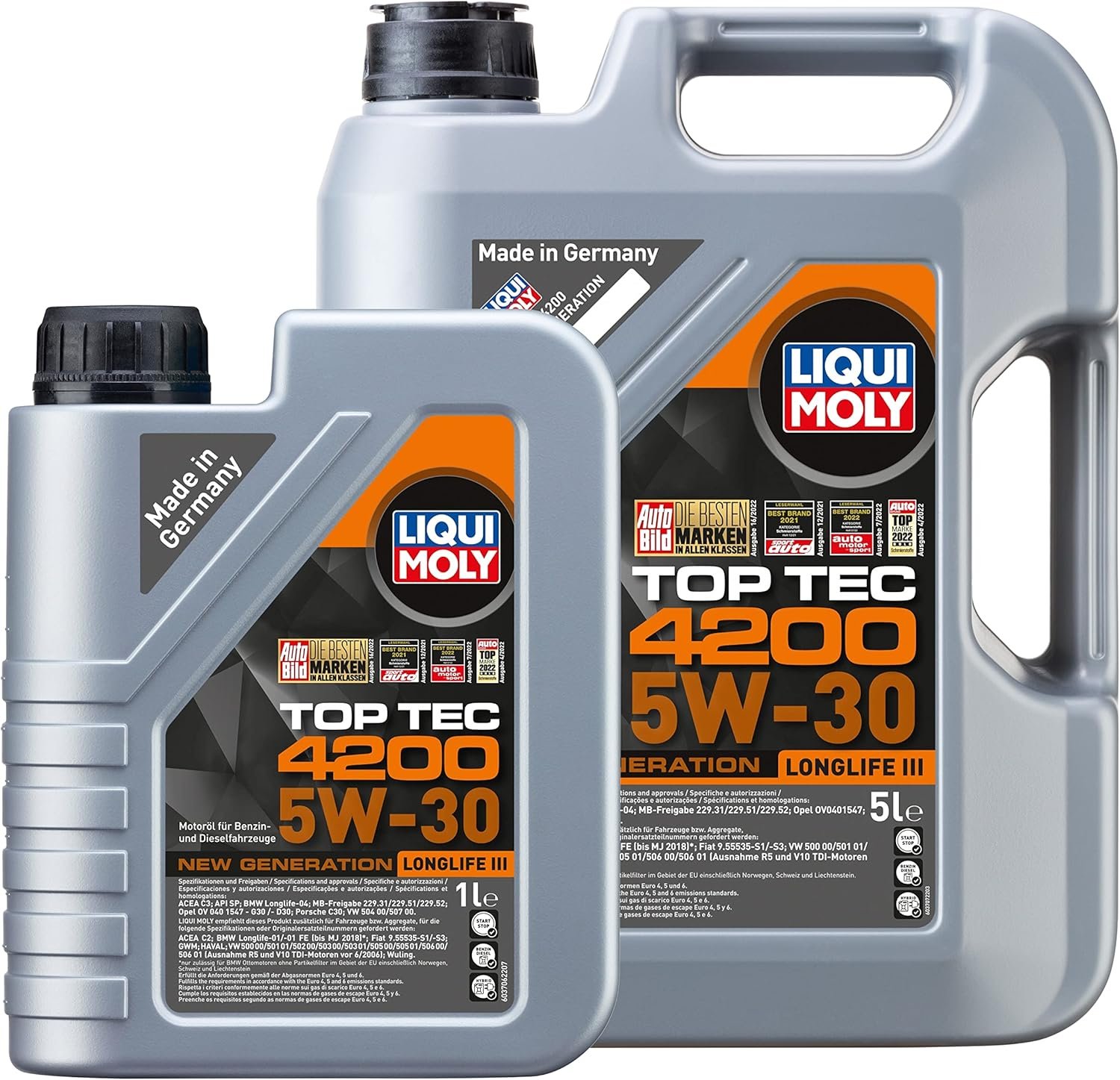
As an Amazon Associate, we may earn from qualifying purchases. This doesn't affect our recommendations — we only suggest oils that hold the exact OEM approval for your engine.
Best Engine Oil for Peugeot 207 1.6 HDi (90/110 hp)
The Peugeot 207 1.6 HDi was one of the most popular small diesel hatchbacks in Europe, built from 2006 to 2014 and sold in enormous numbers in the UK market. The engine powering it — the DV6TED4, carrying PSA engine code 9HZ — is a 1,560cc turbocharged common-rail diesel jointly developed by PSA and Ford, and deployed across an extraordinary breadth of vehicles: Ford Focus Mk2 1.6 TDCi, MINI One D and Cooper D (R55/R56), Volvo C30 and S40/V50 D2, Citroen C3, C4, Berlingo, and Mazda 3 among others. That shared heritage makes the DV6 one of the most well-documented diesel engines in history, and the documentation is notably candid about one specific failure: the turbo oil feed pipe blockage that has ended the life of thousands of these engines.
Avoiding that failure — and protecting everything else the DV6 does well — starts with the right oil. This guide explains precisely what the 207 1.6 HDi requires, why the specification matters, and what the 9HZ’s known weaknesses demand from the lubricant you choose.
Quick Answer: Recommended Oil
For Peugeot 207 1.6 HDi (90/110 hp, engine code 9HZ / DV6TED4):
- Recommended viscosity: 5W-30
- Alternative viscosity: 5W-40 (in hot climates or high-mileage engines only)
- Oil capacity: 3.75 litres with filter (3.5 L without)
- Required norms: ACEA C3, PSA B71 2294
The PSA B71 2294 norm mandates a fully synthetic low-SAPS formulation. This is not optional — the 207’s diesel particulate filter (where fitted) requires low-sulphated ash chemistry to survive to full service life, and the turbo’s oil feed pipe demands a thermally stable oil that does not coke at high temperatures. Change the oil every 5,000–6,000 miles regardless of what the variable service indicator suggests.
The 9HZ / DV6TED4 Engine: Europe’s Most Shared Diesel
Few small diesel engines have spread as widely as the DV6. Introduced in 2001, it was co-developed by PSA Peugeot Citroën and Ford Motor Company under a joint engineering agreement and subsequently licensed to other manufacturers seeking a compact, efficient turbodiesel for their European ranges. In the 207, the 9HZ code identifies the DV6TED4 variant with its Garrett GT1544V variable geometry turbocharger — the same fundamental unit found under the bonnet of contemporary Ford Focus Mk2 1.6 TDCi models, where it carried Ford engine code HHDA or HHDB.
The DV6TED4 displaces 1,560cc from a bore and stroke of 75mm × 88.3mm — an undersquare configuration that prioritises low-speed torque over high-revving power. The 16-valve DOHC aluminium head breathes through a timing belt-driven valvetrain, and Bosch common-rail injection delivers fuel at up to 1,600 bar. In the 207, two states of tune were offered: 90 hp (producing 215 Nm of torque at 1,750 RPM) and 110 hp (producing 240 Nm at the same engine speed). The difference between them lies in turbo boost calibration and ECU mapping, not fundamental hardware — both versions share identical oil specifications and capacity.
The engine’s aluminium construction and relatively small displacement mean the oil system is working at high intensity. With only 3.5 litres of oil in the sump, soot contamination and thermal degradation accumulate faster than in larger-capacity engines, making oil change frequency as important as oil specification.
Understanding PSA B71 2294 and ACEA C3
PSA B71 2294 is the manufacturer-specific approval that PSA Peugeot Citroën requires for the later DV6 diesel engines, superseding the earlier B71 2290 norm used on the first-generation DV6 variants. The distinction matters: B71 2294 permits both ACEA C3 and ACEA C2 formulations, but oils approved to this standard are tested specifically for compatibility with PSA’s DPF systems and turbocharger hardware as fitted to the 207.
Why ACEA C3 applies here. The 9HZ engine in the 207 has a slightly higher viscosity requirement than the earliest DV6 generations, and PSA’s testing for the B71 2294 approval set was conducted primarily with C3-grade oils. ACEA C3 mandates a minimum HTHS (high-temperature high-shear) viscosity of 3.5 mPa·s, providing stronger oil film protection at the extreme temperatures the turbo bearing housing generates. This is the specification to match for a 207 — use an oil carrying explicit PSA B71 2294 approval, and it will meet the viscosity, low-SAPS chemistry, and DPF-compatibility requirements in a single product.
Low-SAPS chemistry and the DPF. Sulphated ash is a non-combustible residue left behind when engine oil burns. In a diesel particulate filter, ash accumulates with every active regeneration cycle and cannot be burned away — it must be removed during DPF replacement. High-ash oils accelerate this process dramatically. ACEA C3 limits sulphated ash to a maximum of 0.8% by mass, which extends DPF service life substantially compared to older API or ACEA A3/B4 oils. Using the wrong oil in a 207 with a DPF shortens filter life and can trigger forced regeneration cycles that dilute the engine oil with unburned diesel, compounding wear on every other engine component.
The 5W-40 alternative. A 5W-40 oil meeting PSA B71 2294 and ACEA C3 can be used as an alternative, particularly in older high-mileage 207s where slightly higher operating viscosity helps compensate for worn valve stem seals or piston rings. In normal UK climates and on engines with fewer than 100,000 miles, 5W-30 is always the preferred specification.
Technical Specifications: 207 1.6 HDi (9HZ)
| Specification | Value |
|---|---|
| Displacement | 1,560cc |
| Layout | Inline-4, transverse, aluminium block and head |
| Valvetrain | DOHC, 16 valves, timing belt |
| Bore × Stroke | 75mm × 88.3mm |
| Compression Ratio | 18:1 |
| Power output | 90 hp @ 4,000 RPM / 110 hp @ 4,000 RPM |
| Torque | 215 Nm (90 hp) / 240 Nm (110 hp) @ 1,750 RPM |
| Fuel system | Bosch common-rail direct injection, up to 1,600 bar |
| Turbocharger | Garrett GT1544V (variable geometry) |
| Recommended viscosity | 5W-30 |
| Alternative viscosity | 5W-40 |
| Oil capacity (without filter) | 3.5 litres |
| Oil capacity (with filter) | 3.75 litres |
| ACEA norm | C3 |
| PSA norm | PSA B71 2294 |
Oil Change Intervals
PSA official recommendation: Up to 12,500 miles or 24 months on variable service indicator.
Recommended practice: 5,000–6,000 miles or 6 months, whichever comes first.
PSA’s long-life service intervals were designed to reduce cost-of-ownership figures on paper and work adequately under ideal conditions — sustained motorway driving, frequent warm-up cycles, relatively fresh oil. They are poorly suited to the reality of UK driving, which for most 207 owners means predominantly urban or mixed short-trip use. Under these conditions, oil degradation and soot contamination accumulate far faster than mileage accumulates.
The 9HZ’s small sump volume (3.75 litres with filter) means each litre of oil carries a disproportionate share of the combustion byproducts that condense and accumulate during normal diesel operation. By 8,000–9,000 miles in mixed UK use, the oil in a DV6 is typically heavily loaded with soot, acid compounds, and fuel dilution from DPF regeneration. At this point, its detergent capacity is approaching exhaustion and its actual viscosity may have shifted significantly from its rated grade.
Dropping to 5,000–6,000 miles between changes is the single most effective preventive maintenance action available to 207 1.6 HDi owners. It keeps the turbo oil feed pipe clean, prevents EGR fouling, slows DPF ash loading, and maintains adequate detergent levels between changes. The cost difference between two services per year and one is roughly £35–50 — a fraction of what any of the engine’s common failure modes cost to repair.
Why Correct Oil Matters for the DV6TED4
The DV6TED4 is a thermally demanding engine in a compact package. Its Garrett GT1544V variable geometry turbocharger spins at up to 200,000 RPM on a journal bearing that is lubricated and cooled entirely by the engine oil flowing through the feed pipe. The oil must simultaneously carry heat away from the bearing housing, maintain a hydrodynamic film between the spinning shaft and its bearing surface, and do so through a feed passage with an internal bore of approximately 2mm.
This narrow bore is where the DV6’s most serious vulnerability lives.
Heat soak and oil coking. When a hot engine is switched off, oil circulation stops. The turbocharger, which has been operating at high temperature and speed, continues to radiate heat into the bearing housing and the oil trapped in the feed pipe. Without flow to carry it away, this heat breaks down the oil, converting it into solid carbonaceous deposits — a process called coking. Over many heat cycles, these deposits progressively narrow the already small bore of the feed pipe. As the bore narrows, oil flow to the turbo bearing during running decreases. The bearing runs hotter, accelerating further coking in a feedback loop that ultimately results in turbo bearing failure.
The symptom sequence is typically: a faint whine or whistle that changes with engine load → increased shaft play detectable as blade wobble → oil leaking past damaged seals into the intake and exhaust → blue-white smoke on start-up and under load → complete turbo seizure.
The modified banjo bolt fix. PSA and specialist suppliers subsequently made available a modified banjo bolt (PSA part reference 0376 60) with an extended filter element running the full length of the bolt’s internal bore rather than just across its inlet holes. This increased filtration surface area significantly reduces the risk of debris or carbon particles reaching the turbo bearing and also improves the filterability of the oil entering the feed pipe. Fitting this modified banjo bolt — or having it verified as already present on a higher-mileage 207 — is recommended alongside more frequent oil changes as a preventive measure.
Oil quality and coking resistance. A fully synthetic oil meeting PSA B71 2294 is substantially more resistant to coking than older semi-synthetic or mineral formulations. The synthetic base stock retains its molecular structure at higher temperatures, producing far less carbonaceous residue when heat-soaked. This is the chemical reason why the specification matters in practice, not merely on paper.
Common 9HZ Problems Related to Oil
Turbo failure from oil feed pipe blockage. This is the defining failure mode of the DV6 generation. The narrow oil feed pipe, combined with PSA’s original long service intervals and the turbo’s extreme operating temperatures, produced a pattern of turbo failures that affected the Ford Focus TDCi, Peugeot 307, 207, Citroen C4, and MINI Cooper D in significant numbers across the UK. Prevention requires correct oil specification, shortened change intervals (5,000–6,000 miles maximum), a 60-second idle cool-down before switching off after sustained hard running, and ideally the fitment of the revised banjo bolt. Turbo replacement on a 207 costs £450–900 depending on whether an exchange unit or pattern part is used and local labour rates.
EGR valve carbon fouling. The exhaust gas recirculation system on the DV6 routes hot exhaust gases back into the intake manifold to reduce NOx emissions. These gases carry fine soot particles that deposit progressively on the EGR valve, its associated pipework, and the inlet manifold walls. On 207s used predominantly for short urban journeys — where exhaust temperatures rarely climb high enough to burn off lighter deposits — this fouling accelerates to the point where the valve seizes open or closed. An open EGR valve causes rough idle, sluggish power delivery and increased smoke; a closed valve can trigger warning lights and, depending on the engine management calibration, a limp-home mode. Regular longer runs at sustained speed help manage this, as do oil changes that keep internal engine soot at low levels. Periodic EGR cleaning with intake spray cleaner is a cost-effective preventive measure on high-mileage examples.
DPF blockage and oil dilution. The diesel particulate filter on DPF-equipped 207 models regenerates by injecting additional fuel into the combustion cycle to raise exhaust temperature above the soot combustion threshold (typically 600°C). During active regeneration, a proportion of this additional fuel passes the piston rings and enters the sump, diluting the engine oil. With the DV6’s small 3.5-litre sump, even modest fuel dilution causes a measurable drop in oil viscosity. Frequent short trips that prevent passive regeneration accelerate this cycle. Low-SAPS oil meeting PSA B71 2294 slows ash accumulation in the DPF; shortened oil change intervals mitigate the effects of fuel dilution on oil film strength. Ignoring both and using a high-ash non-approved oil is the most reliable way to shorten DPF life to below 50,000 miles.
Timing belt and water pump. The DV6TED4 uses a timing belt with a recommended replacement interval of 10 years or 120,000 miles. On an interference engine, a belt failure causes catastrophic valve and piston damage. Given that many 207s are now approaching or past this mileage threshold, confirming the belt’s service history is advisable at purchase or during ownership. This is not oil-related but is the second most significant mechanical risk on this engine.
Conclusion
The Peugeot 207 1.6 HDi requires a fully synthetic 5W-30 engine oil meeting ACEA C3 and PSA B71 2294, with an oil capacity of 3.75 litres including the filter. The 9HZ DV6TED4 is a mechanically well-designed engine whose reputation for turbo failure is almost entirely a consequence of marginal oil feed pipe geometry combined with the long service intervals PSA originally recommended — not an inherent weakness in the engine’s core architecture.
Use the correct specification oil, change it every 5,000–6,000 miles, allow a short idle cool-down after sustained hard driving, and consider fitting the revised banjo bolt if the vehicle has covered significant mileage. Do these things consistently and the DV6 will return excellent fuel economy — typically 55–65 mpg on mixed driving — and reliable service well beyond 150,000 miles. Neglect the oil and the turbo will fail, usually between 80,000 and 120,000 miles, at a repair cost that substantially exceeds the combined cost of a decade’s worth of more frequent oil changes.
Our Top Picks
As an Amazon Associate, we may earn from qualifying purchases. This doesn't affect our recommendations — we only suggest oils that hold the exact OEM approval for your engine.