 Oil-
Oil-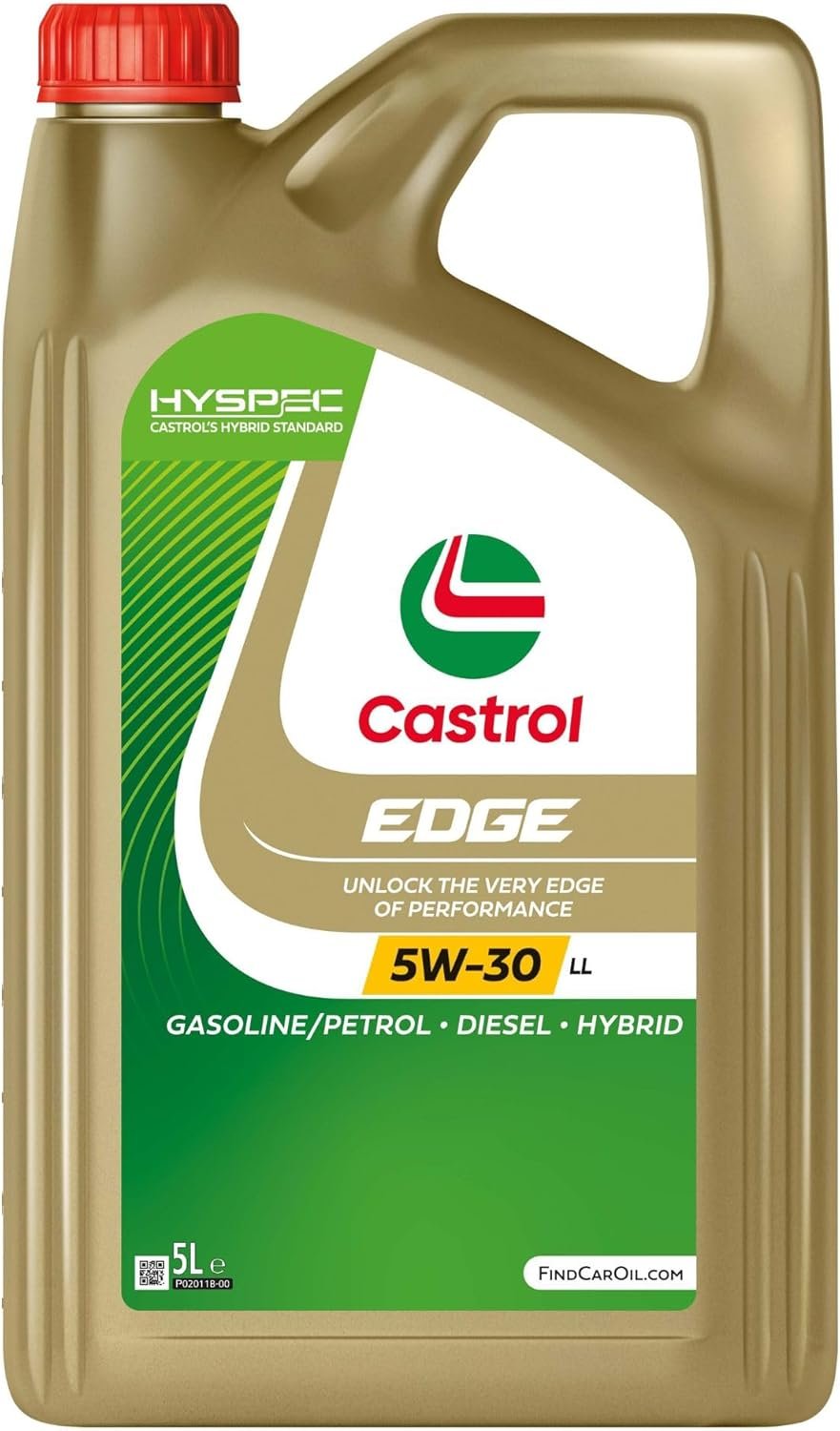
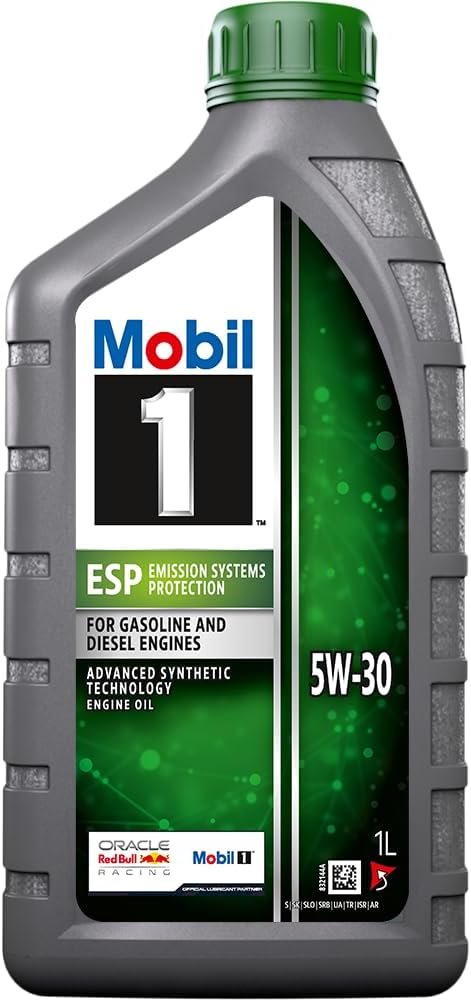
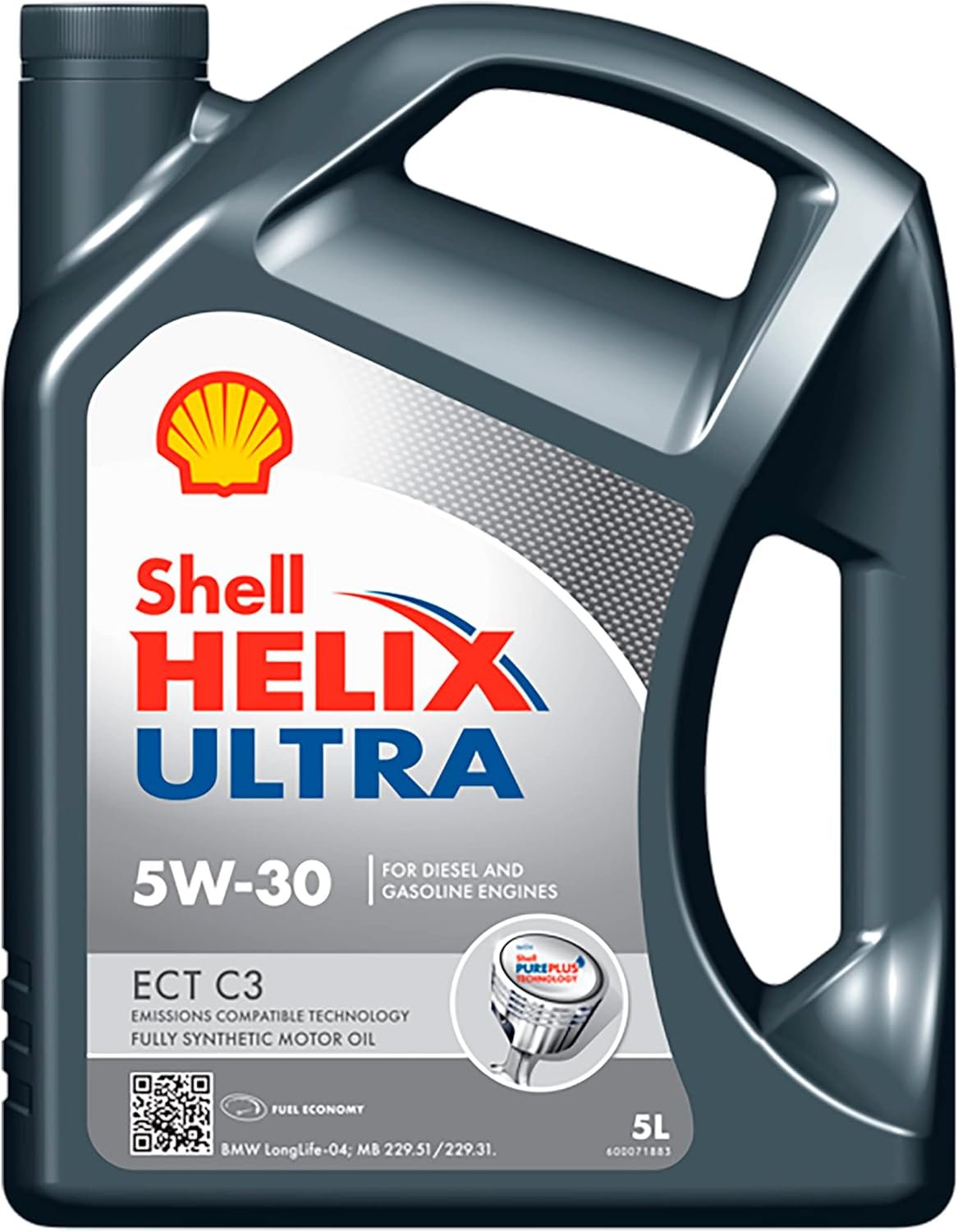
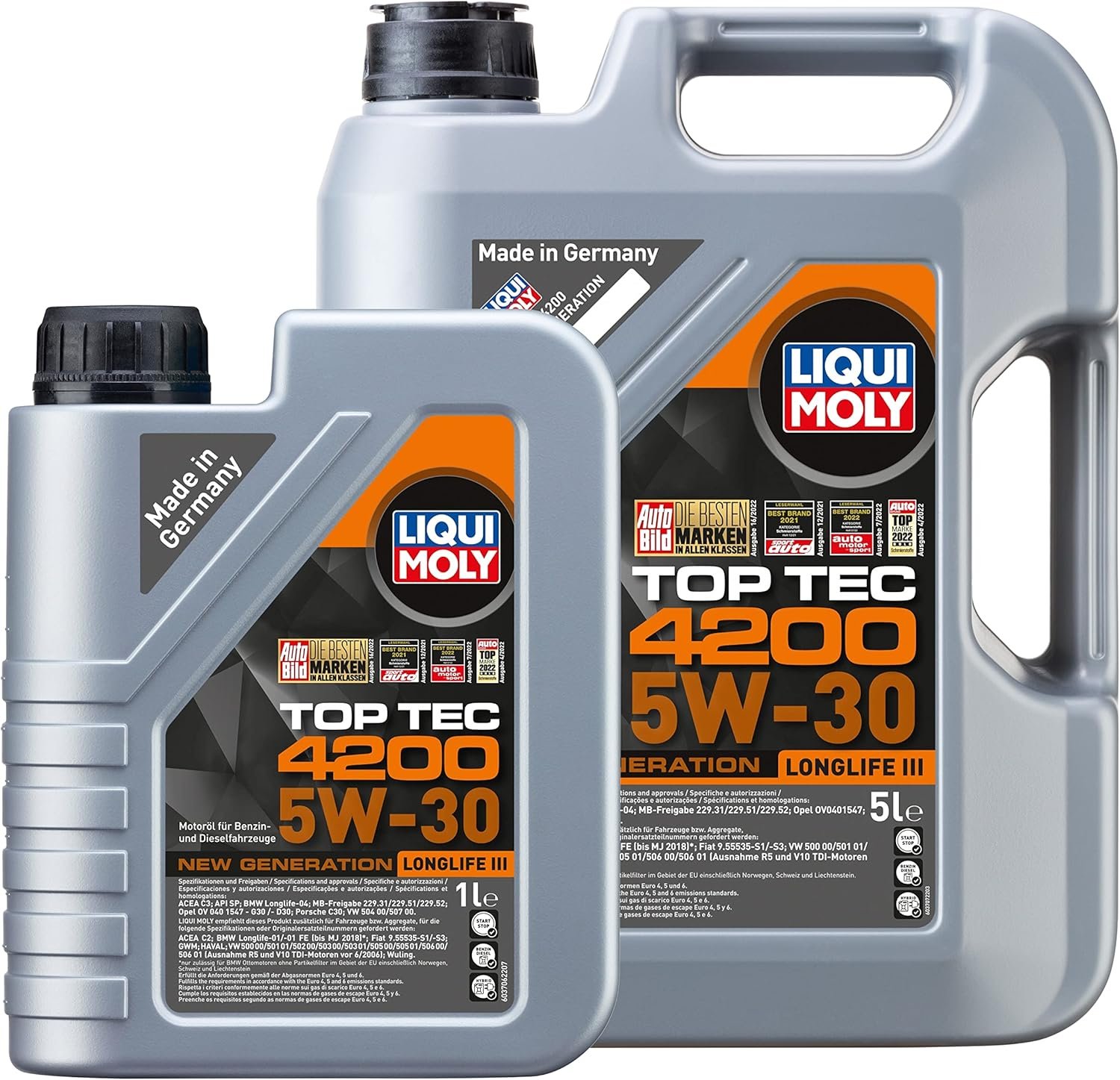
As an Amazon Associate, we may earn from qualifying purchases. This doesn't affect our recommendations — we only suggest oils that hold the exact OEM approval for your engine.
Best Engine Oil for Citroën C4 1st Gen 1.6 HDi (90/110 hp) – Specifications Guide
When the original Citroën C4 arrived in 2004, its bold, polarising styling signalled that the French manufacturer was done playing it safe. Swooping bodywork, a dramatic pillar-less rear door on the coupe variant, and the now-legendary fixed-hub steering wheel — which stays stationary while the rim turns — made it one of the most distinctive family hatchbacks of its era. Underneath that styling, however, the C4 relied on proven PSA Group engineering, and in 1.6 HDi form that meant the DV6TED4 diesel unit shared with Peugeot, Ford, and a range of other manufacturers across Europe.
The 9HZ engine code identifies the specific tune used in first-generation C4 models, producing either 90 hp or 110 hp depending on the variant and market. It is a robust, broadly reliable diesel, but it carries well-documented sensitivities that are directly tied to oil quality and service discipline. Getting the specification right is not optional — it is the single most effective thing an owner can do to extend the life of this powertrain.
Quick Answer: Recommended Oil
- Primary specification: 5W-30, ACEA C3, meeting PSA B71 2294
- Alternative viscosity: 5W-40 (same ACEA C3 / PSA B71 2294 approval required)
- Oil capacity (drain and refill): 3.4 litres
- Oil capacity with filter change: 3.75 litres
Always use a Low-SAPS (Low Sulphated Ash, Phosphorus, Sulphur) oil meeting ACEA C3. Conventional ACEA A3/B4 oils are not compatible with the DPF-equipped versions of this engine.
The DV6TED4 Engine
The DV6TED4 is part of the PSA DV6 family, a jointly developed diesel architecture produced in collaboration with Ford Motor Company. The partnership allowed both groups to share development costs while deploying the unit across an unusually wide range of vehicles — the same basic block appeared in Citroëns, Peugeots, Fords, Volvos, Minis, and Land Rovers, in varying states of tune.
The DV6TED4 designation breaks down meaningfully: DV stands for Diesel Vertical (the cylinder axis orientation), 6 denotes the displacement class, T indicates turbocharging, E refers to the common-rail direct injection system, and D4 identifies the generation of Bosch high-pressure injection equipment. In the C4, the unit is mated to a variable-geometry turbocharger — a BorgWarner unit on the 110 hp variant — which allows the engine to build boost pressure efficiently across a wide rev range without the lag typical of fixed-geometry turbines.
The engine’s short block is a cast iron affair with a comparatively modest swept volume of 1,560 cc. That compact displacement, combined with the demands of turbocharging and common-rail injection pressures that regularly exceed 1,600 bar, places meaningful thermal and mechanical stress on internal surfaces. The oil film maintaining the turbocharger’s shaft bearings, the injector return lines, and the camshaft journals is working hard at all times.
Understanding PSA Oil Specifications
The correct specification for this engine is PSA B71 2294, which Citroën introduced to address the particular lubrication demands of its turbocharged diesel engines equipped with Diesel Particulate Filters (DPF). The norm defines strict limits on sulphated ash content — typically no more than 0.8% — which directly protects the DPF from accelerated clogging caused by ash build-up in the filter substrate.
The relationship between ACEA C3 and PSA B71 2294 is hierarchical. ACEA C3 sets the minimum performance baseline; PSA B71 2294 is an OEM approval that verifies a specific oil has been tested against Citroën’s engine hardware and meets additional criteria beyond the generic ACEA standard. When purchasing oil, look for both designations on the label — ACEA C3 alone is a necessary but not sufficient qualification.
An older, related specification — PSA B71 2290 — was the predecessor norm, applying to non-DPF diesels. If the C4 in question carries a DPF (as most post-2006 UK-market cars do), B71 2294 is the mandatory specification. Using a B71 2290 or generic ACEA B4 oil in a DPF-equipped car risks premature filter blockage, requiring costly regeneration or replacement.
The 5W-30 viscosity grade suits UK operating temperatures across all seasons. The “W” (winter) rating ensures adequate cold-start flow at typical British winter temperatures, while the 30 grade provides a sufficient film thickness at operating temperature. A 5W-40 alternative is permissible in the same approval class if ambient temperatures are consistently higher, though for year-round UK driving the 5W-30 remains the preferred choice.
Technical Specifications
| Parameter | Specification |
|---|---|
| Engine family | PSA DV6 |
| Engine code | 9HZ (DV6TED4) |
| Displacement | 1,560 cc |
| Configuration | 4-cylinder, inline, transverse |
| Bore × Stroke | 75.0 mm × 88.3 mm |
| Compression ratio | 18.0:1 |
| Power output | 90 hp (66 kW) @ 4,000 rpm / 110 hp (80 kW) @ 4,000 rpm |
| Peak torque | 215 Nm @ 1,750 rpm (90 hp) / 240 Nm @ 1,750 rpm (110 hp) |
| Injection system | Bosch common-rail, up to 1,600 bar |
| Turbocharger | Fixed-vane (90 hp) / Variable-geometry BorgWarner (110 hp) |
| Recommended oil viscosity | 5W-30 |
| Alternative viscosity | 5W-40 |
| Oil specification | ACEA C3, PSA B71 2294 |
| Oil capacity (no filter) | 3.4 litres |
| Oil capacity (with filter) | 3.75 litres |
| Standard service interval | 20,000 km / 1 year (whichever comes first) |
Oil Change Intervals
Citroën’s factory service interval for the first-generation C4 1.6 HDi is stated at 20,000 km or one year, whichever is reached first. In practice, many DV6 specialists and experienced owners recommend shortening this to 12,000–15,000 km or 12 months for vehicles subjected to regular short-trip urban driving, motorway commuting with frequent idling, or towing.
The reasoning is straightforward: the DV6 carries only 3.75 litres of oil when filled with a new filter. That is a modest sump volume for a turbocharged diesel engine working to meet Euro 4 emissions standards. Combustion by-products, including soot load from DPF regeneration cycles, accumulate in the oil with each operating hour. Shorter intervals keep the oil’s Total Base Number (TBN) — its acid-neutralising reserve — from depleting before the next change, protecting bearing surfaces and the turbocharger in particular.
If the vehicle completes frequent short journeys under ten minutes, full operating temperature may never be reached, meaning passive DPF regeneration is incomplete and diesel dilution of the sump oil can occur. In these circumstances, annual changes regardless of mileage are advisable.
Why Correct Oil Matters for the DV6
The DV6TED4’s turbocharger is fed engine oil through a small-diameter feed pipe that connects via a banjo bolt on the front of the engine block. Inside that banjo bolt sits an integral mesh strainer filter — a fine gauze screen designed to prevent particulate matter from reaching the turbocharger’s shaft bearings. This is the critical weak point in the system.
When engine oil is allowed to degrade significantly between service intervals, or when an incorrect specification oil is used, carbon and soot deposits accumulate at a faster rate. These deposits can partially or fully block the strainer in the turbo oil feed banjo bolt. The result is oil starvation at the turbocharger — bearings run with insufficient lubrication, heat builds rapidly, and shaft seal failure follows. The tell-tale signs are blue smoke from the exhaust (indicating oil consumption through the turbine seals), excessive shaft play detectable by hand, and in advanced cases, catastrophic bearing collapse.
The EGR (Exhaust Gas Recirculation) system adds a secondary concern. The DV6 recirculates exhaust gases back into the intake manifold to reduce NOx emissions, and over time, a mixture of soot and condensed oil vapour builds up into a thick, waxy deposit inside the EGR valve and intake manifold. This restricts airflow, reduces combustion efficiency, and places greater thermal load on the engine — accelerating oil degradation in turn. Low-SAPS oils specified by PSA B71 2294 produce less ash and soot than conventional diesel oils, slowing the rate of EGR and DPF fouling.
Using the correct oil and adhering to — or shortening — the service interval directly interrupts this degradation cycle.
Common DV6 Problems Related to Oil
Turbocharger bearing failure is the most frequently cited serious failure on the DV6 family, and in the majority of cases the root cause is oil-related: either neglected service intervals, incorrect oil specification, or a blocked turbo feed strainer. The banjo bolt strainer should be inspected — and cleared if necessary — at every service. Replacement banjo bolts with a larger-capacity, removable strainer are available as an aftermarket upgrade and represent worthwhile insurance on high-mileage examples.
Oil pressure warning at idle is reported on some C4 HDi examples, particularly after hard driving followed by an immediate engine shutdown. This is a heat-soak symptom: the turbocharger continues to spin after the oil pump stops, and residual heat in the centre section can carbonise the thin oil film on the shaft. Allowing the engine to idle for 60–90 seconds before switching off reduces thermal stress on the bearing surfaces. Some owners fit inexpensive turbo timer devices to automate this.
EGR valve sticking or failure on high-mileage DV6 engines produces rough idle, reduced power, and occasional limp-home mode. While this is largely a function of accumulated deposits rather than oil specification directly, maintaining clean oil reduces the intake system’s exposure to additional carbon-loading from blow-by.
Injector seal degradation leading to a diesel smell in the cabin or visible sooting around injector bodies is a known DV6 characteristic on older units. Seals harden with heat cycles, and the high-pressure regime of the common-rail system exposes any weakness. This is not oil-dependent, but it contributes to combustion by-product contamination of the sump if unaddressed.
Conclusion
The Citroën C4 1st Gen 1.6 HDi is, by modern standards, a straightforward and durable diesel when maintained correctly. The DV6TED4 engine’s vulnerabilities — turbocharger oil starvation, EGR fouling, DPF clogging — are all meaningfully influenced by oil quality and service frequency. Specifying a 5W-30 (or 5W-40) oil that meets ACEA C3 and carries PSA B71 2294 approval, changing it at no more than 12-month intervals, and keeping an eye on the turbo feed banjo bolt strainer are the three most cost-effective steps any C4 HDi owner can take. Fill to 3.75 litres when replacing the filter, check the dipstick, and the engine will repay the attention with many more years of reliable service.
Our Top Picks
As an Amazon Associate, we may earn from qualifying purchases. This doesn't affect our recommendations — we only suggest oils that hold the exact OEM approval for your engine.