 Oil-
Oil-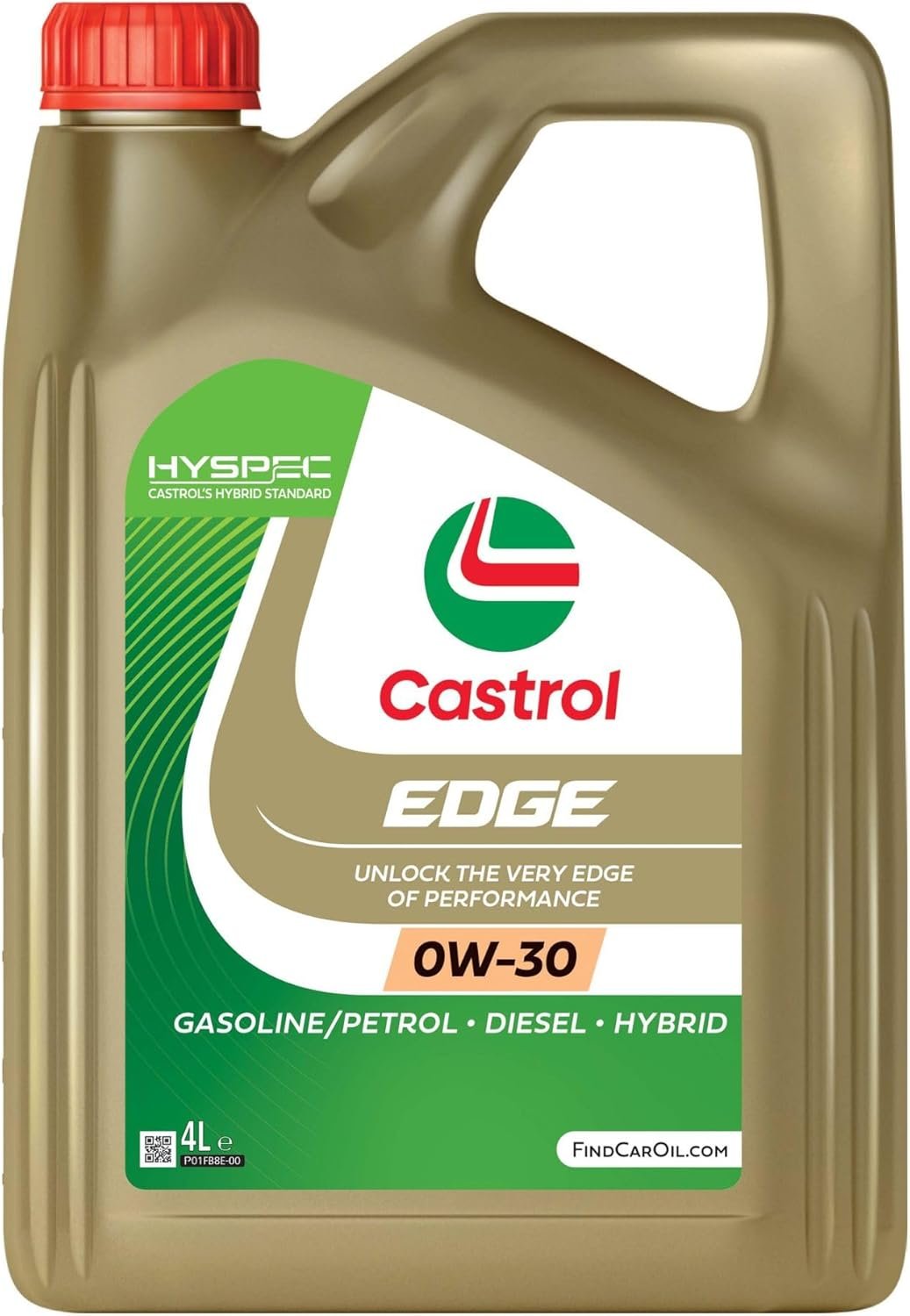
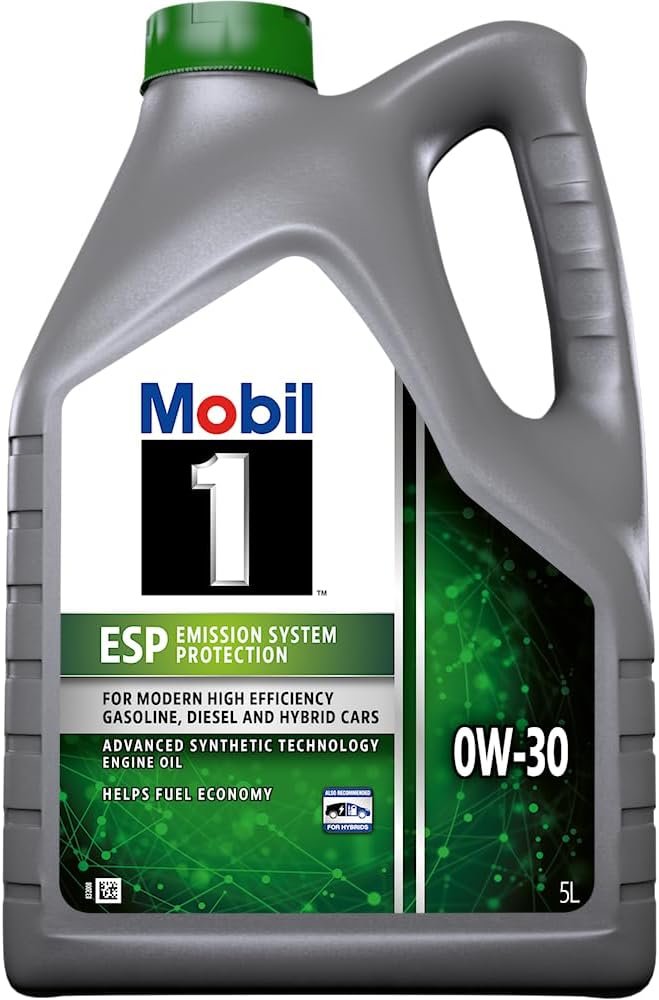
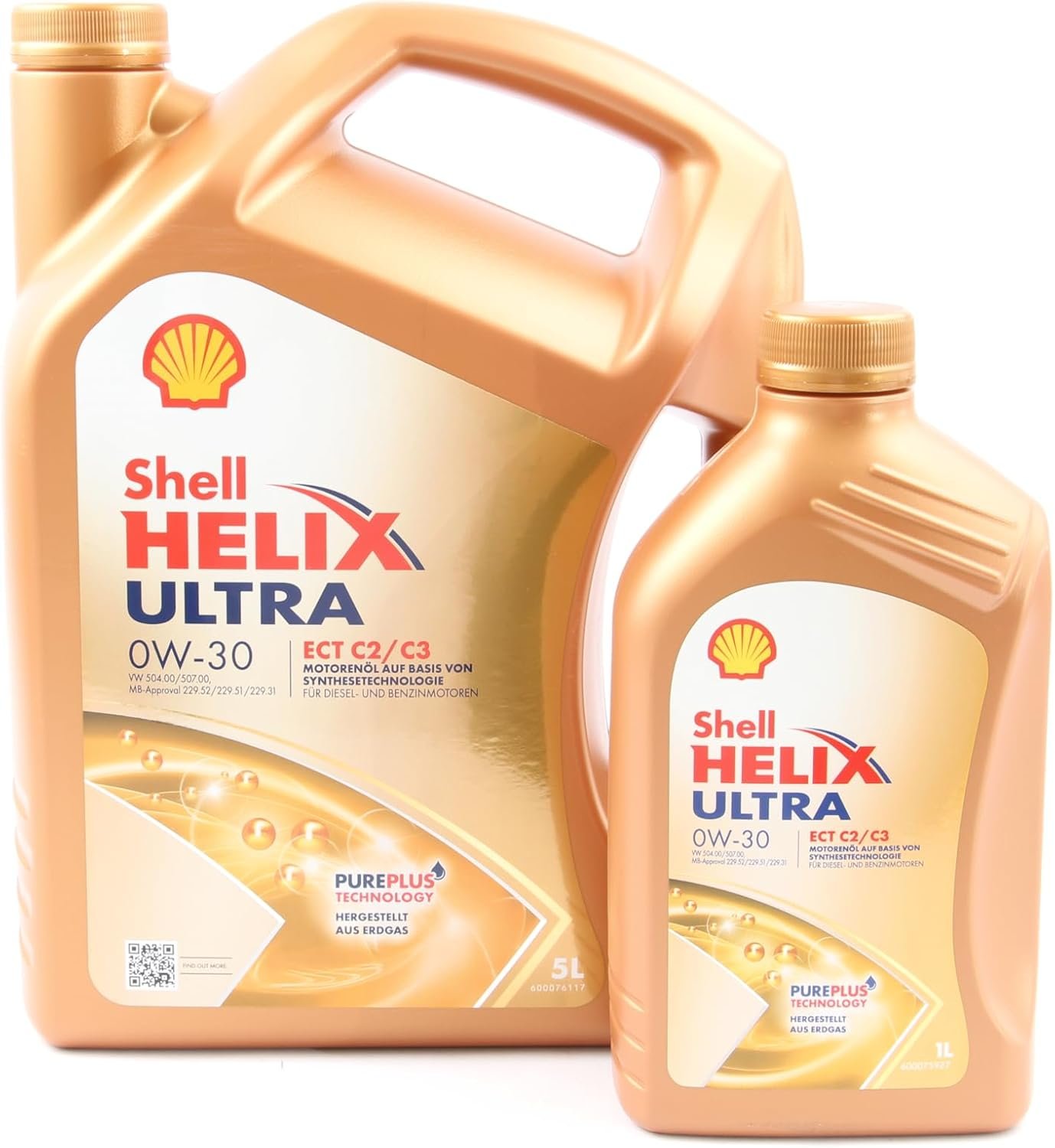

As an Amazon Associate, we may earn from qualifying purchases. This doesn't affect our recommendations — we only suggest oils that hold the exact OEM approval for your engine.
Best Engine Oil for the Hyundai i30 N 2.0 T-GDi 280 hp (G4KH)
The Hyundai i30 N marked Hyundai’s first serious entry into the hot hatch segment and introduced the world to the N Division’s vision of performance driving. At the heart of the PD-generation i30 N sits the G4KH — a 2.0-litre turbocharged direct-injection four-cylinder that produces 280 hp and 392 Nm of torque in Performance Package trim. While the engine traces lineage to the wider Theta II family, the G4KH was developed with a fundamentally different brief: sustained high-rpm output, track-day durability, and the demands of an electronic limited-slip differential running through the front axle.
Choosing the right engine oil for this car is not a trivial decision. The G4KH operates at high cylinder pressures, runs a ball-bearing TD04 turbocharger that spins at extreme speed, and generates significant heat — especially when driven hard at a circuit. The oil has to protect under sustained load, flow quickly at cold start, and resist thermal breakdown during back-to-back hot laps.
Quick Answer: Recommended Oil
- Primary specification: ACEA C3 — 0W-30
- Alternative specification: ACEA C3 — 5W-30
- Oil capacity (without filter): 4.8 litres
- Oil capacity (with filter change): 5.2 litres
- Change interval: 10,000 miles / 16,000 km under normal conditions; 6,000 miles / 10,000 km for track use
For a street-driven i30 N in the UK climate, a quality 0W-30 ACEA C3 oil is the preferred choice. It offers fast cold-start flow to protect the turbo and rod bearings, while the C3 classification ensures the film strength and high-temperature high-shear (HTHS) viscosity that a boosted performance engine demands. In warmer conditions or for dedicated track days, a 5W-30 C3 is a perfectly valid alternative.
The G4KH Engine
Although often grouped under the Theta II umbrella, the G4KH in the i30 N is a substantially revised unit. Hyundai’s N Division engineers addressed the architecture for performance use rather than economy, introducing reinforced rod bearings, revised oil supply galleries, and a strengthened crank — all lessons drawn from the reliability concerns that affected earlier naturally aspirated Theta II variants in other model lines.
The engine displaces 1,998 cc from a 86.0 mm bore and 85.9 mm stroke, giving it an almost square configuration that suits high-revving use. The direct-injection system operates at up to 200 bar, paired with a low-inertia ball-bearing turbocharger — the same TD04 unit found in various WRC-adjacent applications. Maximum power of 280 hp arrives at 6,000 rpm and torque peaks at 378–392 Nm between 1,450 and 4,700 rpm, depending on the trim.
The N Division also engineered the engine specifically around the electronically controlled limited-slip differential (e-LSD). Under hard cornering with the eLSD engaged, the drivetrain loads are transferred through the gearbox and into the engine block, which places additional thermal stress on the whole powertrain. This is one reason the oil specification leans toward a low-viscosity, high-performance C3 grade rather than a more conventional 5W-40.
Variable valve timing (CVVT) is fitted to the intake cam only, giving a modest range of adjustment for torque delivery and efficiency at part load. An electronically controlled wastegate regulates boost pressure across the rev range, contributing to the broad usable powerband that makes the i30 N manageable on road as well as circuit.
Understanding the ACEA C3 Oil Specification
Hyundai does not publish a proprietary OEM oil standard for the i30 N in the same way that Volkswagen Group or BMW does with named approvals (e.g. VW 504 00 or BMW LL-04). Instead, the requirement is defined purely by performance class: ACEA C3.
ACEA C3 is a mid-SAPS (mid sulphated ash, phosphorus, sulphur) category. This matters for a turbocharged direct-injection engine for two reasons. First, full-SAPS oils — common in older 5W-40 formulations — can cause deposit build-up on piston crowns and the turbo itself over time. The C3 limit on ash content keeps internal surfaces cleaner in a high-temperature environment. Second, C3 mandates a minimum HTHS viscosity of 3.5 mPa·s, which ensures adequate film thickness at the rod bearings and crank journals even when oil temperature rises sharply during hard driving.
The choice between 0W-30 and 5W-30 comes down to use pattern. The 0W grade offers faster flow at cold start — the period when most bearing wear occurs — and is the factory recommendation for the UK’s temperate climate. A 5W-30 C3 is equally valid and some owners prefer it for summer track days, since the marginally higher cold-start viscosity offers a small additional safety margin during warm-up on a hot circuit. Neither grade should be substituted with a 5W-40, as the higher kinematic viscosity at operating temperature works against the design intent of the engine’s oil galleries.
Technical Specifications
| Specification | Detail |
|---|---|
| Engine code | G4KH |
| Displacement | 1,998 cc |
| Layout | Inline-4, transverse |
| Bore × stroke | 86.0 mm × 85.9 mm |
| Compression ratio | 9.0:1 |
| Power output | 280 hp (206 kW) at 6,000 rpm |
| Torque | 392 Nm at 1,450–4,700 rpm |
| Induction | Single TD04 ball-bearing turbo |
| Fuel system | GDi (direct injection), 200 bar |
| Valve train | DOHC, 16v, intake CVVT |
| Oil capacity (dry fill) | 4.8 L |
| Oil capacity (with filter) | 5.2 L |
| Recommended viscosity | 0W-30 ACEA C3 |
| Alternative viscosity | 5W-30 ACEA C3 |
Oil Change Intervals
Hyundai’s official recommendation for the i30 N is a 10,000-mile (16,000 km) or annual oil change interval under normal driving conditions. For UK drivers who use the car primarily on the road, this is a reasonable guideline provided a quality ACEA C3 oil is used.
However, for any driver who takes the i30 N to track days — which many owners do — a significantly more conservative interval is advisable. A full track day can expose the engine to sustained high-load operation, elevated oil temperatures, and repeated hard acceleration cycles that are simply not reflected in a standard drain interval calculation. The broadly accepted recommendation among i30 N owners and N Division enthusiasts is to change the oil before and after every track event, or at a maximum of 6,000 miles if track sessions are mixed with regular road use.
It is also worth checking the oil level before every track session, not just at regular service intervals. The G4KH can consume a small amount of oil under hard use — particularly when driven at sustained high rpm — and the consequences of a low oil level during a fast lap are severe.
Common G4KH Problems Related to Oil
The G4KH has a stronger reputation than earlier Theta II variants, but a few recurring issues are worth understanding before choosing an oil strategy.
Rod bearing wear. The earlier naturally aspirated Theta II engines fitted to Sonata and Santa Fe models suffered well-documented rod bearing failures, often linked to manufacturing debris and oil starvation. Hyundai significantly revised the bearing design for the high-performance G4KH, and widespread failures have not materialised in the i30 N community. That said, bearing condition is directly dependent on oil quality and change frequency. Running an oil beyond its service life — particularly one that has been through multiple track sessions — accelerates wear at the rod journals. A 0W-30 C3 with a short drain interval is the most effective preventative measure.
Turbocharger lubrication. The ball-bearing TD04 turbo relies entirely on engine oil for lubrication and partial cooling. If oil pressure drops — due to a low level, a degraded pump, or an oil that has sheared outside its viscosity grade — the turbo is the first component to suffer. Always verify the oil level before a spirited drive and never switch off the engine immediately after sustained hard running; allow a brief idle period to let turbo temperatures equalise.
Carbon build-up on intake valves. Direct injection does not wash the intake valves with fuel as port injection does, allowing oil vapours from the PCV system to accumulate as carbon deposits on the backs of the valves over time. This is a generic GDi phenomenon rather than a G4KH-specific defect, but it is worth being aware of. Using a good-quality C3 oil with robust detergent additives slows the rate of deposit formation compared to a lesser specification.
Timing chain stretch. At higher mileages, the single-row timing chain can exhibit slight stretch, which manifests as a rattle on cold start before oil pressure builds. Keeping oil changes timely prevents the gradual loss of lubrication film on the chain tensioner and guides, which is the main driver of premature chain wear.
Conclusion
The Hyundai i30 N is an exceptionally capable hot hatch built around an engine that rewards proper maintenance. The G4KH’s requirements are straightforward: an ACEA C3 oil in 0W-30 viscosity, changed at 10,000 miles under normal use and before and after every track day. The 5.2-litre capacity (with filter) means a full drain-and-fill is not expensive, and the peace of mind from fresh oil in a turbocharged performance engine is well worth the modest cost. Keep the level topped up, use the specified grade, and the G4KH will repay you with the kind of driving experience that made the i30 N a benchmark in its class.
Sources:
- G4KH 2.0 T-GDi Theta II Engine: Performance & Maintenance Tips
- Had Hyundai fixed the Theta II problems? – N-cars.net Forum
- 2016-2024 Hyundai i30N 2.0 T-GDI engine (G4KH) problems – Motoranimal
- Hyundai Theta engine – Wikipedia
- The 4 Most Common Hyundai 2.0T Engine Problems – 8020 Automotive
Our Top Picks
As an Amazon Associate, we may earn from qualifying purchases. This doesn't affect our recommendations — we only suggest oils that hold the exact OEM approval for your engine.