 Oil-
Oil-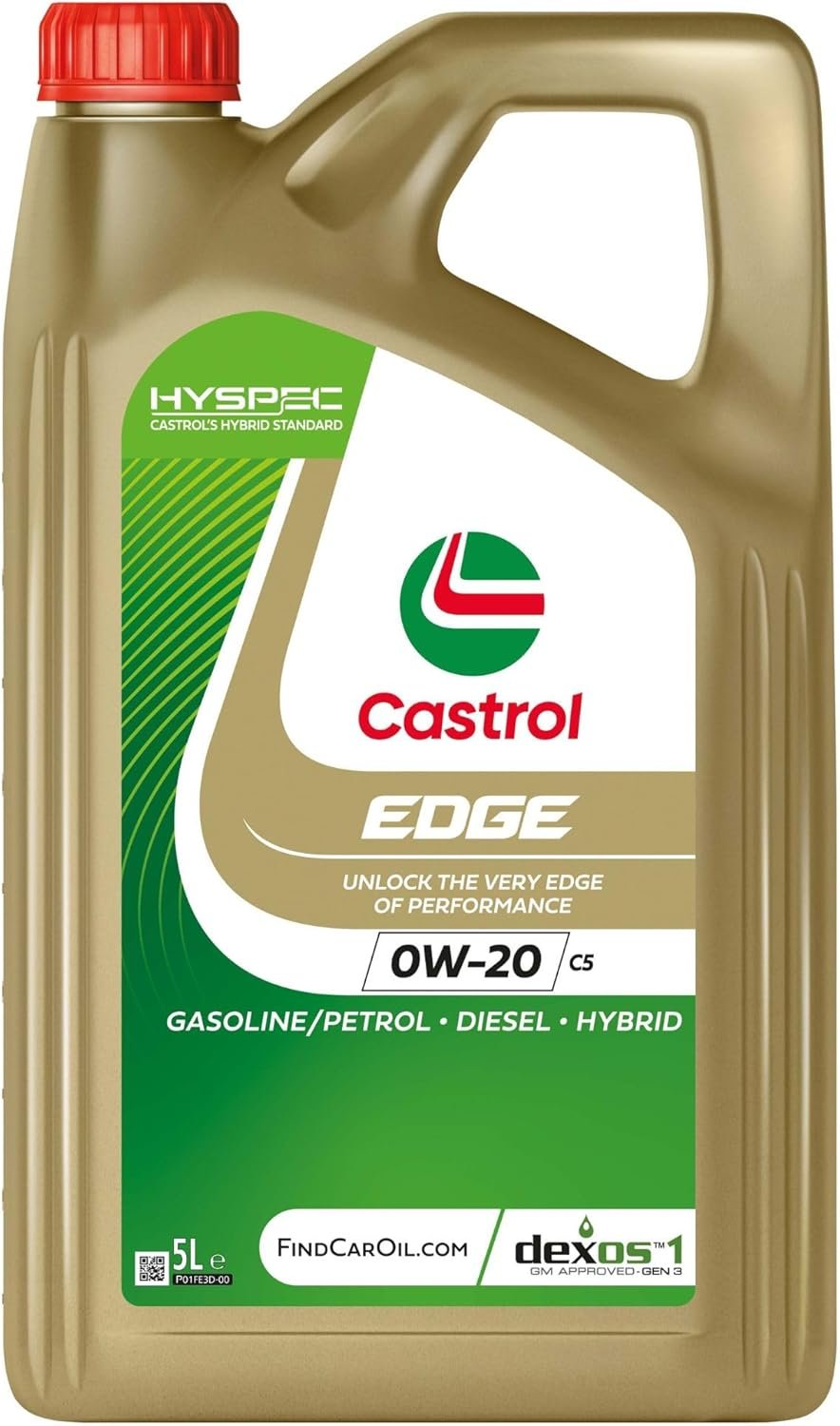
As an Amazon Associate, we may earn from qualifying purchases. This doesn't affect our recommendations — we only suggest oils that hold the exact OEM approval for your engine.
Best Engine Oil for Hyundai Elantra CN7 2.0L MPI (147 HP) — G4NJ / G4NL
The seventh-generation Hyundai Elantra (CN7, 2021+) with the 2.0-liter Smartstream MPI engine is one of the best-selling compact sedans in the United States. The naturally aspirated 2.0-liter produces 147 horsepower and pairs with a CVT (IVT in Hyundai terminology) for daily commuting duty. Importantly, this engine uses multi-point port fuel injection rather than gasoline direct injection, which eliminates the carbon buildup that plagues many modern engines. However, the 2.0-liter Smartstream has not been without controversy — a significant piston ring recall affecting 2019-2021 model year vehicles has made correct oil selection and monitoring more important than ever. This guide covers the correct specification, capacity, and best oil choices for the Elantra 2.0L MPI.
Quick Answer: Recommended Oil
For Hyundai Elantra CN7 2.0L MPI (147 HP, G4NJ/G4NL):
- Specification: API SP / ILSAC GF-6A
- Viscosity: SAE 0W-20
- Alternative viscosity: SAE 5W-30
- Oil capacity: 4.5 quarts with filter (4.2 quarts without)
Key point: Hyundai specifies SAE 0W-20 as the primary viscosity for the Smartstream 2.0 MPI. SAE 5W-30 is listed as an alternative in the owner’s manual for sustained high-temperature or heavy-load conditions. For the vast majority of US driving, 0W-20 is the correct choice. Always verify API SP certification on the bottle.
The Smartstream 2.0 MPI Engine
The Smartstream G4NJ/G4NL is a 1,999cc naturally aspirated inline four-cylinder producing 147 horsepower at 6,200 RPM and 132 lb-ft of torque at 4,500 RPM. It is the base powertrain in the 2021+ Elantra SE and SEL trims, paired exclusively with Hyundai’s Intelligent Variable Transmission (IVT), a continuously variable transmission with a conventional torque converter.
The defining characteristic of this engine is its use of multi-point port fuel injection (MPI) rather than gasoline direct injection (GDI). In an MPI system, fuel is sprayed into the intake port upstream of the intake valve, where it atomizes and mixes with incoming air before entering the combustion chamber. This design continuously washes the intake valve surfaces with fuel at every cycle, preventing the carbon deposit accumulation that is an inherent problem with direct-injection engines. For long-term ownership, this is a genuine advantage — there are no walnut blasting sessions in the Smartstream MPI’s future.
The Smartstream architecture includes a low-friction timing chain, electronically controlled Continuously Variable Valve Timing (CVVT) on both intake and exhaust camshafts, and an Atkinson-cycle combustion strategy at light loads to maximize fuel economy. The aluminum block and head keep weight down, and the 12.0:1 compression ratio is moderately high for a naturally aspirated MPI engine, contributing to the thermal efficiency gains Hyundai targeted with the Smartstream family.
Understanding Hyundai Oil Specifications
Hyundai specifies API SP / ILSAC GF-6A for the Smartstream 2.0 MPI. API SP, introduced in May 2020, is the current top-tier gasoline engine oil standard. It provides enhanced protection against Low-Speed Pre-Ignition (LSPI), improved high-temperature deposit control, and better oxidation resistance compared to the previous API SN Plus category. While LSPI is primarily a concern for turbocharged direct-injection engines, the deposit control and oxidation improvements in API SP benefit all engines, including naturally aspirated MPI units.
ILSAC GF-6A is the companion fuel economy standard that ensures the oil meets specific friction-reduction targets without compromising wear protection. When purchasing oil, verify both the API SP donut and the ILSAC GF-6A starburst certification marks on the bottle. If your owner’s manual references the older API SN standard, API SP is fully backward-compatible and strictly superior.
Hyundai lists SAE 5W-30 as an acceptable alternative viscosity. This thicker grade provides a marginally stronger oil film at sustained high temperatures, which can be relevant for towing, mountainous driving, or operating in extreme heat. For standard commuting in most US climates, SAE 0W-20 delivers better fuel economy and faster cold-start protection.
Technical Specifications
| Specification | Value |
|---|---|
| Displacement | 1,999cc (2.0 liters) |
| Layout | Inline-4, transverse, aluminum block and head |
| Valvetrain | DOHC, 16 valves, dual CVVT, timing chain |
| Aspiration | Naturally aspirated |
| Fuel Injection | Multi-point port injection (MPI) |
| Bore x Stroke | 81.0mm x 97.0mm |
| Compression Ratio | 12.0:1 |
| Power | 147 HP @ 6,200 RPM |
| Torque | 132 lb-ft @ 4,500 RPM |
| Fuel Type | Regular unleaded (87 octane) |
| Recommended Viscosity | SAE 0W-20 |
| Alternative Viscosity | SAE 5W-30 |
| Oil Capacity (without filter) | 4.2 quarts (4.0 liters) |
| Oil Capacity (with filter) | 4.5 quarts (4.3 liters) |
| Oil Specification | API SP / ILSAC GF-6A |
| Timing | Chain (lifetime, no scheduled replacement) |
Best Value: Valvoline Advanced Full Synthetic 0W-20 Valvoline’s full synthetic 0W-20 meets every specification the Smartstream 2.0 requires at the lowest price point. For a naturally aspirated MPI engine that faces no turbo heat and no fuel dilution, this is an excellent dollar-for-dollar choice. Consistently priced at $23-27 for 5 quarts at Walmart, AutoZone, O’Reilly, and Amazon.
Oil Change Intervals
Hyundai Official Recommendation:
- Standard service: 7,500 miles or 12 months
- Severe conditions: 3,750 miles or 6 months
Recommended Practice: 5,000 to 7,500 miles, depending on driving conditions.
Many US Elantra owners drive in conditions Hyundai classifies as “severe” — frequent short trips under 10 miles, stop-and-go traffic, extreme heat or cold, and dusty environments. Under these conditions, the 7,500-mile interval is too long. A 5,000-mile interval costs roughly $30-40 per change in materials and provides meaningfully better protection for an engine with known piston ring sensitivity.
Given the piston ring recall history on this engine family, monitoring your oil level between changes is essential. Check the dipstick every 1,000 to 1,500 miles and top off with the same specification oil if the level drops below the midpoint. If consumption exceeds one quart per 1,000 miles, have the engine inspected by a Hyundai dealer — this may indicate a ring defect covered under warranty or the recall extension.
Why Correct Oil Matters
The Smartstream 2.0 MPI depends on correct oil for several critical systems. The dual CVVT mechanism on both intake and exhaust camshafts uses oil pressure to adjust cam timing. Degraded or incorrect viscosity oil produces sluggish CVVT response, causing rough idle, hesitation during acceleration, and reduced fuel economy. The CVVT solenoid screens can clog with contaminants from extended drain intervals, triggering check engine lights and performance codes.
The 12.0:1 compression ratio generates higher cylinder pressures than older naturally aspirated engines, placing greater demands on the oil film between piston rings and cylinder walls. The low-tension piston rings Hyundai uses to reduce friction are more sensitive to oil quality than traditional higher-tension designs — clean oil with strong detergent properties keeps them mobile in their grooves, maintaining the seal that prevents oil from entering the combustion chamber. Using oil thicker than specified increases parasitic drag and reduces fuel economy without providing additional protection at normal operating temperatures.
Common Smartstream 2.0 Problems Related to Oil
Piston Ring Recall (Inconsistent Heat Treatment)
The most significant issue affecting the Smartstream 2.0 is a piston ring manufacturing defect. Hyundai recalled approximately 125,840 vehicles from the 2019-2021 model years due to inconsistent heat treatment during piston ring production. The affected rings did not achieve the intended hardness and wear characteristics, leading to premature ring wear, reduced sealing, and elevated oil consumption. Symptoms include blue-white exhaust smoke, a drop in oil level between changes exceeding one quart per 1,000 miles, and in severe cases, engine knocking from oil starvation. Hyundai’s remedy involves an engine inspection and, where necessary, piston ring replacement or complete engine replacement under warranty. If you own a 2021 Elantra with the 2.0L MPI, verify your VIN against the recall database at NHTSA.gov.
Oil Consumption from Defective Rings
Even outside the formal recall population, some Smartstream 2.0 engines exhibit higher-than-expected oil consumption. Consumption of half a quart every 3,000 miles is generally within Hyundai’s acceptable range. Beyond that threshold, particularly if consumption appears suddenly rather than gradually, the piston rings should be investigated. Regular dipstick checks are not optional with this engine — they are the first line of defense against oil starvation damage. Running the engine low on oil accelerates bearing wear, damages the CVVT system, and can lead to catastrophic failure.
Premature Catalytic Converter Failure
A downstream consequence of oil consumption is premature catalytic converter failure. When oil passes the piston rings and enters the combustion chamber, it burns incompletely and coats the catalytic converter substrate with phosphorus and zinc compounds from the oil’s anti-wear additives. Over time, this poisons the catalyst, reducing its efficiency and eventually triggering a check engine light for catalyst efficiency below threshold. Many Elantra owners report catalytic converter failures around 60,000 miles. If the converter fails early, investigate the root cause — it is almost always excessive oil consumption from worn or defective piston rings, and replacing the converter without addressing the rings will result in a repeat failure.
Conclusion
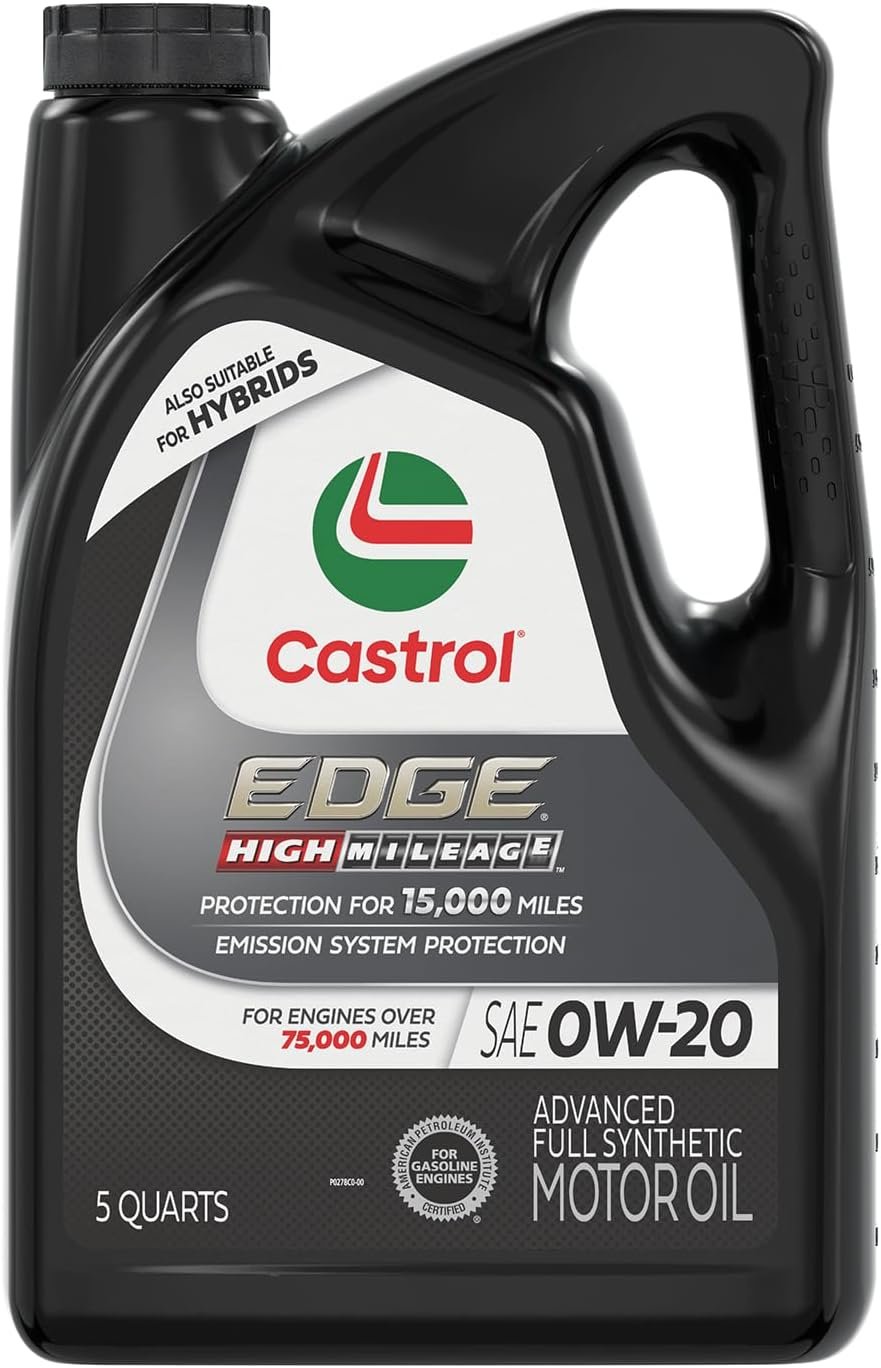
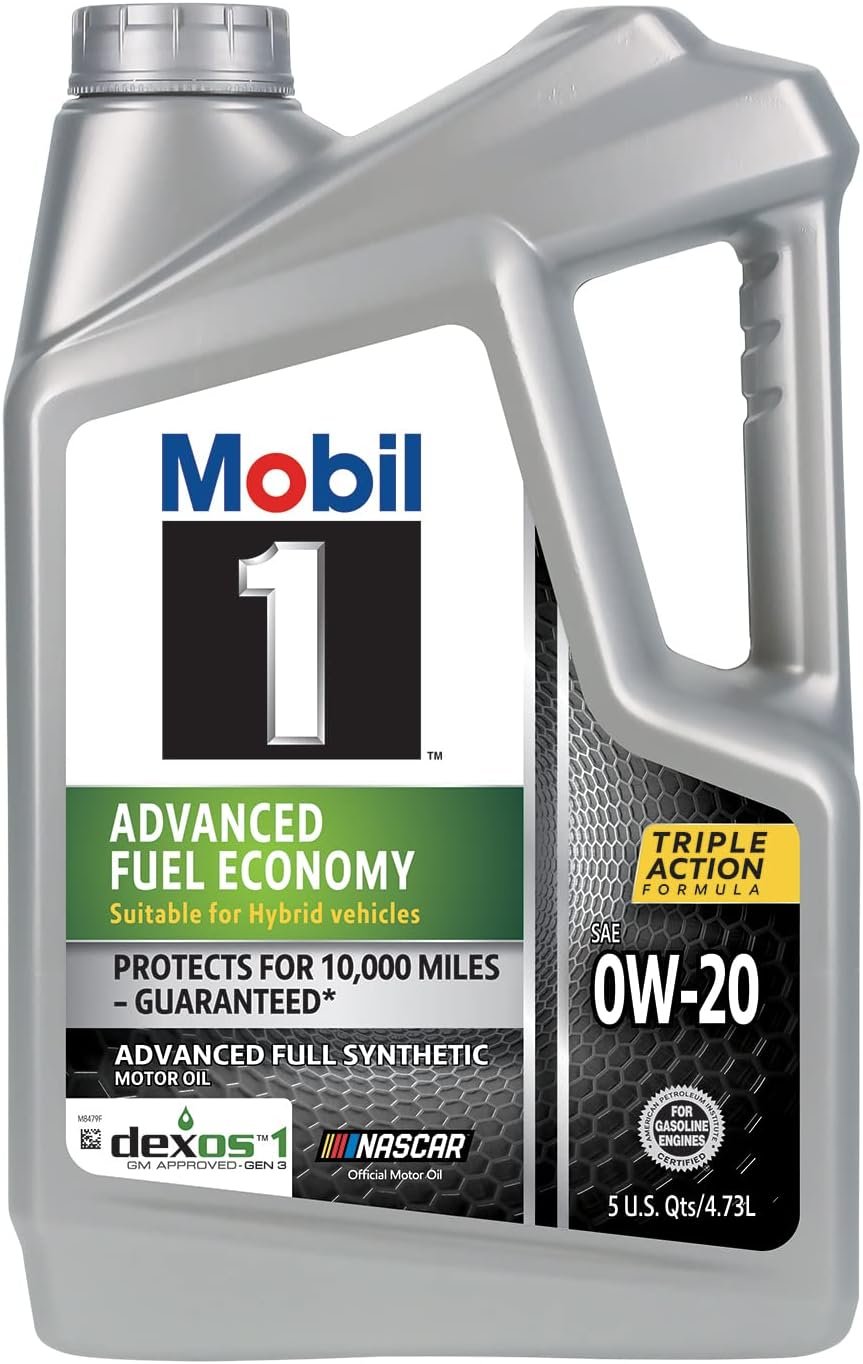
The Hyundai Elantra CN7 2.0L MPI (G4NJ/G4NL) requires 4.5 quarts of SAE 0W-20 engine oil meeting API SP / ILSAC GF-6A at every service, with SAE 5W-30 as an acceptable alternative for high-temperature or heavy-load conditions. Choose from Hyundai Genuine 0W-20, Mobil 1 Advanced Fuel Economy, Castrol EDGE Advanced, or Valvoline Advanced Full Synthetic — all meeting API SP — and verify the certification marks on the bottle.
The Smartstream MPI architecture offers a genuine advantage over direct-injection competitors: no carbon buildup on intake valves, ever. But the piston ring recall and associated oil consumption issues mean this engine demands attentive ownership. Check your oil level every 1,000 to 1,500 miles, change it every 5,000 miles, verify your VIN against the NHTSA recall database, and address any sudden increase in consumption immediately. With proper monitoring and the correct 0W-20 oil, the Smartstream 2.0 will deliver reliable, efficient transportation for the long term.
Our Top Picks
As an Amazon Associate, we may earn from qualifying purchases. This doesn't affect our recommendations — we only suggest oils that hold the exact OEM approval for your engine.