 Oil-
Oil-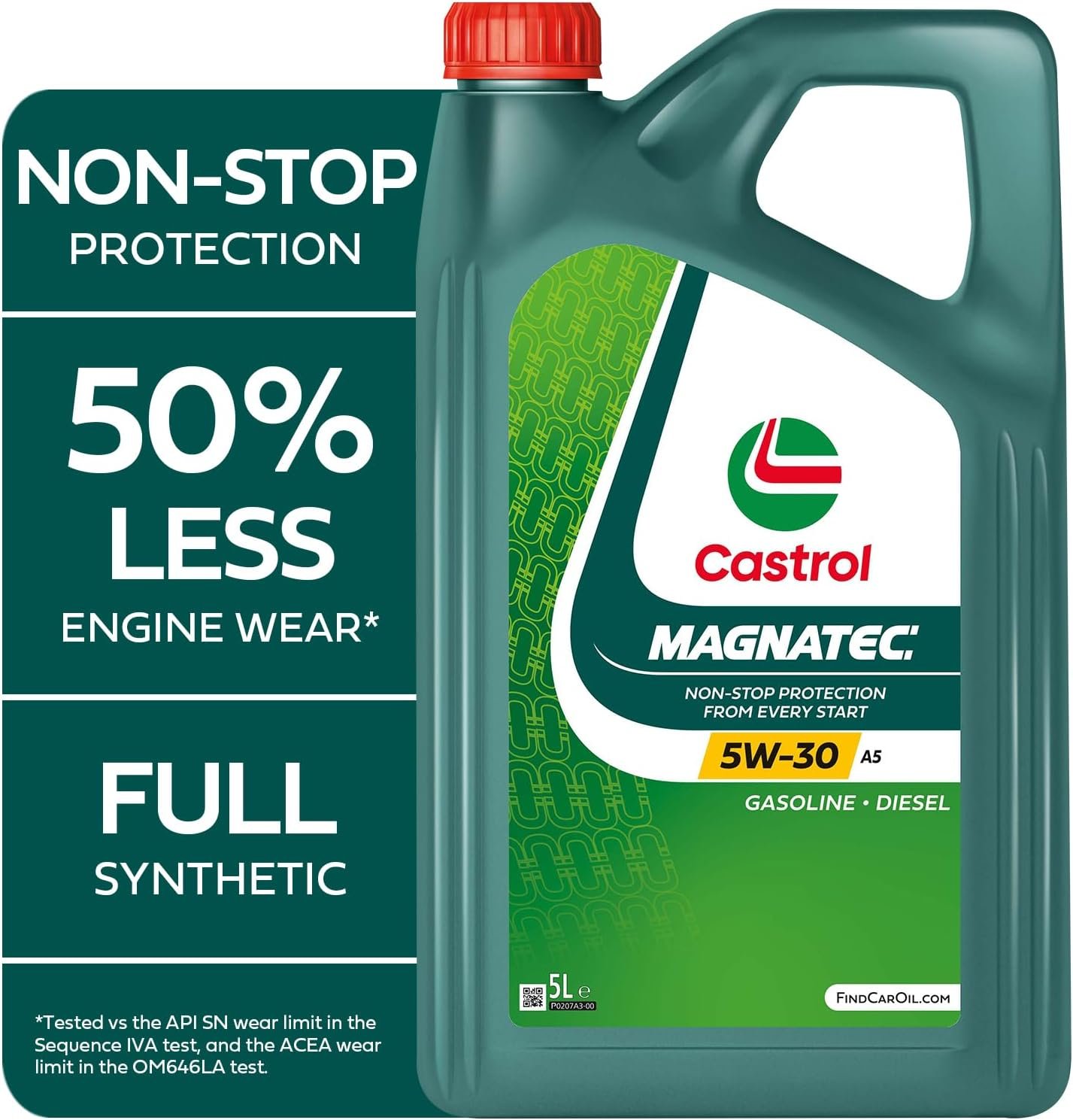
As an Amazon Associate, we may earn from qualifying purchases. This doesn't affect our recommendations — we only suggest oils that hold the exact OEM approval for your engine.
Best Engine Oil for Hyundai i10 2nd Gen 1.0 & 1.2 MPI
The Hyundai i10 2nd generation (IA), produced from 2013 to 2019, is one of the most dependable city cars ever sold in the UK. Powered by Kappa-family engines — the 1.0-litre three-cylinder G3LA and the 1.2-litre four-cylinder G4LA — the i10 has earned a near-legendary reputation for reliability. These naturally aspirated multi-point injection engines are about as simple and robust as modern engines get: no turbocharger, no direct injection, no complex emissions hardware to go wrong. That simplicity is a virtue, but it does not mean any oil will do. Hyundai specifies ACEA A5 rated SAE 5W-30 for the Kappa MPI engines, and using the correct grade protects the timing chain, hydraulic valve lifters, and close-tolerance bearings that keep these engines running for hundreds of thousands of kilometres.
Quick Answer: Recommended Oil
For Hyundai i10 2nd Gen 1.0 / 1.2 MPI:
- Specification: ACEA A5
- Viscosity: SAE 5W-30 (alternative: 5W-20)
- Oil capacity: 3.5 litres with filter (3.0 L without)
Key point: The ACEA A5 rating is what matters here. A5 oils are specifically formulated as fuel-economy-grade, low-viscosity full synthetics with excellent high-temperature film strength. Do not substitute with a generic ACEA A3/B4 oil — the different additive chemistry can affect hydraulic lifter response and increase fuel consumption without providing any additional protection for these engines.
The Kappa 1.0 MPI (G3LA) and 1.2 MPI (G4LA) Engines
Hyundai’s Kappa engine family debuted in 2008 and quickly became one of the most widely used small-car powertrains in the world. The i10 2nd Gen uses two variants: the G3LA, a 998cc three-cylinder producing 67 HP, and the G4LA, a 1,248cc four-cylinder producing 87 HP. Both share identical architecture and materials, differing only in cylinder count.
The construction is aluminium block with cast-iron cylinder liners, topped by a 16-valve DOHC aluminium head. The valvetrain is driven by a maintenance-free timing chain — not a belt — eliminating one of the most common and expensive service items on small cars. Hydraulic valve lifters automatically maintain correct valve clearances, removing the need for periodic manual adjustment.
Multi-point fuel injection sprays fuel onto the intake ports, upstream of the intake valves. This means fuel constantly washes over the valve stems, preventing the carbon buildup on intake valves that plagues modern direct-injection engines. The result is an engine that stays cleaner internally over its lifetime and requires no walnut blasting or chemical cleaning.
There is no turbocharger, no intercooler, no variable geometry vanes, and no wastegate to fail. This absence of forced induction removes an entire category of potential failure points. Oil does not need to survive the extreme thermal cycling that turbo bearings inflict, and there is no risk of turbo oil coking after hot shutdown.
The combination of these design choices produces an engine of extraordinary durability. Independent reports and owner accounts document Kappa MPI engines exceeding 400,000 km on original internals with nothing more than routine oil changes and basic maintenance. The phrase “practically indestructible” comes up repeatedly in owner forums — and for once, it is justified. These engines rarely suffer from oil consumption issues, unlike their turbocharged or direct-injection counterparts in other vehicles.
Understanding the ACEA A5 Specification
ACEA A5 is a European oil performance standard designed for engines that require fuel-economy-grade, low-viscosity oils with extended drain capability. It differs from the more common ACEA A3/B4 in several important ways:
- Lower high-temperature/high-shear (HTHS) viscosity: A5 oils operate between 2.9 and 3.5 mPa.s at 150°C, compared to a minimum of 3.5 mPa.s for A3. This reduces internal friction and improves fuel economy.
- Superior film retention: Despite lower HTHS viscosity, A5 oils must demonstrate excellent wear protection, meaning the base oils and additives are higher quality than budget formulations.
- Oxidation resistance: Designed for extended drain intervals in thermally stressed environments.
For the Kappa MPI engines, the A5 specification strikes the right balance. These naturally aspirated engines do not generate the extreme oil film pressures of turbocharged units, so the lower HTHS viscosity is perfectly safe while delivering measurable fuel savings — important for a car often chosen specifically for low running costs.
5W-20 as an alternative: Hyundai permits SAE 5W-20 as an alternative viscosity. This thinner oil further reduces friction and marginally improves fuel economy, particularly in cold weather. It is a good choice for UK drivers who primarily do urban commuting in moderate temperatures. However, 5W-30 remains the primary recommendation and offers a slightly wider safety margin in sustained high-speed motorway driving or hot summer conditions.
Technical Specifications: 1.0 MPI (G3LA) / 1.2 MPI (G4LA)
| Specification | G3LA (1.0) | G4LA (1.2) |
|---|---|---|
| Displacement | 998cc | 1,248cc |
| Layout | Inline-3, aluminium block with cast-iron liners | Inline-4, aluminium block with cast-iron liners |
| Valvetrain | DOHC, 12 valves, timing chain | DOHC, 16 valves, timing chain |
| Power | 67 HP @ 6,200 RPM | 87 HP @ 6,000 RPM |
| Torque | 95 Nm @ 3,500 RPM | 120 Nm @ 4,000 RPM |
| Fuel System | Multi-point injection (MPI) | Multi-point injection (MPI) |
| Recommended Viscosity | SAE 5W-30 | SAE 5W-30 |
| Alternative Viscosity | SAE 5W-20 | SAE 5W-20 |
| Oil Capacity (without filter) | 3.0 litres | 3.0 litres |
| Oil Capacity (with filter) | 3.5 litres | 3.5 litres |
| ACEA Norm | A5 | A5 |
Castrol’s Intelligent Molecules technology is designed to cling to critical engine surfaces during cold starts and idle periods, reducing wear during the first few seconds of operation when most engine damage occurs. This is particularly relevant for city cars like the i10 that endure frequent cold starts on short urban trips. The A5 specification ensures correct viscosity behaviour for the Kappa engines. Widely available across UK retailers at £30–40 for 4 litres.
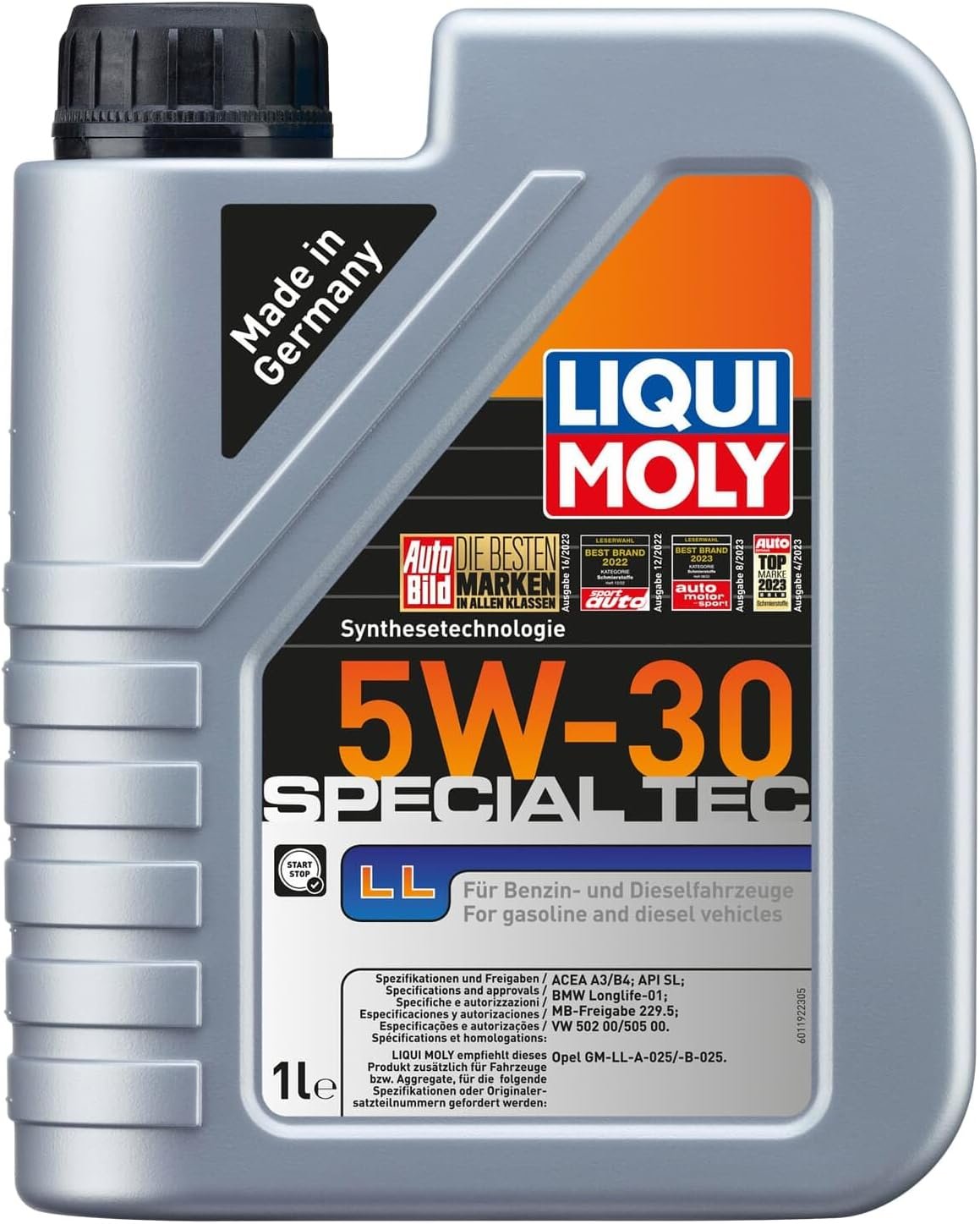
Best Value: Liqui Moly Special Tec AA 5W-30 German-engineered oil specifically designed for Asian and American vehicle specifications. The AA designation indicates formulation tailored to the requirements of Japanese and Korean manufacturers, making it an ideal match for Hyundai’s Kappa engines. Strong cold-start protection down to -30°C and reliable high-temperature stability. Outstanding value at £28–35 for 4 litres.
Oil Change Intervals
Hyundai Official Recommendation:
- Standard service: 15,000 miles or 12 months (whichever comes first)
- Severe conditions: 7,500 miles or 6 months
Recommended Practice: 10,000 miles or annually for most UK driving.
Hyundai’s 15,000-mile interval assumes a mix of motorway and urban driving under moderate conditions. In reality, most UK i10 owners use their cars predominantly for short urban trips — exactly the “severe conditions” category. Short journeys prevent the engine from reaching full operating temperature, allowing condensation and fuel to accumulate in the oil. This dilution degrades the oil far faster than steady motorway cruising.
The cost of an oil change on the i10 is minimal — 3.5 litres of quality oil plus a filter totals £35–50 in parts. Maintaining 10,000-mile or annual intervals provides a sensible safety margin without being excessive.
Consider 5,000-mile intervals if:
- Almost exclusively short trips under 5 miles
- Frequent cold starts with limited warm-up
- Vehicle sits unused for extended periods
- Any sign of milky residue on the oil filler cap (condensation contamination)
Why Correct Oil Matters — Even on a “Bulletproof” Engine
The Kappa MPI engines’ reputation for indestructibility comes with a caveat: that reputation was built on cars maintained with the correct oil. Even the most robust engine suffers when lubrication is compromised.
Timing Chain Protection: The maintenance-free timing chain is a major selling point of the Kappa family, but “maintenance-free” means the chain tensioner relies entirely on oil pressure to maintain correct tension. Degraded oil with reduced viscosity from fuel dilution or thermal breakdown allows the tensioner to lose pressure, resulting in chain slack, rattle on cold starts, and eventually jumped timing. Chain replacement on a Kappa engine costs £300–500 — entirely preventable with regular oil changes.
Hydraulic Valve Lifter Function: The self-adjusting hydraulic lifters depend on clean oil at correct pressure to maintain zero valve clearance. Contaminated or degraded oil causes lifter collapse, producing a characteristic ticking noise on cold starts that may persist as the engine warms. While not immediately destructive, sustained lifter malfunction causes uneven valve timing and accelerated camshaft wear. Quality ACEA A5 oil maintains the precise hydraulic response these lifters require.
Bearing Longevity: The Kappa’s plain bearings on the crankshaft and connecting rods are designed around the A5 oil specification’s viscosity characteristics. Using heavier oil (such as 10W-40) does not provide “extra protection” — it increases oil film thickness beyond design tolerances, raises operating temperature through increased friction, and reduces fuel economy. Using lighter oil than specified risks insufficient film strength under load. The 5W-30 A5 specification represents the engineered optimum.
Minimal Oil Consumption — Keep It That Way: One of the Kappa MPI’s greatest strengths is its negligible oil consumption compared to turbocharged or direct-injection engines. Correct oil specification and regular changes maintain piston ring seal and valve stem seal integrity, preserving this advantage over the engine’s lifetime. Owners who neglect oil quality often find consumption gradually increasing after 150,000 km as seals harden and rings lose tension.
Common Maintenance Considerations
Timing Chain Noise on Cold Start: A brief rattle lasting 1–2 seconds on cold start is normal as oil pressure builds to tension the chain. If the rattle persists beyond warm-up or occurs at idle, the chain tensioner may be failing — typically caused by degraded oil or extended drain intervals. Address this promptly to avoid chain skip.
Spark Plug Replacement: The MPI system runs cleaner than direct injection, but spark plugs still require replacement every 30,000 miles. Worn plugs cause misfires that dilute oil with unburned fuel. Iridium plugs are a worthwhile upgrade for extended life.
Coolant and Oil Interaction: The Kappa engine uses a compact cooling system. Ensure coolant is changed per schedule (every 2 years or 30,000 miles) — a failing head gasket that allows coolant into the oil will destroy bearings rapidly, regardless of oil quality. Monitor for milky residue on the dipstick or oil filler cap.
Conclusion
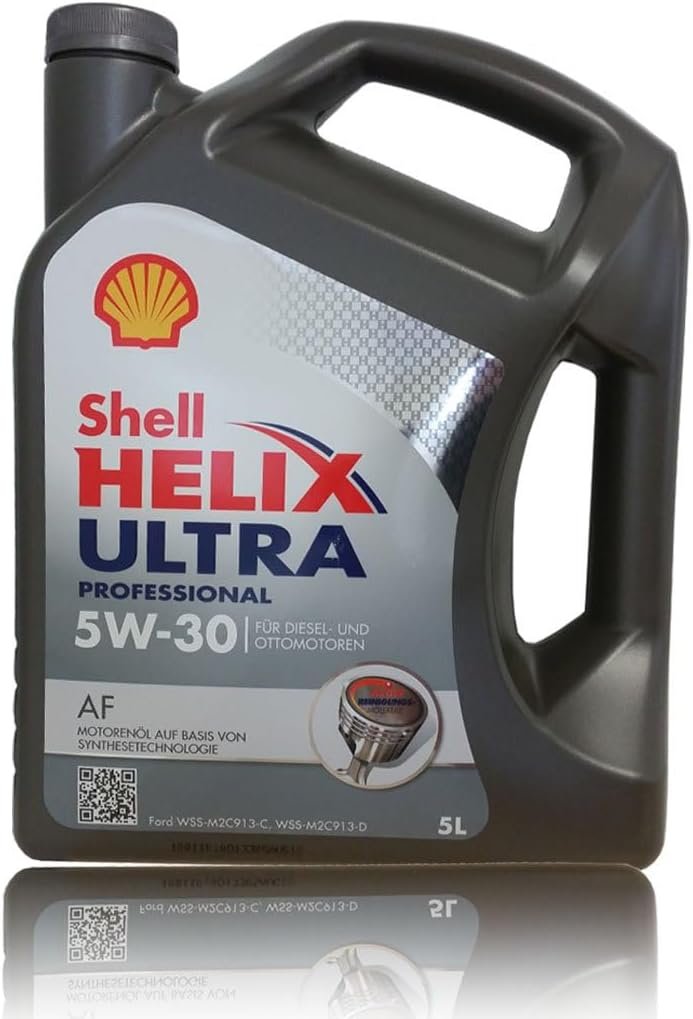
The Hyundai i10 2nd Gen 1.0 and 1.2 MPI Kappa engines require ACEA A5 rated SAE 5W-30 engine oil, with a capacity of 3.5 litres including the filter. Choose from proven brands — Mobil 1 ESP, Castrol Magnatec A5, Shell Helix Ultra Professional AF, or Liqui Moly Special Tec AA — and verify the ACEA A5 rating on every bottle.
These engines deserve their reputation as some of the most reliable powertrains in the city car segment. With no turbocharger to fail, no direct injection to clog, and a maintenance-free timing chain, the Kappa MPI asks very little of its owner. Honour that simplicity with correct oil at sensible intervals. The £30–45 spent annually on quality oil and a filter is the cheapest insurance available against the only thing that can realistically harm these engines: neglect. With proper lubrication, a Hyundai i10 Kappa engine will comfortably outlast every other component on the car.
Our Top Picks
As an Amazon Associate, we may earn from qualifying purchases. This doesn't affect our recommendations — we only suggest oils that hold the exact OEM approval for your engine.