 Oil-
Oil-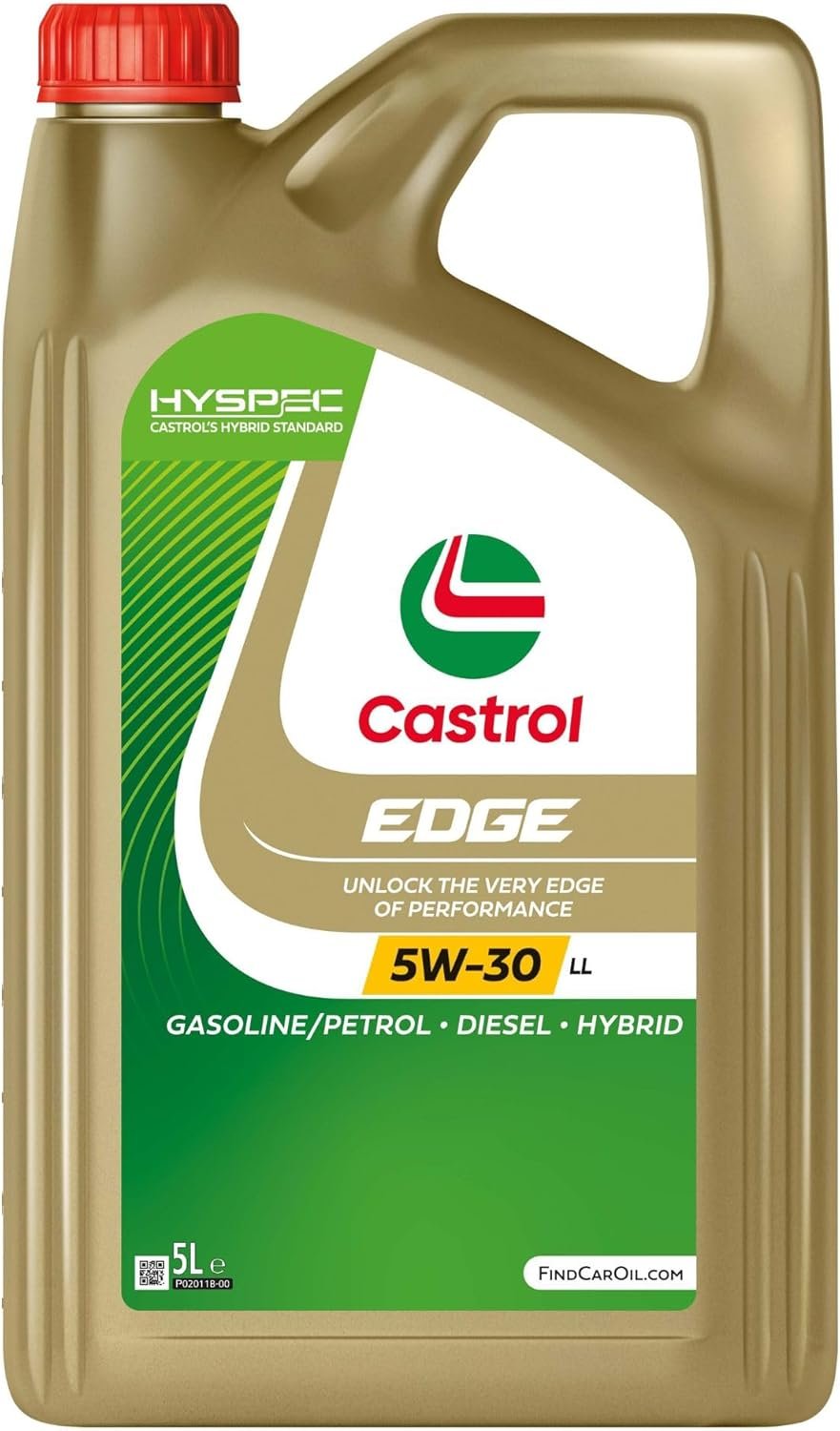
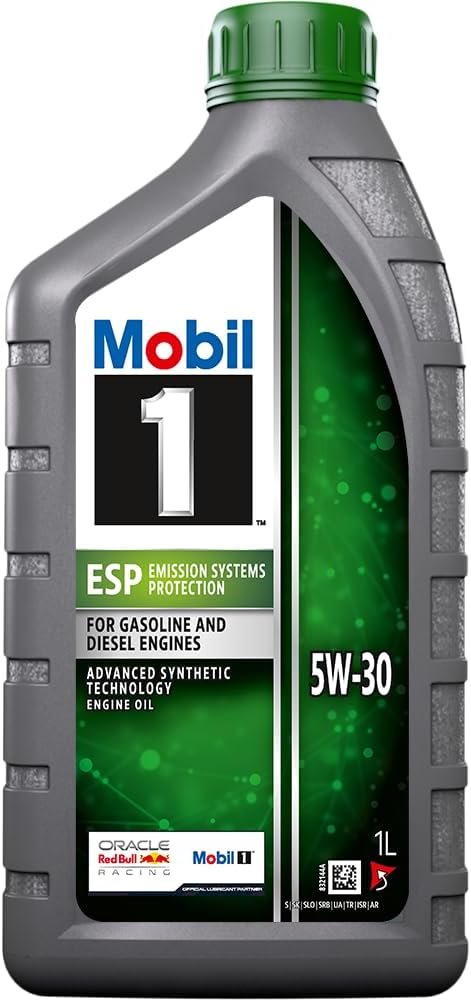
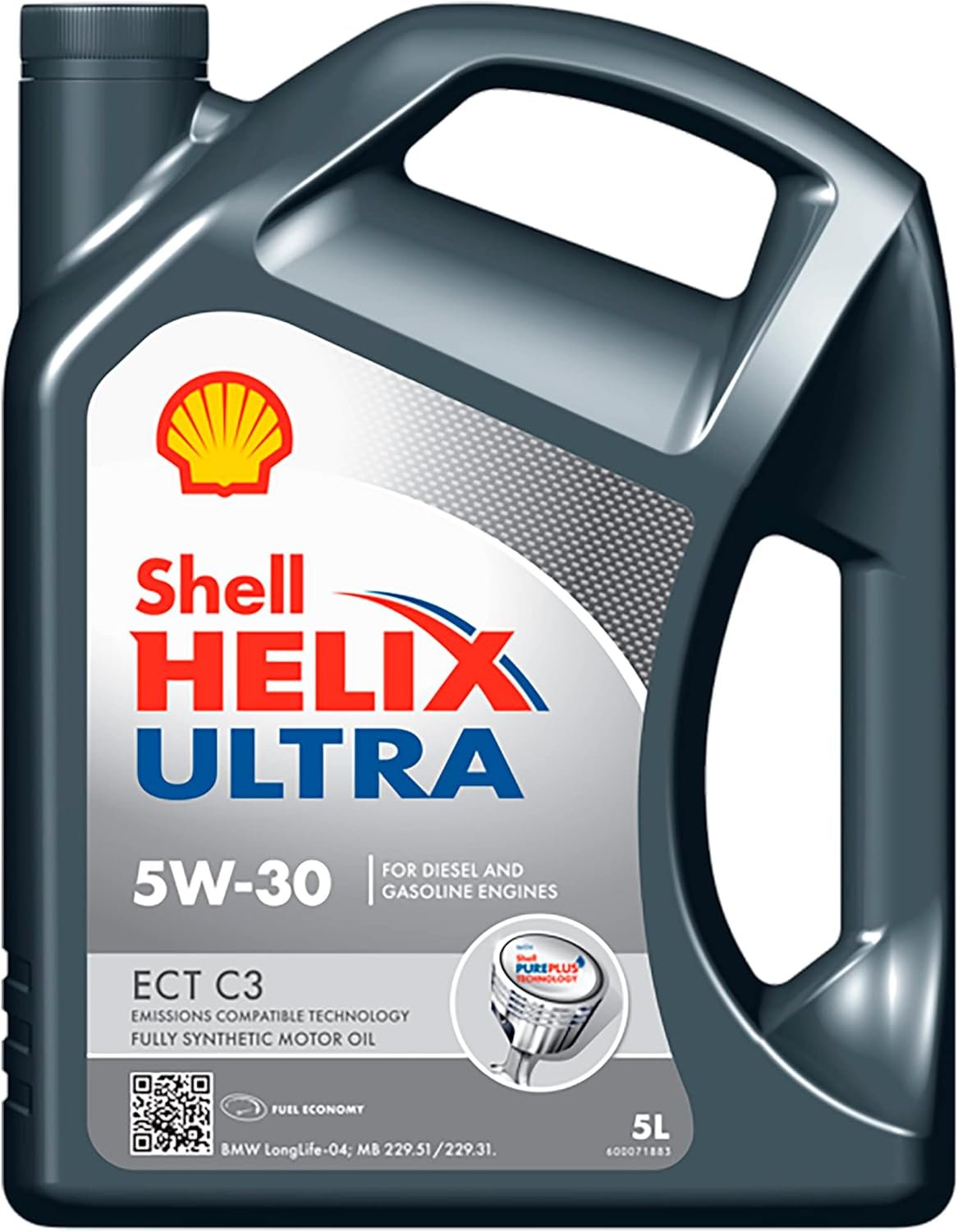
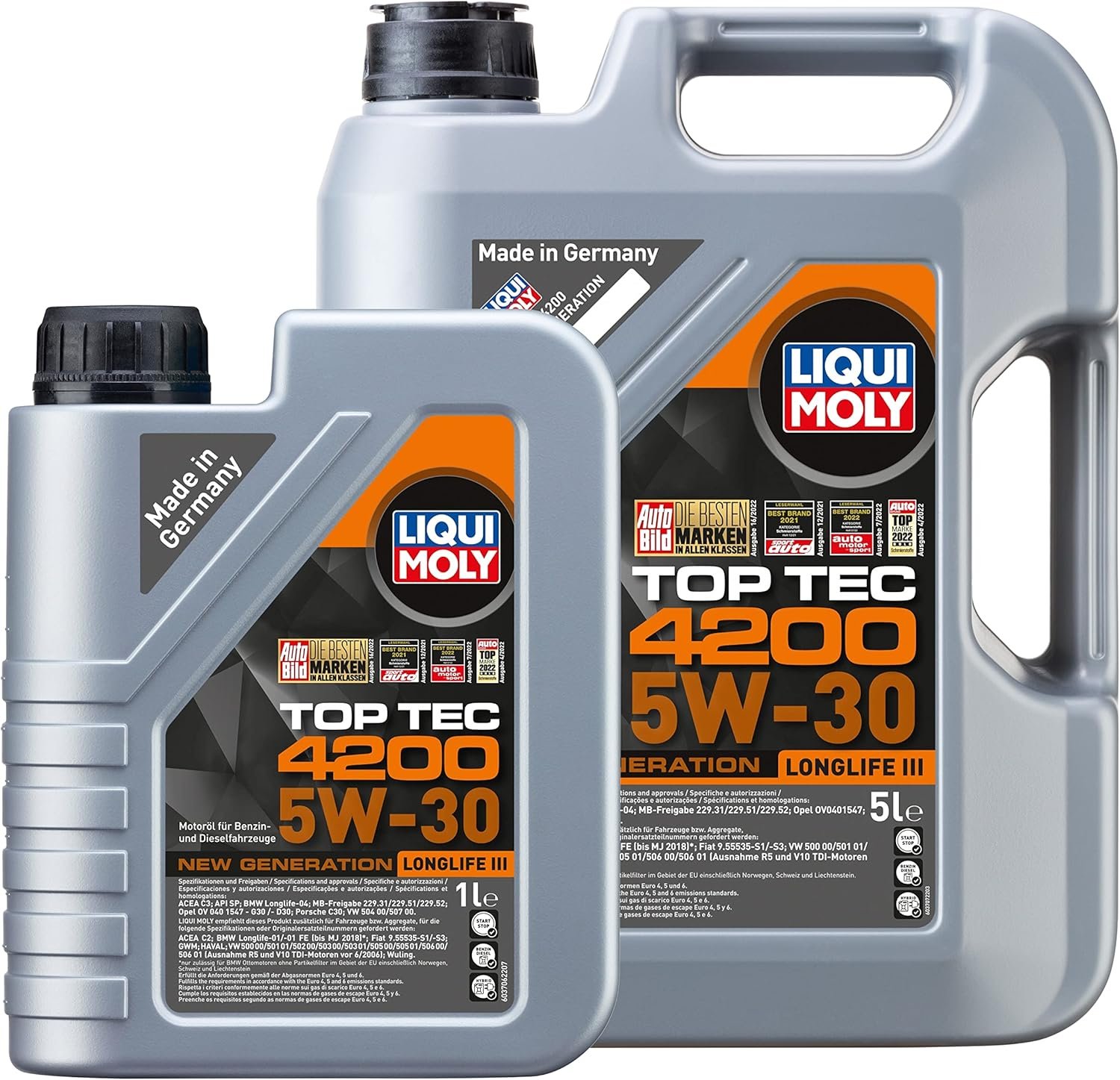
As an Amazon Associate, we may earn from qualifying purchases. This doesn't affect our recommendations — we only suggest oils that hold the exact OEM approval for your engine.
Best Engine Oil for Hyundai i30 1.0 T-GDi (120 HP)
The Hyundai i30 PD (2017 onwards) with the 1.0 T-GDi engine offers a compelling alternative to the Volkswagen Golf 1.0 TSI and Ford Focus 1.0 EcoBoost in the compact hatchback segment. The G3LC engine code identifies Hyundai’s Kappa III three-cylinder turbocharged unit — an in-house design that doesn’t share components with any other manufacturer. Producing 120 HP and 172 Nm from 998cc, the G3LC delivers competitive performance with a 5-year unlimited-mileage warranty that distinguishes Hyundai from European competitors. The engine requires ACEA C3 oil in 5W-30 — a straightforward specification without the proprietary OEM norms that VW and BMW demand.
Quick Answer: Recommended Oil
For Hyundai i30 PD 1.0 T-GDi (120 HP):
- Recommended viscosity: SAE 5W-30
- Oil capacity: 3.9 litres with filter (3.6 L without)
- Required norm: ACEA C3
The G3LC Kappa III: Hyundai’s Own Three-Cylinder
The G3LC is a 998cc inline three-cylinder with an aluminium block and head, DOHC 12-valve valvetrain, timing chain, single turbocharger, and gasoline direct injection (GDi). Unlike VW’s EA211 EVO (which uses Miller cycle and VTG turbo), the G3LC takes a more conventional approach with a standard wastegate turbo and Otto cycle combustion. This simpler architecture means fewer potential failure modes but slightly lower peak efficiency.
Timing chain: Maintenance-free, driving the single overhead camshaft. Chain stretch has not been widely reported on the G3LC, though the engine is relatively young in the market.
Direct injection (GDi): Hyundai’s GDi system sprays fuel directly into the combustion chamber. As with all direct-injection engines, this means no fuel washing of the intake valves, leading to progressive carbon buildup. Hyundai has acknowledged this issue across the Kappa III range and recommends quality oil with effective detergent properties to slow accumulation.
Balance shaft: A gear-driven balance shaft reduces the first-order vibration inherent to three-cylinder engines. The balance shaft bearings depend on correct oil viscosity for lubrication.
Carbon Buildup: The Kappa III’s Known Weakness
Direct injection carbon deposits on the intake valves are the most documented issue with Hyundai’s GDi engines. The G3LC is less affected than the older 1.6 GDi (Gamma family), but deposits still accumulate over time. Symptoms include rough idle, hesitation under acceleration, and reduced power, typically appearing between 40,000-70,000 miles.
Hyundai addressed this through revised PCV system design and improved piston ring geometry on later G3LC production (2019+), but the fundamental direct-injection mechanism remains. Quality ACEA C3 oil with strong detergent packages slows the rate of deposit formation. Walnut blasting is the accepted remedy when symptoms appear.
The Hyundai Advantage: Simpler Oil Specification
Unlike VW (504 00/507 00), BMW (LL-04), or Mercedes (229.52), Hyundai requires only ACEA C3 without a proprietary manufacturer-specific norm. This means:
- Wider oil choice: Any ACEA C3 5W-30 from a reputable brand is suitable
- Lower cost: No premium for manufacturer-specific approval
- Easier availability: ACEA C3 5W-30 is the most commonly stocked oil grade in UK shops
The trade-off is that Hyundai does not require the extended-drain-validated formulations that VW and BMW mandate. This doesn’t mean the G3LC needs less protection — it means the oil change interval, not the oil specification, carries the maintenance burden.
Technical Specifications: G3LC
| Specification | Value |
|---|---|
| Displacement | 998cc |
| Layout | Inline-3, transverse, aluminium block and head |
| Valvetrain | DOHC, 12 valves, timing chain |
| Turbocharger | Single, wastegate-controlled |
| Injection | GDi direct injection |
| Power | 120 HP @ 6,000 RPM |
| Torque | 172 Nm @ 1,500-4,000 RPM |
| Recommended Viscosity | SAE 5W-30 |
| Oil Capacity (with filter) | 3.9 litres |
| ACEA Norm | C3 |
Best Value: Total Quartz INEO MC3 5W-30 — Reliable ACEA C3 at competitive pricing. £32-38/5L.
Oil Change Intervals
Hyundai Official: 10,000 miles or 12 months (whichever comes first).
Recommended: 10,000 miles or 12 months. Hyundai’s 5-year warranty requires documented oil changes at this interval. For predominantly urban driving, annual changes are essential.
Conclusion
The Hyundai i30 1.0 T-GDi requires ACEA C3 oil in SAE 5W-30, with 3.9 litres capacity. The G3LC Kappa III is a capable three-cylinder turbo that competes well with the VW 1.0 TSI, with the advantage of a simpler oil specification and Hyundai’s 5-year warranty. Use quality ACEA C3 oil, change at 10,000-mile intervals, and address carbon buildup if symptoms appear. The i30 T-GDi delivers practical, warranty-backed motoring.
Our Top Picks
As an Amazon Associate, we may earn from qualifying purchases. This doesn't affect our recommendations — we only suggest oils that hold the exact OEM approval for your engine.