 Oil-
Oil-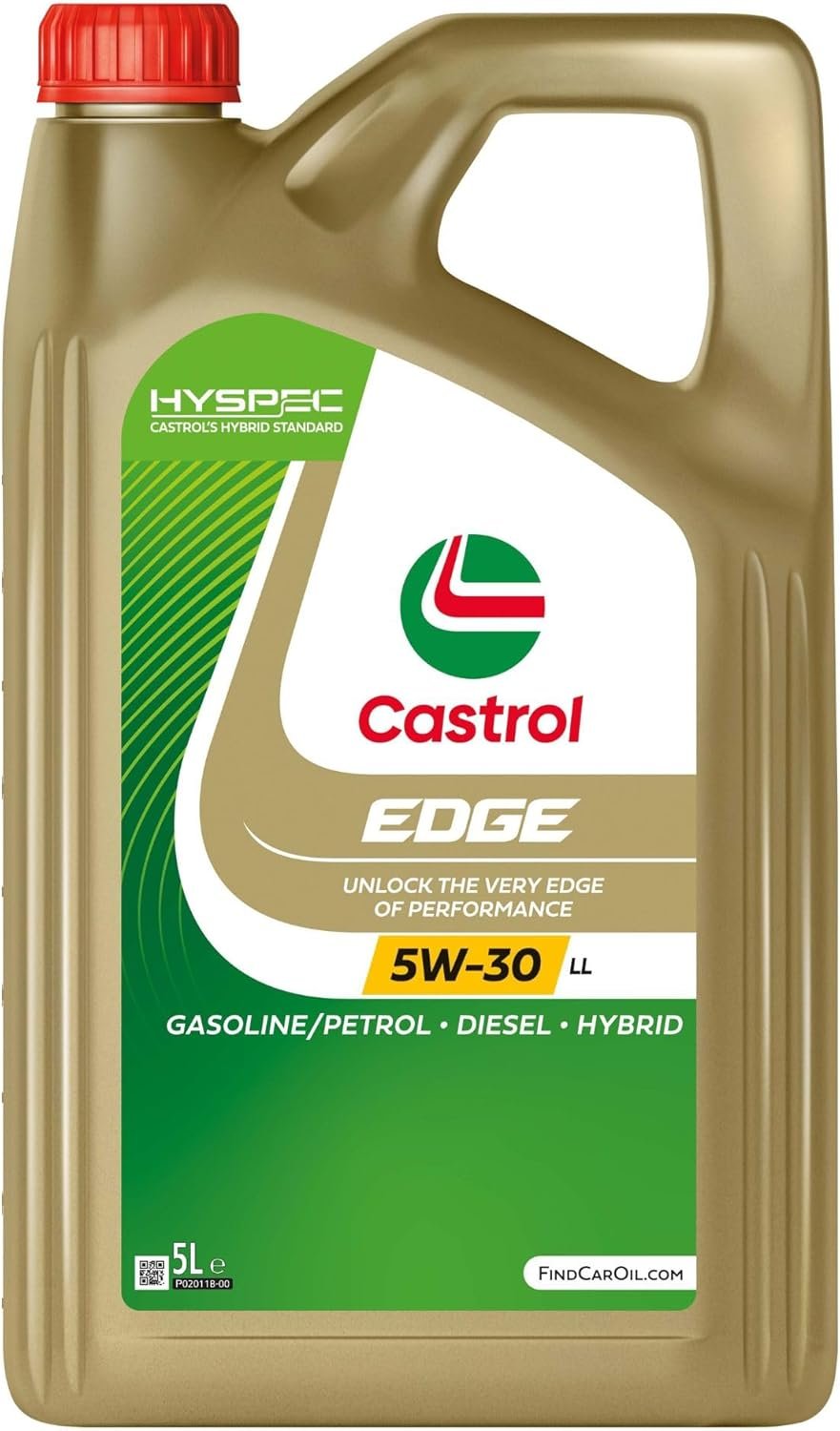
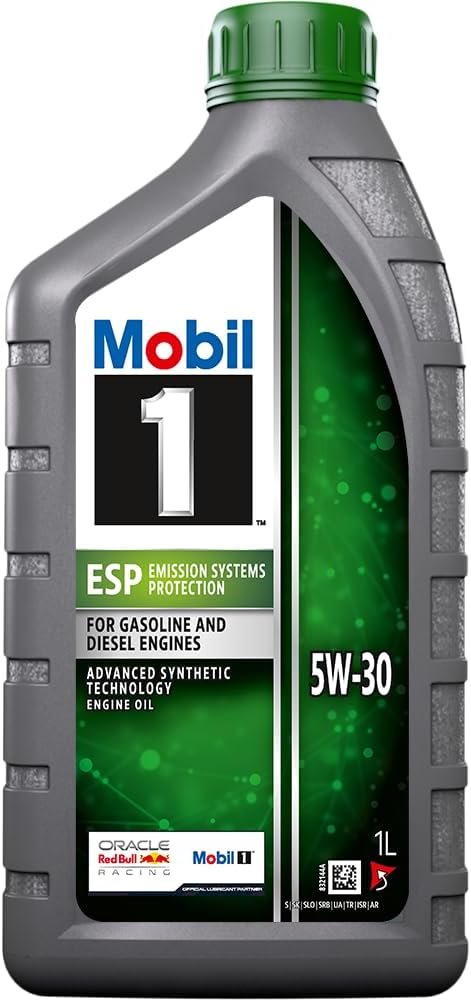
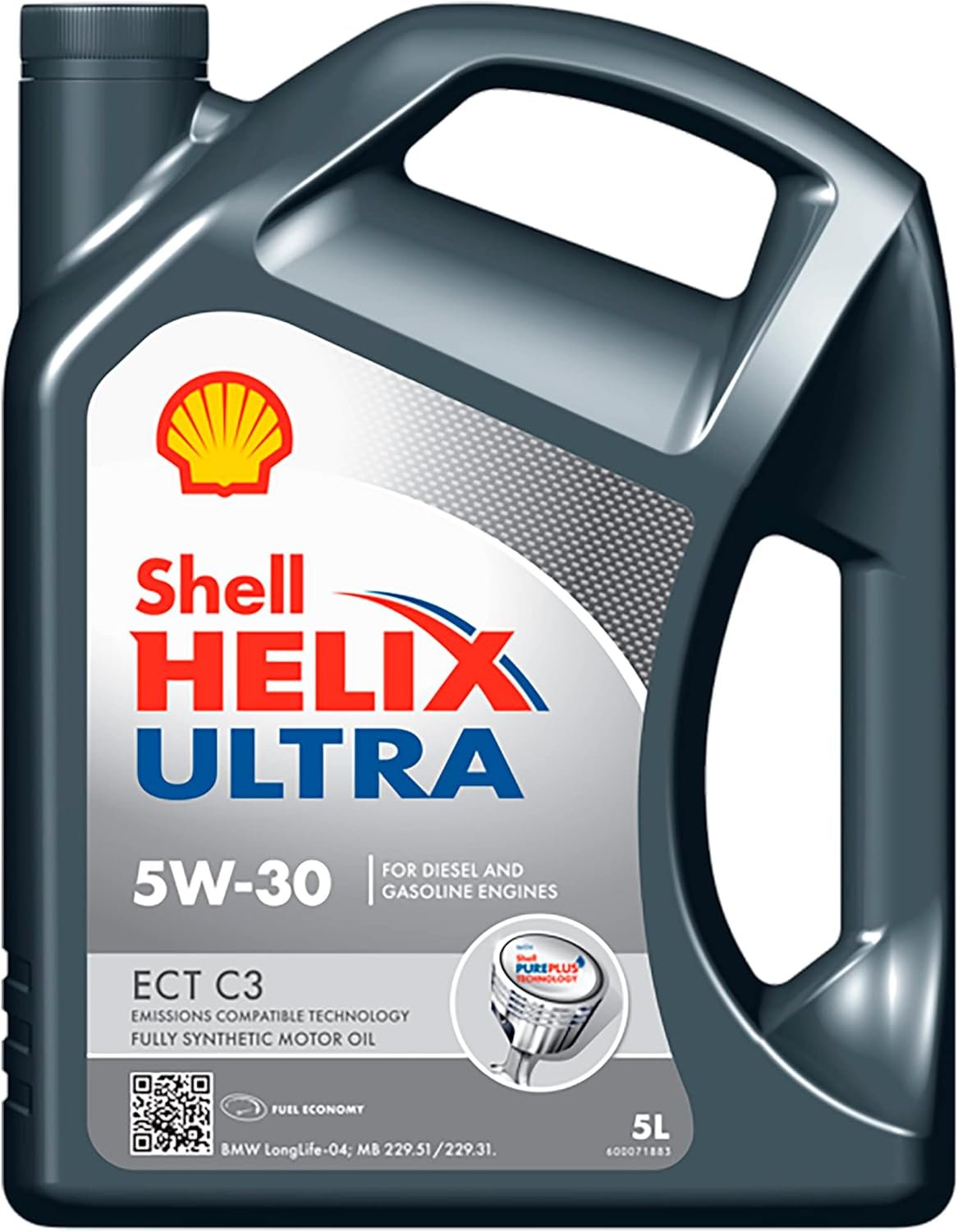
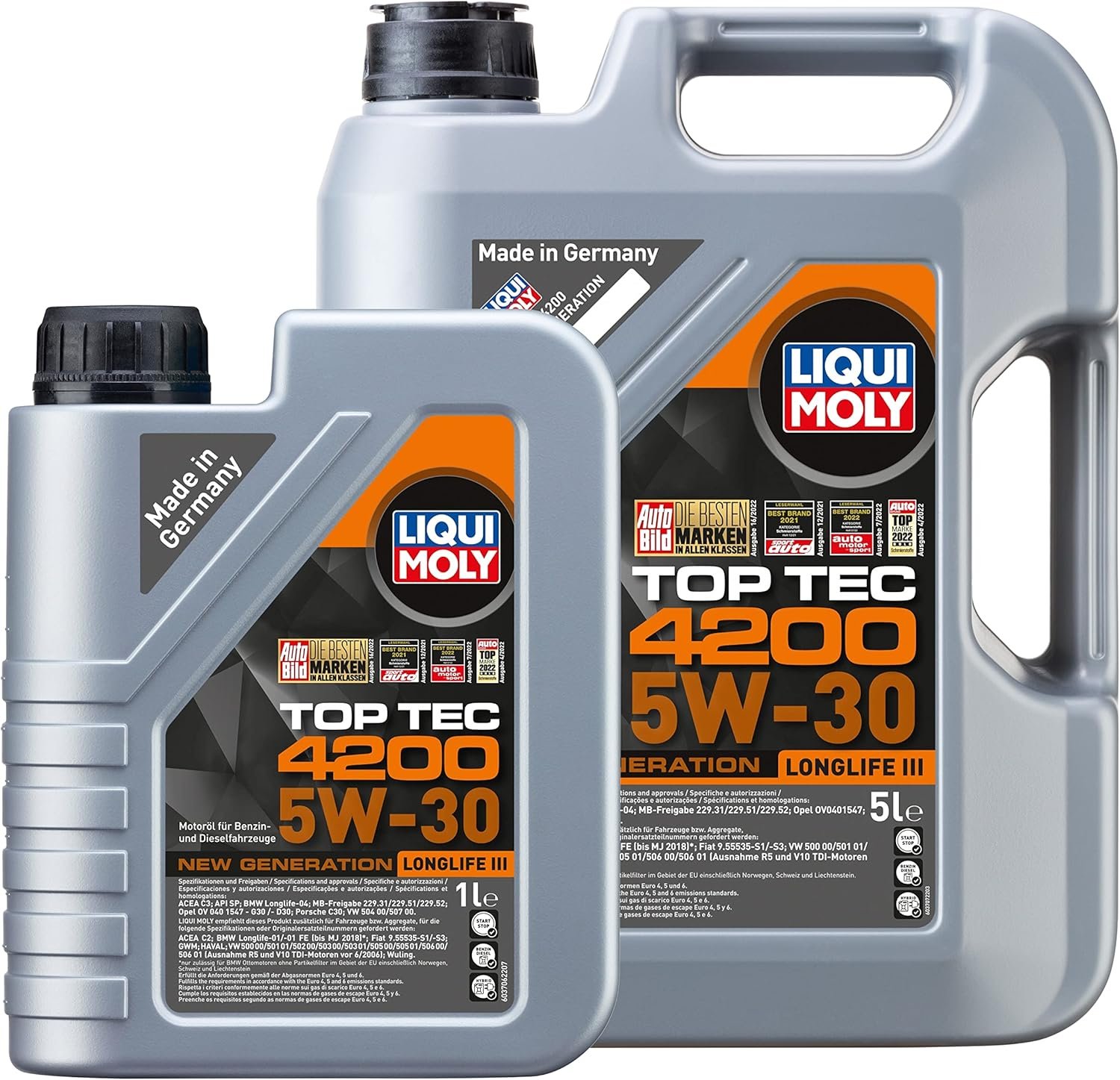
As an Amazon Associate, we may earn from qualifying purchases. This doesn't affect our recommendations — we only suggest oils that hold the exact OEM approval for your engine.
Best Engine Oil for Hyundai i30 1.6 CRDi Diesel (136 HP)
The Hyundai i30 PD with the 1.6 CRDi diesel engine offers a capable alternative to the VW Golf 2.0 TDI and Ford Focus 1.5 EcoBlue for drivers who prioritise fuel economy and motorway refinement. The D4FB engine code identifies a 1,582cc four-cylinder turbodiesel from Hyundai’s U-II family, producing 136 HP and 280 Nm of torque. With a generous 5.7-litre oil capacity — larger than many 2.0-litre diesel competitors — the i30 CRDi provides excellent oil life reserves. The engine requires straightforward ACEA C3 specification without proprietary manufacturer norms, keeping maintenance costs competitive.
Quick Answer: Recommended Oil
For Hyundai i30 PD 1.6 CRDi (136 HP):
- Recommended viscosity: SAE 5W-30
- Oil capacity: 5.7 litres with filter (5.4 L without)
- Required norm: ACEA C3
Note: You will need two 5L containers. The 5.7L capacity is unusually generous for a 1.6-litre diesel — this is a design advantage that provides better thermal management and longer additive life.
The D4FB: Hyundai’s Proven Diesel
The D4FB is a 1,582cc inline four-cylinder with an aluminium cylinder head on a cast iron block, common-rail direct injection, a variable-geometry turbocharger, and timing chain. It produces 136 HP at 4,000 RPM and 280 Nm from 1,750-2,500 RPM — sufficient for a compact hatchback with excellent real-world economy of 55-65 mpg on motorway-heavy routes.
U-II engine family: The D4FB belongs to Hyundai’s U-II diesel family that also includes the 1.6 CRDi in the Tucson, Ceed, and Sportage. It is entirely Hyundai-designed and manufactured, with no platform sharing with European competitors.
Generous oil capacity: The 5.7-litre sump is 1.0 litre larger than the VW Golf 7 2.0 TDI (4.7L) despite the smaller displacement. This provides significantly more thermal mass and additive reserve, effectively extending oil life under equivalent conditions. The larger volume also means fuel dilution from DPF regeneration has proportionally less impact per event.
DPF Management
The i30 CRDi uses a diesel particulate filter with Euro 6 emissions compliance. Like all diesel hatchbacks, the DPF depends on regular motorway driving for passive regeneration. The i30’s typical UK usage as a commuter and family car creates the standard DPF challenge — short urban trips prevent passive regeneration, forcing active regeneration cycles with associated fuel dilution.
The generous 5.7L capacity provides a meaningful advantage here. Each active regeneration cycle dilutes the oil with unburned fuel, but the larger volume means the proportional impact is approximately 20% less severe than on a Golf TDI with its smaller 4.7L sump. This doesn’t eliminate the need for motorway driving, but it provides a wider margin of safety.
EGR system: The D4FB’s exhaust gas recirculation valve is the most commonly reported maintenance item. Carbon deposits from recirculated exhaust gases accumulate over time, causing rough idle and reduced power. Quality ACEA C3 oil with effective detergent properties helps manage the oil-derived component of these deposits.
Technical Specifications: D4FB
| Specification | Value |
|---|---|
| Displacement | 1,582cc |
| Layout | Inline-4, transverse, iron block, aluminium head |
| Valvetrain | DOHC, 16 valves, timing chain |
| Turbocharger | Variable-geometry (VGT) |
| Injection | Common-rail direct injection |
| Power | 136 HP @ 4,000 RPM |
| Torque | 280 Nm @ 1,750-2,500 RPM |
| Emissions | Euro 6 — DPF + SCR (AdBlue) |
| Recommended Viscosity | SAE 5W-30 |
| Oil Capacity (with filter) | 5.7 litres |
| ACEA Norm | C3 |
Best Value: Total Quartz INEO MC3 5W-30 — Reliable ACEA C3 at competitive pricing. £32-38/5L.
Oil Change Intervals
Hyundai Official: 10,000 miles or 12 months.
Recommended: 10,000 miles or 12 months. The generous 5.7L capacity supports this interval comfortably. For predominantly urban driving, annual changes remain the maximum regardless of mileage. The 5-year Hyundai warranty requires documented changes at this interval.
Common D4FB Problems Related to Oil
EGR Valve Carbon Buildup: The primary maintenance concern. Carbon deposits from recirculated exhaust gases restrict the EGR valve, causing rough idle and power loss. Not directly oil-caused, but quality oil reduces the oil-derived component.
Dual-Mass Flywheel Wear: Common on diesel hatchbacks with manual gearboxes. Worn DMF produces rattling at idle and clutch judder. Not oil-related, but a significant expense (£400-700 including clutch). Motorway driving reduces DMF stress.
Injector Deposits: Common-rail injectors can develop nozzle deposits over time, causing rough running and reduced efficiency. Quality oil with detergent properties helps keep injectors cleaner.
Conclusion
The Hyundai i30 1.6 CRDi requires ACEA C3 oil in SAE 5W-30, with 5.7 litres capacity. The D4FB is a proven, well-engineered diesel with the advantage of a generous oil capacity and straightforward ACEA C3 specification — no proprietary norms, no premium pricing for approved oils. Hyundai’s 5-year warranty adds confidence. Use quality ACEA C3 oil, change at 10,000-mile intervals, and the i30 CRDi delivers economical, reliable motoring.
Our Top Picks
As an Amazon Associate, we may earn from qualifying purchases. This doesn't affect our recommendations — we only suggest oils that hold the exact OEM approval for your engine.