 Oil-
Oil-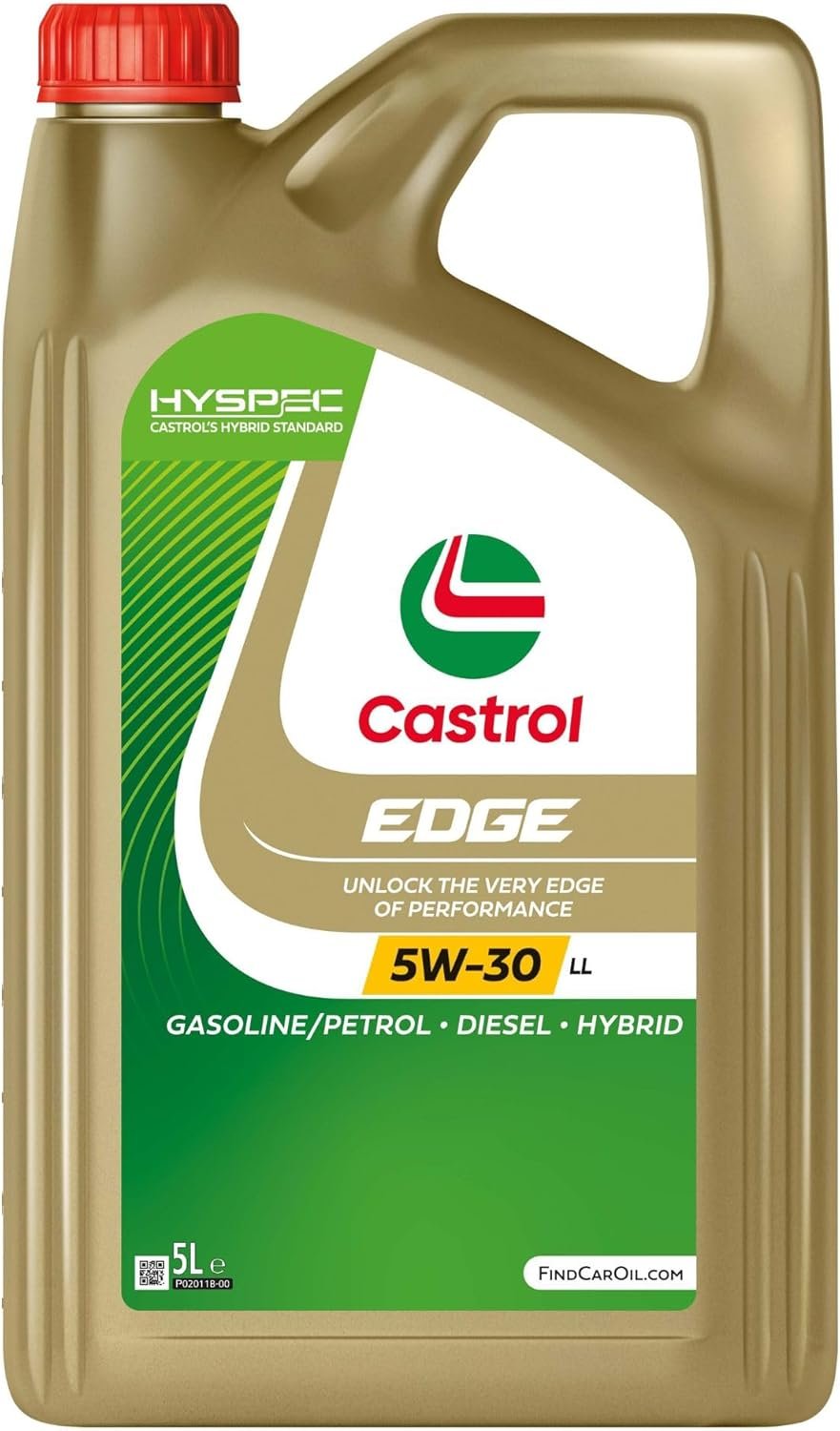
As an Amazon Associate, we may earn from qualifying purchases. This doesn't affect our recommendations — we only suggest oils that hold the exact OEM approval for your engine.
Best Engine Oil for Hyundai i20 1.0 T-GDi (100/120 HP)
The third-generation Hyundai i20, known internally as BC3 and on sale from 2020, represents a significant step up from its predecessor in both design ambition and powertrain technology. The headline engine for the UK market is the Kappa G3LC, a 998cc three-cylinder turbocharged unit with direct injection that produces either 100 or 120 HP depending on calibration. It is a fundamentally different engine from the naturally aspirated G3LA fitted to the smaller i10, sharing the Kappa family name but adding turbocharging, direct injection at 200 bar, and a water-cooled exhaust manifold integrated directly into the cylinder head. These additions deliver a dramatic improvement in performance and efficiency, but they also introduce failure points and maintenance demands that the simpler MPI engines never imposed. This guide explains the correct oil specification, why it matters for this specific engine, and what to watch for as the BC3 i20 fleet accumulates mileage across UK roads.
Quick Answer: Recommended Oil
For Hyundai i20 BC3 1.0 T-GDi (100/120 HP):
- Recommended viscosity: SAE 5W-30
- Oil capacity: 3.9 litres with filter (3.6 L without)
- Required norm: ACEA C3
Key point: The G3LC is a turbocharged, direct-injection three-cylinder holding under 4 litres of oil. That small volume works extraordinarily hard, absorbing heat from the turbo, fuel dilution from the high-pressure injectors, and thermal cycling from the water-cooled integrated exhaust manifold. ACEA C3 provides the thermal stability, deposit resistance, and low-ash chemistry this engine requires. Using a lower specification or stretching change intervals is a direct route to turbo bearing damage and accelerated internal wear.
The Kappa G3LC: Not Your i10’s Engine
It is worth stating plainly what the G3LC is and is not. The naturally aspirated G3LA in the Hyundai i10 is one of the simplest, most reliable small engines in modern production — port injection, no turbo, minimal complexity, and a reputation for running virtually forever with basic maintenance. The G3LC shares the Kappa family architecture and the same 998cc displacement, but the similarities largely end there.
The G3LC adds a turbocharger to generate meaningful boost from under one litre of swept volume. It uses direct fuel injection operating at approximately 200 bar to spray fuel directly into the combustion chamber, delivering the precise mixture control required for turbocharged efficiency but exposing the injector tips to combustion heat and the intake valves to carbon buildup from crankcase vapours. Most significantly, the exhaust manifold is integrated into the cylinder head with water cooling passages cast around it. This design allows the catalyst to reach operating temperature faster for emissions compliance and reduces turbo lag by shortening the exhaust gas path to the turbine wheel. It also means the cylinder head runs considerably hotter than a conventional external-manifold design, placing enormous thermal demands on the engine oil.
The result is an engine that delivers 100 or 120 HP and up to 200 Nm of torque from as low as 1,500 RPM — performance figures the old naturally aspirated i20 engines could never approach. But each of those additions — turbo, direct injection, integrated exhaust manifold — is also an additional failure point that depends on oil quality for its survival.
Overheating: The Most Harmful Issue
The single most damaging problem that can affect the G3LC is overheating, and it stems not from the engine itself but from neglect of the cooling system. The water-cooled integrated exhaust manifold means the cooling system carries a far greater heat load than a conventional arrangement. Coolant circulates through passages in the cylinder head directly adjacent to exhaust gas temperatures, and any reduction in cooling efficiency — a partially blocked radiator, degraded coolant, a failing thermostat, or even accumulated road debris obstructing the radiator face — can push temperatures beyond the engine’s design limits.
When a G3LC overheats, the consequences cascade through every oil-dependent system. The turbo bearing housing reaches temperatures that carbonise even good-quality oil, creating coking deposits that restrict oil flow and accelerate shaft wear. Piston rings lose their sealing effectiveness as thermal expansion exceeds tolerances, allowing blow-by gases to contaminate the oil and cylinder walls to score. The head gasket, already under strain from the integrated exhaust manifold’s heat, becomes vulnerable to failure.
The lesson is straightforward: inspect the radiator and cooling system at every service. Ensure the coolant is at the correct concentration, the radiator is free from obstruction, and the thermostat is functioning correctly. A healthy cooling system keeps the G3LC within its thermal envelope, where the oil can do its job. A neglected cooling system can destroy the engine regardless of what oil you pour into it.
Mixed Reliability: The 100,000 km Question
The G3LC has an uneven reliability record, and honesty about this is more useful than reassurance. Some owners report trouble-free running well beyond 200,000 km with disciplined maintenance. Others have experienced significant failures — turbo bearing collapse, timing chain issues, or injector problems — at between 100,000 and 130,000 km. The pattern that emerges from owner forums and specialist workshops is not that the G3LC is an inherently weak engine, but that it is an engine with very little tolerance for neglect.
The difference between a G3LC that reaches 200,000 km and one that fails at 120,000 km almost always comes down to maintenance discipline. Regular oil changes with the correct specification, attentive cooling system care, and prompt investigation of unusual noises or performance changes are the factors that separate the success stories from the failures. This is an engine that rewards attentive ownership and punishes indifference with expensive consequences.
Turbo Protection: The Tiny Turbo Problem
The turbocharger fitted to the G3LC is small by design. It needs to spool quickly from a 998cc displacement, which means a small turbine wheel, tight tolerances on the shaft bearings, and very high rotational speeds. The bearing surfaces rely entirely on the engine oil for both lubrication and heat dissipation.
With only 3.9 litres of oil in the entire system, each litre is doing proportionally more work than in a larger engine. The oil passes through the turbo bearing housing more frequently, absorbing more heat per cycle, and contaminants from combustion blow-by concentrate faster in the smaller volume. Fresh, high-quality ACEA C3 oil resists thermal breakdown at the temperatures found in the turbo bearing housing and maintains its viscosity stability through thousands of these heating cycles. Degraded oil — whether from extended intervals, incorrect specification, or contamination — loses these protective properties and allows the turbo bearing to wear at an accelerating rate.
After motorway driving or any sustained high-load use, allow the engine to idle for 30 to 60 seconds before switching off. This gives the oil pump time to circulate cooler oil through the turbo bearing, carrying residual heat away before the oil becomes static in the bearing housing.
Direct Injection and Carbon Buildup
The G3LC’s 200-bar direct injection system delivers excellent fuel economy and precise combustion control, but it comes with the same carbon penalty as every other direct-injection petrol engine. Because fuel is sprayed directly into the combustion chamber rather than over the intake valves, there is no fuel wash to keep the valve backs clean. Oil vapour drawn through the positive crankcase ventilation system bakes onto the hot intake valve surfaces, gradually building a hard carbon layer that restricts airflow and disrupts the valve seal.
Symptoms develop gradually — a slight roughness at idle, minor hesitation on acceleration, a subtle loss of low-end torque — and are easy to dismiss until the carbon buildup reaches a level that requires walnut blasting or chemical cleaning to remove. While no oil can completely prevent intake valve carbon, a fully synthetic ACEA C3 oil with lower volatility produces fewer crankcase vapours, reducing the raw material available for deposit formation. Shorter oil change intervals further limit the concentration of blow-by contaminants that feed the carbon cycle.
Technical Specifications: 1.0 T-GDi (G3LC)
| Specification | Value |
|---|---|
| Displacement | 998cc (1.0 litre) |
| Layout | Inline-3, transverse, aluminium block and head |
| Valvetrain | DOHC, 12 valves, timing chain |
| Fuel System | Direct injection (200 bar), turbocharged |
| Exhaust | Water-cooled integrated exhaust manifold |
| Power | 100 HP or 120 HP @ 6,000 RPM |
| Torque | 172–200 Nm @ 1,500–4,000 RPM |
| Fuel Type | Petrol, 95 RON minimum |
| Recommended Viscosity | SAE 5W-30 |
| Oil Capacity (without filter) | 3.6 litres |
| Oil Capacity (with filter) | 3.9 litres |
| ACEA Norm | C3 |
| Expected Lifespan | ~200,000 km with proper maintenance |
| Also used in | Hyundai Bayon, Kia Stonic, Kia Rio |
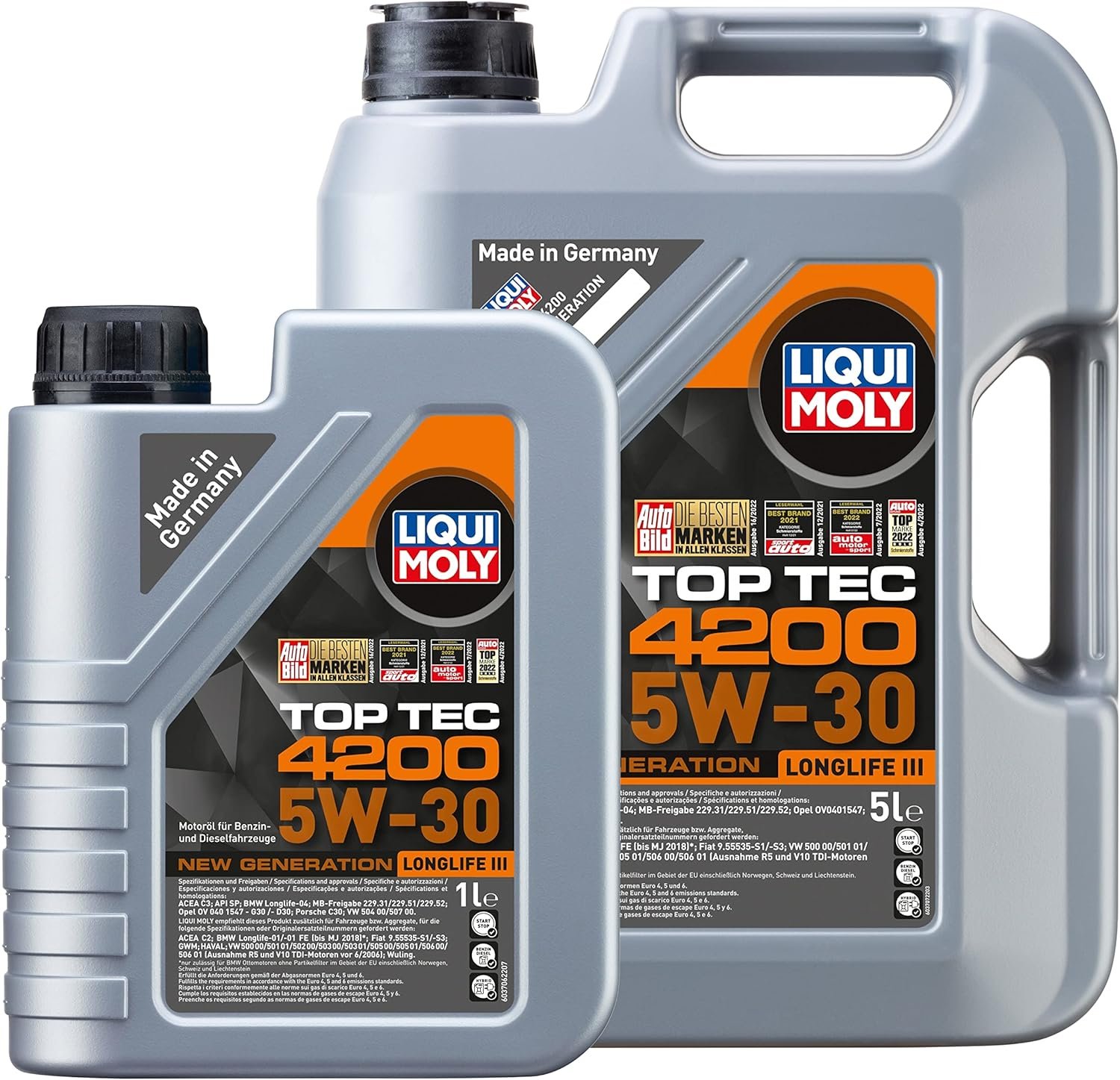
Best Value: Liqui Moly Top Tec 4600 5W-30 German-engineered Liqui Moly consistently delivers quality that punches above its price point. The Top Tec 4600 carries full ACEA C3 certification and provides a fully synthetic base stock with strong thermal stability and good anti-wear performance. The low-SAPS additive package protects the catalytic converter while the detergent and dispersant system keeps turbo oil passages and piston ring grooves clean. Liqui Moly’s consistent batch-to-batch quality is reassuring for an engine where specification compliance is directly linked to turbo survival. At £30-36 for 5 litres, it is the most affordable option on this list and an outstanding choice for owners committed to shorter change intervals where frequent renewal offsets the small step down from the absolute premium tier. Available from independent motor factors and online retailers across the UK.
Oil Change Intervals
Hyundai Official Recommendation:
- Standard service: 15,000 km (approximately 9,300 miles) or 12 months
Recommended Practice: 10,000 km (6,200 miles) or 12 months, whichever comes first.
Hyundai’s official interval is calibrated for a broad range of conditions and leans towards cost-of-ownership competitiveness rather than maximum engine longevity. The G3LC holds under 4 litres of oil — a small volume working exceptionally hard in a turbocharged, direct-injection engine with an integrated exhaust manifold that generates substantial heat. Oil degradation per mile is significantly higher than in a larger, naturally aspirated engine.
Consider 7,500 km (4,700 mile) intervals if:
- Predominantly short urban journeys under 10 miles
- Frequent cold starts without reaching full operating temperature
- Regular heavy use of boost (spirited driving, hill climbs, full-load acceleration)
- Vehicle has covered over 80,000 km
- Any history of cooling system issues or overheating
- Unknown service history from a previous owner
- Stop-start city driving as the dominant pattern
Check the dipstick monthly. With only 3.9 litres total capacity, even a half-litre drop represents a meaningful reduction in the oil volume available to protect the turbo, chain, and bearings. If the oil darkens rapidly or the level falls noticeably between services, bring the change forward rather than waiting for the scheduled date.
Conclusion
The Hyundai i20 BC3 1.0 T-GDi requires SAE 5W-30 engine oil meeting ACEA C3, with a total capacity of 3.9 litres including the filter. The Kappa G3LC is a capable and efficient modern turbo engine that delivers impressive performance from under one litre of displacement, but it is an engine that demands consistent, correct maintenance in return. The turbocharger, direct injection system, integrated exhaust manifold, and timing chain all depend on oil that maintains its protective properties under sustained thermal stress.
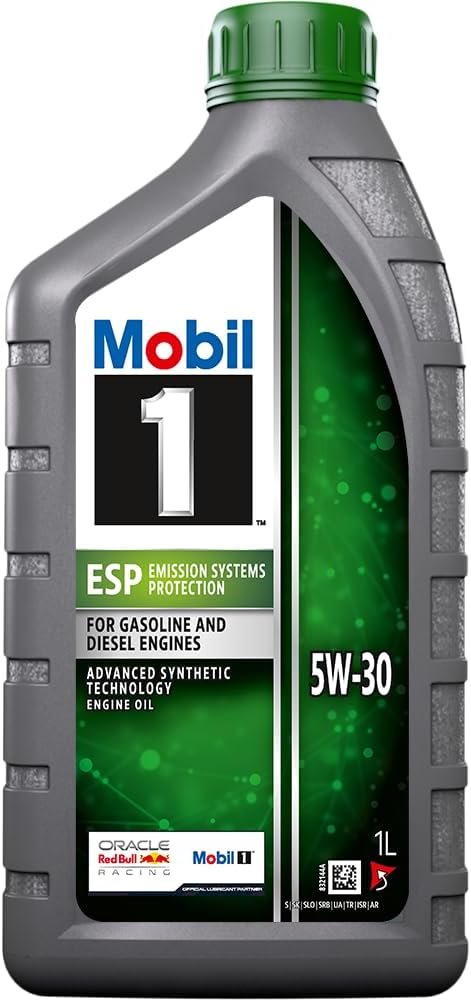
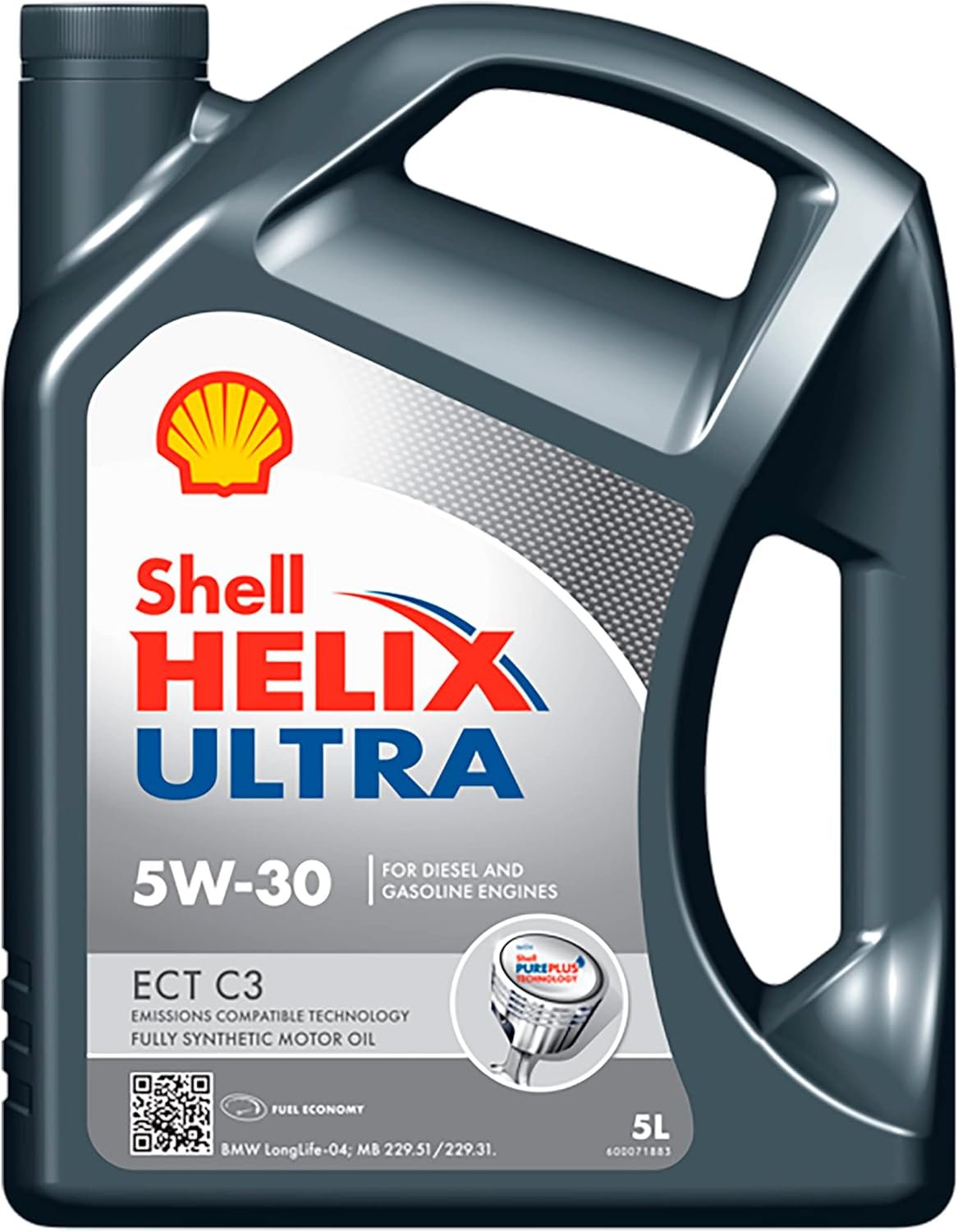
Mobil 1 ESP 5W-30 and Castrol EDGE 5W-30 LL offer the strongest protection for owners who want maximum confidence, while Shell Helix Ultra ECT C3 5W-30 provides excellent deposit control for higher-mileage drivers. Liqui Moly Top Tec 4600 5W-30 delivers genuine ACEA C3 protection at the lowest price, making it ideal for owners who prioritise frequent oil renewal. Whichever oil you choose, change it at 10,000 km intervals or sooner, keep the cooling system in perfect health, monitor the oil level between services, and allow the turbo to cool after hard driving. The G3LC rewards disciplined ownership with reliable service towards and beyond 200,000 km — but it will not forgive neglect.
Our Top Picks
As an Amazon Associate, we may earn from qualifying purchases. This doesn't affect our recommendations — we only suggest oils that hold the exact OEM approval for your engine.