 Oil-
Oil-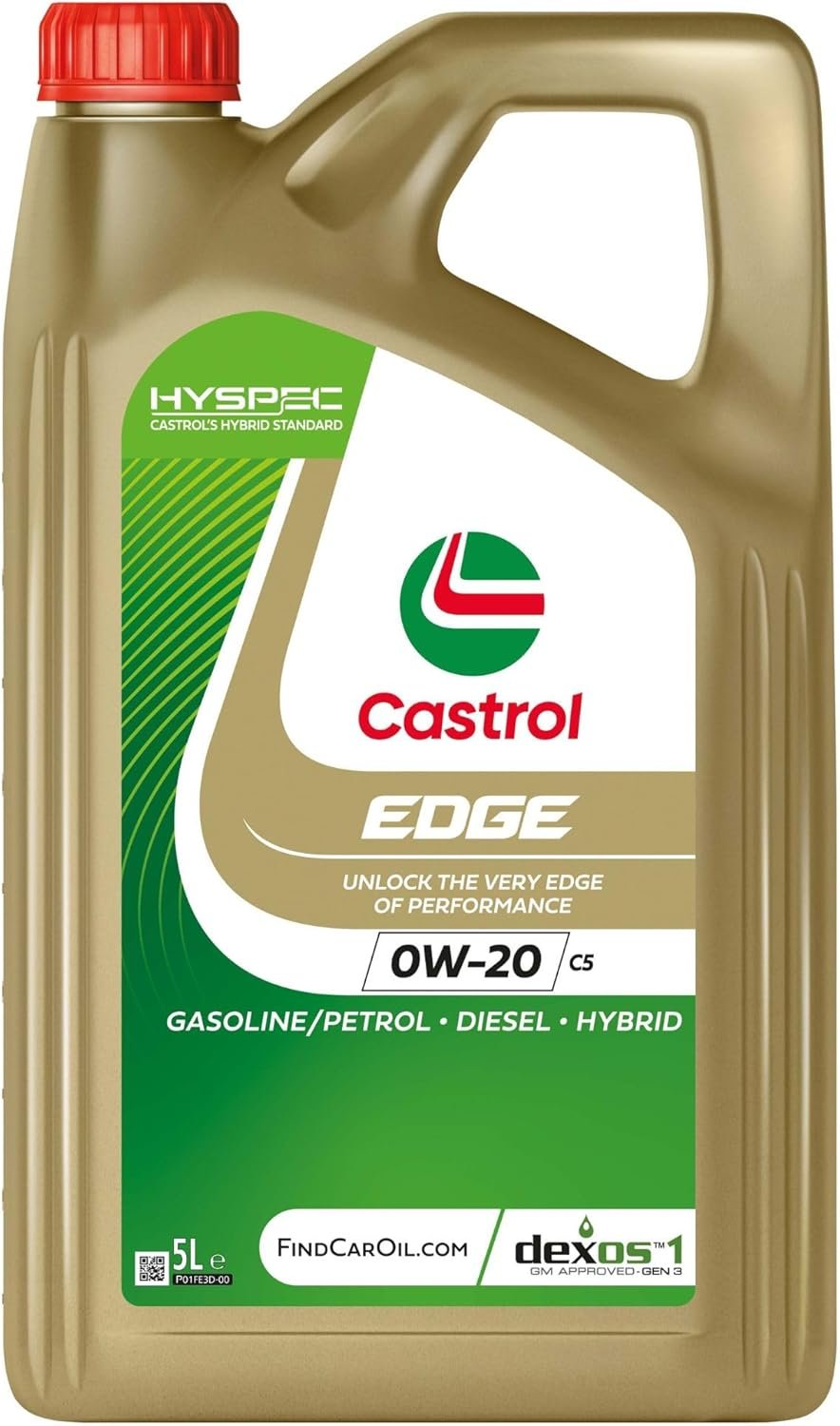
As an Amazon Associate, we may earn from qualifying purchases. This doesn't affect our recommendations — we only suggest oils that hold the exact OEM approval for your engine.
Best Engine Oil for Kia Forte BD 2.0L MPI (147 HP) — G4NJ
The Kia Forte BD (2019+) with the 2.0-liter G4NJ engine is one of the best-selling compact sedans in North America, offering straightforward transportation at an accessible price point. The G4NJ is a naturally aspirated, multi-point injected four-cylinder that prioritizes simplicity and fuel economy over outright performance. However, this engine has a well-documented history of excessive oil consumption that has resulted in class action litigation and widespread owner frustration. Choosing the correct oil and monitoring consumption closely is not optional with this engine — it is essential. This guide covers the right specification, capacity, the best oils for the G4NJ, and what every Forte owner needs to know about the oil consumption problem.
Quick Answer: Recommended Oil
For Kia Forte BD 2.0L MPI (147 HP, G4NJ):
- Specification: API SP / ILSAC GF-6A
- Viscosity: SAE 0W-20
- Alternative viscosity: SAE 5W-20
- Oil capacity: 4.2 quarts with filter (4.0 quarts without)
Important: Use only SAE 0W-20 full synthetic oil meeting API SP or ILSAC GF-6A. SAE 5W-20 is the approved alternative for temperatures above freezing. Given the G4NJ’s documented oil consumption issues, quality full synthetic oil with strong detergent properties is particularly important for keeping piston rings clean and free-moving. Do not use 5W-30 or any heavier viscosity — the engine’s bearing clearances and oil passages are designed for 0W-20.
The G4NJ Engine
The G4NJ is a 1,999cc naturally aspirated inline four-cylinder producing 147 horsepower at 6,200 RPM and 132 lb-ft of torque at 4,500 RPM. It powers all non-turbo Kia Forte BD trims — FE, LXS, and GT-Line — paired with either a CVT (IVT in Kia terminology) or an available six-speed manual transmission.
This engine belongs to Hyundai-Kia’s Nu engine family, which replaced the older Gamma and Beta series. The G4NJ uses an aluminum block with cast-iron cylinder liners, a DOHC 16-valve valvetrain with Dual Continuously Variable Valve Timing (D-CVVT) on both intake and exhaust camshafts, and a timing chain that eliminates scheduled belt replacements.
The defining characteristic of the G4NJ is its multi-point port fuel injection. Unlike the GDI (Gasoline Direct Injection) engines that dominate the Hyundai-Kia lineup, the G4NJ sprays fuel into the intake port before the valve. This means fuel washes the intake valve surfaces at every cycle, preventing the carbon deposit buildup that plagues direct-injection engines. Port injection also eliminates the fuel dilution risk that GDI engines face under certain operating conditions. Ironically, while the MPI system avoids the carbon buildup problems of its GDI siblings, the G4NJ has developed its own reputation problem: excessive oil consumption from worn piston rings.
Understanding the Oil Specification
Kia specifies API SP / ILSAC GF-6A for the G4NJ. API SP, introduced in 2020, replaced API SN Plus with enhanced protection against Low-Speed Pre-Ignition (LSPI), improved high-temperature deposit control, and better oxidation resistance. While LSPI is primarily a concern for turbocharged direct-injection engines, the improved deposit control and oxidation stability in API SP oils directly benefit the G4NJ’s piston ring health — a critical consideration given this engine’s known consumption issues.
ILSAC GF-6A is the companion standard ensuring fuel economy targets are met without sacrificing wear protection. Any oil displaying both the API SP donut and ILSAC GF-6A starburst on its label meets Kia’s complete requirements. If your owner’s manual references the older API SN specification, API SP is fully backward-compatible and superior in every measurable category. Always choose API SP when available.
SAE 0W-20 is the primary recommendation. SAE 5W-20 is acceptable as an alternative, particularly in warmer climates where cold-start flow characteristics are less critical. Both viscosities provide equivalent protection at operating temperature. The difference lies in cold-cranking behavior — 0W-20 flows faster during the first 30 to 60 seconds after a cold start, when the majority of engine wear occurs.
Technical Specifications
| Specification | Value |
|---|---|
| Displacement | 1,999cc (2.0 liters) |
| Layout | Inline-4, transverse, aluminum block with cast-iron liners |
| Valvetrain | DOHC, 16 valves, D-CVVT (intake and exhaust), timing chain |
| Aspiration | Naturally aspirated |
| Fuel Injection | Multi-point port injection (MPI) |
| Bore x Stroke | 81.0mm x 97.0mm |
| Compression Ratio | 12.5:1 |
| Power | 147 HP @ 6,200 RPM |
| Torque | 132 lb-ft @ 4,500 RPM |
| Fuel Type | Regular unleaded (87 octane) |
| Recommended Viscosity | SAE 0W-20 |
| Alternative Viscosity | SAE 5W-20 |
| Oil Capacity (without filter) | 4.0 quarts (3.8 liters) |
| Oil Capacity (with filter) | 4.2 quarts (4.0 liters) |
| Oil Specification | API SP / ILSAC GF-6A |
| Timing | Chain (no scheduled replacement) |
Best Value: Valvoline Advanced Full Synthetic 0W-20 Valvoline’s full synthetic meets every specification the G4NJ requires at the most competitive price point. For an engine that may consume oil between changes — meaning you are buying top-off oil regularly — the cost advantage adds up. Consistently priced at $23-27 for 5 quarts at Walmart, AutoZone, O’Reilly, and Amazon.
Oil Change Intervals
Kia Official Recommendation:
- Standard service: 7,500 miles or 12 months
- Severe conditions: 3,750 miles or 6 months
Recommended Practice: 5,000 miles or 6 months, whichever comes first.
Given the G4NJ’s oil consumption tendency, shorter intervals are a wise investment. Fresh oil with a full detergent package keeps piston rings cleaner and reduces the rate at which consumption worsens over time. At $25-35 per oil change in materials, a 5,000-mile interval costs roughly $50-70 per year for a driver covering 12,000 to 15,000 miles annually.
Check your dipstick every 1,000 miles without exception. The G4NJ holds only 4.2 quarts with a filter, so even losing a single quart represents nearly 25 percent of the total oil volume. Running this engine a quart low accelerates bearing wear and further damages already-stressed piston rings. Keep a spare quart of 0W-20 in the trunk at all times.
Why Correct Oil Matters
The G4NJ’s D-CVVT system uses oil pressure to adjust both intake and exhaust cam timing continuously. Degraded oil or low oil levels produce sluggish timing response, reducing fuel economy and throttle responsiveness. The timing chain tensioner is hydraulically operated and depends on adequate oil pressure and viscosity to maintain proper tension — low oil levels or thickened, sludged oil leads to chain slack and a distinctive rattle on cold starts that worsens over time.
The piston rings in the G4NJ are already a known weak point. Using oil with insufficient detergent properties or extending drain intervals beyond the recommended schedule allows carbon deposits to accumulate in the ring grooves, restricting ring movement. When rings cannot flex properly against the cylinder wall, they fail to scrape oil effectively, and consumption increases. This creates a self-reinforcing cycle: more consumption leads to more frequent low-oil conditions, which leads to higher operating temperatures, which accelerates deposit formation, which worsens consumption further.
Common G4NJ Problems Related to Oil
Excessive Oil Consumption — Class Action and TSBs
The G4NJ’s most significant and well-documented issue is excessive oil consumption caused by premature piston ring wear. In January 2022, a class action lawsuit was filed against Hyundai Motor America and Kia America alleging that 2.0-liter Nu engines in multiple models — including the Forte — consume oil at rates far exceeding what any owner should consider acceptable. Kia’s official position is that oil consumption of up to 1 quart per 1,000 miles falls within “acceptable” parameters. Most automotive engineers and independent mechanics consider that rate excessive for a modern engine with fewer than 100,000 miles.
The root cause is worn piston rings that fail to maintain proper tension against the cylinder wall. Affected engines may show no external leaks and pass compression tests while still consuming oil at alarming rates. Symptoms include a gradually dropping oil level between changes, blue-gray exhaust smoke under acceleration, and fouled spark plugs.
Baffle Drain Plug Modification
Some owners and independent mechanics have reported that removing or modifying the oil baffle drain plugs inside the valve cover can reduce oil consumption on affected G4NJ engines. The theory is that the factory baffle design traps oil in the valve cover area, preventing it from draining back to the crankcase efficiently and increasing the amount of oil vapor entering the PCV system and combustion chamber. While this modification has shown positive results for some owners, it is not an official Kia repair procedure and may affect warranty coverage. Discuss this option with a knowledgeable mechanic before proceeding.
PCV System and Oil Vapor Management
The Positive Crankcase Ventilation system routes blow-by gases and oil vapor from the crankcase back into the intake for combustion. On engines already consuming oil at elevated rates, the PCV system can become overwhelmed, contributing to oil-fouled intake components and further consumption. Inspecting and cleaning or replacing the PCV valve at each oil change is a low-cost maintenance step that can help manage consumption on higher-mileage G4NJ engines.
Conclusion
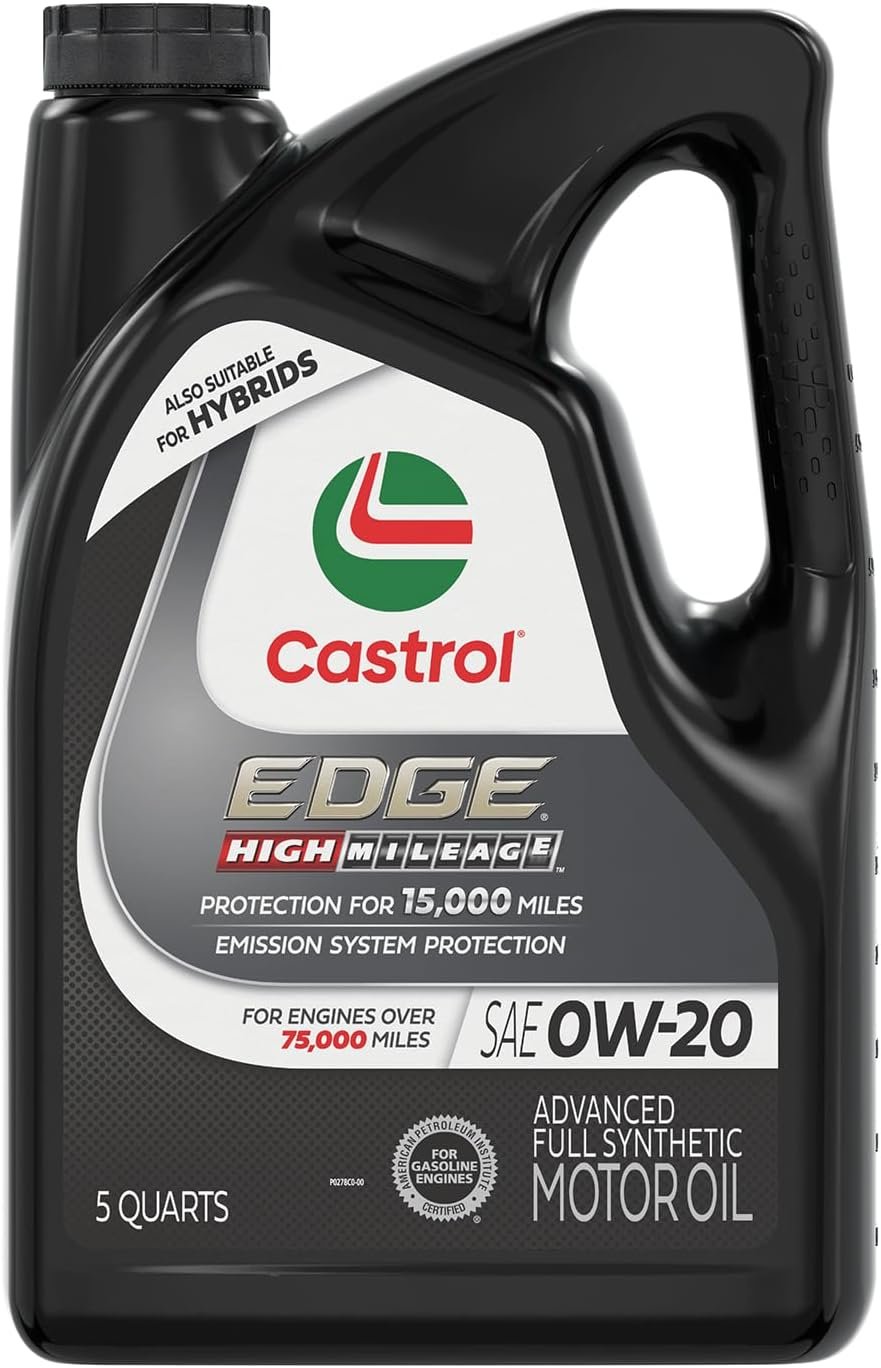
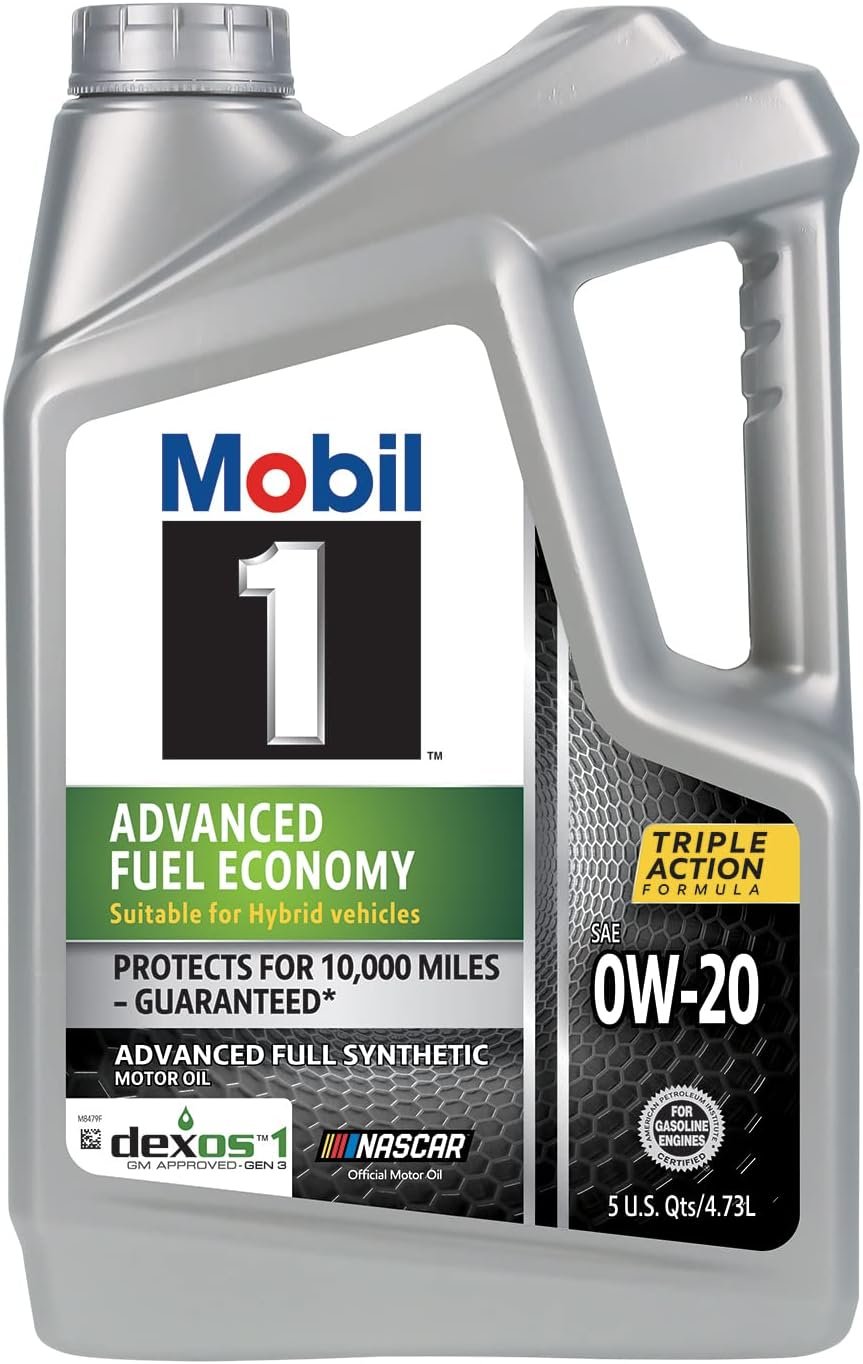
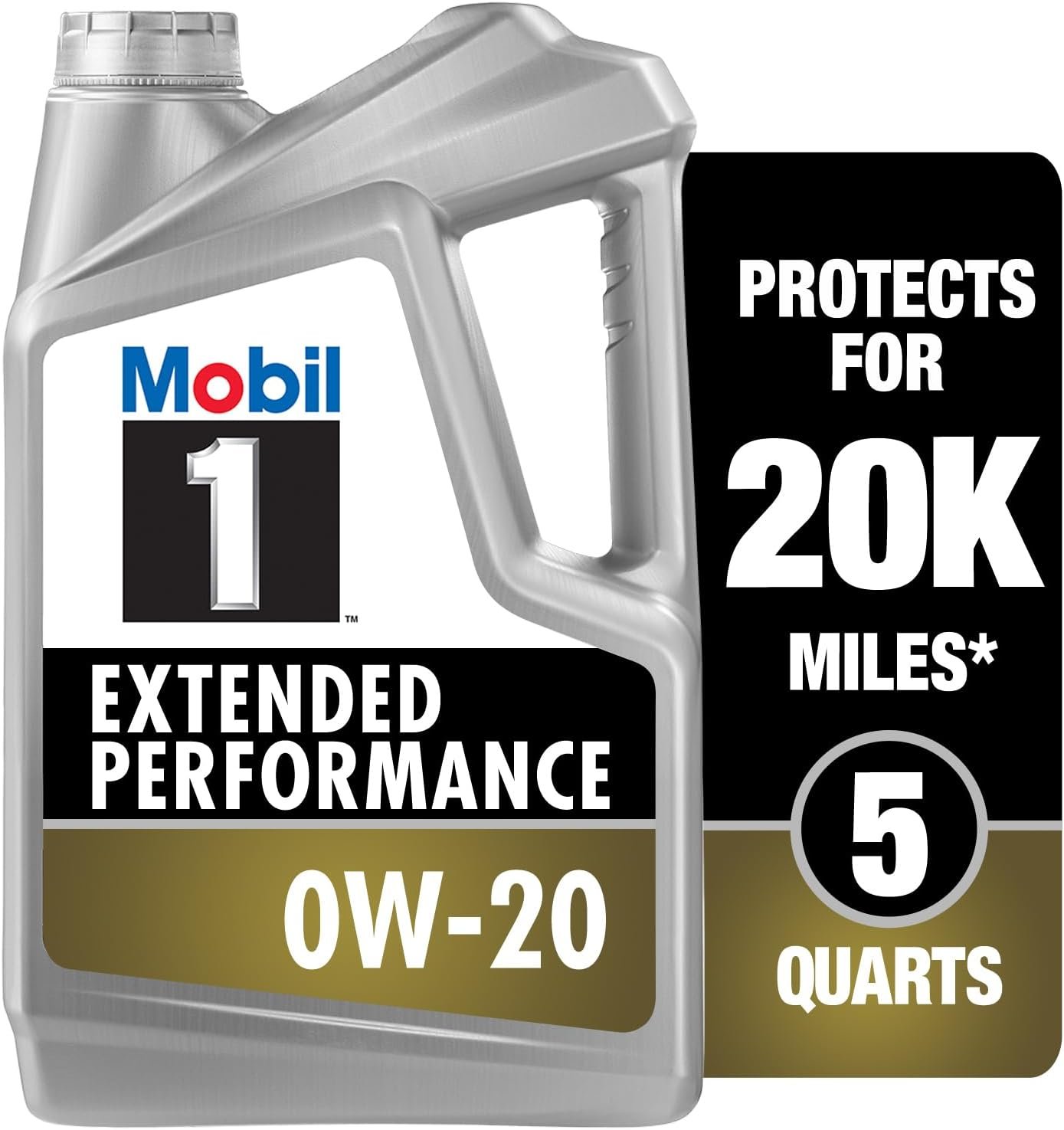
The Kia Forte BD 2.0L MPI (G4NJ) requires 4.2 quarts of SAE 0W-20 engine oil meeting API SP / ILSAC GF-6A at every service, with SAE 5W-20 as an acceptable alternative. Kia Genuine 0W-20, Mobil 1 Advanced Fuel Economy, Castrol EDGE Advanced, and Valvoline Advanced Full Synthetic all meet the specification and range from $23 to $35 for 5-quart jugs.
This engine’s oil consumption history demands vigilance. Check your dipstick every 1,000 miles, keep a quart of 0W-20 in the vehicle, and change the oil every 5,000 miles rather than stretching to 7,500. Document every oil purchase and top-off with receipts — if consumption exceeds 1 quart per 1,000 miles, this documentation supports warranty claims and any potential involvement in ongoing litigation. The G4NJ is a simple, port-injected engine with no turbocharger and no carbon buildup concerns, but its piston ring weakness means attentive oil management is the single most important thing you can do to extend its service life.
Our Top Picks
As an Amazon Associate, we may earn from qualifying purchases. This doesn't affect our recommendations — we only suggest oils that hold the exact OEM approval for your engine.