 Oil-
Oil-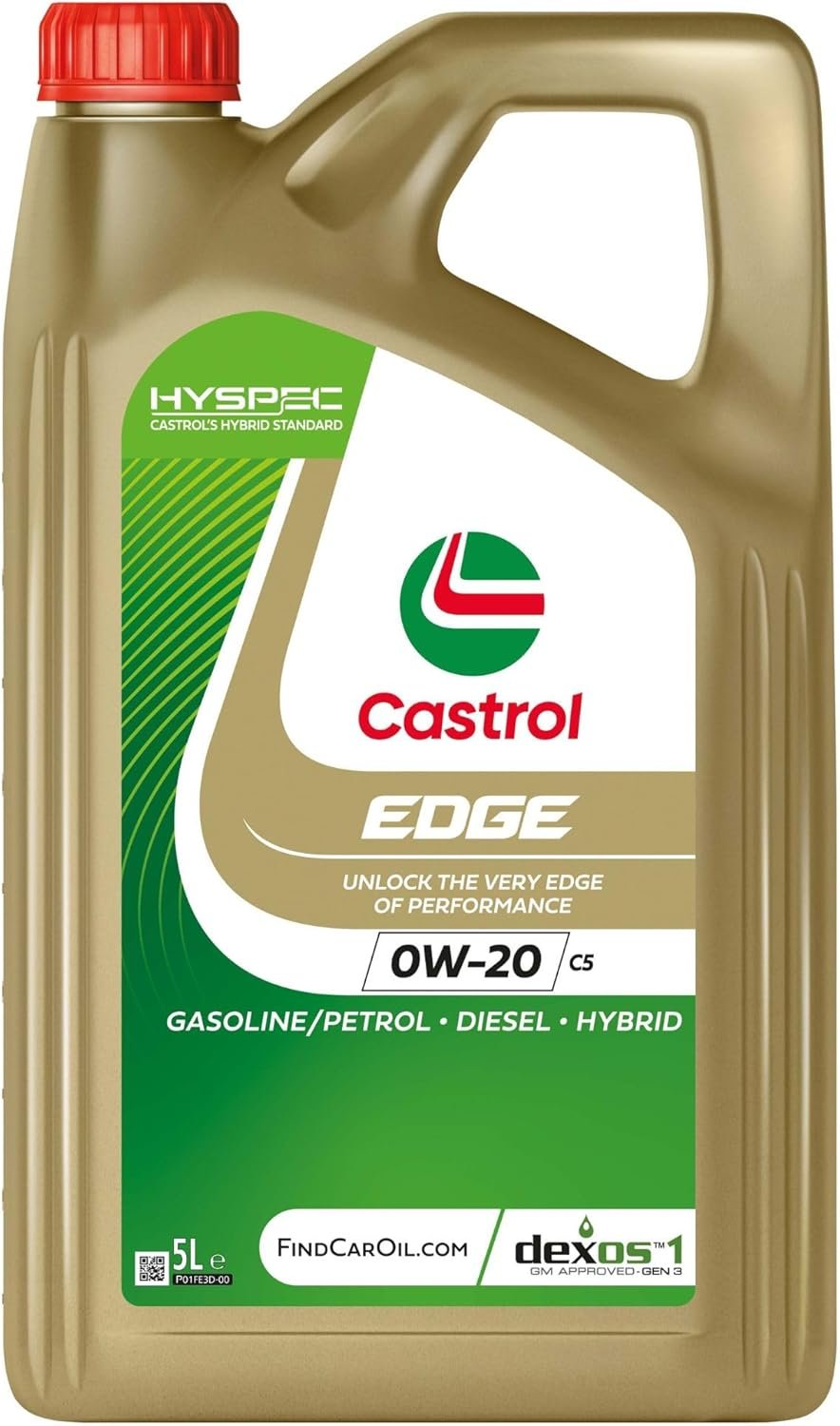
As an Amazon Associate, we may earn from qualifying purchases. This doesn't affect our recommendations — we only suggest oils that hold the exact OEM approval for your engine.
Best Engine Oil for Hyundai Tucson NX4 2.5 GDi (187 HP) — G4KN
The fourth-generation Hyundai Tucson NX4 (2022+) equipped with the 2.5-liter Smartstream G4KN engine is one of the best-selling compact SUVs in the American market. The naturally aspirated 2.5-liter produces 187 horsepower and 178 lb-ft of torque through a conventional 8-speed automatic transmission, offering a straightforward alternative to the turbocharged and hybrid variants in the Tucson lineup. Straightforward does not mean problem-free. The G4KN has developed a reputation for oil consumption that ranges from mildly elevated to genuinely alarming on early production units, driven by a piston ring design that Hyundai has since quietly revised. Understanding this engine’s relationship with oil — the correct specification, the right interval, and the warning signs of excessive consumption — is essential for any owner who intends to keep this vehicle past the warranty period.
Quick Answer: Recommended Oil
For Hyundai Tucson NX4 2.5 GDi (187 HP, G4KN):
- Specification: API SP / ILSAC GF-6A
- Viscosity: SAE 0W-20
- Oil capacity: 5.8 quarts with filter (5.4 quarts without)
Important: The G4KN requires SAE 0W-20 full synthetic oil meeting API SP or ILSAC GF-6A. Do not use 5W-20 or 5W-30. The engine’s bearing clearances, variable valve timing system, and oil pump are calibrated for 0W-20 viscosity. Thicker oils increase parasitic friction without improving protection and can impair cold-start oil delivery to critical components.
The Smartstream G4KN Engine
The G4KN is a 2,497cc naturally aspirated inline four-cylinder from Hyundai’s Smartstream family. It features an aluminum block and head, dual continuously variable valve timing (CVVT) on both intake and exhaust camshafts, and gasoline direct injection (GDi). The engine produces 187 horsepower at 6,100 RPM and 178 lb-ft of torque at 4,000 RPM, paired with the 8-speed automatic transmission in all US-market Tucson models.
The Smartstream architecture represents Hyundai’s effort to improve thermal efficiency in naturally aspirated engines. The G4KN uses an Atkinson-cycle combustion strategy at partial loads, holding the intake valve open longer than in a conventional Otto cycle to reduce pumping losses and improve fuel economy. At higher loads, the engine reverts to conventional valve timing for full power output. This dual-mode approach demands precise valve timing control, which depends directly on oil pressure and viscosity.
The direct injection system operates at pressures exceeding 2,900 psi, spraying fuel directly into the combustion chamber. While this delivers precise fuel metering and improved efficiency, it creates a well-documented side effect: fuel dilution. During cold starts and under certain transient conditions, a portion of the high-pressure fuel spray contacts the cylinder walls and washes past the piston rings into the crankcase. In a properly functioning engine, this small amount of gasoline evaporates once the oil reaches operating temperature. The problem intensifies when the piston rings themselves are not sealing properly.
Understanding the Oil Specification
API SP is the current top-tier service category for gasoline engine oils, introduced in 2020. It supersedes API SN Plus and includes enhanced protection against low-speed pre-ignition (LSPI), a phenomenon where the fuel-air mixture ignites before the spark plug fires under high-load, low-RPM conditions. While LSPI is more commonly associated with turbocharged engines, it can occur in high-compression naturally aspirated engines like the G4KN under specific operating conditions.
ILSAC GF-6A accompanies API SP and adds mandatory fuel economy performance requirements. Oils carrying both certifications deliver the complete protection profile the G4KN requires: LSPI prevention, oxidation stability for extended drain intervals, and the precise 0W-20 viscosity that allows rapid oil circulation during cold starts when the engine is most vulnerable.
Hyundai does not publish a proprietary oil specification for the G4KN the way European manufacturers do. Instead, the owner’s manual references API SP and SAE 0W-20 as the required standard. Any oil carrying the API SP donut symbol and ILSAC GF-6A starburst in 0W-20 viscosity meets the factory requirement. Verify both marks on the bottle before purchasing.
Technical Specifications: 2.5 GDi Smartstream (G4KN)
| Specification | Value |
|---|---|
| Displacement | 2,497cc (2.5 liters) |
| Layout | Inline-4, transverse, aluminum block and head |
| Valvetrain | DOHC, 16 valves, dual CVVT, timing chain |
| Injection | GDi (gasoline direct injection) |
| Bore x Stroke | 88.0mm x 102.8mm |
| Compression Ratio | 13.0:1 |
| Power | 187 HP @ 6,100 RPM |
| Torque | 178 lb-ft @ 4,000 RPM |
| Fuel Type | Regular unleaded (87 octane minimum) |
| Recommended Viscosity | SAE 0W-20 |
| Oil Capacity (without filter) | 5.4 quarts (5.1 liters) |
| Oil Capacity (with filter) | 5.8 quarts (5.5 liters) |
| Oil Specification | API SP / ILSAC GF-6A |
| Timing | Chain (lifetime, no scheduled replacement) |
Best Value: Valvoline Advanced Full Synthetic 0W-20 Valvoline’s full synthetic meets API SP and ILSAC GF-6A with a well-balanced additive package at a lower price point. Strong anti-wear, detergent, and oxidation resistance properties make it a fully capable option for the G4KN. Widely available at Walmart, AutoZone, O’Reilly, and Amazon for $23-27 for 5 quarts.
Oil Change Intervals
Hyundai Official Recommendation:
- Standard service: 7,500 miles or 12 months
- Severe conditions: 5,000 miles or 6 months
Recommended Practice: 5,000 miles or 6 months, whichever comes first.
Given the G4KN’s documented oil consumption issues and the potential for fuel dilution from the GDi system, shortening the interval to 5,000 miles is sensible insurance. Hyundai classifies frequent short trips, stop-and-go driving, dusty conditions, and extreme temperatures as “severe” — conditions that describe the daily driving reality for most American owners. At $25-35 per oil change, the 5,000-mile interval adds roughly $20-30 per year compared to the 7,500-mile schedule and provides meaningfully better protection for an engine that needs clean, full-viscosity oil to manage its ring seal and fuel dilution characteristics.
Check the dipstick at every other fuel stop. You are checking both the level and the smell. If the oil level has dropped more than half a quart in 3,000 miles, or if the oil smells noticeably of gasoline, shorten your change interval further and document the consumption for warranty purposes.
Why Correct Oil Matters for the G4KN
The G4KN’s 13.0:1 compression ratio generates higher cylinder pressures than most naturally aspirated competitors. These pressures place greater demands on piston ring seal integrity and on the oil film between the piston skirt and cylinder wall. The dual CVVT system on both intake and exhaust camshafts relies on oil pressure and viscosity for accurate timing adjustment — degraded or fuel-diluted oil produces sluggish valve timing response, reducing both efficiency and performance. The hydraulic timing chain tensioner depends on clean oil at correct viscosity to maintain proper chain tension; insufficient oil quality eventually produces a cold-start rattle that worsens over time.
The GDi fuel system compounds these demands. High-pressure fuel injection creates carbon deposits on the intake valve stems and piston crowns that are not washed away by port injection. Strong detergent properties in the oil become essential for controlling carbon accumulation on the piston ring lands, where deposits can restrict ring movement and accelerate the oil consumption problem the G4KN is already prone to.
Common G4KN Problems Related to Oil
Excessive Oil Consumption and Piston Ring Failure
This is the defining issue of the G4KN engine. Early production units (2022 and early 2023 model year vehicles) have been widely reported to consume oil at rates far exceeding Hyundai’s acceptable threshold. Some owners report consumption of up to 1 quart per 1,000 miles, which is severe for any modern engine. The root cause traces to the piston ring design.
The G4KN uses low-tension piston rings designed to reduce friction and improve fuel economy. On early production engines, these rings do not maintain adequate seal against the cylinder walls under all operating conditions. The sequence is progressive and predictable: weak ring tension allows blow-by gases to pass from the combustion chamber into the crankcase. This blow-by carries unburned fuel and combustion byproducts that contaminate the oil (fuel dilution) while simultaneously allowing oil to migrate upward past the rings into the combustion chamber (oil consumption). Over thousands of miles, the blow-by gases deposit carbon on the piston ring lands. This carbon buildup restricts ring movement further, eventually seizing the rings in their grooves. Once the rings are partially seized, oil consumption accelerates dramatically, piston slap becomes audible as the piston-to-wall clearance effectively increases, and the engine enters a self-reinforcing failure cycle.
Hyundai silently revised the piston design during 2023 production, adding a second oil drain hole to the piston to improve oil return from behind the rings. The revised pistons reduce oil consumption significantly on later-build vehicles. However, Hyundai has not issued a formal recall for early production units, and owners of 2022 and early 2023 Tucsons should monitor oil consumption carefully.
Fuel Dilution from GDi System
The direct injection system’s high-pressure fuel spray contacts the cylinder walls during cold starts and certain transient conditions, washing past the piston rings into the crankcase. On engines with healthy ring seal, this small amount of fuel evaporates at operating temperature. On engines with compromised ring seal, the fuel accumulates in the oil, reducing viscosity and accelerating wear. Check for a gasoline smell on the dipstick at every oil change — it indicates fuel dilution is occurring.
Timing Chain Tensioner Noise
Some G4KN engines exhibit a brief rattle or ticking sound at cold start that disappears within seconds. This is the hydraulic timing chain tensioner refilling with oil after the engine has sat overnight. While typically harmless if brief, a rattle lasting more than a few seconds or recurring at warm restarts may indicate low oil pressure, degraded oil, or a weakening tensioner. Maintaining correct oil level and viscosity minimizes this symptom.
Conclusion
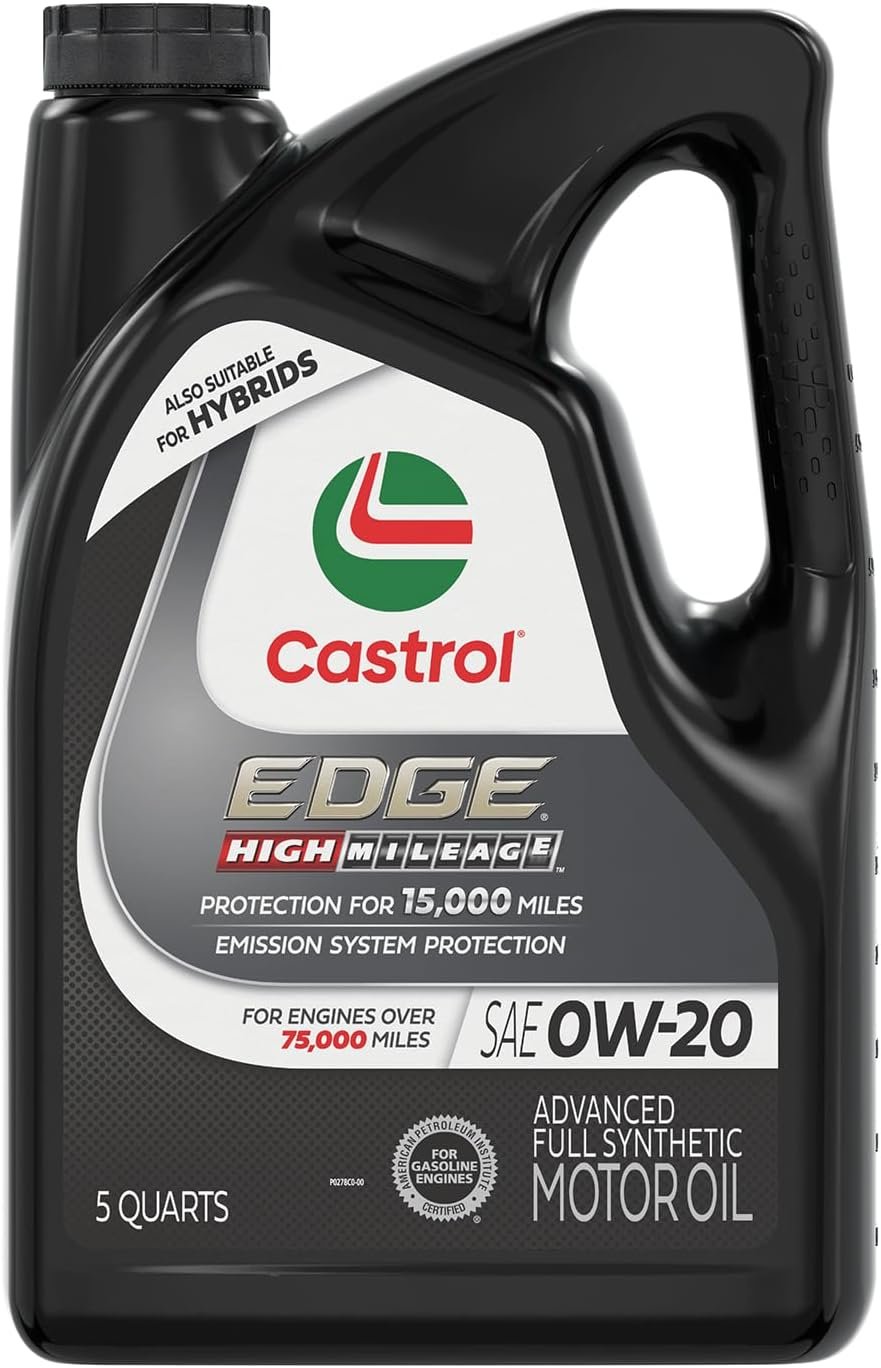
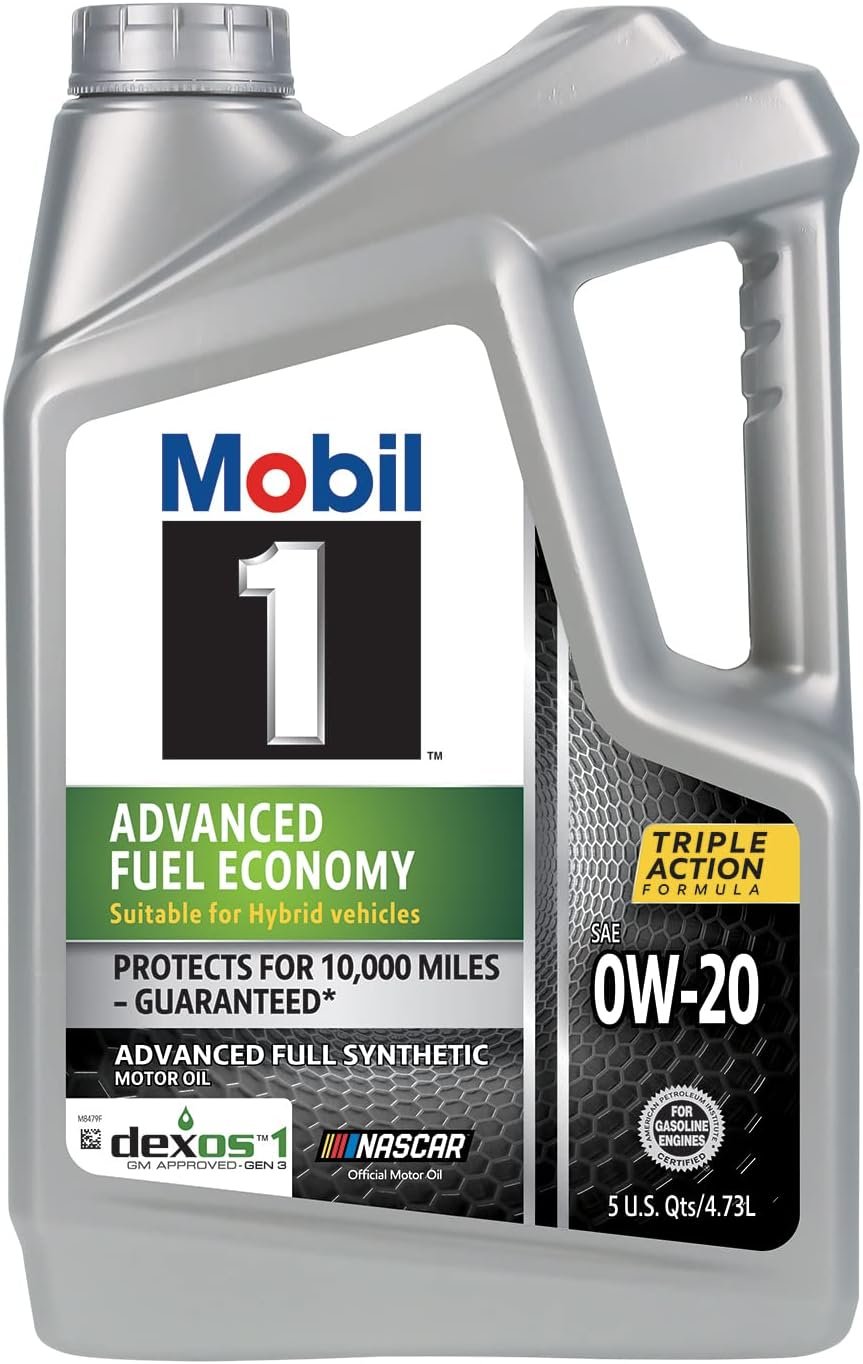
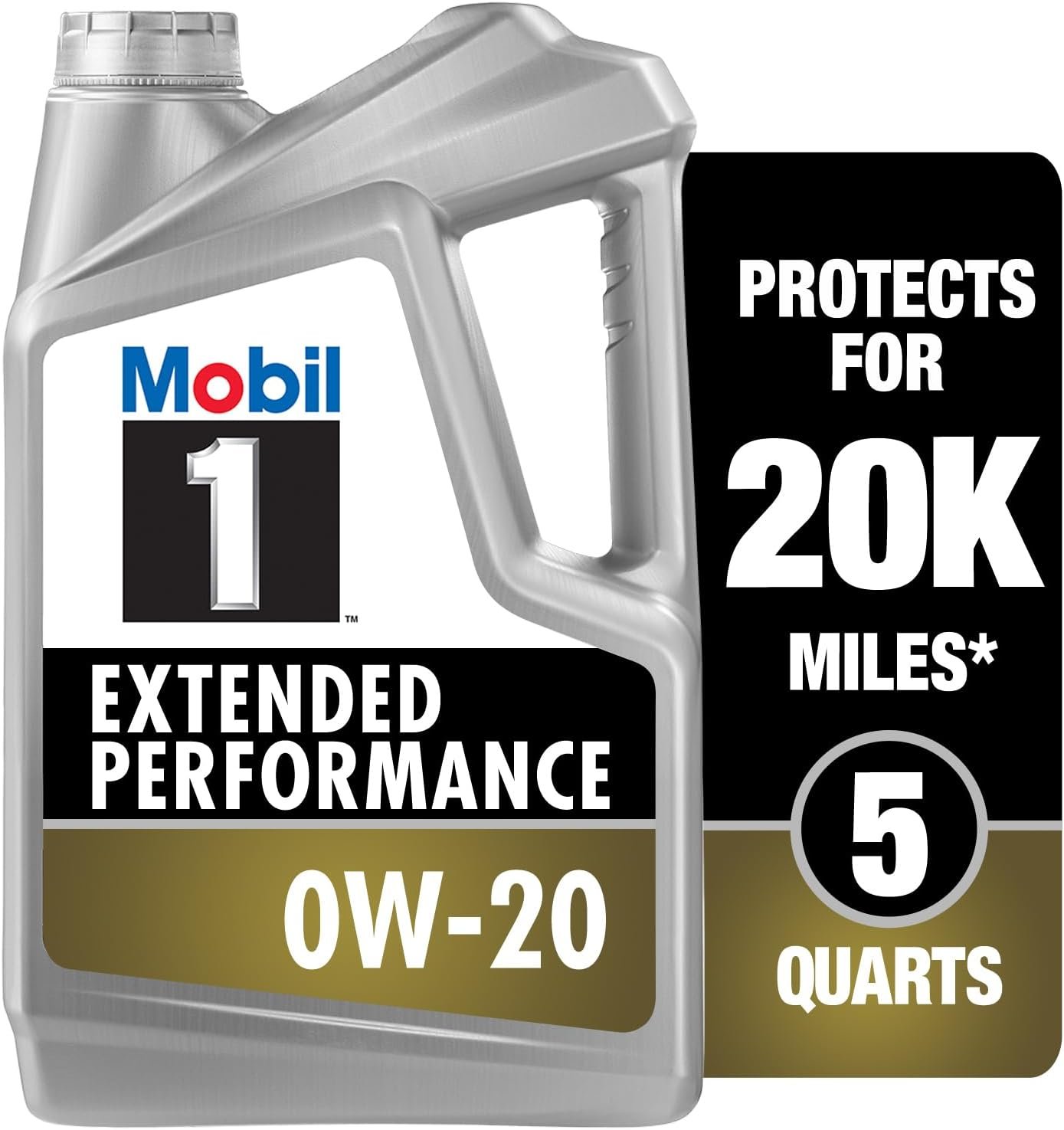
The Hyundai Tucson NX4 2.5 GDi (G4KN) requires 5.8 quarts of API SP / ILSAC GF-6A compliant SAE 0W-20 full synthetic engine oil at every service. Choose from Hyundai Genuine 0W-20, Mobil 1 Advanced Fuel Economy, Castrol EDGE Advanced, or Valvoline Advanced Full Synthetic — all in 0W-20 and all meeting API SP.
Change the oil every 5,000 miles rather than waiting for the 7,500-mile standard interval. Check your dipstick at every other fuel stop, watching for both dropping levels and gasoline smell. If you own a 2022 or early 2023 model, monitor oil consumption closely and document any readings showing consumption above half a quart per 3,000 miles — this documentation supports warranty claims if the piston ring issue affects your engine. The G4KN is a capable and efficient powertrain when maintained correctly. The $25-35 spent on quality 0W-20 oil every 5,000 miles is inexpensive protection against an engine whose known weakness is directly tied to oil quality and ring seal integrity.
Our Top Picks
As an Amazon Associate, we may earn from qualifying purchases. This doesn't affect our recommendations — we only suggest oils that hold the exact OEM approval for your engine.