 Oil-
Oil-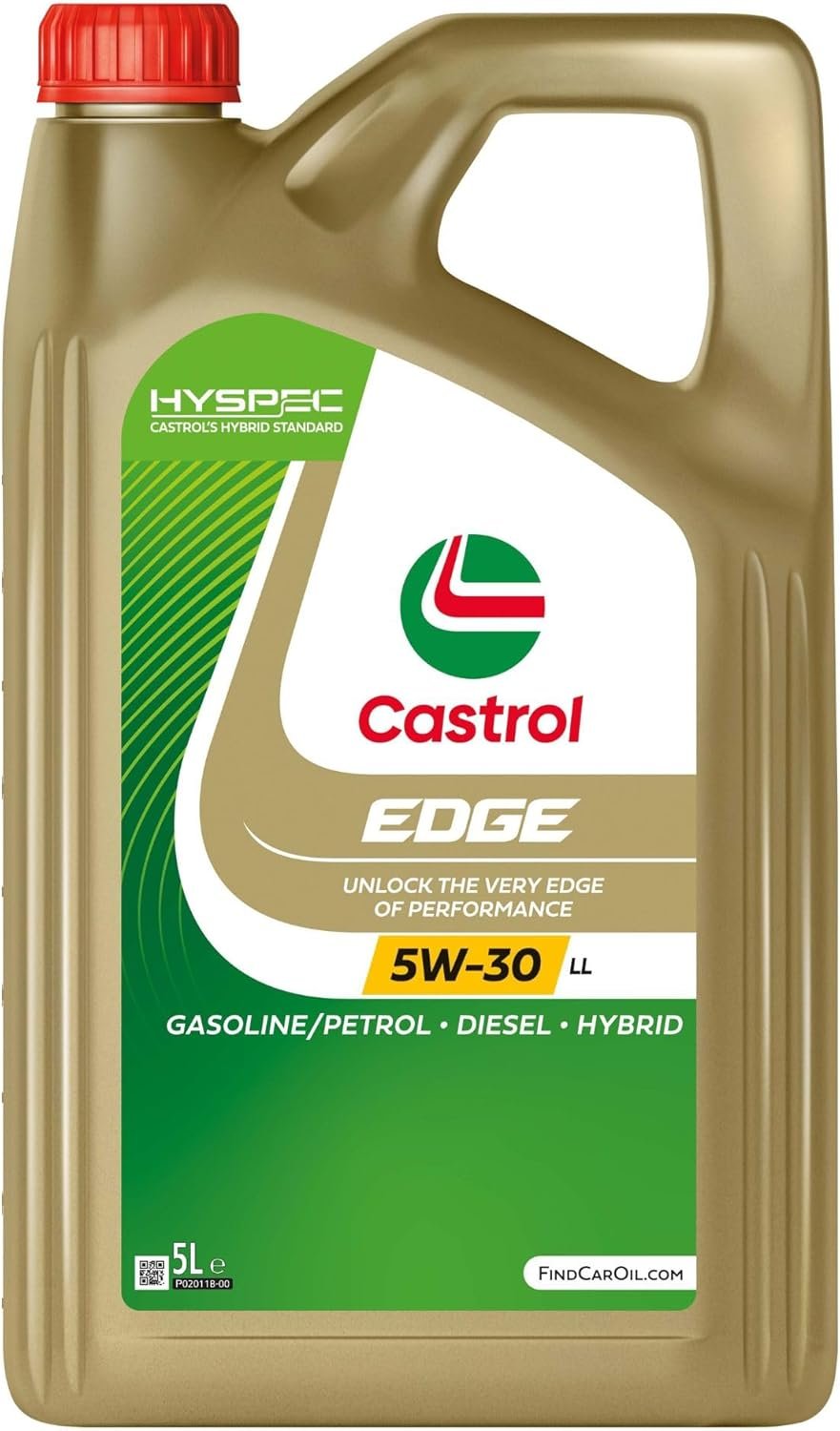
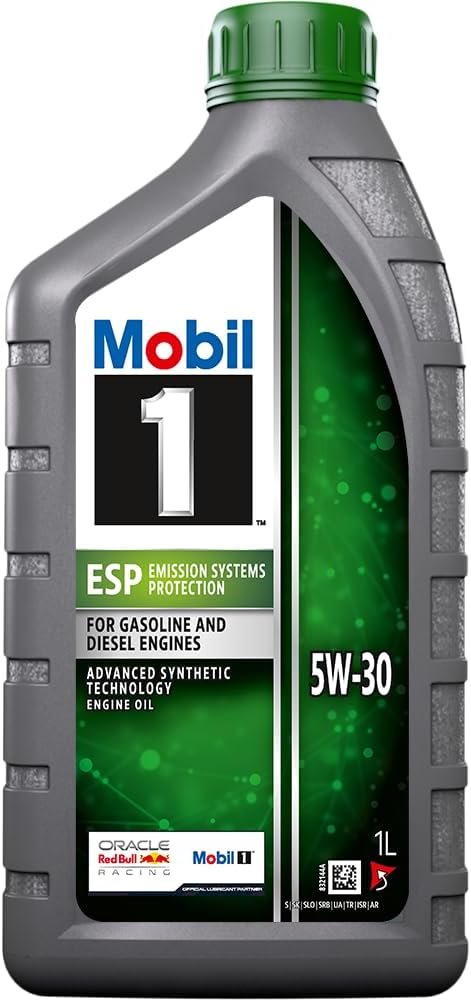
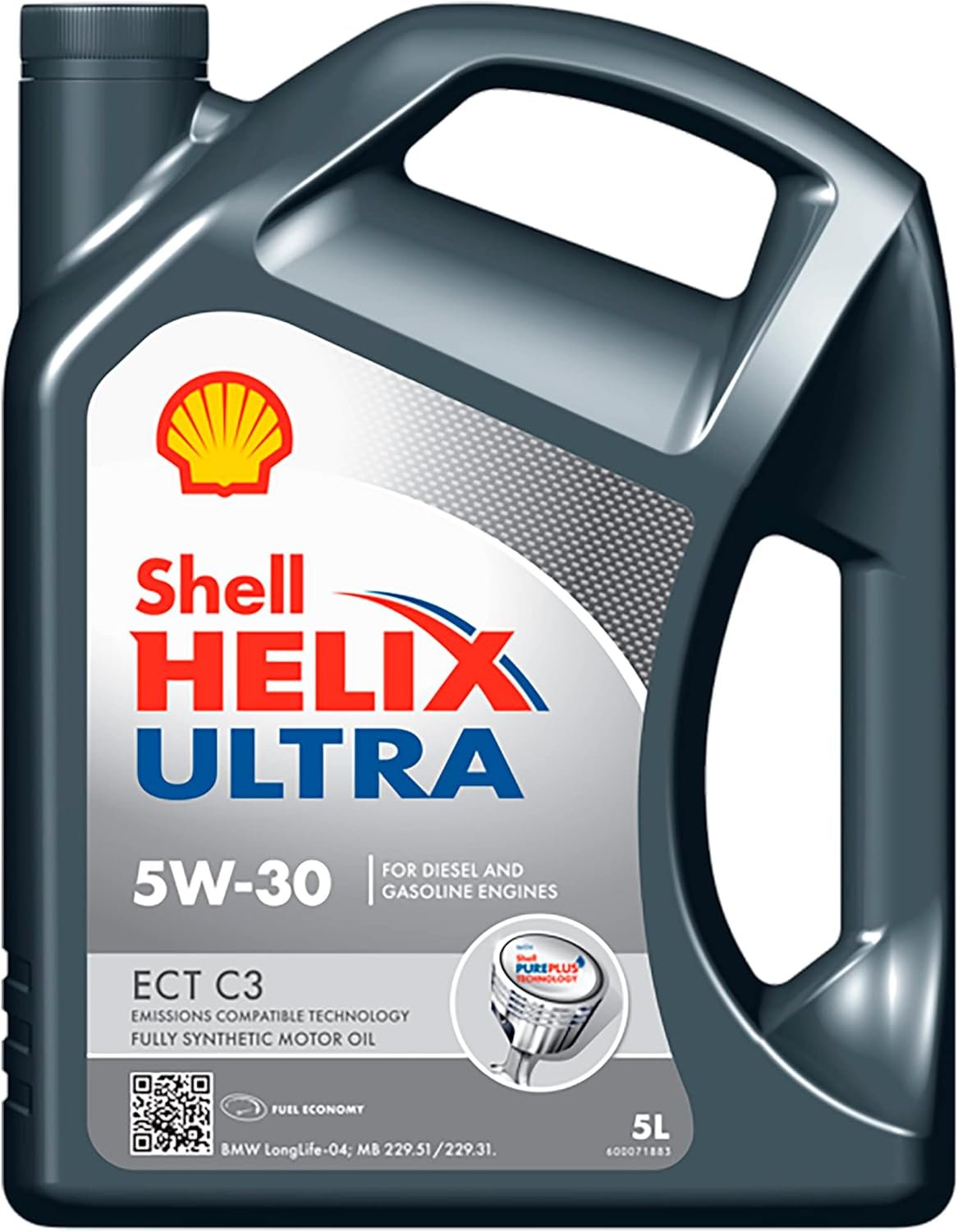
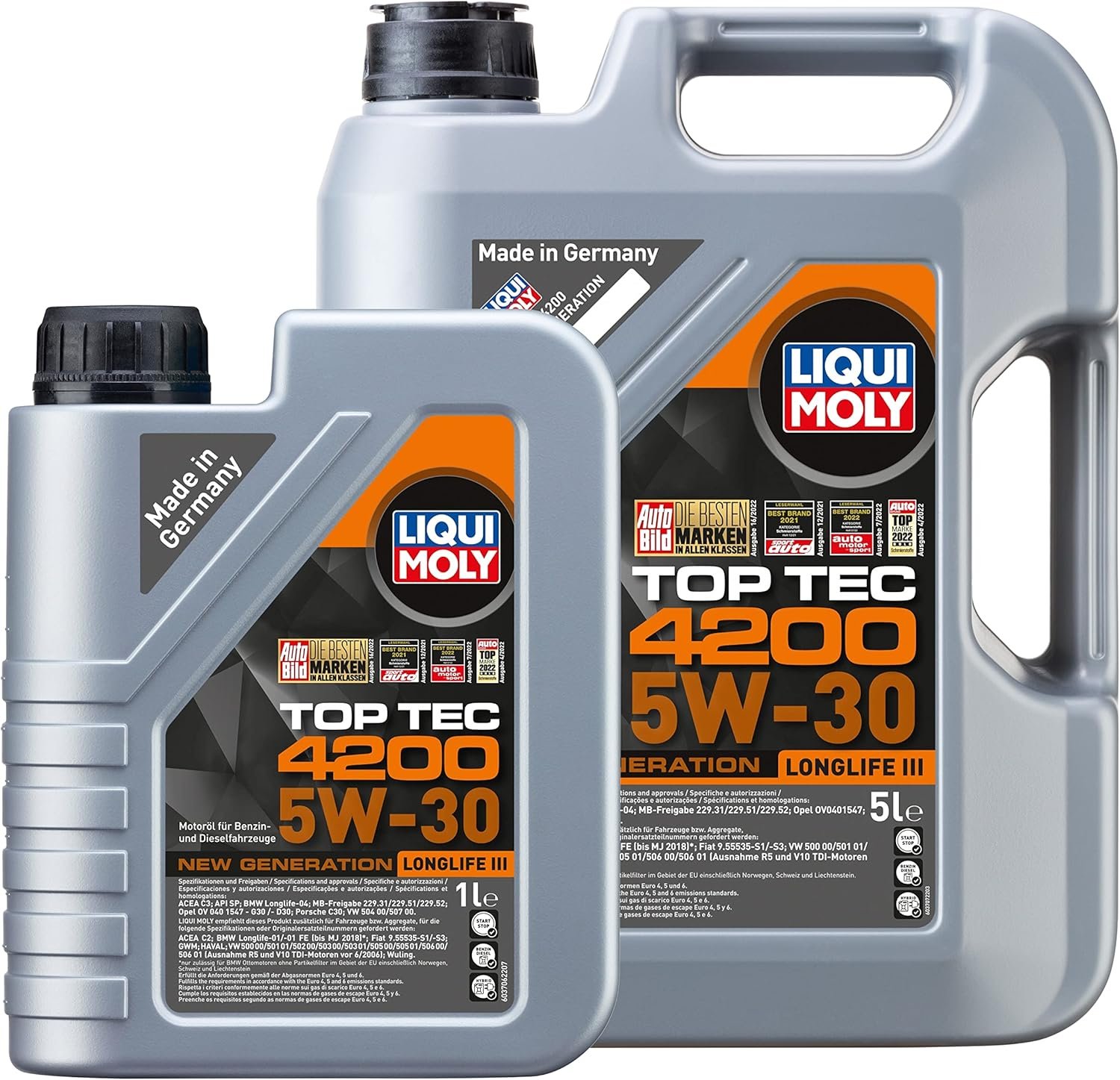
As an Amazon Associate, we may earn from qualifying purchases. This doesn't affect our recommendations — we only suggest oils that hold the exact OEM approval for your engine.
Best Engine Oil for Volkswagen Polo 6 GTI 2.0 TSI (207 hp)
The Volkswagen Polo 6 GTI packs a full-size hot hatch engine into a supermini body. Its 2.0 TSI unit — coded DKZC and based on the EA888 Gen 3b architecture — is a compact, turbocharged four-cylinder that borrows technology directly from the Golf GTI lineage. At 207 hp in a car weighing under 1,300 kg, the result is one of the most rewarding driver’s cars in its class.
The EA888 Gen 3b in the Polo GTI is a technically sophisticated unit with dual injection (combining direct and port injection), Volkswagen’s Active Cylinder Management (ACT) deactivation is absent here, but it does run the Budack cycle under light loads — a modified Atkinson-style combustion phase that improves thermal efficiency. Choosing the correct engine oil is not just good practice; for this engine it is essential. The DKZC runs tight bearing clearances, a variable-geometry oil pump, and high turbo temperatures. The wrong viscosity or an oil lacking VW 504 00 approval can accelerate sludge build-up and accelerate timing chain wear.
Quick Answer: Recommended Oil
- Specification: VW 504 00 (ACEA C3 mandatory)
- Primary viscosity: 5W-30
- Alternative viscosity: 5W-40 (in climates above 30 °C or for track use)
- Oil capacity (with filter): 5.7 litres
- Oil capacity (without filter): 5.4 litres
The DKZC Engine: EA888 Gen 3b in a Polo
The EA888 Gen 3b engine family was introduced in the Mk7 Golf and then adapted for the AW-generation Polo GTI from 2017 onwards. In Polo GTI trim, the DKZC code denotes a version tuned to 207 hp (152 kW) with 320 Nm of torque — figures that were previously associated with full-size hot hatches.
Dual injection is one of the defining features of this generation. Unlike the older Gen 1 and Gen 2 EA888 engines that used purely direct injection, the Gen 3b combines a high-pressure direct injector with a low-pressure port injector per cylinder. At low and medium loads, both systems work in tandem; this wash of fuel through the intake ports dramatically reduces carbon build-up on the intake valves, which plagued the earlier direct-injection-only variants.
The engine also employs a balancer shaft to suppress the inherent secondary vibration of an inline-four, contributing to the notably refined character for a high-output 2.0-litre. Volkswagen uses a variable displacement oil pump driven off the crankshaft, which reduces parasitic losses at lower RPM by pumping less oil when thermal and pressure conditions allow.
Cooling is handled by a water-cooled turbocharger that circulates coolant through the bearing housing even after the engine is switched off, preventing oil coking in the turbo — one of the key reasons VW specifies a low-SAPS, thermally stable oil grade.
Understanding VW 504 00 Oil Specifications
VW 504 00 is Volkswagen’s long-drain petrol engine specification, introduced to allow variable service intervals of up to 30,000 km under the LongLife service regime. Meeting this standard requires the oil to pass a significantly more demanding set of tests than a standard ACEA C3 approval alone.
What VW 504 00 demands:
- Low SAPS (Sulphated Ash, Phosphorus, Sulphur) chemistry to protect the three-way catalytic converter
- Proven resistance to oxidation and thermal degradation across extended drain intervals
- Demonstrated performance in the VW 1.4 TFSI chain wear test and the VW TDI soot-handling test (even for petrol variants, to ensure cross-platform compatibility)
- Compatibility with Volkswagen’s extended oil life monitoring via OBD
Why this matters for the DKZC: The Polo GTI’s timing chain tensioner relies on the oil circuit to maintain hydraulic pressure. An oil that thickens prematurely under thermal stress — common in ACEA A3/B4 oils not formulated to the 504 standard — can reduce tensioner response time, leading to chain rattle on cold starts and premature wear.
VW 504 00 is backward compatible with older VW 502 00, so oils carrying both approvals are perfectly suitable. Avoid ACEA A3/B4-only oils even if they carry the correct viscosity grade — they lack the specific additive chemistry required.
Technical Specifications
| Specification | Detail |
|---|---|
| Engine family | EA888 Gen 3b |
| Engine code | DKZC |
| Displacement | 1,984 cc |
| Layout | Inline-4, transverse |
| Bore × Stroke | 82.5 mm × 92.8 mm |
| Compression ratio | 9.6:1 |
| Power output | 207 hp (152 kW) @ 5,000–6,200 rpm |
| Torque | 320 Nm @ 1,500–4,500 rpm |
| Injection system | Dual (DI + port injection) |
| Turbocharger | Water-cooled single-scroll |
| Oil capacity (no filter) | 5.4 L |
| Oil capacity (with filter) | 5.7 L |
| Recommended oil grade | 5W-30 VW 504 00 (ACEA C3) |
| Alternative oil grade | 5W-40 VW 504 00 (ACEA C3) |
| OEM oil norm | VW 504 00 |
Oil Change Intervals
Volkswagen specifies the Polo GTI DKZC engine for use under the LongLife 3 service schedule, which calculates the oil change interval dynamically via the on-board display. In ideal conditions (motorway driving, consistent temperatures, high-quality fuel), this can extend to 30,000 km or 24 months, whichever comes first.
In practice, many independent specialists and performance-focused owners recommend a more conservative interval of 10,000–15,000 km for the following reasons:
- Turbo heat cycling: Repeated short journeys expose the oil to high turbo temperatures without allowing it to fully circulate and stabilise, accelerating oxidation.
- Spirited driving: Track days or frequent hard acceleration increase combustion blowby, introducing more contaminants into the oil than Volkswagen’s interval algorithm accounts for.
- Chain longevity: Fresh oil maintains better hydraulic pressure in the timing chain tensioner, particularly at cold start — the moment of highest wear.
If using the LongLife schedule, ensure the oil carries explicit VW 504 00 approval (not just ACEA C3). For fixed-interval servicing at 10,000 km, VW 502 00 / 504 00 dual-approved oils are ideal and often more economical.
Why Correct Oil Matters for the DKZC
The DKZC’s oil system is under greater stress than many similarly sized engines. Turbo boost pressure of up to 1.4 bar (peak), combined with a compression ratio of 9.6:1, means combustion temperatures are substantial. The oil must act simultaneously as a lubricant for the piston rings, a hydraulic fluid for the variable valve timing actuators, a coolant for the turbo bearing, and a medium for the chain tensioner system.
Using an incorrect oil — particularly one with higher SAPS levels (e.g., API SN or ACEA A3 grades not meeting VW 504 00) — introduces two specific risks for this engine:
- Catalytic converter poisoning: High phosphorus content from non-low-SAPS oils coats the catalyst washcoat over time, reducing emissions performance and potentially triggering lambda sensor faults.
- Piston ring deposits: DKZC pistons use a shallow-crown design optimised for the Budack combustion cycle. Carbon deposits from lower-quality oil formulations can cause ring sticking, increasing oil consumption — a well-documented failure mode in earlier EA888 generations that VW specifically addressed with 504 00 chemistry.
Common DKZC Problems Related to Oil
Timing chain tensioner wear is the most discussed mechanical concern on the EA888 family. The hydraulic tensioner that maintains chain preload depends entirely on oil pressure delivered within the first seconds of start-up. Cold, degraded oil delays this pressurisation. Symptoms include a brief metallic rattle for 1–3 seconds on cold starts — if this is present, reduce the oil change interval immediately and inspect the tensioner. Using 5W-30 rather than a thicker grade helps oil circulate faster in cold ambient temperatures.
Intake valve carbon deposits, while largely mitigated by the dual injection system on Gen 3b engines, can still accumulate on vehicles used predominantly for short-distance city driving. At low loads, the direct injector is prioritised; the port injector wash effect is most pronounced during moderate to hard acceleration. Owners who rarely push the engine are advised to include occasional motorway runs to allow the port injection system to clean the valves actively.
High-pressure fuel pump (HPFP) wear can present as hard starts, rough idling, or intermittent misfires under load. The HPFP is driven by the camshaft lobe and lubricated by the fuel itself — not the engine oil — so its condition is less affected by oil quality, but it is worth monitoring on higher-mileage examples above 80,000 km.
Oil consumption above 0.5 L/1,000 km in the DKZC is generally considered abnormal and may indicate piston ring wear or valve stem seal degradation. Unlike the earlier EA888 Gen 1/2 engines — which had a well-documented oil consumption problem under warranty — the Gen 3b revised the piston ring pack and has a substantially better record. Consistent use of the correct VW 504 00 grade, particularly in cold climates, is the most effective preventative measure.
Conclusion
The Volkswagen Polo 6 GTI DKZC is a rewarding, technically advanced engine that rewards careful maintenance. Stick to 5W-30 VW 504 00 (ACEA C3) with a capacity of 5.7 litres including the filter, and respect a practical service interval of 10,000–15,000 km if you drive it hard. The dual injection system and revised piston ring pack make the Gen 3b significantly more robust than its predecessors — but only when the correct oil specification is used consistently from the first oil change onwards.
Our Top Picks
As an Amazon Associate, we may earn from qualifying purchases. This doesn't affect our recommendations — we only suggest oils that hold the exact OEM approval for your engine.