 Oil-
Oil-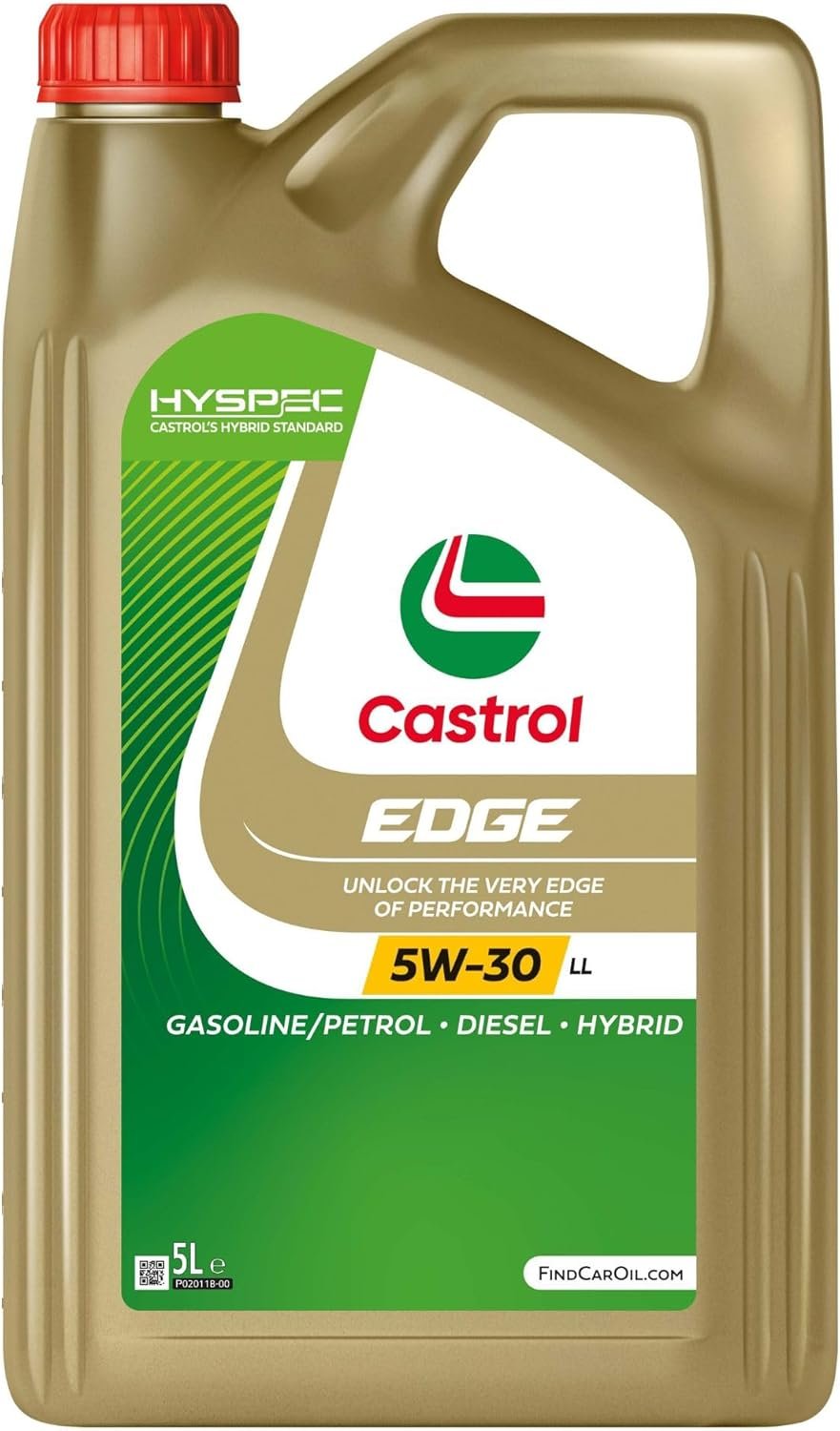
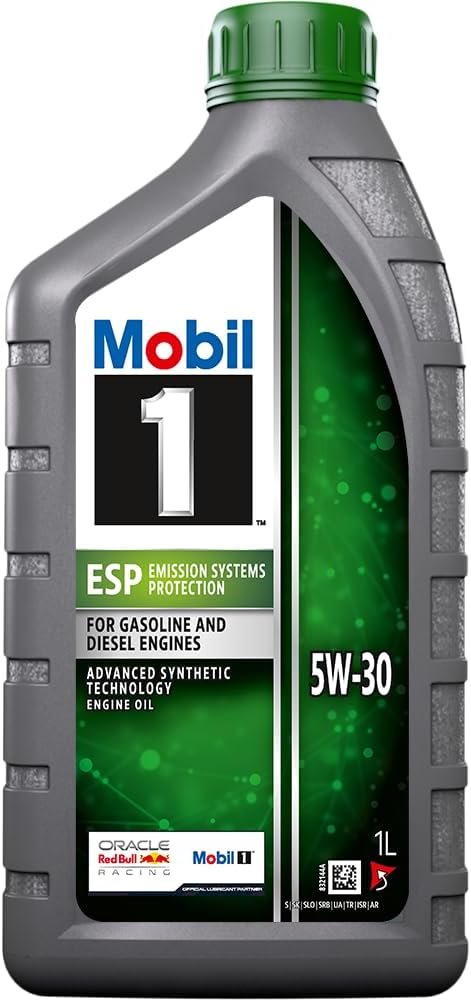
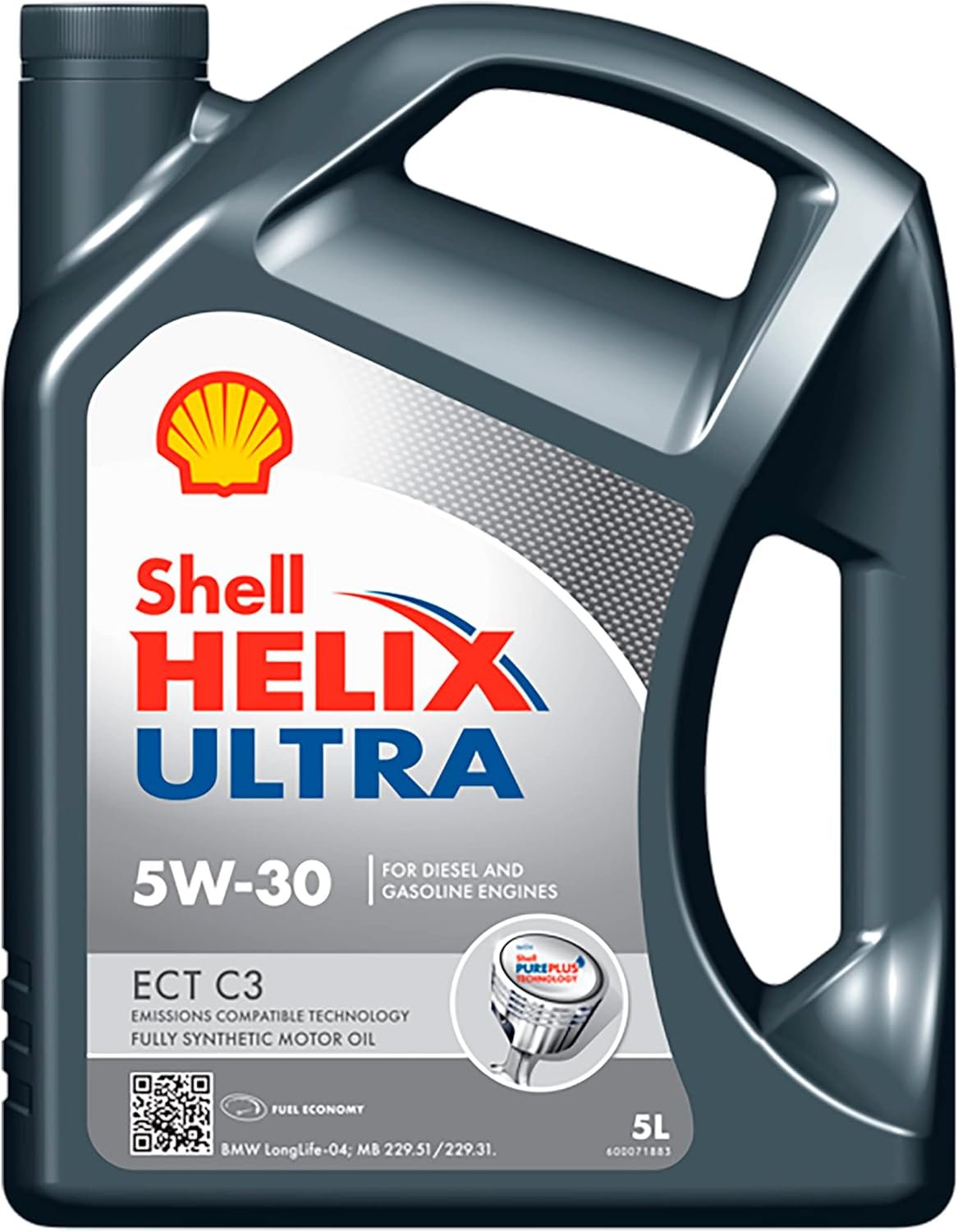
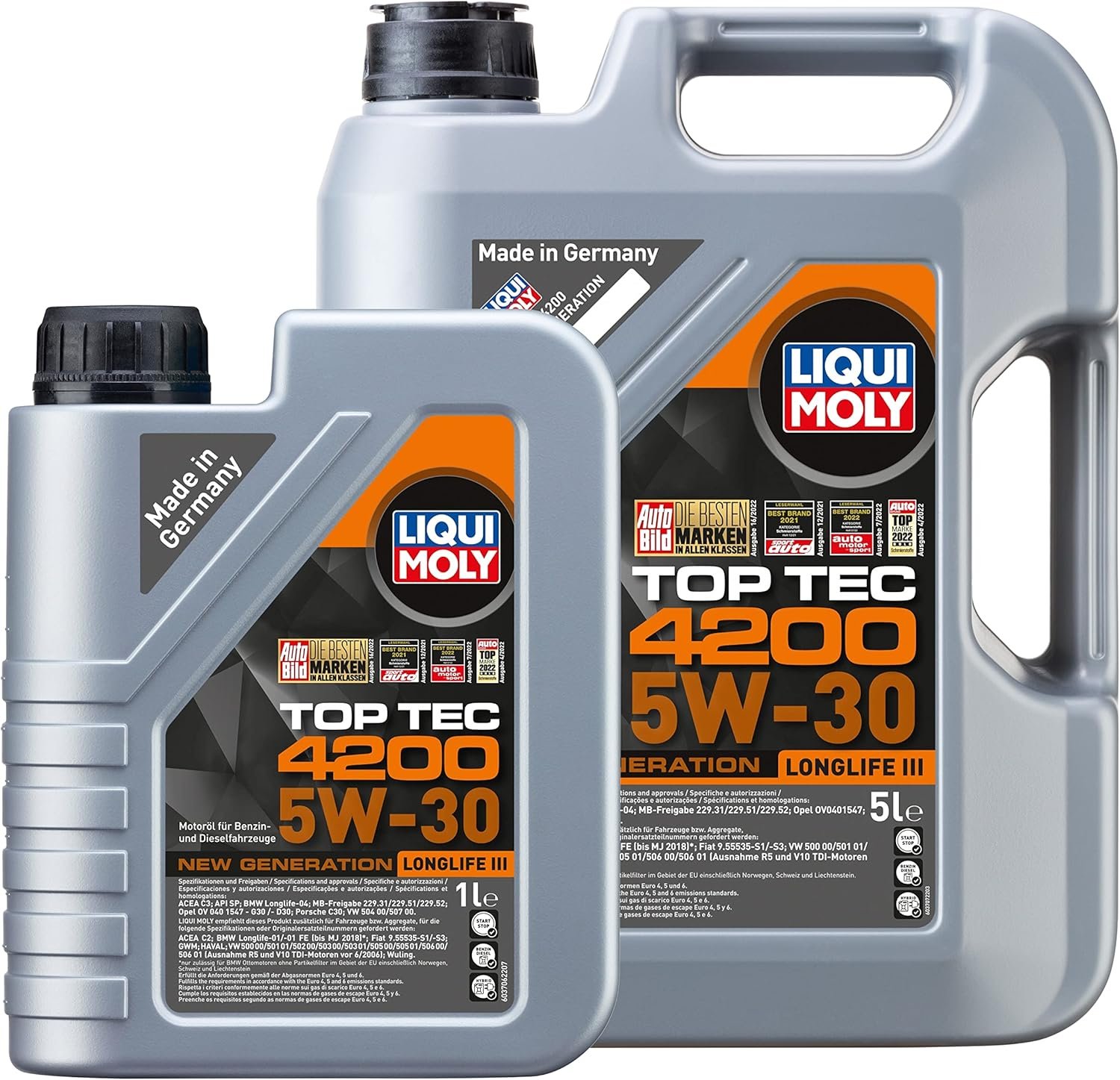
As an Amazon Associate, we may earn from qualifying purchases. This doesn't affect our recommendations — we only suggest oils that hold the exact OEM approval for your engine.
Best Engine Oil for Vauxhall Vectra C 1.9 CDTi (Z19DTH) – Specifications & Guide
The Vauxhall Vectra C 1.9 CDTi was one of the most popular diesel choices in the UK family car segment throughout the mid-2000s, and it owes a large part of its character to an engine that did not originate in Luton. The Z19DTH is a Fiat-sourced 1.9-litre common-rail unit — the same architecture as the MultiJet engine found in Alfa Romeos, Saabs, and Fiats of the era — produced under a GM/Fiat alliance that was commercially significant even if short-lived. That cross-brand lineage shapes everything about how you maintain it, including which engine oil you choose.
Getting the oil specification right on the Z19DTH matters more than on many engines of the period. The combination of a diesel particulate filter, an EGR system, swirl flaps in the intake manifold, and relatively tight bearing tolerances means that running the wrong grade — or neglecting oil change intervals — can lead to expensive and cascading failures. This guide covers exactly what oil this engine needs, why, and what to watch out for.
Quick Answer: Recommended Oil
- Primary specification: 5W-30, ACEA C3, GM Dexos2
- Alternative viscosity: 5W-40 (ACEA C3 rated, short-term or hot climates only)
- Oil capacity (drain and refill): 4.0 litres
- Oil capacity (with filter replacement): 4.3 litres
- Engine code: Z19DTH
The Z19DTH Engine: A Fiat MultiJet in a Vauxhall Suit
The Z19DTH is the GM-badged version of Fiat’s 1.9 JTD/MultiJet architecture, produced at the height of the GM–Fiat industrial alliance of the early 2000s. It is a four-cylinder, 1,910cc unit with a single overhead camshaft, two valves per cylinder, and a common-rail injection system operating at pressures up to 1,600 bar in later revisions. It was offered in two power outputs in the Vectra C: 120 hp (88 kW) and 150 hp (110 kW), with the higher-output variant using a variable-geometry turbocharger.
Both variants share the same basic block and cylinder head casting. The differences lie in the turbocharger specification, injection calibration, and — critically — the inlet manifold. The 150 hp Z19DTH uses a plastic inlet manifold fitted with swirl flaps, which are discussed in detail below. The 120 hp version may or may not have swirl flaps depending on the year of manufacture and market.
The alliance that produced this engine dissolved in 2005 after Fiat exercised a clause allowing them to sell their 20% stake back to GM, but the engine itself continued in production in various GM vehicles until 2008. The Z19DTH is mechanically close to the Fiat units found in the Alfa Romeo 159 1.9 JTS, the Saab 9-3 1.9 TiD, and the Fiat Croma 1.9 MultiJet — knowledge and parts are largely interchangeable, and many independent specialists are familiar with all variants.
Understanding GM Dexos2 and ACEA C3
The correct oil standard for the Z19DTH is GM Dexos2, which is GM’s proprietary low-SAPS (Sulphated Ash, Phosphorus, Sulphur) specification for diesel and petrol engines used in European vehicles. Dexos2 maps closely to ACEA C3, and any C3-rated oil from a reputable brand will meet or exceed the requirements.
Low-SAPS oils are mandatory on this engine because of the diesel particulate filter. Conventional high-SAPS oils leave metallic ash deposits inside the DPF that cannot be burned off during regeneration. Over time this blocks the DPF permanently, requiring an expensive forced regeneration or outright replacement — a bill that can run to £600–£1,200 on the Vectra C depending on whether the unit is cleaned, forced-regen’d at a dealer, or replaced.
5W-30 is the primary viscosity grade. The low cold-start viscosity ensures rapid oil circulation during cold starts — a critical moment for turbocharger and camshaft bearing lubrication. The “30” high-temperature grade provides adequate film strength across normal UK operating temperatures without creating excessive drag on the turbocharger shaft.
5W-40 can be used as an alternative, particularly during extended driving in hot conditions or if the engine has accumulated significant mileage and shows some oil consumption. It must still carry an ACEA C3 rating. It is not the preferred grade for everyday UK use, and should not be treated as a long-term substitute.
Do not use oils rated ACEA A3/B4, A5/B5, or any non-C3 specification, even if they carry the correct viscosity grade. These oils have higher SAPS content and will shorten DPF life.
Technical Specifications
| Specification | Detail |
|---|---|
| Engine code | Z19DTH |
| Displacement | 1,910 cc |
| Layout | Inline-4, SOHC, 8-valve |
| Fuel system | Common-rail direct injection |
| Turbocharger | Fixed-geometry (120 hp) / Variable-geometry (150 hp) |
| Power output | 120 hp (88 kW) at 4,000 rpm / 150 hp (110 kW) at 4,000 rpm |
| Torque | 280 Nm (120 hp) / 320 Nm (150 hp) |
| Oil capacity (no filter) | 4.0 litres |
| Oil capacity (with filter) | 4.3 litres |
| Recommended viscosity | 5W-30 |
| Alternative viscosity | 5W-40 |
| Oil specification | ACEA C3 / GM Dexos2 |
| Timing system | Belt-driven (cambelt + water pump) |
| Years produced (Vectra C) | 2002–2008 |
Oil Change Intervals
GM’s official service interval for the Z19DTH in the Vectra C was set at 20,000 miles or 12 months under normal conditions, governed by the vehicle’s oil life monitoring system. In practice, this is widely regarded as too long by independent specialists, particularly on engines with higher mileage or those used predominantly on short urban journeys.
For a well-maintained Vectra C under mixed driving conditions, 12,000–15,000 miles or 12 months (whichever comes first) is a more prudent interval. On high-mileage examples (above 100,000 miles), or for vehicles used heavily in stop-start urban traffic, reducing this to 10,000 miles is sensible.
The oil filter should always be replaced at every oil change. On the Z19DTH, the filter sits on top of the engine and is straightforward to access. Always drain the sump fully before refilling — the difference between a 4.0L refill and a 4.3L refill is the filter volume, so factor this in if fitting a new filter.
Why Correct Oil Matters on the Z19DTH
The Z19DTH’s variable-geometry turbocharger is particularly sensitive to oil quality. The variable vane mechanism relies on thin oil passages for actuation; high-SAPS or degraded oil causes vane seizure, manifesting as poor mid-range power and fault codes relating to turbo boost control. Replacement turbos for the Vectra C 1.9 CDTi 150 hp range from £400 to over £800 reconditioned.
The engine’s cam follower system and timing belt tensioners also depend on clean, correctly specified oil. The Z19DTH has a known susceptibility to sludge accumulation if oil changes are neglected or incorrect oil is used — a consequence of the EGR system introducing combustion gases into the crankcase under load, which accelerates oil degradation.
Common Z19DTH Problems Related to Oil and Maintenance
Swirl Flap Failure — the Biggest Risk
The plastic inlet manifold swirl flaps on the 150 hp Z19DTH are the most serious known failure point. The flap operating rod uses four moulded plastic ball-joint bushings to link the actuator to all four swirl flaps. As these bushings wear — accelerated by heat cycling, age, and high mileage — the rod can detach from the ball joints entirely. When this happens, the actuator only moves one flap rather than all four.
The far more serious failure mode occurs when individual swirl flap blades crack and break off into the intake ports. Fragments of plastic or aluminium (depending on the manifold version) are then drawn directly into the cylinders. This causes immediate and catastrophic engine damage — scoring of cylinder walls, bent valves, and in severe cases destroyed pistons. Engine replacement or full rebuild is the typical outcome.
Fault code P1109 (Swirl Actuator Malfunction) is an early warning. Owners of the 150 hp variant should inspect or replace the inlet manifold swirl flaps as a preventive measure, or install a blanking kit that removes the flaps entirely — a common and proven modification on this engine. Correct oil specification does not prevent this failure, but maintaining oil change intervals keeps the intake system and EGR passages cleaner, reducing carbon buildup that can accelerate flap wear.
EGR Cooler Problems
The EGR (Exhaust Gas Recirculation) cooler on the Z19DTH is known to crack and leak coolant internally, mixing coolant with the recirculated exhaust gases. Symptoms include white smoke on startup, unexplained coolant loss, and a sweet smell from the exhaust. Left unaddressed, coolant entering the intake stream can hydrolock the engine.
The EGR valve itself is also prone to carbon fouling. A sticky or failed EGR valve throws fault codes and causes rough idle, increased smoke, and reduced power. EGR cleaning or replacement is routine maintenance on any high-mileage Z19DTH.
DPF Clogging
The diesel particulate filter on the Vectra C 1.9 CDTi is an early-generation unit with limited self-management compared to later systems. It relies on passive and active regeneration — passive when exhaust temperatures are high enough during motorway driving, active when the ECU intervenes by post-injecting fuel to raise temperatures. Short-trip urban driving that never allows regeneration cycles leads to premature DPF blockage. Using the correct low-SAPS C3-rated oil prevents ash loading from within; ensuring the vehicle sees regular runs of 20+ minutes at motorway speeds prevents soot loading from without.
Timing Belt and Water Pump
The Z19DTH is a belt-driven engine, and GM’s recommended timing belt change interval of 100,000 miles or 10 years is considered optimistic by most specialists. Belts and water pumps on high-mileage examples have been known to fail before this interval, with catastrophic consequences given the interference-engine design. Independent advice typically suggests replacing both at 60,000–80,000 miles. This is a maintenance issue, not an oil issue, but it is the single most important service item on the Z19DTH alongside oil quality.
Conclusion
The Vauxhall Vectra C 1.9 CDTi Z19DTH is a capable and mechanically interesting diesel, but its cross-brand origins and relatively complex intake system demand careful maintenance. Use a 5W-30 ACEA C3 / GM Dexos2 oil at every service, change it no less than every 12–15 months or 12,000–15,000 miles, and fill to 4.3 litres with a fresh filter. If you own the 150 hp variant, check the condition of the inlet manifold swirl flaps — blanking them is cheap insurance against the most expensive failure mode this engine presents. Get those fundamentals right and the Z19DTH will prove itself a solid and rewarding engine.
Our Top Picks
As an Amazon Associate, we may earn from qualifying purchases. This doesn't affect our recommendations — we only suggest oils that hold the exact OEM approval for your engine.