 Oil-
Oil-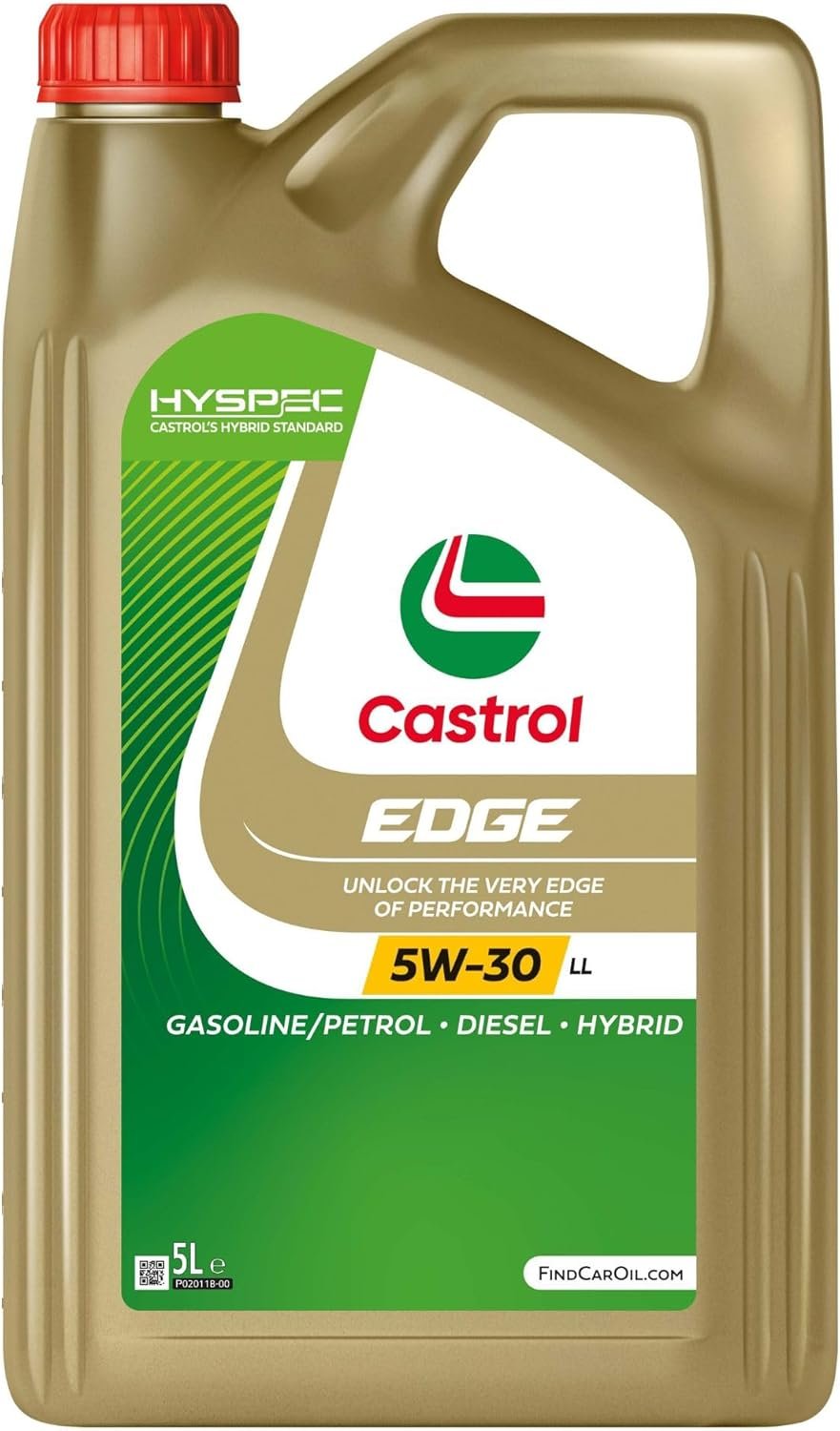
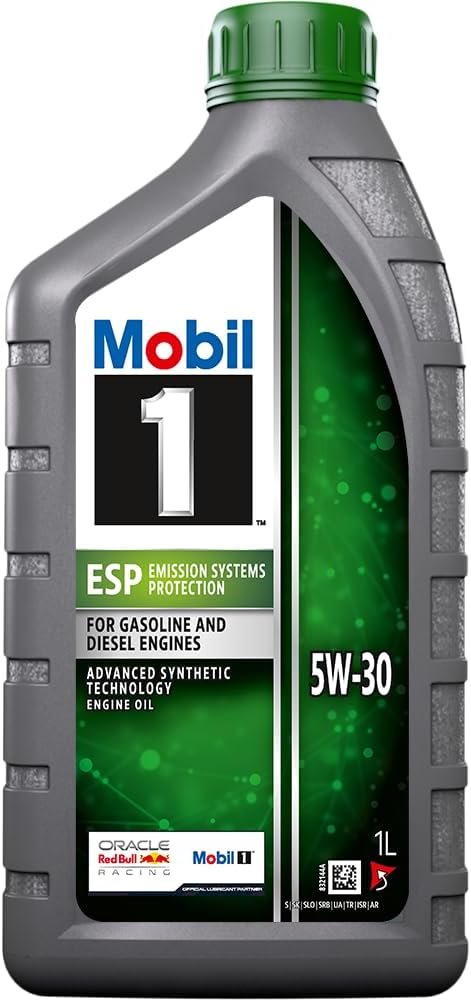
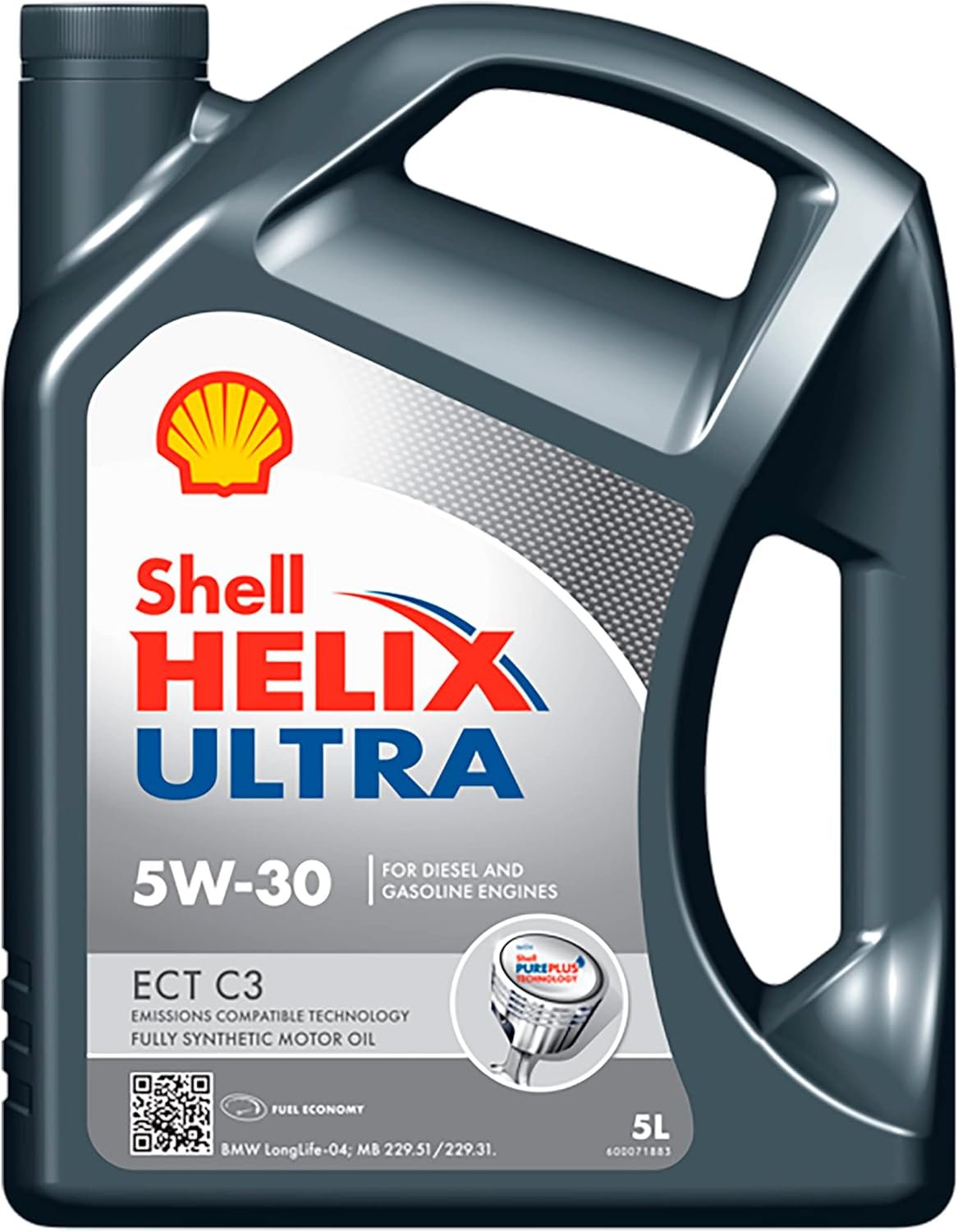
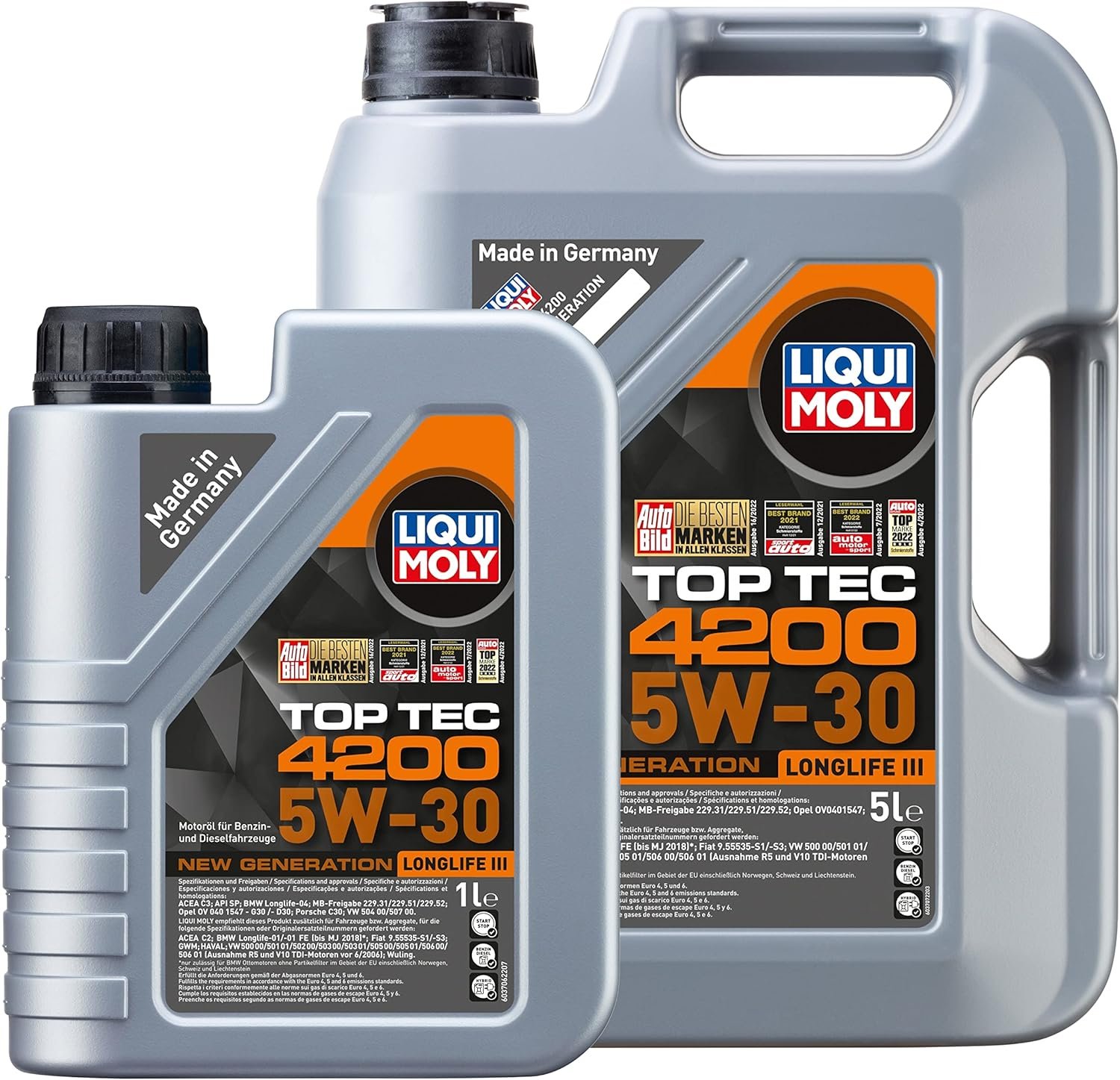
As an Amazon Associate, we may earn from qualifying purchases. This doesn't affect our recommendations — we only suggest oils that hold the exact OEM approval for your engine.
Best Engine Oil for Vauxhall Astra J 1.4 Turbo (100/140 hp)
The Vauxhall Astra J 1.4 Turbo was the compact car that proved small-displacement forced induction could work in the mainstream UK market. Launched in 2009 and produced until the Astra K arrived in 2015, the 1.4T offered two distinct power outputs — 100 hp from the A14NEL and 140 hp from the more popular A14NET — in a package that returned competitive fuel economy figures while providing noticeably better performance than the naturally aspirated 1.4 it replaced.
Both engine variants share the same fundamental architecture and, crucially, the same oil specification. Getting the oil right matters more on a turbocharged petrol than on most engines — turbocharger bearing temperatures are punishing, and the correct oil grade is the only thing standing between the turbo’s journal bearings and metal-on-metal contact during cold start.
Quick Answer: Recommended Oil
- Specification: GM dexos2 (approval code GM 13207575), ACEA C3
- Viscosity: 5W-30
- Alternative viscosity: 0W-30 (for extreme cold conditions)
- Capacity with filter change: 4.3 litres
- Capacity without filter change: 4.0 litres
GM dexos2 is General Motors’ European oil specification, mandatory for all modern Vauxhall/Opel petrol and diesel engines sold in Europe. It is a Low SAPS specification meeting ACEA C3 minimum requirements. This specification was introduced to handle the demands of modern turbocharged engines and three-way catalytic converters, where high-SAPS conventional oils would compromise catalyst performance over time.
The A14NEL and A14NET Engines
The A14NEL and A14NET are both 1,364cc turbocharged inline-four petrol engines developed by Opel and shared across the GM European platform. They are part of the ECOTEC engine family, a broad architecture spanning 1.0L to 1.6L units across Astra, Corsa, Meriva, and other GM European models.
A14NEL (100 hp): The entry-level 1.4T produces 100 hp at 4,900 rpm and 175 Nm of torque from 1,500 rpm. It uses a smaller turbocharger and lower boost pressure than the NET, which limits peak output while maintaining reasonable fuel economy. A14NEL-equipped Astras typically return 40–45 mpg in real-world mixed driving.
A14NET (140 hp): The performance variant produces 140 hp at 4,900 rpm and 200 Nm from 1,850 rpm. The NET uses a higher-flow turbocharger, revised intake and exhaust manifolds, and a slightly higher compression ratio to reach its additional power. Despite the higher output, it can achieve 38–42 mpg in mixed driving, making it the popular choice for drivers who want pace without a diesel’s fuel costs.
Both variants use variable valve timing on the intake camshaft (ECOTEC VVT), sequential turbocharging with an intercooler, port fuel injection, and an aluminium cylinder block and head. The turbocharger is oil-cooled and oil-lubricated, integrating directly into the engine’s lubrication circuit.
Understanding GM dexos2
GM’s dexos system has two variants: dexos1 for North American petrol engines and dexos2 for European petrol and diesel engines. The A14 series requires dexos2.
| Specification | ACEA | Application |
|---|---|---|
| GM dexos2 (GM 13207575) | C3 | All modern Vauxhall/Opel petrol and diesel in Europe |
| GM dexos1 Gen2 | A3/SN | North American petrol engines |
| GM LL-A-025 | A3/B4 | Older Vauxhall pre-2010 |
Why dexos2 matters: The dexos2 certification process is managed by GM and administered through accredited labs. Unlike ACEA alone — which is a European industry self-certification — dexos2 requires third-party approval and regular retesting. A product labelled ACEA C3 that does not also carry the dexos2 approval has not been validated specifically for GM engine hardware.
Can you use any ACEA C3 oil? GM’s position is that only dexos2-approved products should be used. Many ACEA C3 products are co-certified dexos2, but not all. When buying oil for the Astra J 1.4T, check the label or manufacturer’s website for explicit dexos2 / GM 13207575 listing. Major brands — Castrol, Mobil, Shell, Total — all produce dexos2-approved 5W-30 products.
5W-30 versus 0W-30: Both are technically approved for the A14 series. The 0W-30 flows more quickly at cold start — relevant in hard winter conditions — but standard 5W-30 is the factory fill and is perfectly suitable year-round in the UK.
Technical Specifications
| Parameter | A14NEL | A14NET |
|---|---|---|
| Displacement | 1,364 cc | 1,364 cc |
| Configuration | Inline-4, transverse | Inline-4, transverse |
| Bore × Stroke | 73.4 × 80.5 mm | 73.4 × 80.5 mm |
| Compression ratio | 9.5:1 | 10.0:1 |
| Power | 100 hp @ 4,900 rpm | 140 hp @ 4,900 rpm |
| Torque | 175 Nm @ 1,500 rpm | 200 Nm @ 1,850 rpm |
| Aspiration | Single turbo + intercooler | Single turbo + intercooler |
| Fuel system | Port injection (MFI) | Port injection (MFI) |
| Valve timing | VVT intake | VVT intake |
| Emissions | Euro 5 | Euro 5 |
| Oil specification | GM dexos2 / GM 13207575 | GM dexos2 / GM 13207575 |
| Viscosity | 5W-30 | 5W-30 |
| ACEA | C3 | C3 |
| Oil capacity (with filter) | 4.3 litres | 4.3 litres |
Oil Change Intervals
Vauxhall specifies a condition-dependent service interval for the Astra J, with the engine management system monitoring driving conditions to calculate when oil change is required. The maximum published interval is 30,000 km (approximately 18,600 miles) or 24 months.
However, many independent Vauxhall specialists and owner communities strongly advise against relying on this extended interval for turbocharged models. The reasoning: turbocharger oil-cooling places constant thermal stress on the oil, accelerating oxidation and viscosity shear at a rate the CBS algorithm does not fully account for. In practice:
- 12,000 miles or 12 months is the widely recommended maximum for mixed-use driving
- Annual at minimum if the car covers less than 10,000 miles per year
- 6,000–8,000 miles for predominantly urban or short-trip use where oil dilution from short trips is a concern
The A14NET in performance trim (tuned or regularly driven hard) benefits from 6,000-mile changes, as high boost pressure and sustained high revs put turbocharger oil under the most severe thermal stress.
Why Correct Oil Matters on the 1.4 Turbo
The turbocharger fitted to the A14 series is an oil-cooled, oil-lubricated unit. The turbo shaft spins at up to 200,000 rpm — faster than any other moving part in the engine — on a film of oil only micrometres thick. The consequences of incorrect or degraded oil are concentrated here.
Turbocharger cold-start lubrication: The critical moment is the first 10–30 seconds after a cold start. The oil is at its thickest (high viscosity at low temperature), and the turbocharger bears immediate load whenever the throttle is opened. A 5W-30’s “5W” cold rating ensures adequate flow even at sub-zero temperatures. A 10W-40 (incorrect grade for this engine) flows more slowly at cold start, extending the period where the turbo shaft runs metal-to-metal. A single hard acceleration from a cold start with wrong oil does measurable bearing damage, even if you can’t hear it immediately.
Post-shutdown heat soak: When you shut the engine off after a motorway run, the turbocharger continues spinning at elevated temperature without active oil circulation. The residual oil on the shaft bakes against hot metal surfaces, forming lacquer deposits (coking). Correct dexos2-approved oil has a high thermal stability formulation that resists coking at turbo temperatures. Inferior oil builds coke deposits that gradually restrict oil flow passages in the turbo centre section.
VVT solenoid operation: The intake VVT system is actuated by oil pressure via solenoid-controlled passages. Degraded oil that has sheared to lower viscosity mid-interval causes sluggish cam phaser response, resulting in rough idle and poor low-speed torque. Correct-grade oil maintained at proper intervals prevents this.
Common Astra J 1.4 Turbo Problems Related to Oil
Turbocharger wear/failure: The most serious failure mode on the A14NET, typically presenting as a high-pitched whine from the turbo area, blue smoke on acceleration (burning oil through worn turbo seals), or loss of boost. The turbocharger on these engines is relatively small and therefore more susceptible to heat concentration than larger units. Oil-related turbo failures are almost always traced to extended intervals, use of incorrect oil, or inadequate warm-up periods before hard driving. A new turbo is typically £300–600 fitted; prevention is correct oil changed on time and not revving hard until oil is at operating temperature.
Timing chain stretch: The A14NET uses a simplex timing chain that can stretch over high mileage, particularly when oil changes are extended. A stretched chain causes a rattling noise on cold start that subsides as oil pressure builds, gradually progressing to more persistent noise. Timing chain failure is catastrophic (engine damage), so the warning noise is important. Regular oil changes at appropriate intervals keep the chain tensioner and timing system properly lubricated.
Throttle body carbon buildup: Port-injected engines like the A14 coat the intake ports and valve stems with fuel/air mixture, which provides some natural cleaning. However, oil vapour from the crankcase breather can still cause carbon accumulation on the throttle body over time. This manifests as rough idle and hesitation at low throttle. A throttle body clean at 50,000-mile intervals is prudent maintenance.
Oil leaks (rear main seal and rocker cover gasket): The A14 series has a known tendency to develop minor oil leaks from the rear main seal and rocker cover gasket at higher mileage (typically 80,000+ miles). Neither is catastrophic, but both are symptoms of normal wear that you should catch before oil loss affects engine health. Check the oil level regularly rather than waiting for a warning.
Conclusion
The Vauxhall Astra J 1.4 Turbo is a dependable and economical engine that rewards correct oil specification with strong longevity. Use GM dexos2 approved 5W-30 exclusively — look for “GM 13207575” or “dexos2” on the bottle. Fill to 4.3 litres with a filter change.
Don’t extend oil changes to the maximum indicator interval in a turbocharged engine. Annual changes at 10,000–12,000 miles deliver significantly better long-term reliability than 18,000-mile extended intervals, particularly for the turbocharger and timing chain. The A14NET is a popular engine with many examples exceeding 120,000 miles when maintained correctly — and every one of those high-mileage engines was changed on time with the right oil.
Sources: General Motors dexos2 specification GM 13207575, Vauxhall Astra J owner’s manual (UK edition), GM Powertrain Europe A14NET engine documentation, UltimateSpecs Astra J 1.4T database, ChooseMyCar.com / HonestJohn Vauxhall Astra J reliability reports.
Our Top Picks
As an Amazon Associate, we may earn from qualifying purchases. This doesn't affect our recommendations — we only suggest oils that hold the exact OEM approval for your engine.