 Oil-
Oil-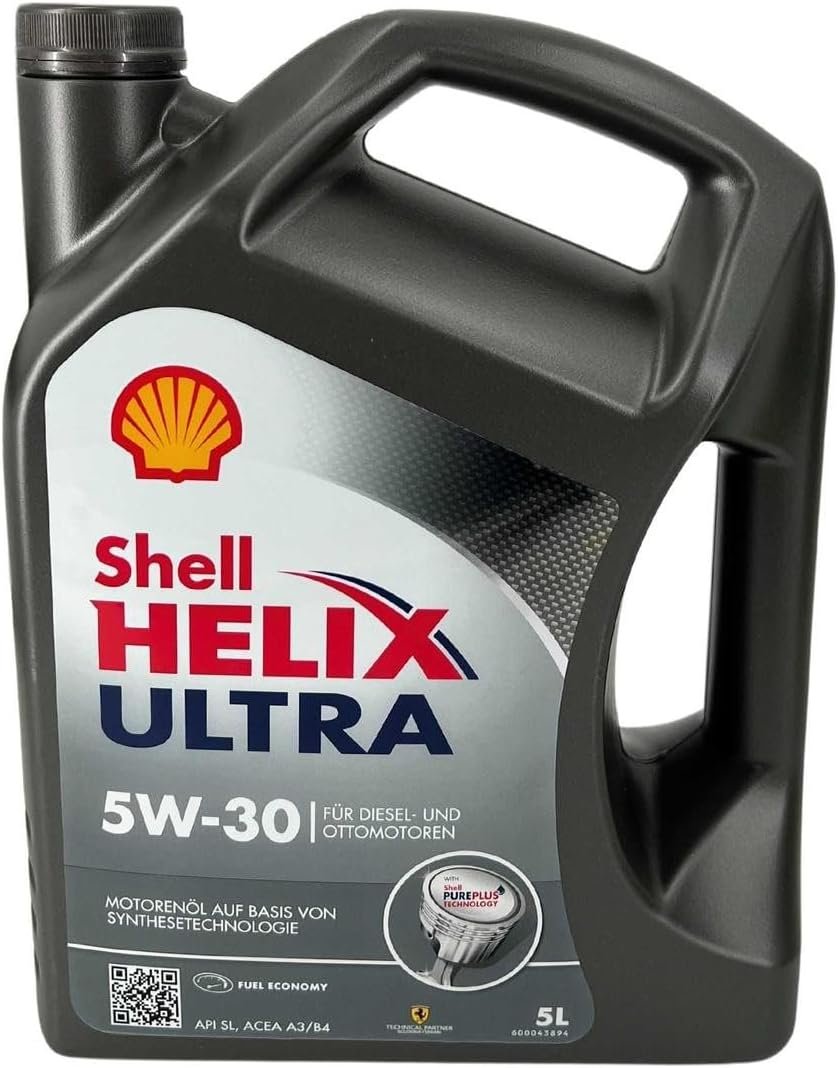
As an Amazon Associate, we may earn from qualifying purchases. This doesn't affect our recommendations — we only suggest oils that hold the exact OEM approval for your engine.
Best Engine Oil for Vauxhall Astra H 1.6 16V (Z16XER) – Capacity & Specifications
The Vauxhall Astra H was one of the best-selling cars in the UK throughout the mid-2000s, and the 1.6-litre Z16XER petrol engine was arguably its mainstream sweet spot. Affordable to run, broadly reliable and producing a sensible 105 or 115 hp depending on tune, it powered everything from entry-level Club models to mid-range Design and Sport hatch variants. Choosing the right engine oil matters more than many owners realise — the Z16XER’s variable valve timing system and map-controlled thermostat both depend on clean, correctly specified oil to function as intended. Get it wrong and you can accelerate exactly the wear patterns this engine is most prone to.
Quick Answer: Recommended Oil
- Specification: GM-LL-A-025, ACEA A3/B4
- Recommended viscosity: 5W-30
- Alternative viscosity: 5W-40 (acceptable where ambient temperatures regularly exceed 30 °C or in high-mileage engines)
- Oil capacity (drain and refill): 4.25 litres
- Oil capacity with filter change: 4.5 litres
The Z16XER Engine
The Z16XER is a 1.598 cc four-cylinder, 16-valve, DOHC unit built at GM’s Kaiserslautern plant in Germany. It shares its basic architecture with the earlier Z16XE but introduces GM’s Dual Continuous Variable Cam Phasing (DCVCP) system on the inlet camshaft — a hydraulically actuated variable valve timing mechanism that adjusts intake cam timing across a 52-degree range to balance low-end torque and high-end power.
Two power outputs exist under the Z16XER designation. The 105 hp version (77 kW) was standard equipment across most Astra H lines, while the 115 hp (85 kW) variant appeared in Sport and some later Design trims, differing primarily in ECU calibration and inlet tuning. Both share the same oil specification.
The Z16XER also carries GM’s Twinport intake technology on select variants — a system that splits the intake port into two channels using a butterfly valve, allowing the engine to run on a single narrow port at low load for better atomisation and reduced fuel consumption, then opening fully at higher throttle demands. The Twinport actuator and the DCVCP phaser are both oil-pressure-dependent systems, meaning degraded or incorrect oil has a direct mechanical consequence, not just a wear-rate one.
Displacement sits at 1,598 cc with a bore of 79.0 mm and a stroke of 81.5 mm — a mildly under-square configuration that favours mid-range torque. Compression ratio is 10.5:1 on both variants.
Understanding GM Oil Specifications
GM’s oil approval system for this era centres on the GM-LL-A-025 designation, where LL stands for Long Life and A indicates petrol engines. This specification defines minimum performance requirements beyond standard ACEA A3/B4 — covering oxidation resistance, deposit control, and compatibility with GM’s engine seal materials — and is more stringent than a plain ACEA rating alone.
ACEA A3/B4 is the underlying European performance standard. A3 denotes high-performance petrol (and light diesel) applications with extended drain intervals, while B4 covers direct-injection diesel engines — its inclusion here simply means oils certified to this standard also meet diesel application requirements, offering flexibility across GM’s engine range. For the Z16XER, the A3 rating is the relevant one.
5W-30 vs 5W-40: GM’s own guidance for the Z16XER favours 5W-30 in standard UK conditions, where ambient temperatures rarely push above 25 °C. The lower high-temperature viscosity reduces pumping losses at operating temperature, which marginally benefits fuel economy and fits GM’s extended-interval philosophy. A 5W-40 remains acceptable and some independent specialists prefer it for high-mileage engines above 100,000 miles, where slightly higher film thickness compensates for increased bearing clearances. Either grade must carry the GM-LL-A-025 approval to be appropriate — viscosity alone is not sufficient.
Do not use 5W-20 or 0W-20 grades even if they carry other manufacturer approvals. The Z16XER’s hydraulic systems are calibrated for the higher-viscosity GM specification.
Technical Specifications
| Parameter | Detail |
|---|---|
| Engine code | Z16XER |
| Displacement | 1,598 cc |
| Configuration | 4-cylinder, DOHC, 16-valve |
| Bore × stroke | 79.0 mm × 81.5 mm |
| Compression ratio | 10.5:1 |
| Power output | 105 hp (77 kW) @ 5,800 rpm / 115 hp (85 kW) @ 6,000 rpm |
| Torque | 150 Nm @ 3,800 rpm / 155 Nm @ 4,000 rpm |
| Variable valve timing | DCVCP (inlet camshaft) |
| Recommended oil viscosity | 5W-30 |
| Alternative viscosity | 5W-40 |
| Oil specification | GM-LL-A-025, ACEA A3/B4 |
| Sump capacity | 4.25 litres |
| With filter | 4.5 litres |
| Fuel type | Petrol (unleaded) |
Oil Change Intervals
GM’s long-life service schedule specifies oil change intervals of up to 30,000 km (approximately 18,600 miles) under ideal conditions, triggered by the vehicle’s service indicator. In practice, most independent garages and experienced Astra H owners in the UK recommend shortening this considerably — 10,000 to 12,000 miles or annually, whichever comes first, is a widely accepted compromise.
The GM long-life interval was designed around motorway-dominated cycles and controlled operating conditions. UK urban driving, frequent short trips, and stop-start commuting degrade oil far faster than the algorithm assumes. Short journeys prevent the engine reaching full operating temperature, meaning fuel and water vapour accumulate in the oil before they can burn off, accelerating acidic breakdown.
For any Astra H used primarily in town, an annual change regardless of mileage is sensible. For a high-mileage example above 80,000 miles, dropping to 8,000-mile intervals is not excessive — the DCVCP phaser in particular benefits from consistently fresh oil.
Why Correct Oil Matters
The Z16XER’s DCVCP system operates via oil pressure routed through a solenoid valve on the inlet camshaft. When the ECU commands a timing advance, oil flows into the phaser mechanism to rotate the cam relative to the sprocket. Two things can disrupt this: low oil pressure caused by insufficient level or worn pump, and oil that has degraded to a point where it can no longer maintain the dynamic pressure required for quick phaser response.
Symptoms of a struggling phaser include a brief rattle at cold start (lasting more than two to three seconds), hesitation on light throttle, and in more advanced cases a stored fault code referencing camshaft position correlation. Owners who have run extended intervals on non-approved oil frequently encounter these symptoms prematurely.
The Twinport butterfly actuators, where fitted, are similarly sensitive. Sludged oil passages around the intake tract can seize the actuator, triggering rough idle at low load. Again, correct oil at correct intervals is the primary preventive measure.
Common Z16XER Problems Related to Oil
Thermostat and cooling system: The Astra H Z16XER uses a map-controlled thermostat with an ECU-driven electrical heating element. Rather than opening at a fixed temperature, the thermostat adjusts its opening point based on load: it holds a higher operating temperature (around 105 °C) during light cruise to reduce friction and improve efficiency, then opens earlier under hard acceleration. This is normal behaviour — owners alarmed by the gauge sitting higher than expected on a motorway run are often witnessing the system working correctly. However, when the electrical heater element fails, the thermostat defaults to fully closed, causing genuine overheating. The water pump impeller is also a known weak point on higher-mileage examples; the plastic impeller can slip on its shaft, circulating no coolant despite the pump spinning. Both failures, if ignored, result in elevated oil temperatures that accelerate degradation.
DCVCP phaser wear: The inlet cam phaser is wear-prone when oil changes are deferred. Silt accumulation in the phaser mechanism causes sluggish response or failure to advance at all. Caught early, a phaser flush and oil change resolves the rattle; left untreated, the phaser can fail catastrophically and send debris through the oiling circuit.
Intake manifold flap issues: On Twinport-equipped Z16XER engines, the intake manifold flap actuator can seize or the lever linkage can fracture. A broken linkage leaves one or both intake ports permanently open, removing the low-load atomisation benefit and causing a rough idle. While not directly oil-related, the symptom overlaps with phaser issues — rough low-speed running — and misdiagnosis leads to unnecessary oil system work. A visual check of the Twinport linkage is worthwhile before assuming a phaser problem.
Oil consumption: Some Z16XER units develop elevated oil consumption above 100,000 miles, typically due to worn valve stem seals rather than piston ring failure. Blue smoke on overrun is the characteristic symptom. Maintaining correct oil level and using a 5W-40 rather than 5W-30 can slow the progression, though seal replacement is the lasting fix.
Conclusion
The Vauxhall Astra H 1.6 Z16XER is a durable and broadly uncomplicated engine when maintained correctly. Its two variable systems — the DCVCP phaser and Twinport intake — depend directly on oil quality and change frequency. Use a GM-LL-A-025 approved 5W-30 (or 5W-40 for older, higher-mileage examples), keep to annual changes or 10,000-mile intervals, and keep an eye on coolant temperature behaviour given the thermostat’s known electrical element weakness. Do that consistently, and the Z16XER will give well over 150,000 reliable miles.
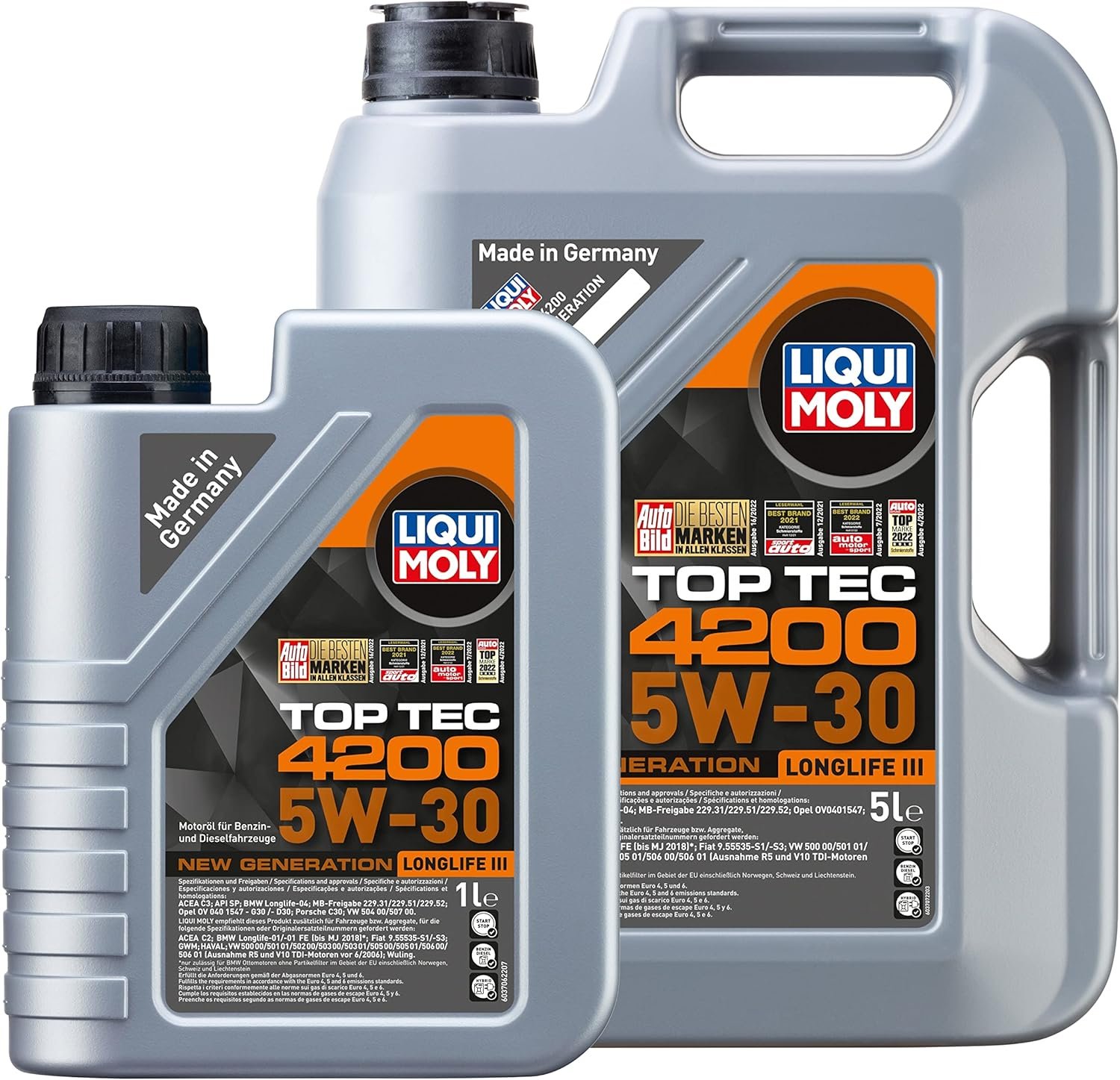
Our Top Picks
As an Amazon Associate, we may earn from qualifying purchases. This doesn't affect our recommendations — we only suggest oils that hold the exact OEM approval for your engine.