 Oil-
Oil-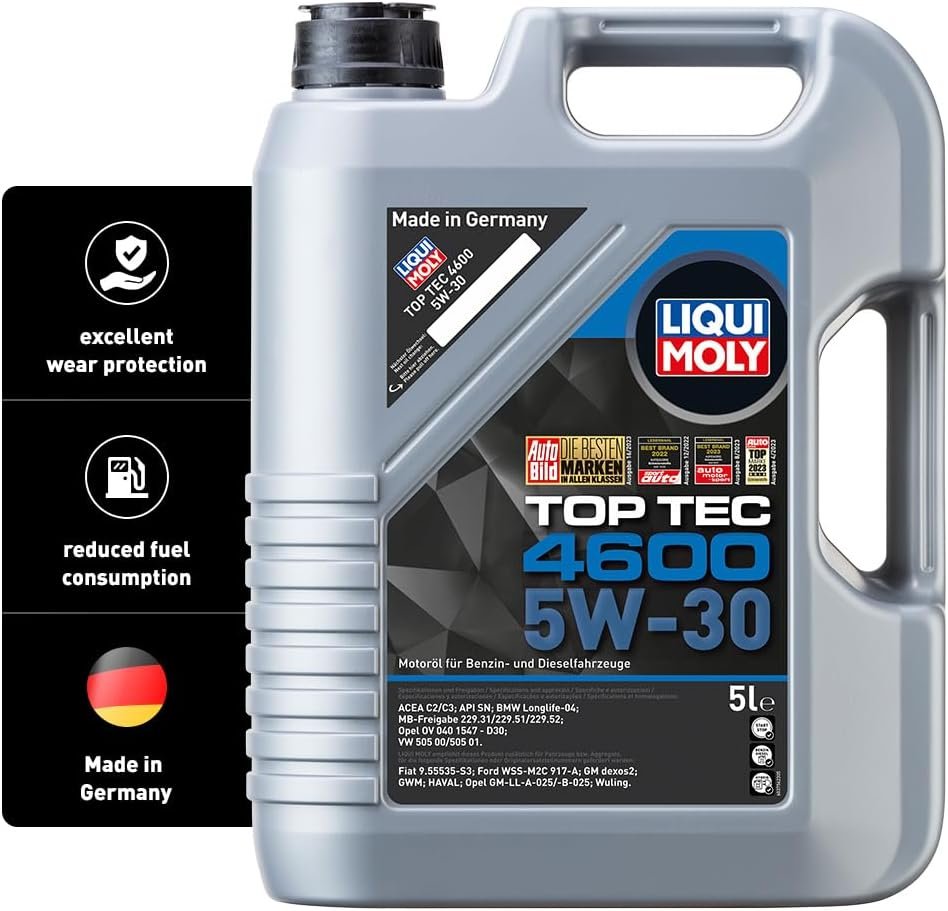
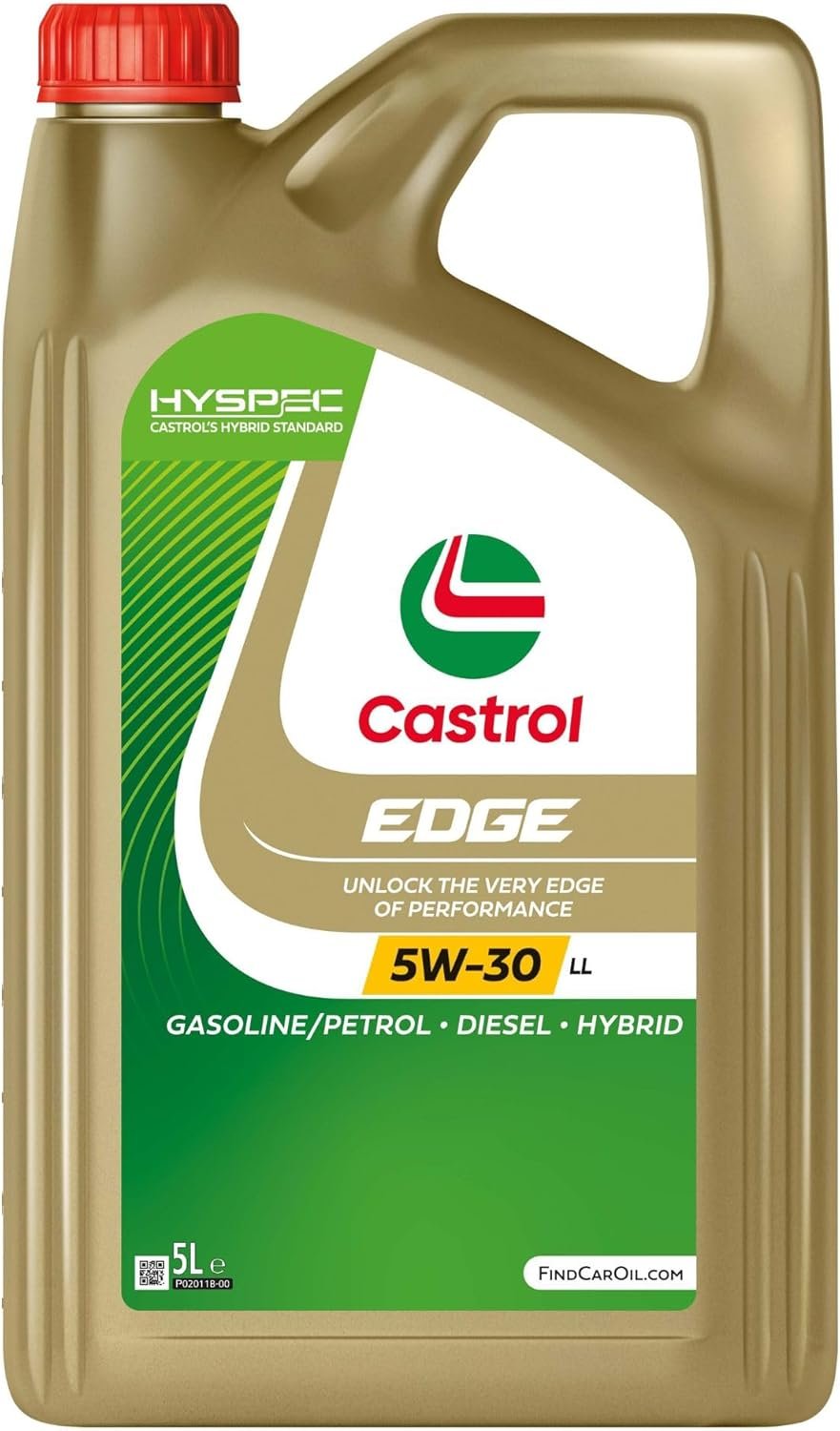
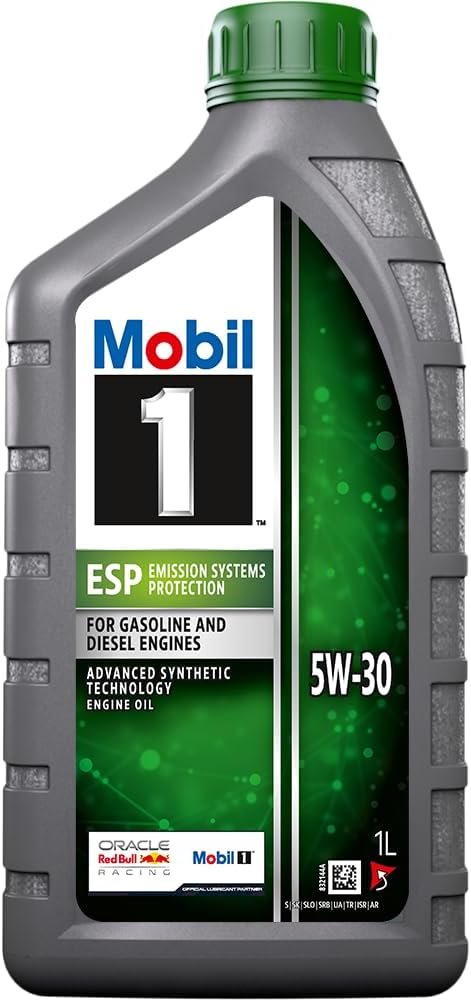
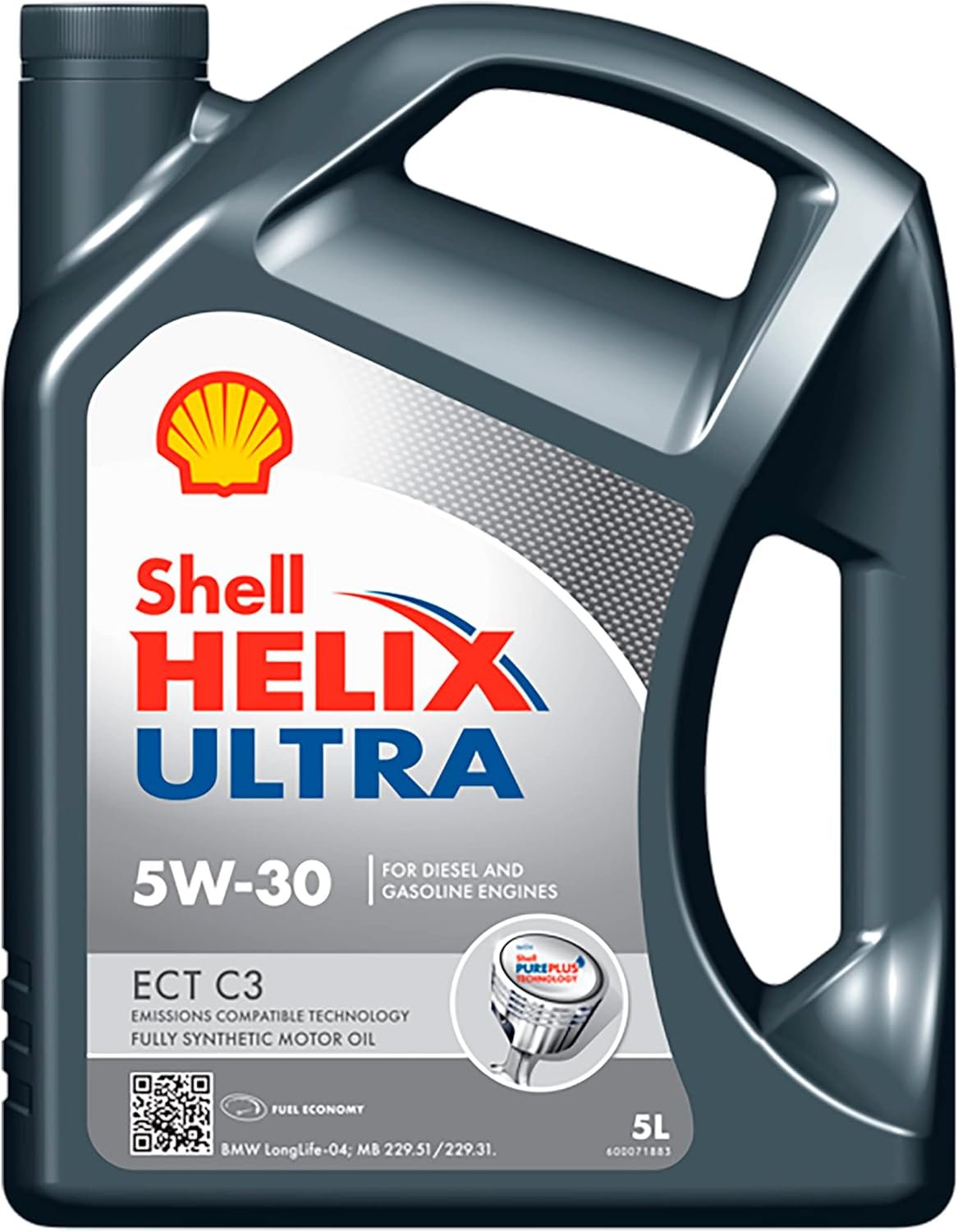
As an Amazon Associate, we may earn from qualifying purchases. This doesn't affect our recommendations — we only suggest oils that hold the exact OEM approval for your engine.
Best Engine Oil for Vauxhall Mokka 1st Gen J13 1.6 CDTi (136 hp)
The Vauxhall Mokka 1st generation (J13 chassis, 2012–2019) offered the 1.6 CDTi diesel as the core powerplant for UK buyers prioritising economy over the more powerful 2.0 CDTi. The A16DTH and its revised B16DTH variant — co-developed by GM and sourced from Opel — is a 1,598 cc common-rail diesel with a variable-geometry turbocharger that meets the European emissions standards of its era. The oil specification is GM dexos2, 5W-30 ACEA C3 — a low-SAPS diesel specification that is non-negotiable for the Mokka’s DPF-equipped engine. Understanding why the DPF is the primary cost variable in Mokka J13 diesel ownership — and how oil specification directly influences it — is the foundation of correct long-term maintenance.
Quick Answer: Recommended Oil
- Specification: GM dexos2 / ACEA C3, 5W-30 full synthetic
- Alternative: None (dexos2-approved oil is mandatory for DPF protection)
- Oil capacity with filter: 5.0 litres
- Oil capacity without filter: approx. 4.5 litres
The A16DTH / B16DTH Engine
The 1.6 CDTi (engine codes A16DTH and B16DTH) is a 1,598 cc inline-four diesel with a cast-iron block and aluminium head — conventional architecture for a diesel in this displacement class. Common-rail direct injection delivers fuel at high pressure directly into the combustion chamber; a variable-geometry turbocharger (VGT) provides boost that varies the turbine vane angle to match load conditions without a fixed boost curve. The result is responsive pull from low RPM — useful in urban driving where the Mokka spends most of its operating life.
DPF system: The J13 Mokka 1.6 CDTi is DPF-equipped from launch, meeting Euro 5 requirements. The DPF (Diesel Particulate Filter) captures soot from combustion; under normal operation, it self-cleans through passive regeneration at sustained motorway speeds (above 40 mph) where exhaust temperatures are high enough to burn off accumulated soot. In predominantly city use — the Mokka’s most common operating environment — passive regeneration rarely completes, forcing active regeneration cycles where the ECU injects additional fuel into the exhaust to raise DPF temperature. Frequent interrupted active regeneration cycles progressively load the DPF with incombustible ash.
EGR valve: The A16DTH uses exhaust gas recirculation to reduce NOx emissions — routing a portion of exhaust gas back into the intake charge. The EGR valve and associated passages accumulate soot deposits progressively, with symptoms (rough idle, power loss, limp mode) typically appearing at 80,000–120,000 miles.
Understanding dexos2
GM’s dexos2 specification is the manufacturer standard for all GM/Opel/Vauxhall diesel engines. It corresponds to ACEA C3 performance but with stricter requirements on several parameters:
- Sulphated ash ≤ 0.8%: Lower than older ACEA B4 or B3 specifications, reducing the incombustible ash deposited in the DPF per kilometre driven
- Phosphorus ≤ 0.07%: Limits phosphorus compounds that can affect catalytic converter wash-coat efficiency
- Sulphur ≤ 0.2%: Reduces sulphur-derived combustion products in the DPF
The consequence of using non-dexos2 oil — even an ACEA A3/B4 5W-30 that is technically a “good” oil — is accelerated DPF ash loading. DPF ash accumulation is irreversible; once the filter reaches maximum ash capacity, it requires forced professional cleaning (£300–600) or replacement (£600–1,200). For a Mokka used primarily in urban driving, the oil specification is the most controllable factor in extending DPF service life.
Technical Specifications
| Specification | Value |
|---|---|
| Displacement | 1,598 cc |
| Layout | Inline-4, diesel, turbocharged |
| Engine codes | A16DTH (136 hp) / B16DTH (136 hp revised) |
| Power / Torque | 136 hp / 320 Nm |
| Injection | Common-rail direct injection |
| Turbocharger | Variable-geometry (VGT) |
| Aftertreatment | DPF + EGR (Euro 5) |
| Timing system | Chain + belt |
| Oil capacity (with filter) | 5.0 L |
| Recommended viscosity | 5W-30 |
| GM specification | dexos2 |
| ACEA classification | C3 |
Oil Change Intervals
Vauxhall’s Variable Service Indicator can suggest changes at up to 30,000 km under ideal conditions. For the J13 Mokka 1.6 CDTi in real UK use — predominantly urban and short-journey — the recommended interval is 10,000–12,000 km or 12 months. For vehicles used almost exclusively for short city journeys (under 20 minutes regularly), reduce to 10,000 km or 12 months strictly.
Short-trip diesel use is uniquely damaging: cold starts produce disproportionate soot and combustion blow-by that contaminates the oil faster than the mileage interval would suggest. Frequent cold starts without full warm-up cycles also prevent passive DPF regeneration — compounding DPF ash loading. Annual changes aligned with the change in driving conditions (if city use increases) protect both the oil system and the DPF.
Common A16DTH Problems Related to Oil
DPF ash accumulation: As described, the primary long-term cost driver in J13 Mokka diesel ownership. Early production 2012–2014 cars showed higher-than-expected DPF saturation rates in city use — a combination of passive regeneration rarely completing and the soot output of the early A16DTH calibration. Using dexos2 oil slows ash accumulation; periodic motorway trips at sustained speeds (30+ minutes above 40 mph) support passive regeneration and reduce forced regen frequency.
EGR valve carbon deposits: Progressive soot accumulation on the EGR valve body causes sticking, leading to rough idle, hesitation, and eventually limp mode. Carbon cleaning (EGR valve removal and chemical clean) costs £200–400 and restores correct operation; EGR valve replacement when worn is £300–500. Low-SAPS dexos2 oil reduces combustion by-product contribution to deposit formation.
Timing chain tensioner: Tensioner wear at higher mileage (above 140,000 km) can produce a cold-start rattle. Annual oil changes with correct dexos2 specification maintain tensioner hydraulic circuit health.
Conclusion
The Vauxhall Mokka J13 1.6 CDTi is an efficient diesel that performs best in mixed driving but faces its primary maintenance challenge in city-dominant use — where DPF passive regeneration rarely completes and ash accumulation accelerates. dexos2 5W-30 ACEA C3 at 10,000–12,000 km annual intervals is non-negotiable for DPF protection. Plan periodic motorway runs to support regeneration, and budget for EGR cleaning at 80,000–120,000 km as a scheduled maintenance item.
Our Top Picks
As an Amazon Associate, we may earn from qualifying purchases. This doesn't affect our recommendations — we only suggest oils that hold the exact OEM approval for your engine.