 Oil-
Oil-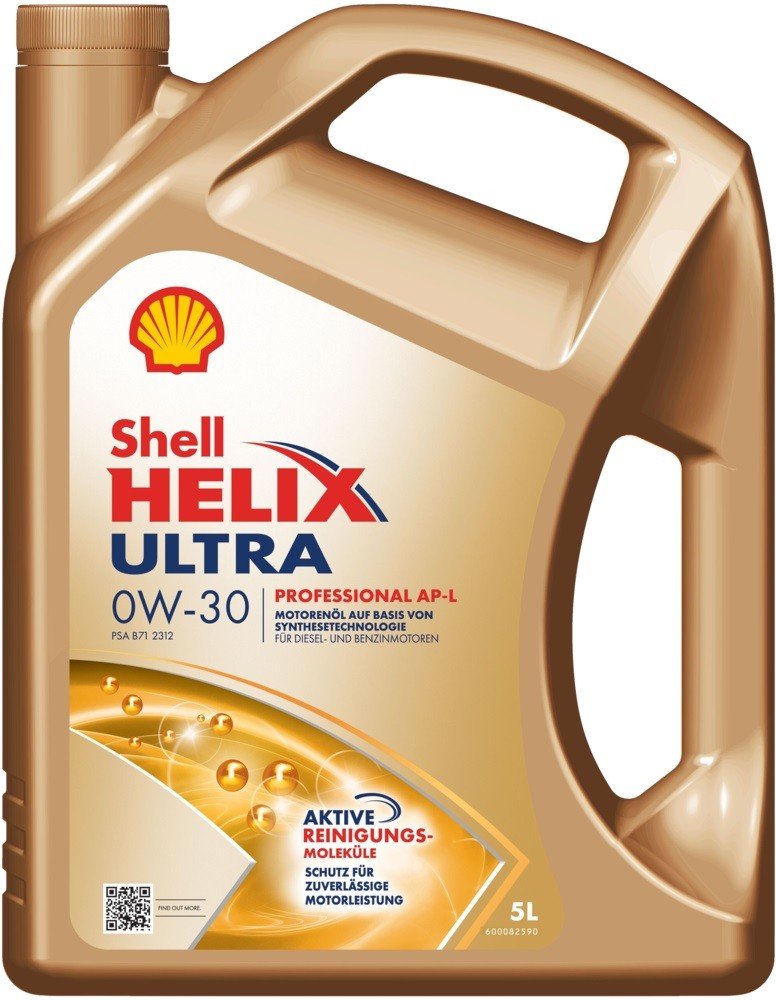
As an Amazon Associate, we may earn from qualifying purchases. This doesn't affect our recommendations — we only suggest oils that hold the exact OEM approval for your engine.
Best Engine Oil for the Vauxhall Astra L 1.2 PureTech Turbo (130 hp)
The Vauxhall Astra L, launched in 2022, marks a turning point in Vauxhall’s history. For the first time, the Astra rides on a PSA-derived platform — the EMP2 architecture developed by Stellantis — replacing the decades-old GM foundations that underpinned every Astra before it. That platform shift brings a modern, frugal engine range, but it also imports a well-documented engineering challenge: the 1.2 PureTech turbocharged petrol unit and its wet timing belt system.
Choosing the right engine oil for this engine is not a routine decision. The EB2ADTS motor is specifically engineered around a single oil specification — PSA B71 2312 in 0W-30 viscosity — and deviation from that standard has been directly linked to premature timing belt degradation and, in serious cases, engine failure. Understanding why the oil spec is so tightly defined is essential for any Astra L owner.
Quick Answer: Recommended Oil
- Viscosity: 0W-30 (no approved alternative)
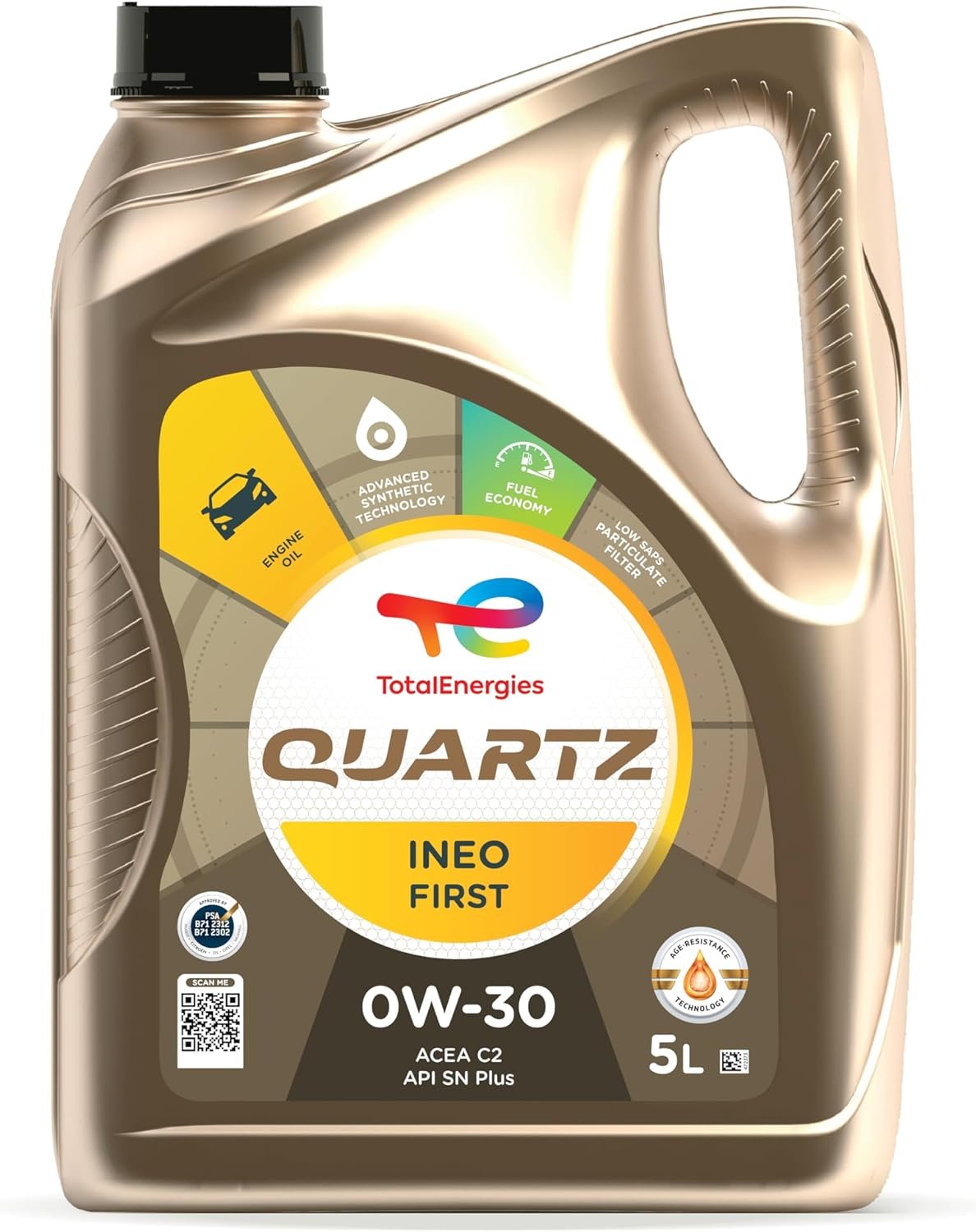
- Specification: ACEA C2, PSA B71 2312
- Oil capacity (without filter): 3.5 litres
- Oil capacity (with filter): 3.75 litres
- Change interval: Every 12 months or 15,000 km — whichever comes first
The EB2ADTS Engine and Stellantis Platform Origins
The 1.2 PureTech Turbo with engine code EB2ADTS is part of Stellantis’s EB2 engine family, shared across Peugeot, Citroën, Opel, and — since the Astra L — Vauxhall. It displaces 1,199 cc across a three-cylinder, turbocharged configuration, producing 130 hp and around 230 Nm of torque. Drive goes through an eight-speed automatic or a six-speed manual gearbox depending on trim level.
The headline technical feature of the EB2ADTS — and the source of most of its notoriety — is the wet timing belt. Rather than running the camshaft drive chain or belt in a dry, sealed environment, Stellantis’s engineers designed the system so the belt runs submerged in engine oil. The rationale was sound in principle: oil lubrication reduces belt noise and friction, allowing a more compact engine package with improved fuel efficiency. In practice, the execution has proven more demanding than anticipated, and the oil specification is central to whether the system survives or fails.
Why PSA B71 2312 and 0W-30 Are Non-Negotiable
The wet belt system in the EB2ADTS only functions as intended when the engine oil meets PSA B71 2312 specification. This is a low-SAPS (Sulphated Ash, Phosphorus, Sulphur) formulation developed specifically for engines with wet belt drives and diesel particulate filter (DPF) or catalytic converter compatibility requirements. Combined with ACEA C2 classification, it ensures the right balance of film strength, detergency, and compatibility with rubber components — including the timing belt itself.
The 0W-30 viscosity grade is equally critical. A heavier oil — say 5W-40 — would not flow adequately around the belt at cold start, increasing wear during the engine’s most vulnerable minutes. A lighter oil without the correct additive chemistry would fail to maintain the protective film the belt requires under load and elevated temperatures.
Using an oil that does not carry PSA B71 2312 approval — even one that appears similar on the label — can cause the timing belt to swell, degrade prematurely, or shed material into the oil circuit. This is not a theoretical risk: it has affected thousands of vehicles across the Stellantis group.
Technical Specifications
| Specification | Detail |
|---|---|
| Engine code | EB2ADTS |
| Displacement | 1,199 cc |
| Layout | 3-cylinder, inline, turbocharged |
| Power output | 130 hp (96 kW) at 5,500 rpm |
| Torque | 230 Nm at 1,750 rpm |
| Compression ratio | 10.5:1 |
| Timing system | Wet belt-in-oil |
| Oil capacity (dry) | 3.5 litres |
| Oil capacity (with filter) | 3.75 litres |
| Recommended viscosity | 0W-30 |
| Oil specification | ACEA C2 / PSA B71 2312 |
| Recommended change interval | 12 months / 15,000 km |
| Fuel type | Petrol (requires 95 RON minimum) |
Oil Change Intervals: Do Not Stretch Them
Stellantis specifies a variable service interval on many PureTech-equipped vehicles based on an oil life monitor. For the EB2ADTS in UK driving conditions, Vauxhall recommends servicing every 12 months or 15,000 km — whichever arrives first.
The 12-month rule is particularly important. In stop-start urban use — which characterises a large proportion of UK driving — the 1.2 PureTech is susceptible to fuel dilution. Cold, short journeys prevent the engine from reaching operating temperature for long enough to evaporate petrol that has condensed into the oil. Over weeks and months, this dilutes the oil, reduces its viscosity below specification, and strips the protective film from the wet belt.
Owners who cover fewer than 15,000 km per year should not wait until the mileage trigger is reached. A 12-month oil change is a minimum, not a guideline to exceed. Some independent specialists recommend annual changes regardless of mileage for low-use vehicles, and there is sound mechanical reasoning behind that advice.
Known Problems: Wet Belt Failures and Oil System Contamination
The 1.2 PureTech’s wet belt issues have been extensively documented across the Stellantis product range, and the Astra L is not exempt simply because it is newer. Three failure modes are particularly associated with oil condition and specification:
Premature timing belt degradation. The belt is a rubber-reinforced component that relies on oil of the correct chemistry to remain pliable and dimensionally stable. When the oil is degraded, contaminated with fuel, or of the wrong specification, the belt can swell, crack at the edges, or begin shedding small rubber particles into the oil circuit. In the worst cases, the belt snaps entirely — and because the EB2ADTS is an interference engine, the consequence is immediate and catastrophic: bent valves, piston damage, and a destroyed cylinder head.
Oil pump strainer clogging. Belt debris does not simply disappear into the oil. The particles accumulate and, over time, begin to clog the oil pump intake strainer. A partially blocked strainer reduces oil pressure, starving bearings and other critical surfaces of lubrication. This failure mode is insidious because it develops slowly and may not trigger a warning light until the damage is already severe.
Variable valve timing solenoid blockage. The EB2ADTS uses variable valve timing to optimise performance and efficiency across the rev range. The solenoids controlling this system have small internal galleries that are easily blocked by oil sludge or belt debris. Blocked solenoids produce rough running, poor throttle response, and fault codes — but can also cause the valve timing to be held in a position that accelerates wear.
In 2023 and 2024, Stellantis extended the warranty on PureTech engines to 10 years or 175,000 km in many markets, and issued technical service bulletins addressing timing belt replacement intervals. In the UK, affected owners of earlier models were included in recall and goodwill programmes. The Astra L benefits from revised belt and tensioner specifications introduced during the production run, but the fundamental design remains the same — and the oil specification remains equally critical.
Why Correct Oil Is the Single Most Important Maintenance Decision
For most modern engines, using a broadly similar oil specification — say, an ACEA C3 0W-30 rather than a C2 — would be a minor deviation at worst. For the EB2ADTS, the wet belt architecture makes the PSA B71 2312 specification a hard boundary, not a preference.
The rubber compound used in the timing belt is formulated to resist degradation when in contact specifically with B71 2312-grade lubricants. Oils carrying different ACEA classifications, different additive packages, or different friction modifier chemistry interact differently with that rubber. Even oils that appear comparable on specification sheets may accelerate belt wear if they lack formal PSA B71 2312 approval.
Before purchasing any oil for this engine, verify that the product carries explicit PSA B71 2312 approval — not just ACEA C2 in the right viscosity. The approval should be listed on the bottle or confirmed on the oil manufacturer’s website. If in doubt, check Stellantis’s published oil approval lists.
Conclusion
The Vauxhall Astra L 1.2 PureTech Turbo is a capable, refined engine that represents Vauxhall’s transition into the Stellantis era. It delivers competitive performance and fuel efficiency on the right specification of oil — but it is an engine that rewards careful maintenance more than most. Use only 0W-30 oil approved to PSA B71 2312 and ACEA C2, change it every 12 months or 15,000 km without exception, and do not allow the interval to extend even if the mileage trigger has not been reached. Those three habits are the difference between a reliable engine and an expensive failure.
Our Top Picks
As an Amazon Associate, we may earn from qualifying purchases. This doesn't affect our recommendations — we only suggest oils that hold the exact OEM approval for your engine.