 Oil-
Oil-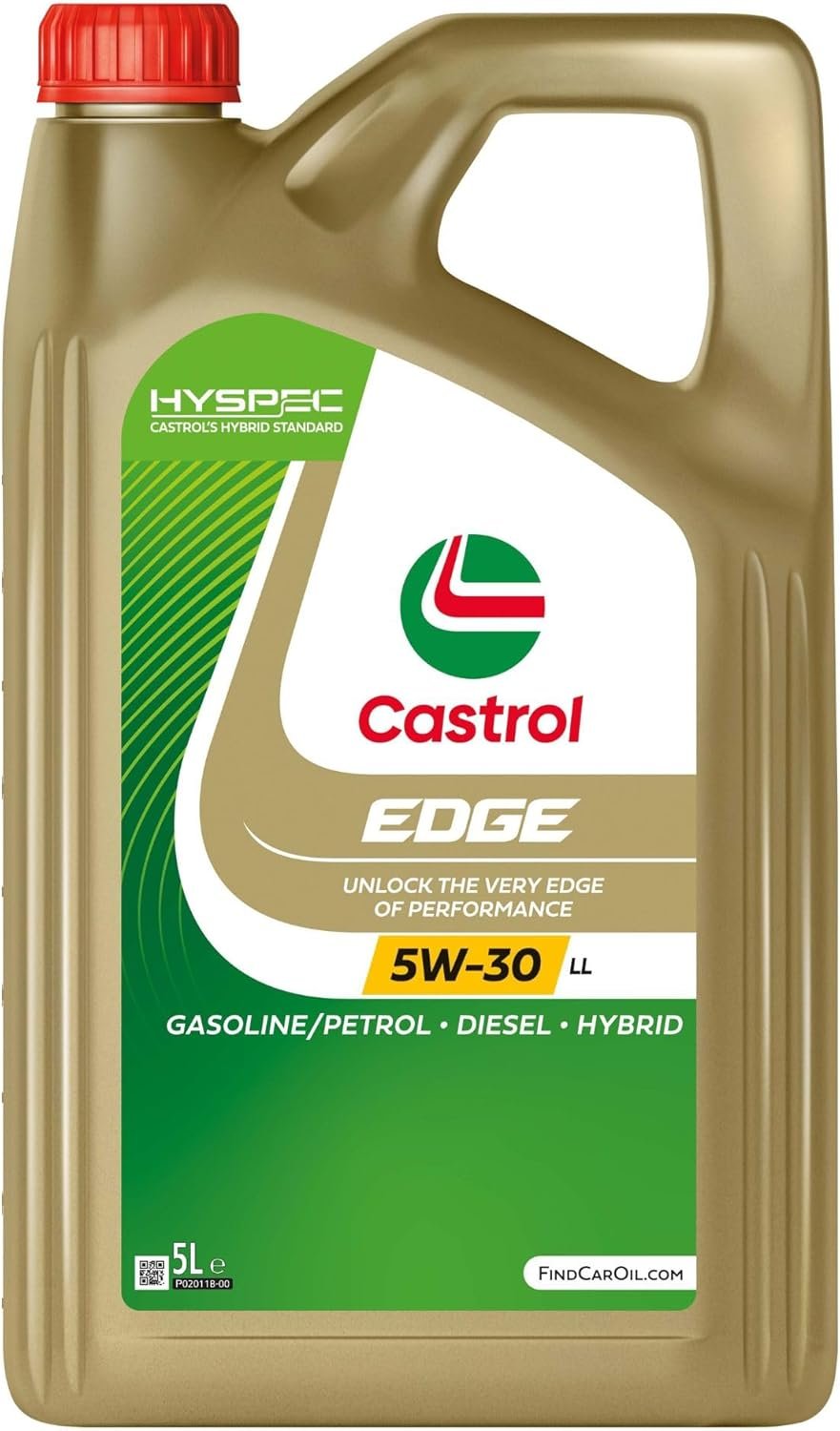
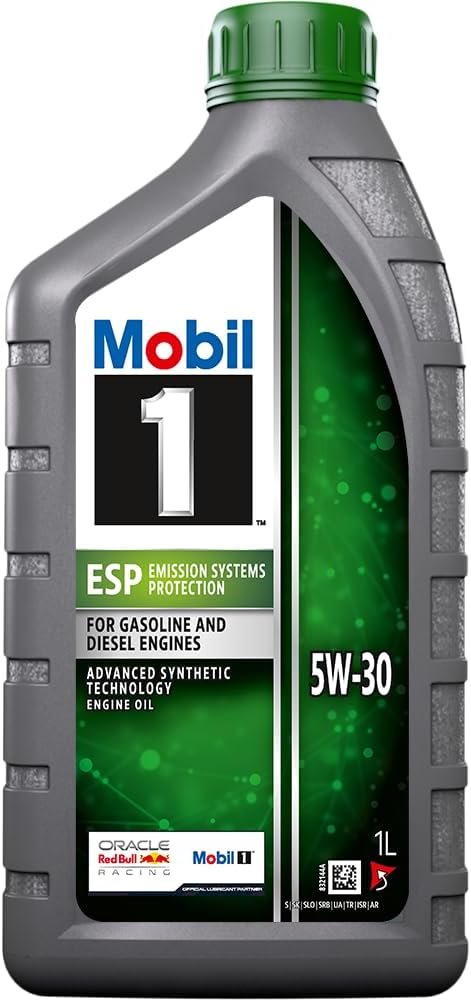
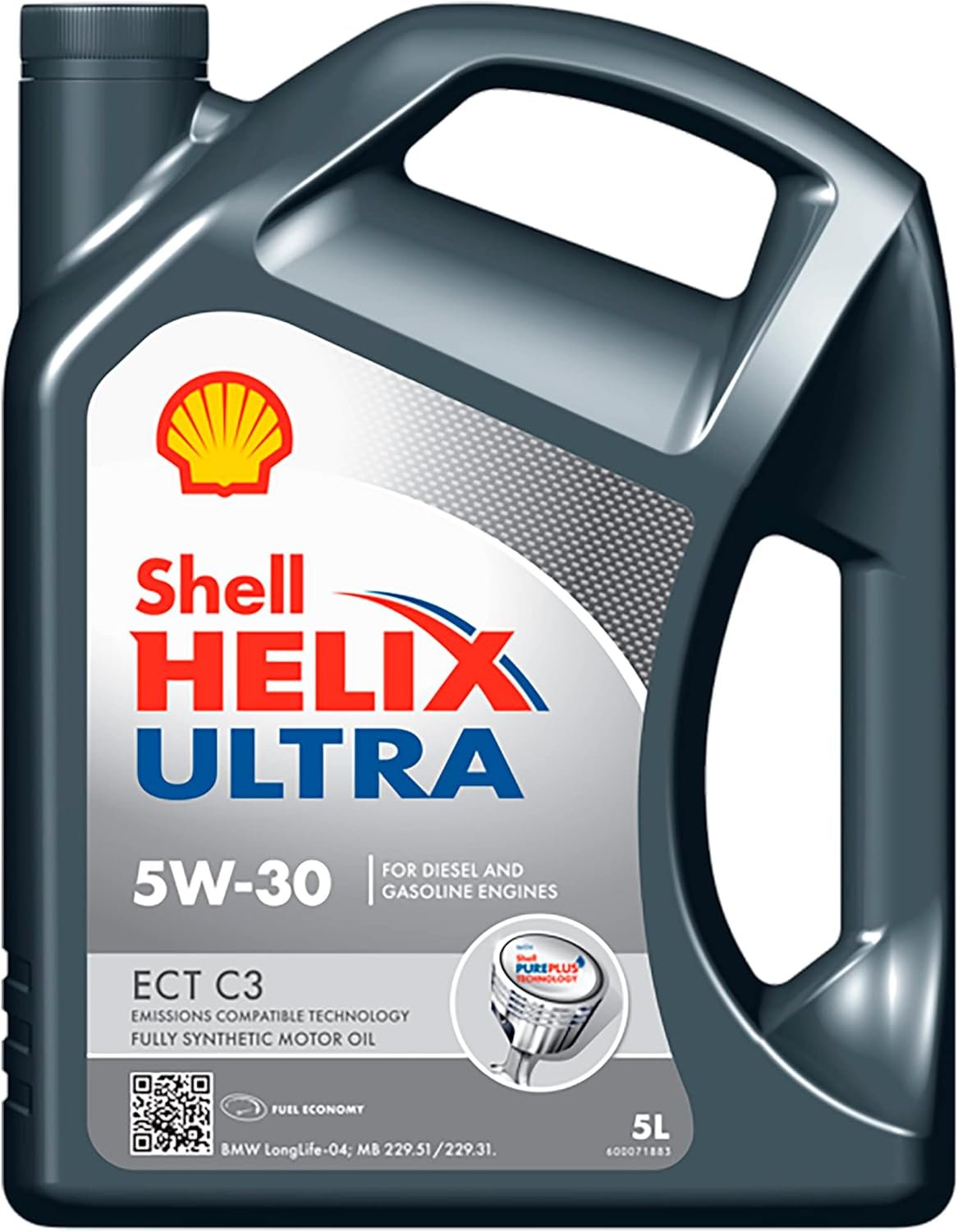
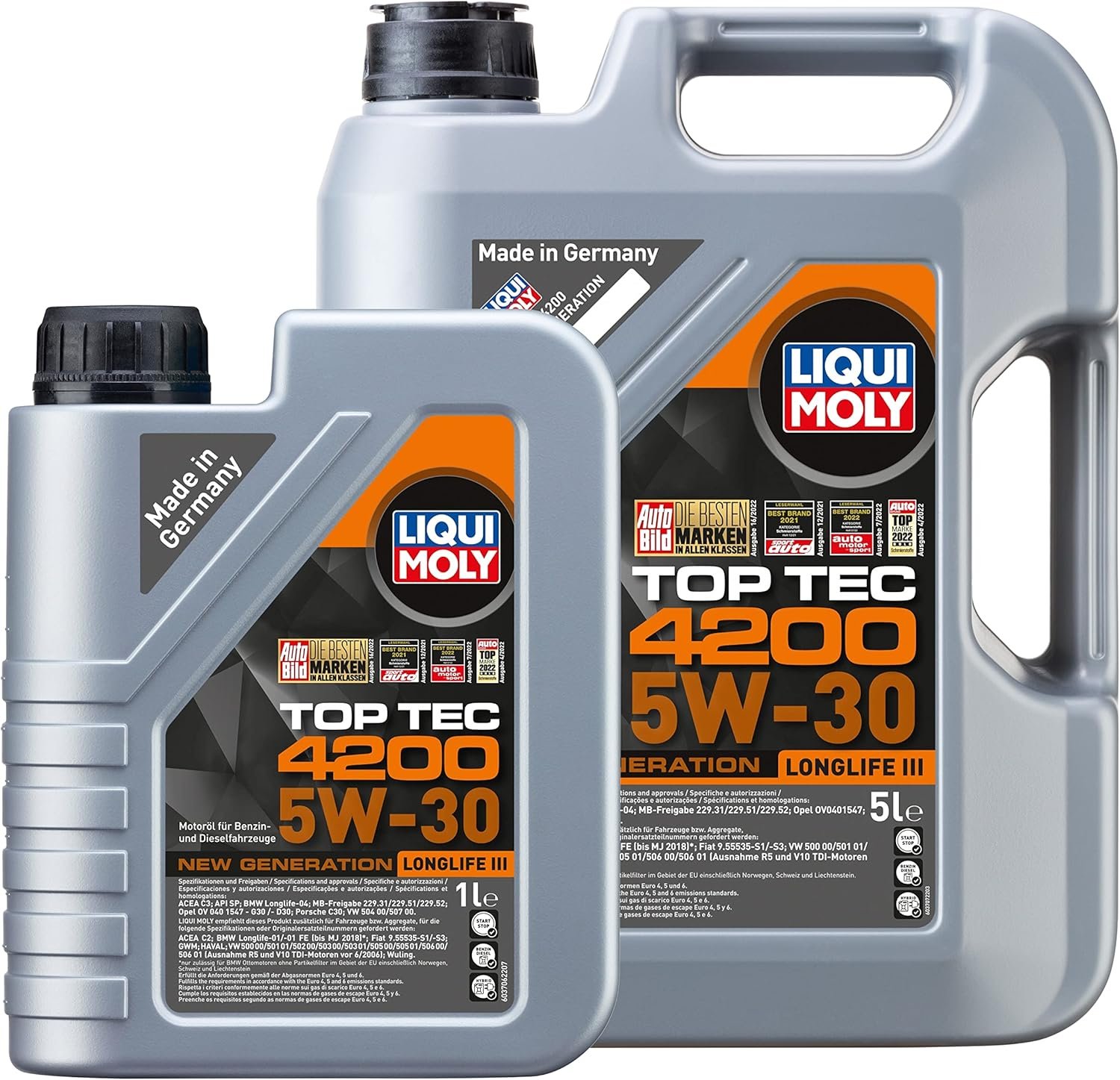
As an Amazon Associate, we may earn from qualifying purchases. This doesn't affect our recommendations — we only suggest oils that hold the exact OEM approval for your engine.
Best Engine Oil for Skoda Octavia 4th Gen (NX) 1.5 TSI 150 hp
The fourth-generation Skoda Octavia NX, launched in 2020, brought a significant step forward in powertrain technology with its 1.5 TSI EA211 evo engine. Coded DPCA in Skoda’s lineup, this 1,498 cc turbocharged four-cylinder combines Active Cylinder Technology (ACT) with a partial Miller cycle to deliver 150 hp while remaining genuinely frugal in real-world use. The engineering behind it is more complex than any TSI before it, which makes using the exactly correct engine oil non-negotiable — the wrong viscosity or an off-spec lubricant can directly compromise the cylinder deactivation system and accelerate wear.
Quick Answer: Recommended Oil
- Primary specification: VW 504 00 — 5W-30 low-SAPS
- Alternative viscosity: 0W-20 (only if approved to VW 508 00 or VW 504 00 in 0W-20 grade)
- Oil capacity (drain without filter): 4.8 litres
- Oil capacity (with filter change): 5.2 litres
- ACEA norm: C3
The DPCA Engine: ACT and the Miller Cycle
The EA211 evo is not a straightforward evolution of earlier 1.4 TSI units. Volkswagen Group introduced two technologies that work in tandem to improve efficiency without sacrificing performance.
Active Cylinder Technology (ACT) deactivates cylinders two and three when load demands are low — coasting, light throttle, steady-speed cruising. The intake and exhaust valves on those two cylinders are held shut by electrohydraulic actuators, and fuel injection is cut to those cylinders entirely. The system can switch between two- and four-cylinder operation in as little as 13 milliseconds, imperceptible to the driver under normal conditions. At low speeds and light loads, ACT can reduce fuel consumption by up to 0.4 litres per 100 km.
Miller cycle operation involves closing the intake valves earlier than in a conventional Otto cycle. This reduces the effective compression ratio during the intake stroke, lowering pumping losses and heat generation, while a higher geometric compression ratio (10.5:1) is maintained for thermodynamic efficiency during combustion. The turbocharger compensates by building boost pressure to fill the cylinder adequately despite early valve closing.
These two systems make the DPCA one of the most mechanically sophisticated small-displacement petrol engines offered in the C-segment. They are also oil-dependent in ways that older engines are not.
Understanding VW 504 00 and Why It Matters for the EA211 Evo
The Octavia 4’s DPCA engine is approved for VW 504 00, which is a Low-SAPS (Low Sulphated Ash, Phosphorus, Sulphur) specification designed to protect the three-way catalytic converter while still providing full engine protection.
VW 504 00 vs VW 508 00: Both are low-SAPS specs used in the VAG range, but they are not interchangeable. VW 508 00 applies specifically to engines approved for extended 30,000 km oil change intervals (typically on the Miller-cycle evo variants using 0W-20). Unless your specific vehicle’s service booklet confirms VW 508 00 approval, use VW 504 00 in 5W-30. Some late-production DPCA variants have dual approval for both 504 00 and 508 00 — always verify against the service schedule and oil filler cap, not just the engine code.
Why 5W-30 and not 5W-40? The ACT actuator system relies on oil pressure delivered quickly after a cold start. A 5W-30 low-SAPS oil flows faster at low temperature than a 5W-40, which is important because the ACT solenoids engage immediately. A conventional 5W-40 mineral or semi-synthetic oil, even if it meets ACEA A3/B4, lacks the low-SAPS chemistry required and will gradually poison the catalytic converter.
0W-20 as an alternative: This thinner grade is only appropriate if the oil carries VW 504 00 or 508 00 approval in the 0W-20 grade. Not all 0W-20 oils are approved to these VW norms — always check the approval list on the bottle, not just the viscosity grade.
Technical Specifications
| Parameter | Specification |
|---|---|
| Engine code | DPCA |
| Engine family | EA211 evo |
| Displacement | 1,498 cc |
| Configuration | Inline-4, transverse |
| Bore × stroke | 74.5 mm × 85.9 mm |
| Compression ratio | 10.5:1 |
| Maximum power | 110 kW (150 hp) at 5,000–6,000 rpm |
| Maximum torque | 250 Nm at 1,500–3,500 rpm |
| Fuel system | Direct injection (TFSI) |
| Turbocharger | Single-scroll, fixed-geometry |
| Cylinder deactivation | ACT (cylinders 2 & 3) |
| Valve timing | Miller cycle (early intake valve closing) |
| Oil capacity (no filter) | 4.8 litres |
| Oil capacity (with filter) | 5.2 litres |
| Recommended viscosity | 5W-30 |
| OEM specification | VW 504 00 |
| ACEA norm | C3 |
Oil Change Intervals
Skoda’s official service interval for the Octavia 4 DPCA engine is determined by the vehicle’s variable service indicator (VARIABLE/LongLife), which calculates intervals based on actual driving conditions — typically up to 30,000 km or 2 years, whichever comes first under ideal conditions. In practice, many independent specialists recommend not exceeding 15,000–20,000 km, particularly if the vehicle spends significant time on short urban journeys.
Short-trip driving is particularly harsh on the EA211 evo’s ACT system because the engine frequently shuttles between two- and four-cylinder operation before it reaches full operating temperature. Combustion blow-by past the piston rings is higher on cold starts, and unburnt fuel dilutes the oil more aggressively than on a constant motorway run. Under these conditions, annual changes regardless of mileage are a sound precaution.
Always top up between changes using the same VW 504 00 specification. The 5.2-litre fill capacity means the level can drop noticeably between services — check every 3,000–5,000 km.
Why Correct Oil Matters for the ACT System
The Active Cylinder Technology in the DPCA engine depends on oil-pressure-driven solenoid actuators to hold the deactivated cylinders’ valves closed. If oil viscosity is too high at low temperature, the actuators respond sluggishly, and the transition between two- and four-cylinder operation is imprecise. If oil quality degrades and pressure consistency drops, the system logs faults and defaults to four-cylinder-only operation.
The low-SAPS requirement is equally critical. High-ash conventional engine oils — including many popular 5W-40 and 10W-40 formulations — deposit combustion residue in the cylinder head oil passages over time, restricting the fine drillings that supply the ACT solenoids. This is a slow process, but cumulative over several service intervals with the wrong oil.
A 5W-30 VW 504 00 oil, changed at or before the recommended interval, maintains the hydraulic precision the ACT system needs to function correctly.
Known Problems Related to Oil and the ACT System
Kangaroo effect (jerking on acceleration): The most widely reported issue with the EA211 evo, particularly in early production years (2017–2020) before Skoda and Volkswagen issued revised ECU software. The sensation — a hesitation or lurching when pulling away — is caused by imprecise ACT transition timing under certain throttle inputs. Software updates address most cases. However, owners who have used off-spec oils or neglected oil changes report a higher incidence of residual hesitation after the software fix, suggesting that actuator response is oil-condition-sensitive.
ACT actuator wear: Repeated cold-start cycling stresses the electrohydraulic actuators. Owners who use the car predominantly for short urban journeys report actuator-related fault codes appearing earlier than expected. Using the correct low-viscosity, fast-flowing 5W-30 VW 504 00 oil reduces actuator strain at cold start when the ACT system is most active.
Carbon build-up on intake valves: As a direct-injection engine, the EA211 evo does not benefit from fuel washing the intake valves. Carbon accumulates over time, particularly on the deactivated cylinders (two and three), which see more oil vapour from the crankcase ventilation system during ACT operation. Walnut blasting at around 80,000–100,000 km is a common preventive measure. Quality low-SAPS oils with good detergent packages slow this process.
Oil consumption: Some DPCA owners report oil consumption of around 0.3–0.5 litres per 1,000 km, particularly in the first 20,000 km of use. This is within Volkswagen Group’s stated acceptable range for the engine. Consumption typically stabilises after the engine has fully bedded in. Consistent monitoring is important given the 5.2-litre fill capacity.
Conclusion
The Skoda Octavia 4 1.5 TSI DPCA is an impressive piece of engineering — but its complexity demands equally precise lubrication. Use 5W-30 meeting VW 504 00 and change it at or before the service indicator recommendation, shortening the interval to 12–15 months if your driving is predominantly urban or short-distance. A 5.2-litre fill with a fresh filter, the correct low-SAPS specification, and regular level checks will keep the ACT system functioning as designed and protect the engine’s longevity through many years of use.
Our Top Picks
As an Amazon Associate, we may earn from qualifying purchases. This doesn't affect our recommendations — we only suggest oils that hold the exact OEM approval for your engine.