 Oil-
Oil-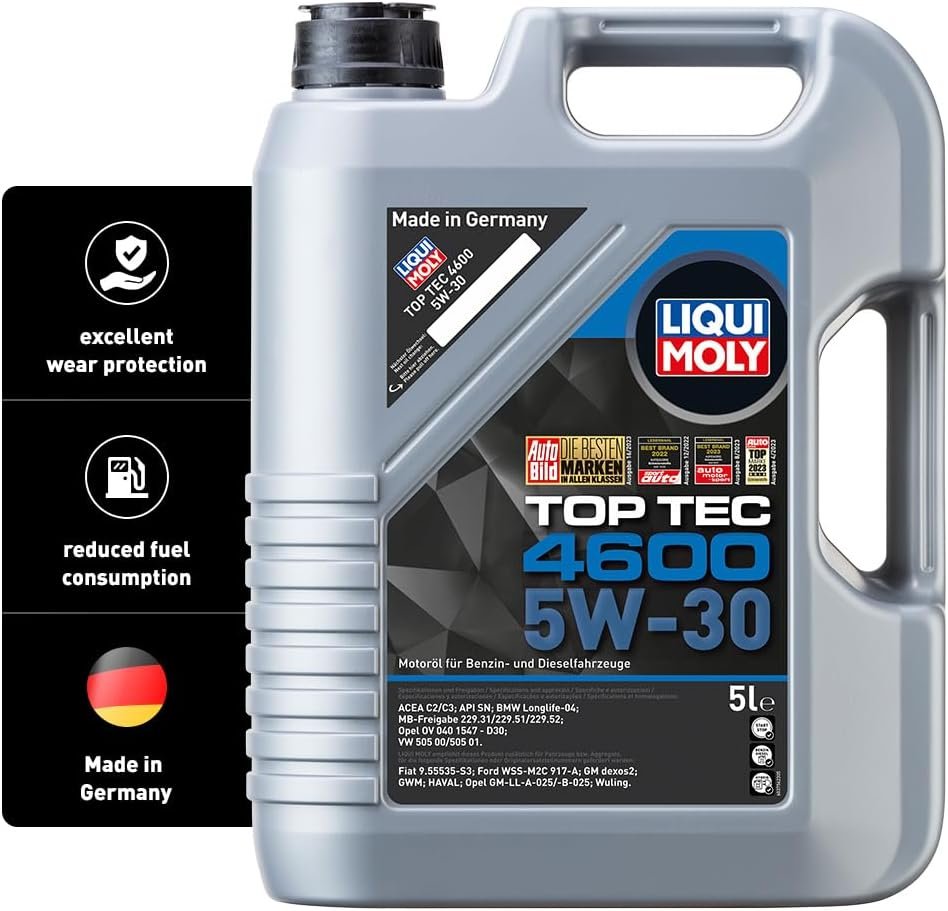
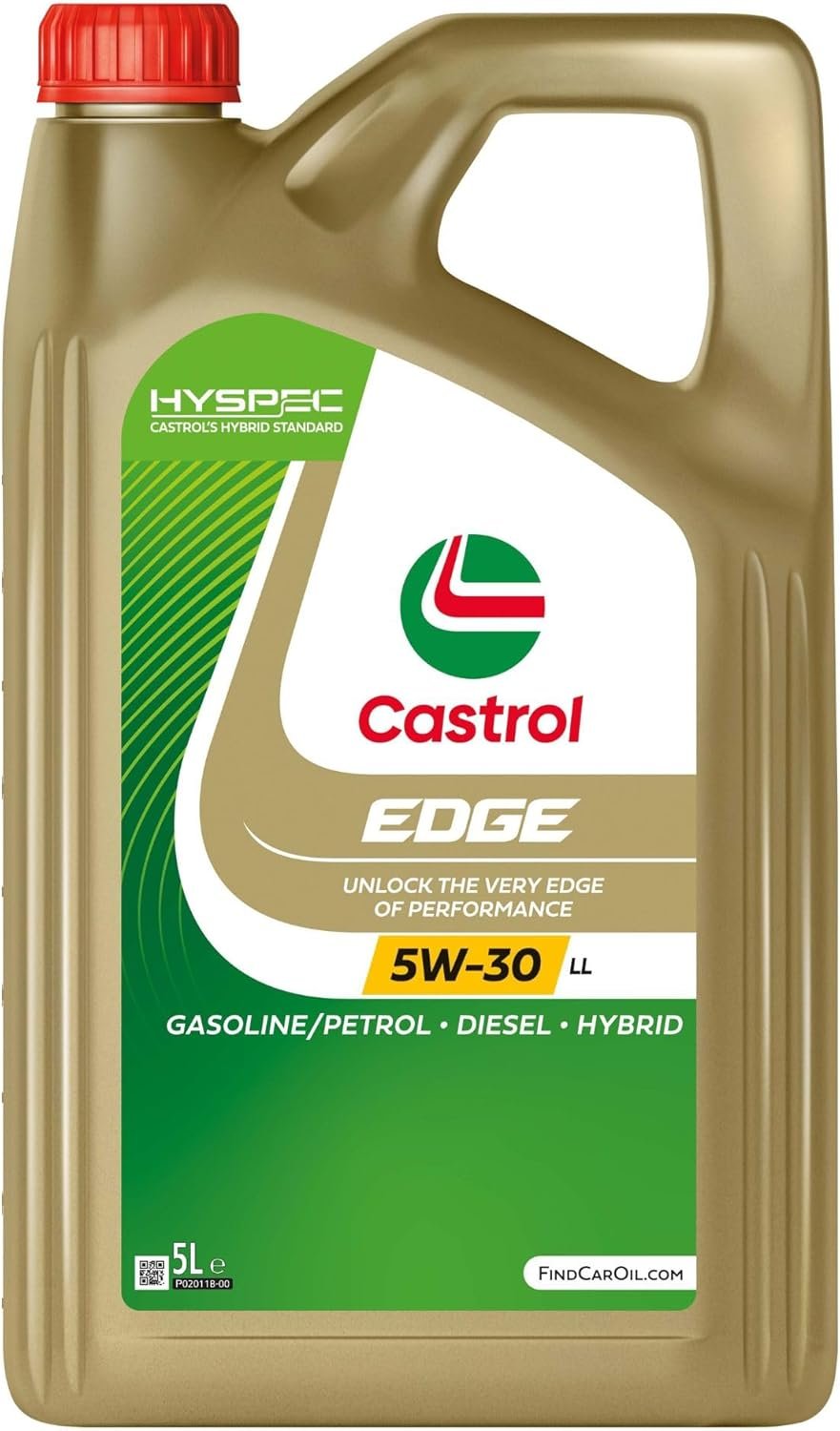
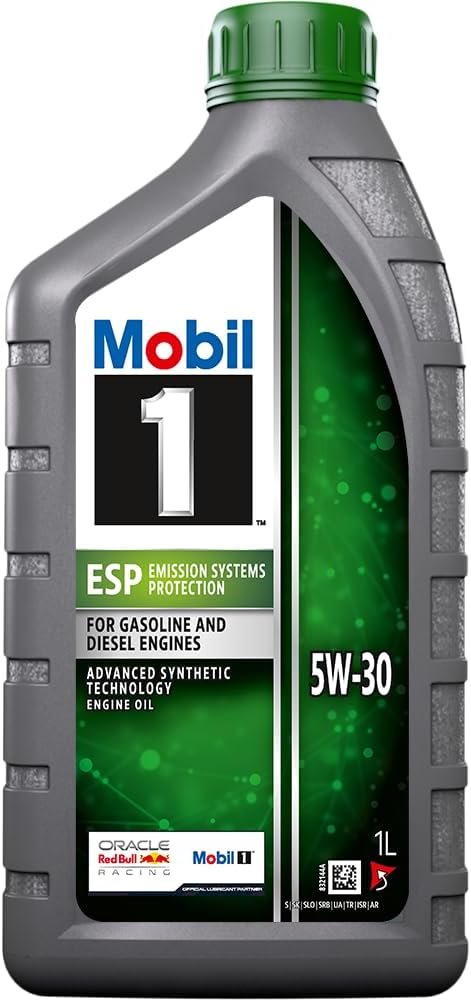
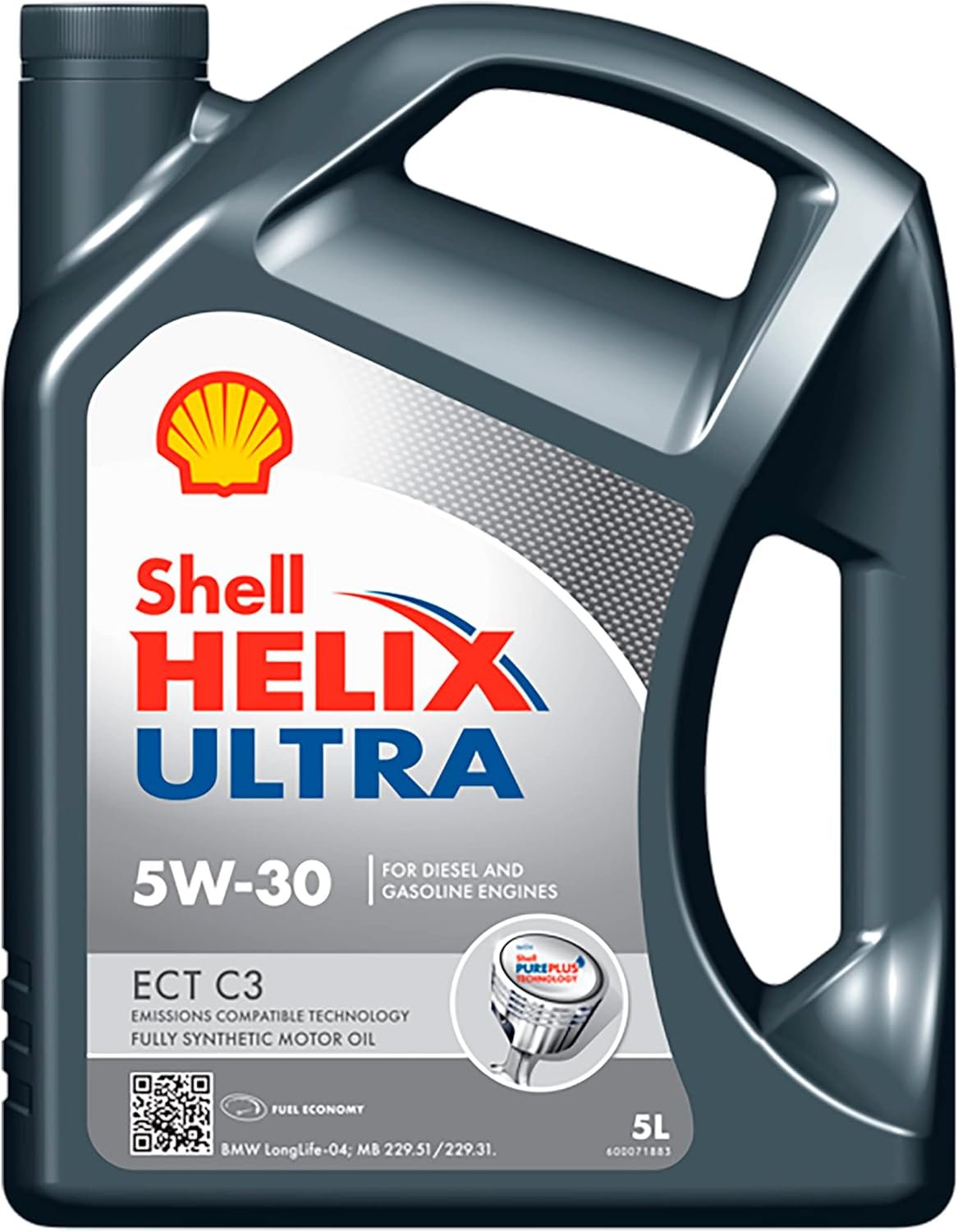
As an Amazon Associate, we may earn from qualifying purchases. This doesn't affect our recommendations — we only suggest oils that hold the exact OEM approval for your engine.
Best Engine Oil for Skoda Octavia 2nd Gen 1.9 TDI 105 hp (BXE)
The Skoda Octavia 2 with the 1.9 TDI 105 hp engine is one of the most utilitarian diesel packages ever sold in Europe. Loved by taxi fleets, private hire operators, and high-mileage commuters alike, the 1Z-generation Octavia earned its reputation the hard way: 300,000-mile examples are not unusual, and the 1.9 TDI has powered countless vehicles well past what most engines manage in two lifetimes. But that longevity is not accidental — it depends critically on using the correct engine oil. The BXE is a Pumpe-Düse (PD) unit, and PD technology places unique demands on lubrication that standard diesel oils cannot reliably meet.
Quick Answer: Recommended Oil
- Specification: VW 505 01, ACEA C3
- Recommended viscosity: 5W-30
- Alternative viscosity: 5W-40 (older vehicles or high-mileage engines)
- Oil capacity (without filter): 3.8 litres
- Oil capacity (with filter): 4.3 litres
The BXE 1.9 TDI PD Engine
The BXE is one of the final variants of Volkswagen Group’s legendary 1.9-litre four-cylinder diesel, sharing its block architecture with the BJB and BKC codes that preceded it. All three use the Pumpe-Düse (unit injector) system, where each cylinder has its own cam-driven high-pressure injector rather than a common rail supplying all four. This arrangement allowed injection pressures exceeding 2,000 bar — far ahead of common-rail systems at the time — delivering crisp throttle response and impressive fuel economy.
The BXE produces 105 hp (77 kW) and 250 Nm of torque, with a 1,896 cc displacement, 8-valve SOHC layout, and a single-mass or dual-mass flywheel depending on specification and market. It was fitted to the Octavia 1Z from 2004 until production ended, and also appeared in the Volkswagen Golf 5, Seat Leon Mk2, and Audi A3 8P during the same era.
The PD system is mechanically elegant but unforgiving. The unit injectors are driven directly off the camshaft via additional lobes, which means the camshaft bears significantly more load than in a conventional diesel. Lubrication quality is not a preference — it is a structural requirement for this engine.
Understanding VW 505 01 — and Why Not 504 00
Most modern VW Group diesel specifications centre on VW 504 00 / 507 00, but for the BXE, the correct norm is VW 505 01. The distinction matters.
VW 504 00 and 507 00 were introduced for vehicles equipped with diesel particulate filters (DPFs). Oils approved to these norms carry very low SAPS (sulphated ash, phosphorus, and sulphur) content — a design requirement to protect the DPF from clogging. The BXE engine in the Octavia 2 does not have a DPF in UK-market specification, which means you are not constrained by DPF-safe chemistry.
VW 505 01 was developed specifically for PD diesel engines. It contains higher levels of ZDDP (zinc dialkyldithiophosphate) and other anti-wear additives that the cam-driven unit injectors demand. Using a low-SAPS 504 00 / 507 00 oil in a PD engine starves the camshaft lobes and injector followers of adequate anti-wear protection — exactly the wrong trade-off in an engine where cam wear is already a documented failure mode.
The oil must meet ACEA C3 as a baseline quality standard, but the VW 505 01 approval is the primary filter when selecting a product. An oil labelled ACEA C3 alone without VW 505 01 approval may still fall short of the PD-specific requirements.
A 5W-30 viscosity is the factory recommendation and works well across UK operating temperatures. If the engine has accumulated significant mileage or shows any signs of increased oil consumption, a 5W-40 to the same specification provides marginally thicker film thickness at operating temperature and can help seal worn components slightly better.
Technical Specifications
| Parameter | Specification |
|---|---|
| Engine code | BXE |
| Displacement | 1,896 cc |
| Layout | Inline-4, SOHC, 8 valves |
| Fuel system | Pumpe-Düse (unit injectors) |
| Power output | 105 hp (77 kW) @ 4,000 rpm |
| Torque | 250 Nm @ 1,900 rpm |
| Compression ratio | 19.5:1 |
| Turbocharger | Single variable-geometry turbo |
| Oil capacity (dry) | 3.8 litres |
| Oil capacity (with filter) | 4.3 litres |
| Oil specification | VW 505 01 / ACEA C3 |
| Recommended viscosity | 5W-30 |
| Alternative viscosity | 5W-40 |
Oil Change Intervals
Volkswagen Group’s variable service interval (Longlife) can extend oil changes to 30,000 km in ideal conditions. For the BXE in everyday use, this is too long. The PD camshaft issue (see below) is made significantly worse by degraded oil, and British driving conditions — short urban trips, stop-start traffic, cold starts — acidify oil faster than motorway cruising.
A 10,000 km or annual change interval is strongly recommended for vehicles used as daily drivers. For taxis, private hire, or any vehicle covering over 20,000 miles per year, 10,000 km regardless of time elapsed is the right approach. Use a quality filter at each change — a blocked or slow-to-fill filter delays oil pressure build-up at start, which is precisely when cam lobe wear is highest.
Always check the oil level regularly between services. The BXE can consume small amounts of oil as it ages, and running below the minimum mark — even briefly — accelerates cam and follower wear.
Why Correct Oil Matters for the BXE
The Pumpe-Düse injection system places the unit injector followers in direct contact with dedicated lobes on the camshaft. Each injection event requires the cam lobe to push the injector plunger against pressures exceeding 2,000 bar. The forces involved are extraordinary for a passenger car engine, and the only thing standing between the cam lobe and accelerated wear is a thin film of engine oil.
An oil that lacks sufficient anti-wear additive chemistry — or one that has been left in the engine too long and has depleted its additive package — allows metal-to-metal contact between the cam lobe and follower. The damage accumulates quietly and is often not noticed until the engine begins to misfire or runs roughly on one cylinder as an injector follower collapses.
Using VW 505 01-approved oil from the first service and maintaining short change intervals is the single most effective measure against premature cam wear on the BXE.
Common BXE Problems Related to Oil
Camshaft and unit injector follower wear is the defining known issue of the PD 1.9 TDI family. The BXE shares this characteristic with the BJB and BKC codes. As the cam lobes that drive the injector followers wear down, injection quantity and timing become irregular, presenting as misfires, rough idle, increased smoke, and eventually a single-cylinder misfire code. In severe cases, a collapsed follower can damage the camshaft beyond serviceable limits. Correct oil chemistry and timely changes are the primary preventive measure.
EGR fouling is a chronic issue on all 1.9 TDI engines used in urban and short-trip conditions. The exhaust gas recirculation valve recirculates soot-laden gases back into the intake manifold; over time, oily carbon deposits accumulate in the intake tract and EGR valve, restricting airflow and causing sluggish performance, increased smoke, and poor fuel economy. While EGR fouling is not directly oil-related, oil quality affects how much blow-by enters the crankcase ventilation and deposits soot in the intake. Regular extended motorway runs help burn off deposits, and some owners choose to clean or blank the EGR periodically — a decision with MOT implications depending on emissions requirements.
Turbocharger failure is a secondary concern, typically on high-mileage examples where oil changes have been infrequent. The variable-geometry mechanism in the single turbo fitted to the BXE relies on clean oil for the actuator and bearing. Degraded or contaminated oil accelerates bearing wear and can cause the VGT vanes to stick, producing either a lack of boost or uncontrolled boost. Oil starvation following a prolonged service interval is the most common root cause.
Dual-mass flywheel (DMF) wear is not oil-related but deserves mention as a common BXE ownership cost. The DMF absorbs drivetrain vibration; when it wears, a distinctive rattling noise appears at idle and during gear changes. Replacement is the only cure, and it is often done alongside a clutch change at high mileage.
Conclusion
The Skoda Octavia 2 1.9 TDI BXE is a genuinely durable engine that rewards attentive maintenance. Using an oil approved to VW 505 01 and rated ACEA C3, in 5W-30 viscosity (or 5W-40 for higher-mileage engines), is non-negotiable for protecting the PD camshaft and injector followers. Fill to 4.3 litres with filter, change at 10,000 km or annually, and this engine will see off most of what gets thrown at it. The legends of 300,000-mile Octavias are not myths — they are the result of engines treated exactly as described here.
Our Top Picks
As an Amazon Associate, we may earn from qualifying purchases. This doesn't affect our recommendations — we only suggest oils that hold the exact OEM approval for your engine.