 Oil-
Oil-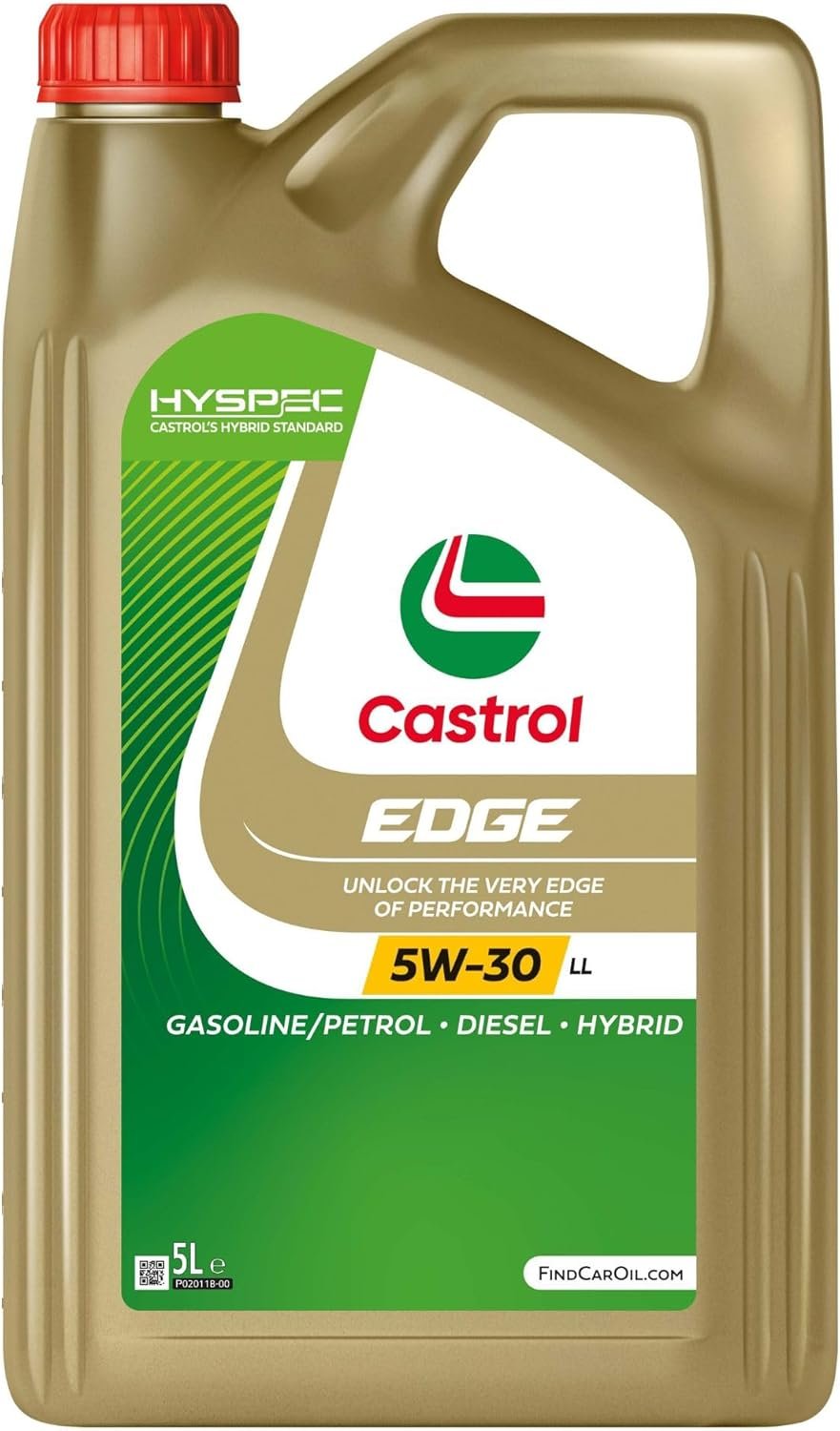
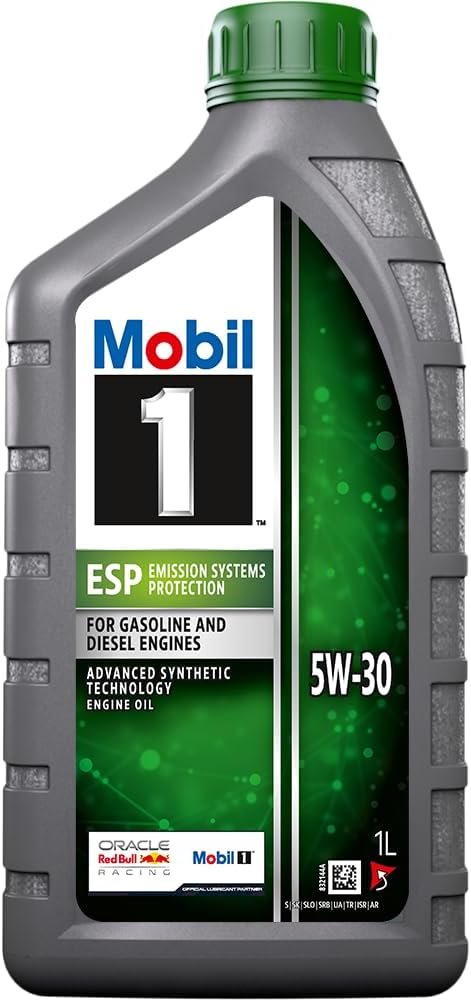
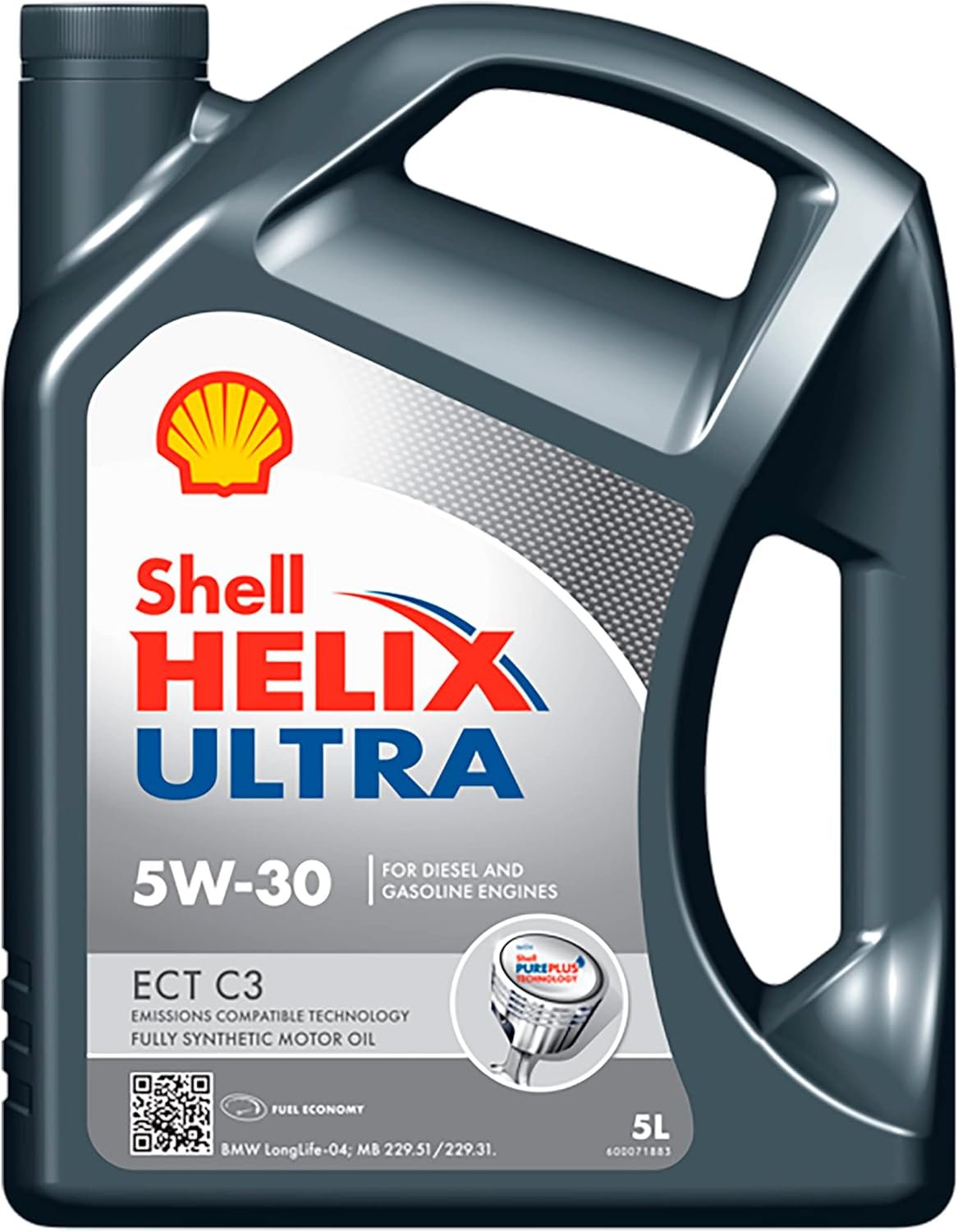
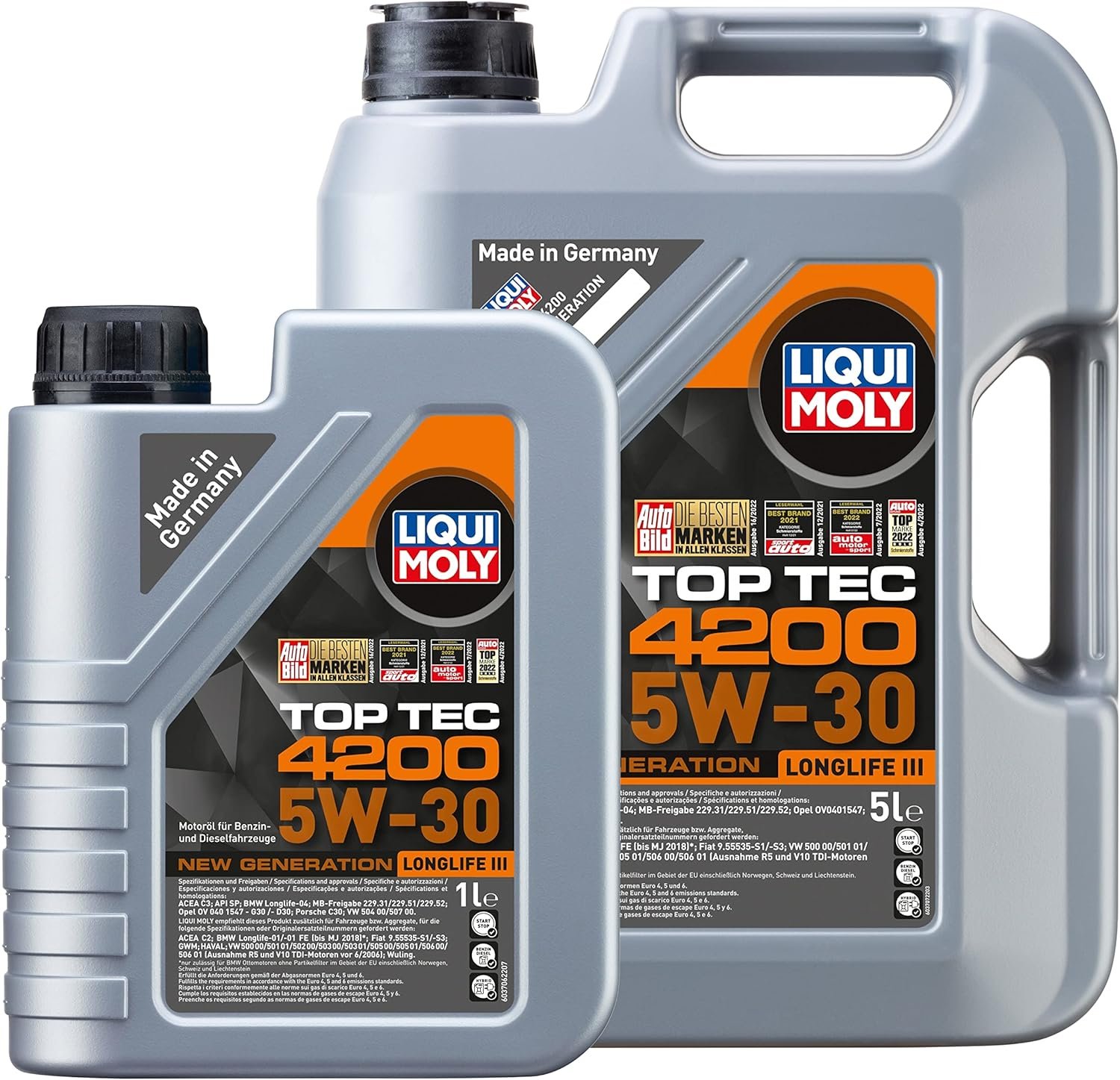
As an Amazon Associate, we may earn from qualifying purchases. This doesn't affect our recommendations — we only suggest oils that hold the exact OEM approval for your engine.
Best Engine Oil for Renault Clio 5 1.6 E-Tech Hybrid (145 hp)
The Renault Clio 5’s 1.6 E-Tech Hybrid is one of the more technically ambitious powertrains in the supermini segment. It pairs a naturally aspirated 1.6-litre petrol engine with a clutchless multi-mode gearbox, two electric motors, and a compact high-voltage battery — a system Renault openly acknowledges was influenced by its Formula 1 hybrid technology. The result is a smooth, efficient package that significantly reduces fuel consumption in urban driving, but it places demands on the engine oil that go well beyond what a conventional petrol engine requires.
Choosing the correct oil specification for this engine is not optional. The H4M 632 runs in Atkinson cycle mode under light loads, generates heat differently from a turbocharged engine, and operates in stop-start conditions far more frequently than a standard petrol unit. The wrong oil grade can accelerate wear on valve train components and compromise the precision of the hybrid system’s thermal management.
Quick Answer: Recommended Oil
- Primary specification: 5W-30, ACEA C3, Renault RN17 approved
- Alternative specification: 0W-20 (RN17 approved, low-friction variant for improved fuel economy)
- Oil capacity (drain and fill): 4.2 litres
- Oil capacity with filter replacement: 4.5 litres
- Change interval: 12 months or 18,000 km — whichever comes first under normal conditions; 12 months or 12,000 km under severe conditions
The H4M 632 Engine and E-Tech Hybrid Architecture
The H4M 632 is a 1,598 cc naturally aspirated four-cylinder petrol engine producing 91 hp on its own. Combined with the two electric motors — a 36 kW traction motor and a 15 kW high-voltage starter-generator — the system delivers a combined output of 145 hp and 205 Nm of torque.
What makes this powertrain genuinely unusual is its transmission. Rather than a conventional automatic or CVT, the E-Tech uses a four-speed clutchless dog-ring gearbox. This design, familiar from motorsport applications, uses toothed engagement rings instead of friction plates or a torque converter. The electric motors handle torque fill during gear changes, eliminating the need for a clutch. This reduces mechanical losses but also means the gearbox is intolerant of contaminated or degraded oil that could cause hesitation in engagement under cold conditions.
The H4M also operates in Atkinson cycle mode when conditions allow. In this mode, the intake valve closes later than in a conventional Otto cycle, reducing effective compression and improving thermal efficiency at light loads. The trade-off is that the engine produces less torque per litre, which is compensated by the electric motor. For the oil, this means the engine operates at lower combustion temperatures for longer periods, which can cause moisture to accumulate in the sump if the oil does not reach proper operating temperature — a concern that affects oil viscosity selection.
The 12V lithium-ion auxiliary battery works alongside the high-voltage system. The combustion engine restarts automatically and frequently, meaning the starter-generator components and crankshaft bearings see far more start cycles than in a conventional vehicle. This makes the detergent and anti-wear additive quality of the oil particularly important.
Understanding the RN17 Specification
Renault’s RN17 approval is the mandatory specification for E-Tech hybrid engines. It supersedes the older RN0710 norm used on previous generation Renault petrol engines and is specifically formulated for the requirements of hybrid operation.
RN17 oils must meet ACEA C3 performance criteria, which means they are mid-SAPS (sulphated ash, phosphorus, and sulphur) formulations. This matters for two reasons. First, the three-way catalytic converter on the Clio E-Tech is sized for a primarily electric-biased driving cycle and is sensitive to high-ash oil combustion by-products. Second, ACEA C3 oils maintain a stable viscosity film under the high-temperature conditions generated during extended petrol-only operation on motorways.
The RN17 specification also includes requirements for oxidation stability under hybrid-specific conditions. Because the combustion engine is frequently shut down while still warm, the oil must resist oxidation during thermal soak cycles — periods where the oil is hot but not circulating. Conventional ACEA A3/B4 oils are not formulated to this standard.
5W-30 versus 0W-20: Renault lists 0W-20 as a permissible alternative where fuel economy is the priority and ambient temperatures are moderate. The lower cold-flow viscosity (0W) means the oil reaches bearing surfaces faster at cold starts, reducing wear during the engine’s frequent restarts. However, the thinner film weight at operating temperature (20 vs 30) offers less protection under sustained high-load conditions. For UK drivers who regularly use motorways or tow, 5W-30 is the more conservative and broadly applicable choice.
Technical Specifications
| Parameter | Detail |
|---|---|
| Engine code | H4M 632 |
| Displacement | 1,598 cc |
| Configuration | Inline-four, naturally aspirated |
| Compression ratio | 12.0:1 (variable effective — Atkinson cycle) |
| Petrol engine output | 91 hp / 67 kW at 5,500 rpm |
| System output (combined) | 145 hp / 106 kW |
| System torque | 205 Nm |
| Traction motor | 36 kW permanent magnet |
| Starter-generator | 15 kW |
| High-voltage battery | 1.2 kWh lithium-ion |
| Transmission | 4-speed clutchless dog-ring gearbox |
| Oil capacity (without filter) | 4.2 litres |
| Oil capacity (with filter) | 4.5 litres |
| Recommended viscosity | 5W-30 (RN17, ACEA C3) |
| Alternative viscosity | 0W-20 (RN17, ACEA C3) |
Oil Change Intervals
Renault’s service schedule for the Clio E-Tech specifies an oil change every 18,000 km or 12 months under normal conditions. Under severe conditions — defined as frequent short journeys under 8 km, predominantly urban driving, or operation in very cold climates — the interval reduces to 12,000 km or 12 months.
For UK drivers, the 12-month calendar limit is the practical constraint for most users, regardless of mileage. The E-Tech’s stop-start operation, frequent cold starts, and Atkinson cycle running mean the oil accumulates moisture and combustion by-products faster than the mileage alone suggests. An oil that has been in service for 14 months but only covered 10,000 km is not in better condition than its mileage implies.
One practical consideration: because the combustion engine is often bypassed during low-speed electric-only driving, it is possible to cover significant urban mileage without the oil ever reaching full operating temperature. This is harder on the oil than equivalent mileage on a standard petrol engine. If your driving is predominantly short urban trips, treating the 12,000 km / 12-month interval as the appropriate target is advisable.
Why Correct Oil Matters for the E-Tech Hybrid
The H4M 632’s naturally aspirated design means it lacks the oil pressure demands of a turbocharged engine, but this should not be taken as an indicator that oil quality matters less. The opposite is true in several respects.
The dog-ring gearbox shares oil with its own circuit, and any cross-contamination or degradation of the engine oil circuit can introduce abrasive particles into a precision mechanical system that has no clutch to absorb engagement shock. The electric motors generate heat that is managed in part by the thermal mass of the engine oil system. Using an oil with poor thermal stability accelerates deposit formation on pistons and cylinder walls, reducing combustion efficiency and increasing the frequency of petrol engine operation — precisely the opposite of what a hybrid is designed to achieve.
The valve train on the H4M includes variable valve timing on the intake camshaft. This system relies on oil pressure and oil cleanliness to function accurately. Degraded or incorrect-grade oil reduces the responsiveness of the VVT actuator, causing the engine control unit to compensate with less efficient combustion maps.
Common E-Tech Engine and Gearbox Issues
Owner and forum reports highlight a handful of recurring issues with the Clio E-Tech system that are relevant to oil maintenance.
The clutchless dog-ring gearbox has been associated with hesitation or jerkiness during transitions between electric and petrol power, particularly at low temperatures. In many cases this has been traced to software calibration rather than mechanical failure, and Renault has issued updates to address it. However, using an incorrect or degraded oil that increases viscosity at low temperatures can exacerbate the symptom independently of the software calibration.
Gearbox oil leaking into the electric motor housing has been reported on a small number of vehicles, causing the motor to overheat and trigger warning lights. This is a sealing issue rather than an oil specification issue, but it underscores the importance of not overfilling the engine oil — the dipstick maximum mark exists for a reason, and overfilling can pressurise seals.
Rapid 12V auxiliary battery discharge has been noted by some owners. While this is primarily an electrical system issue, it can manifest as difficult cold starts if the 12V system is weak and the starter-generator is required to bring the petrol engine on quickly. Maintaining fresh, correctly-specified oil reduces the cranking resistance at cold start and reduces the load on the electrical starting system.
Electric motor failures, while not widespread, have been reported on a small number of 2024-model vehicles and have sometimes required multiple dealer visits to resolve. There is no established link between oil specification and this issue, but keeping the engine operating efficiently reduces thermal stress on all hybrid components.
Conclusion
The Renault Clio 5 1.6 E-Tech Hybrid requires an RN17-approved, ACEA C3, 5W-30 oil — no substitutions. The H4M 632’s Atkinson cycle operation, frequent restart cycles, and integration with a precision clutchless gearbox make oil quality and specification more critical than the naturally aspirated displacement might suggest. Fill to 4.5 litres with a new filter, and adhere to the 12-month calendar interval regardless of mileage if your driving is primarily urban. The hybrid system is designed to run clean and efficient; the right oil is what makes that possible over the long term.
Our Top Picks
As an Amazon Associate, we may earn from qualifying purchases. This doesn't affect our recommendations — we only suggest oils that hold the exact OEM approval for your engine.