 Oil-
Oil-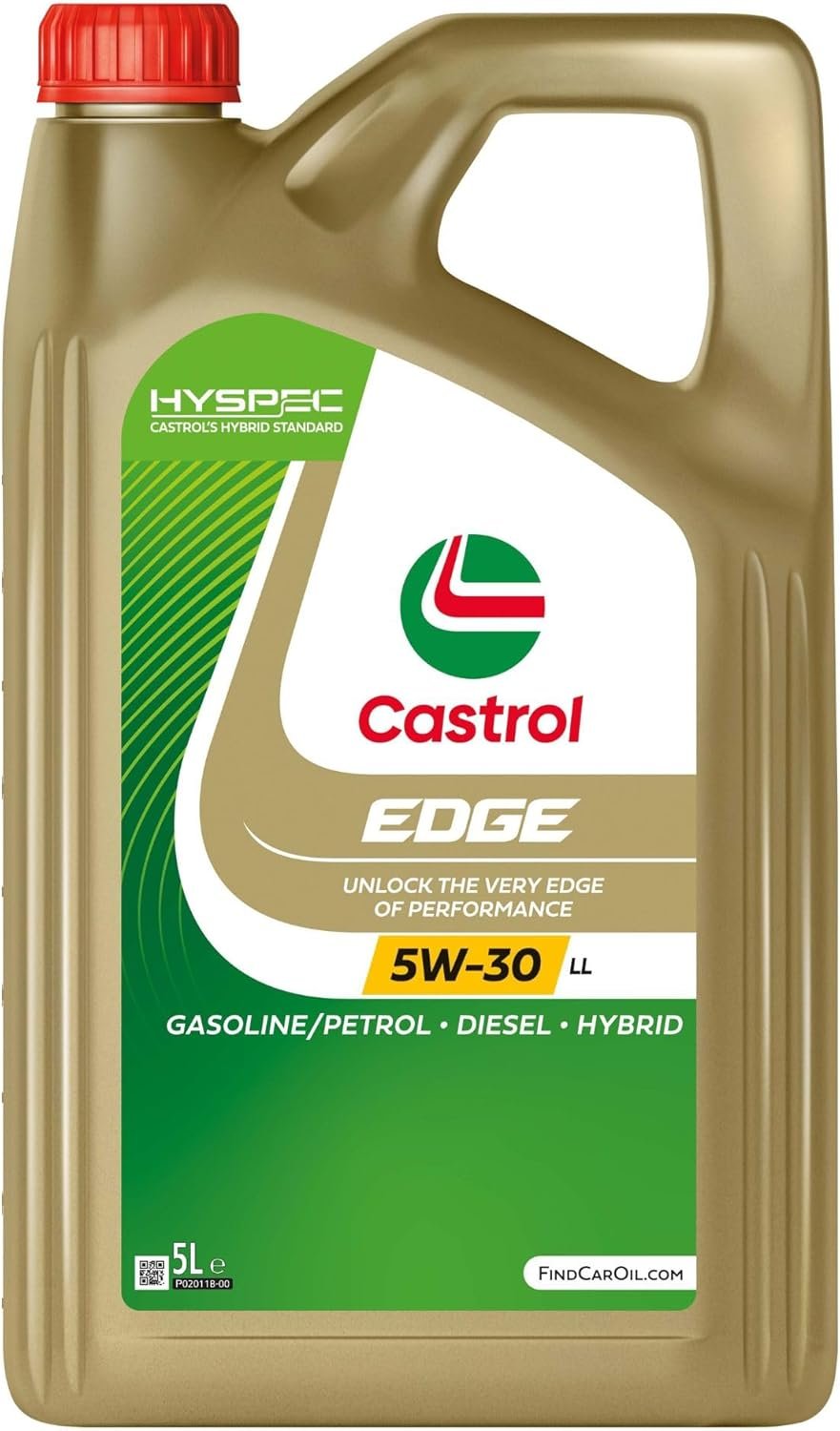
As an Amazon Associate, we may earn from qualifying purchases. This doesn't affect our recommendations — we only suggest oils that hold the exact OEM approval for your engine.
Best Engine Oil for Renault Clio 5 1.0 TCe (90/100 HP)
The fifth-generation Renault Clio, launched in 2019 on the CMF-B platform, uses the H4D three-cylinder turbocharged petrol engine as its core powertrain. Available in 90 HP (H4D 470) and 100 HP (H4D 480) variants, this 999cc unit is a product of the Renault-Nissan-Mitsubishi Alliance and represents a simpler, more robust approach to small-capacity turbo power than some of its rivals. Crucially, the H4D uses a timing chain rather than a belt, sidestepping the catastrophic wet belt failures that have plagued PSA’s competing PureTech engine. That said, the chain design introduces its own maintenance demands, and oil quality is the primary factor that determines whether it remains quiet and correctly tensioned for the life of the engine. This guide covers the correct oil specification, why RN17 approval matters, and how to keep the H4D running reliably across six-figure mileages.
Quick Answer: Recommended Oil
For Renault Clio 5 1.0 TCe (90/100 HP):
- Recommended viscosity: SAE 5W-30 (alternative: 0W-30)
- Oil capacity: 4.3 litres with filter (4.0 L without)
- Required norms: ACEA C3, Renault RN17
Key point: RN17 is Renault’s current engine oil specification, replacing the older RN0700 and RN0710 norms. It requires ACEA C3 performance with a carefully balanced additive package suited to turbocharged direct-injection petrol engines. Using an oil that only meets older Renault norms or a generic ACEA C3 without RN17 approval is acceptable in an emergency but not recommended for regular use. The timing chain’s longevity depends directly on oil quality and change discipline.
The H4D Engine: Simple Turbo Done Right
The H4D is a 999cc inline three-cylinder with an aluminium block and head, a single turbocharger, multipoint fuel injection on the 90 HP variant and direct injection on the 100 HP variant, and dual variable valve timing. It belongs to the Alliance’s HR engine family in its broadest sense, sharing design philosophy with the HR10DDT and HR13DDT units found in the Nissan Juke and Qashqai, though the H4D is a distinct design tailored for the Clio’s position as Renault’s volume supermini.
Peak power is 90 HP at 5,000 RPM for the H4D 470 and 100 HP at 5,000 RPM for the H4D 480, with maximum torque of 160 Nm and 170 Nm respectively from 2,750 RPM. These are modest figures, but the Clio 5 is a light car, and the H4D delivers its torque smoothly enough that the car feels brisk in daily driving without demanding constant gear changes. Fuel economy of 50-55 MPG on a mixed cycle is realistic, and the engine meets Euro 6d emissions standards without the complexity of a gasoline particulate filter on most variants.
The defining engineering decision is the timing chain. Where PSA chose a wet timing belt for the PureTech and Ford opted for a similar belt-in-oil design for the 1.0 EcoBoost, Renault fitted a conventional roller chain driven from the crankshaft. This eliminates the risk of belt degradation in contaminated oil and removes the need for a costly belt replacement at 60,000-80,000 miles. The trade-off is that a chain is noisier than a belt at cold start, marginally heavier, and entirely dependent on oil pressure and oil quality for its tensioner to function correctly. A chain does not snap without warning like a belt; it stretches gradually, giving audible warnings long before catastrophic failure. This is a meaningful reliability advantage, provided the warnings are not ignored.
Known Issues and Why Oil Quality Matters
Timing Chain Stretch and Rattle
The H4D’s timing chain is a fine-pitch design optimised for compactness and low noise. The downside of a thinner chain is that it is less tolerant of wear than the heavier-duty chains found in larger engines. Owners and specialists report that late oil changes are the single most common cause of premature chain wear on the H4D. The chain pins and rollers rely on the oil’s anti-wear additives to prevent metal-to-metal contact at every link articulation, thousands of times per minute. When those additives are depleted through age, heat, or contamination, chain wear accelerates dramatically.
The first symptom is a distinctive rattle on cold start, lasting a few seconds before oil pressure reaches the hydraulic chain tensioner. This rattle indicates that the tensioner is taking up more slack than it was designed for, meaning the chain has stretched beyond its normal tolerance. At this stage, the chain and tensioner should be replaced promptly. Ignoring the rattle risks the chain skipping a tooth on the sprocket, which will bend valves and destroy the engine.
Prevention is straightforward: change the oil on time, every time, using an oil that meets RN17 with its full anti-wear additive package. Engines serviced at 10,000-mile intervals with quality oil rarely develop chain problems inside 120,000 miles.
Crankshaft Seal Oil Leaks
At higher mileages, typically above 80,000-100,000 miles, the front and rear crankshaft seals on the H4D can begin to weep oil. This is a common characteristic of small three-cylinder engines, where the inherent imbalance of a three-cylinder firing order creates greater torsional vibration at the crankshaft ends than a four-cylinder engine produces. Over time, this vibration hardens and degrades the seal lip material.
A minor weep at the front crank seal is cosmetic and can be monitored. A significant leak at the rear main seal is more serious, as it can contaminate the clutch on manual gearbox variants and will steadily lower the sump oil level. Oil quality does not directly cause seal failure, but running low on oil because a slow leak has gone unnoticed accelerates every other wear mechanism in the engine. Check the dipstick regularly and inspect under the car for fresh oil spots.
Oil Consumption Under Load
Like most small-displacement turbocharged three-cylinders, the H4D can consume oil at a higher rate than owners of naturally aspirated four-cylinder engines might expect. Renault considers consumption of up to 0.5 litres per 1,000 miles to be within normal parameters under sustained high-load driving. In practice, most H4D engines in normal use consume significantly less than this, but owners who regularly drive at motorway speeds with a loaded car, or who use the engine hard in hilly terrain, should expect to top up between services.
The 4.3-litre sump capacity provides a reasonable buffer, but it remains essential to check the level monthly and top up with the same specification oil. Mixing RN17-approved 5W-30 with a random 10W-40 from a petrol station forecourt undermines the carefully balanced additive chemistry that the engine requires.
Software-Related Power Loss (Early Production)
Some early H4D engines, particularly those fitted to 2019 model year Clio 5 and Captur 2 vehicles, exhibited an intermittent power loss issue where the engine would drop into a reduced-power limp mode without an obvious mechanical cause. Renault traced this to a calibration error in the engine management software and released an ECU update that resolved the problem. If you are buying a used Clio 5 from 2019, verify with the dealer or through the Renault service history that this update has been applied. The issue is not oil-related, but it is worth mentioning because it can be confused with mechanical problems that prompt unnecessary investigation and expense.
Technical Specifications: 1.0 TCe (H4D 470 / H4D 480)
| Specification | Value |
|---|---|
| Displacement | 999cc (1.0 litre) |
| Layout | Inline-3, transverse, aluminium block and head |
| Valvetrain | DOHC, 12 valves, timing chain |
| Turbocharger | Single scroll |
| Power | 90 HP (H4D 470) / 100 HP (H4D 480) @ 5,000 RPM |
| Torque | 160 Nm (90 HP) / 170 Nm (100 HP) @ 2,750 RPM |
| Fuel Type | Petrol, 95 RON minimum |
| Recommended Viscosity | SAE 5W-30 (alternative 0W-30) |
| Oil Capacity (without filter) | 4.0 litres |
| Oil Capacity (with filter) | 4.3 litres |
| ACEA Norm | C3 |
| OEM Norm | Renault RN17 |
Best Value: Total Quartz INEO MC3 5W-30 TotalEnergies’ MC3 formulation delivers full ACEA C3 protection at the most competitive price on this list. The synthetic base stock provides good thermal stability and oxidation resistance, while the balanced additive package meets the anti-wear and detergent requirements of the H4D’s timing chain and turbo system. At £30-35 for 5 litres, it is the ideal choice for owners committed to shorter change intervals, where frequent oil renewal matters more than absolute peak per-fill performance. If you change at 8,000-10,000 miles rather than stretching to the maximum interval, the Quartz INEO MC3 delivers excellent protection per pound spent.
Oil Change Intervals
Renault Official Recommendation:
- Standard service: 18,000 miles or 24 months (variable service indicator)
Recommended Practice: 10,000 miles or 12 months, whichever comes first.
Renault’s official 18,000-mile or two-year interval is calibrated for warranty cost management and headline service affordability, not for maximum engine longevity. The H4D is a turbocharged engine with a small sump relative to its thermal loading, and the oil degrades measurably over intervals this long. By 18,000 miles in typical British mixed driving, the anti-wear additives protecting the timing chain are substantially depleted, the detergents managing combustion byproducts are exhausted, and fuel dilution from cold starts has thinned the oil beyond its intended viscosity range.
Consider 7,000-8,000 mile intervals if:
- Predominantly short urban journeys under 10 miles
- Frequent cold starts without the engine reaching full operating temperature
- Regular stop-start traffic driving in congested areas
- Vehicle used for delivery work or frequent short trips throughout the day
- Any cold-start rattle from the timing chain area, however brief
- Oil level drops noticeably between services
- Previous service history is unknown or unreliable
Check the dipstick monthly. The H4D’s 4.3-litre capacity is adequate but not generous for a turbo engine that may consume oil under load. Catching a dropping level early and topping up with the correct specification oil is far cheaper than addressing the consequences of running low.
Timing Chain vs Wet Timing Belt: A Genuine Advantage
Owners cross-shopping the Clio 5 against the Peugeot 208 or Vauxhall Corsa F should understand that the H4D’s timing chain fundamentally changes the risk profile of the engine. The PureTech 1.2 in the 208 and Corsa uses a wet timing belt that degrades in contaminated or incorrect oil and has generated widespread reports of premature failure, prompting Stellantis to launch a compensation programme. The H4D’s chain does not degrade in oil; it wears mechanically, and it wears slowly when properly lubricated.
This does not mean the chain is maintenance-free. It means the failure mode is gradual and audible rather than sudden and catastrophic. A PureTech belt can fail without warning at 40,000 miles if the wrong oil was used. An H4D chain will rattle at cold start for weeks or months before it becomes dangerous, giving the owner clear notice to act. Combined with the absence of a scheduled belt replacement at 60,000-80,000 miles (saving £400-600), the timing chain gives the Clio 5 a meaningful ownership cost and reliability advantage in this segment.
Conclusion
The Renault Clio 5 1.0 TCe requires SAE 5W-30 engine oil meeting ACEA C3 and Renault RN17, with a capacity of 4.3 litres including the filter. The H4D is a straightforward, well-engineered small turbo three-cylinder that avoids the worst design risks of its competitors. The timing chain is a genuine strength, but it demands quality oil changed at sensible intervals to deliver on its promise of long-term reliability.
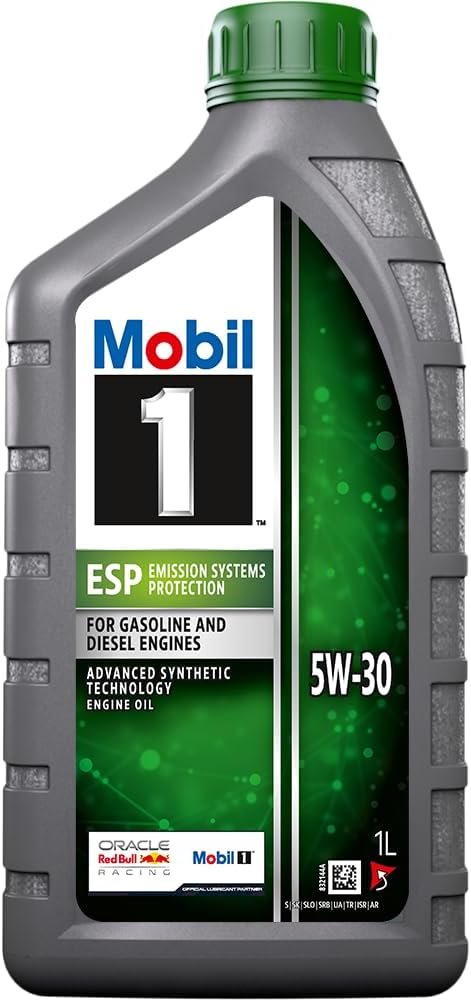
Elf Evolution 900 NF 5W-40 at £30-35 for 5 litres is the natural OEM choice, backed by Renault’s own factory-fill pedigree. Mobil 1 ESP 5W-30 offers premium thermal stability for high-mileage drivers, Castrol EDGE 5W-30 LL provides strong film strength at a moderate premium, and Total Quartz INEO MC3 5W-30 delivers dependable ACEA C3 protection at the lowest cost. Whichever you choose, change it at 10,000 miles or sooner, check the dipstick monthly, and listen for any cold-start rattle from the timing chain. The H4D rewards attentive maintenance with reliable, efficient performance that should comfortably outlast the car around it.
Our Top Picks
As an Amazon Associate, we may earn from qualifying purchases. This doesn't affect our recommendations — we only suggest oils that hold the exact OEM approval for your engine.