 Oil-
Oil-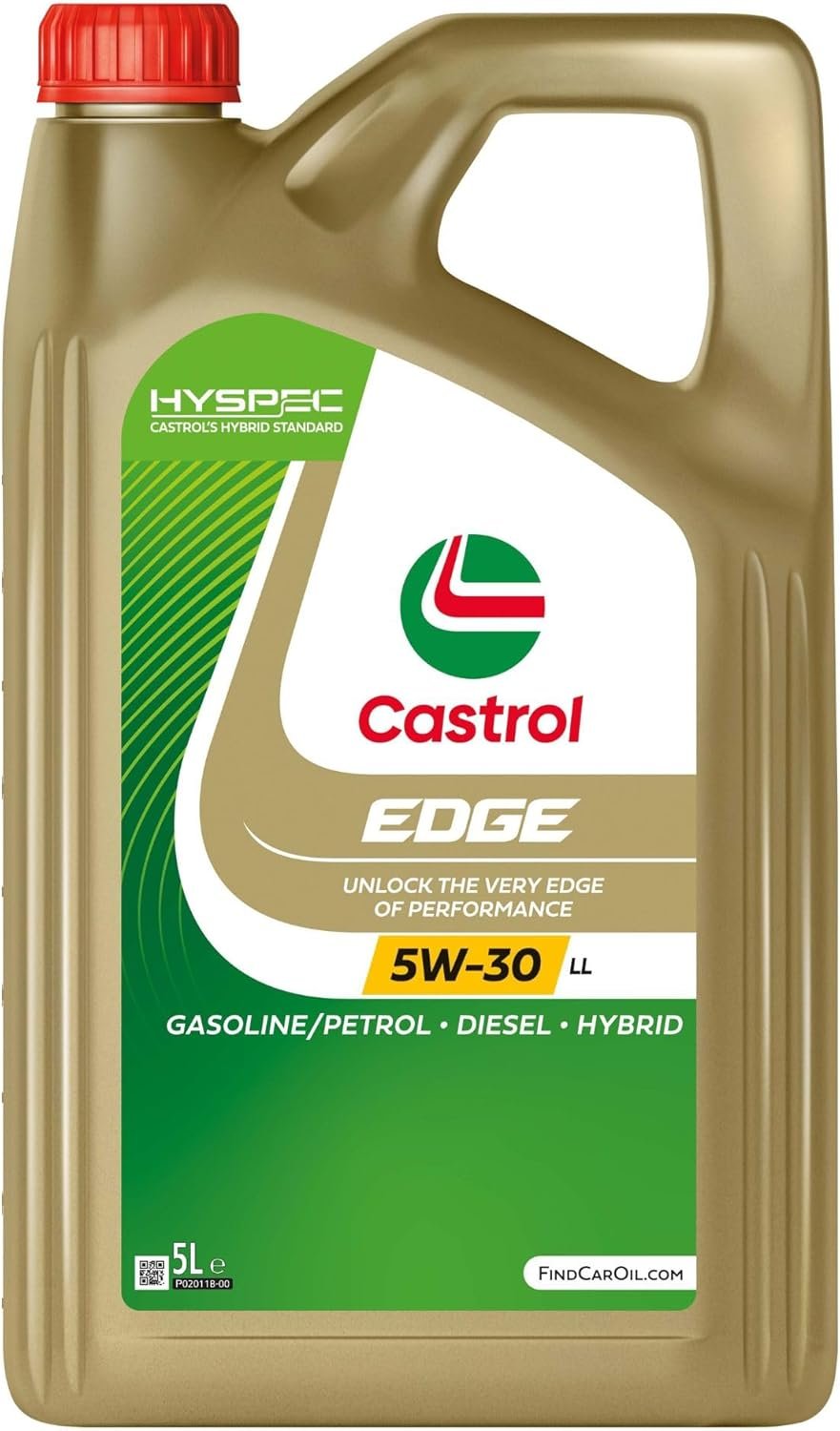
As an Amazon Associate, we may earn from qualifying purchases. This doesn't affect our recommendations — we only suggest oils that hold the exact OEM approval for your engine.
Best Engine Oil for Nissan Qashqai J11 1.2 DIG-T (115 HP)
The Nissan Qashqai J11, produced from 2014 to 2021, is one of Europe’s best-selling crossovers. The 1.2 DIG-T petrol variant, powered by the HRA2DDT turbocharged four-cylinder producing 115 HP, offered a lighter alternative to the diesel-dominated lineup. It is also an engine with a serious reliability problem: premature timing chain failure. Nissan acknowledged the defect in late 2018 and issued a recall, but thousands of owners had already experienced catastrophic engine damage at mileages as low as 30,000 miles. Understanding this engine’s vulnerabilities and choosing the correct oil is essential to avoiding a repair bill that can exceed the value of the car.
Quick Answer: Recommended Oil
For Nissan Qashqai J11 1.2 DIG-T (115 HP):
- Recommended viscosity: SAE 5W-30
- Oil capacity: 4.6 litres with filter (4.3 L without)
- Required norm: ACEA C3
Key warning: The HRA2DDT is behind one of Nissan’s most significant UK reliability crises. Timing chain stretch, oil consumption, and carbon buildup are interconnected issues where oil quality and change frequency are the primary owner-controllable defence. Never use anything less than a fully synthetic ACEA C3 5W-30, and never stretch intervals to the manufacturer maximum.
The HRA2DDT Engine: Alliance Engineering With a Fatal Flaw
The HRA2DDT is a 1,197cc inline four-cylinder turbocharged engine developed within the Renault-Nissan Alliance. It shares its architecture with the Renault 1.2 TCe (H5Ft) found in the Clio, Captur, and Megane, and the Nissan version used in the Juke F15. The design features an aluminium block and head, direct fuel injection operating at pressures up to 200 bar, a single turbocharger with wastegate, and dual variable valve timing.
The specifications are modest: 115 HP at 4,500 RPM and 190 Nm of torque from 2,000 RPM, paired with either a six-speed manual or Nissan’s Xtronic CVT. Performance is adequate rather than exciting, with fuel economy of 45-50 mpg the primary selling point. The problem lies in the timing chain system. The HRA2DDT uses a simplex (single-row) timing chain with a hydraulic tensioner that relies on engine oil pressure to maintain correct tension. When the oil degrades, loses viscosity, or drops in level, the tensioner cannot compensate, and the chain stretches progressively until it skips teeth and causes valve-to-piston contact.
The Timing Chain Crisis: What Happened
The timing chain problem became a major issue across Europe from approximately 2016, affecting engines manufactured between 2014 and early 2018. Owners reported rattling on cold start, rough idle, loss of power, and engine warning lights — often at just 30,000 to 50,000 miles. In the worst cases, the chain skipped timing, destroying valves and pistons and requiring complete engine replacement.
Nissan acknowledged the defect in late 2018 and issued a recall. The root cause was a combination of factors: the simplex chain design was marginal for the application, the tensioner could not compensate once elongation exceeded a threshold, and oil quality had a direct, measurable effect on the rate of chain wear.
Oil consumption was a key accelerating factor. The HRA2DDT consumes oil at a higher rate than many owners expect, with 0.5 to 1.0 litre per 1,000 miles considered within Nissan’s tolerance. As the level drops, the remaining oil degrades faster, the hydraulic tensioner loses pressure, and soot from direct injection clogs piston rings — further increasing consumption in a destructive feedback loop.
The cost of timing chain and tensioner replacement is approximately £1,250 at an independent specialist, rising to £1,800 or more at a Nissan dealer. Full engine replacement can reach £3,000-5,000 — often exceeding the value of a high-mileage J11. Post-recall, Nissan fitted revised chain components, but the fundamental architecture remains the same: this engine needs meticulous oil maintenance to survive.
Understanding ACEA C3 and Why It Matters Here
ACEA C3 is a European oil classification requiring a fully synthetic base stock with strong high-temperature stability, oxidation resistance, and anti-wear protection. For the HRA2DDT, C3 addresses several critical needs.
The timing chain and tensioner require robust ZDDP (zinc dialkyldithiophosphate) anti-wear additives throughout the oil change interval. ACEA C3 mandates the levels needed to protect the chain drive’s metal-to-metal contact surfaces. The turbocharger’s centre bearing, running at extreme temperatures, relies on C3-rated oil to resist thermal breakdown and coking in the turbo feed passages. And the direct injection system’s tendency to produce carbon buildup on intake valves is partially mitigated by the lower volatility of fully synthetic C3 oils, which produce fewer crankcase vapours to bake onto valve surfaces.
Technical Specifications: 1.2 DIG-T (HRA2DDT)
| Specification | Value |
|---|---|
| Displacement | 1,197cc (1.2 litre) |
| Layout | Inline-4, transverse, aluminium block and head |
| Valvetrain | DOHC, 16 valves, simplex timing chain |
| Turbocharger | Single wastegate turbo |
| Bore x Stroke | 72.2 mm x 73.1 mm |
| Compression Ratio | 10.0:1 |
| Power | 115 HP @ 4,500 RPM |
| Torque | 190 Nm @ 2,000 RPM |
| Fuel Type | Petrol, 95 RON minimum |
| Recommended Viscosity | SAE 5W-30 |
| Oil Capacity (without filter) | 4.3 litres |
| Oil Capacity (with filter) | 4.6 litres |
| ACEA Norm | C3 |
Best Value: Total Quartz INEO MC3 5W-30 Full ACEA C3 protection at a meaningful discount. At £30-35 for 5 litres, the lower cost makes it easier to justify the shortened change intervals this engine genuinely requires. For owners committed to 6,000-8,000 mile changes — the single best thing you can do for HRA2DDT longevity — the savings per fill add up significantly over a year.
Oil Change Intervals
Nissan Official Recommendation:
- Standard service: 18,000 miles or 12 months (variable service indicator)
Recommended Practice: 6,000-8,000 miles or 12 months, whichever comes first.
Nissan’s 18,000-mile interval is dangerously long for this engine. The timing chain crisis was directly exacerbated by owners following extended service schedules. Specialists who rebuild HRA2DDT engines universally recommend halving the official interval at minimum.
Consider 5,000-mile intervals if:
- Any history of timing chain noise or rattle on cold start
- Oil consumption exceeds 0.5 litres per 1,000 miles
- Predominantly short urban journeys
- The vehicle has the CVT gearbox (higher sustained loads)
- The engine has not yet had the recall chain replacement
Check the dipstick fortnightly. The HRA2DDT’s oil consumption tendency means running low is a real risk. Low oil directly undermines the hydraulic chain tensioner’s ability to maintain timing. Keeping the level at the maximum mark is more important on this engine than on almost any other crossover.
Common HRA2DDT Problems Related to Oil
Timing Chain Stretch and Failure
The defining issue. Soot from direct injection, combined with degraded oil, accelerates chain pin and roller wear. The simplex chain elongates, the tensioner runs out of travel, and the chain rattles on cold start. If ignored, the chain skips teeth and the engine is destroyed. Fresh ACEA C3 oil changed at short intervals is the single most effective preventive measure.
Oil Consumption and Piston Ring Coking
Carbon from direct injection combustion accumulates in the piston ring grooves, reducing their ability to seal against the cylinder walls. Oil passes into the combustion chamber, creating a vicious cycle: more consumption degrades the remaining oil faster, producing more carbon, clogging the rings further. High-quality synthetic oil with strong detergent additives slows this process by keeping byproducts in suspension.
Carbon Buildup on Intake Valves
Like all DI petrol engines, the HRA2DDT suffers from carbon deposits on intake valve backs, where no fuel wash occurs. Oil vapour from the crankcase ventilation system bakes onto the hot valve surfaces, causing rough idle, hesitation, and declining performance. Lower-volatility fully synthetic oils produce fewer crankcase vapours, marginally reducing accumulation.
Conclusion
The Nissan Qashqai J11 1.2 DIG-T requires SAE 5W-30 engine oil meeting ACEA C3, with a capacity of 4.6 litres including the filter. The HRA2DDT is an engine defined by its timing chain vulnerability — a problem Nissan acknowledged with a recall but which remains a live risk for every example still on the road. Oil quality and change frequency are not optional extras but fundamental survival factors.
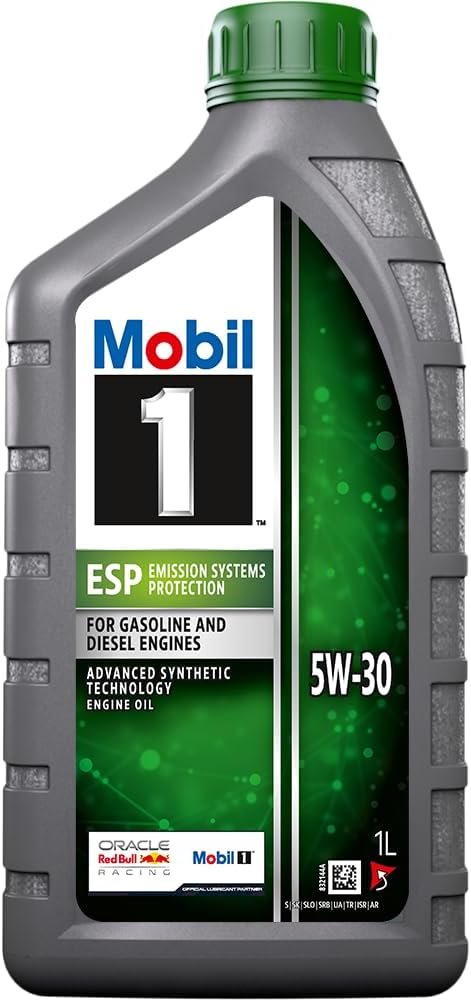
Castrol EDGE 5W-30 LL at £36-42 is a strong default, Mobil 1 ESP 5W-30 offers maximum thermal stability, and Total Quartz INEO MC3 5W-30 at £30-35 makes frequent changes affordable. Change every 6,000-8,000 miles regardless of the service indicator, check the level fortnightly, and never let it drop. The £35-45 spent on quality oil every six months is trivial compared to the £1,250 chain replacement — or the £3,000-5,000 engine replacement — that neglected maintenance will demand.
Our Top Picks
As an Amazon Associate, we may earn from qualifying purchases. This doesn't affect our recommendations — we only suggest oils that hold the exact OEM approval for your engine.