 Oil-
Oil-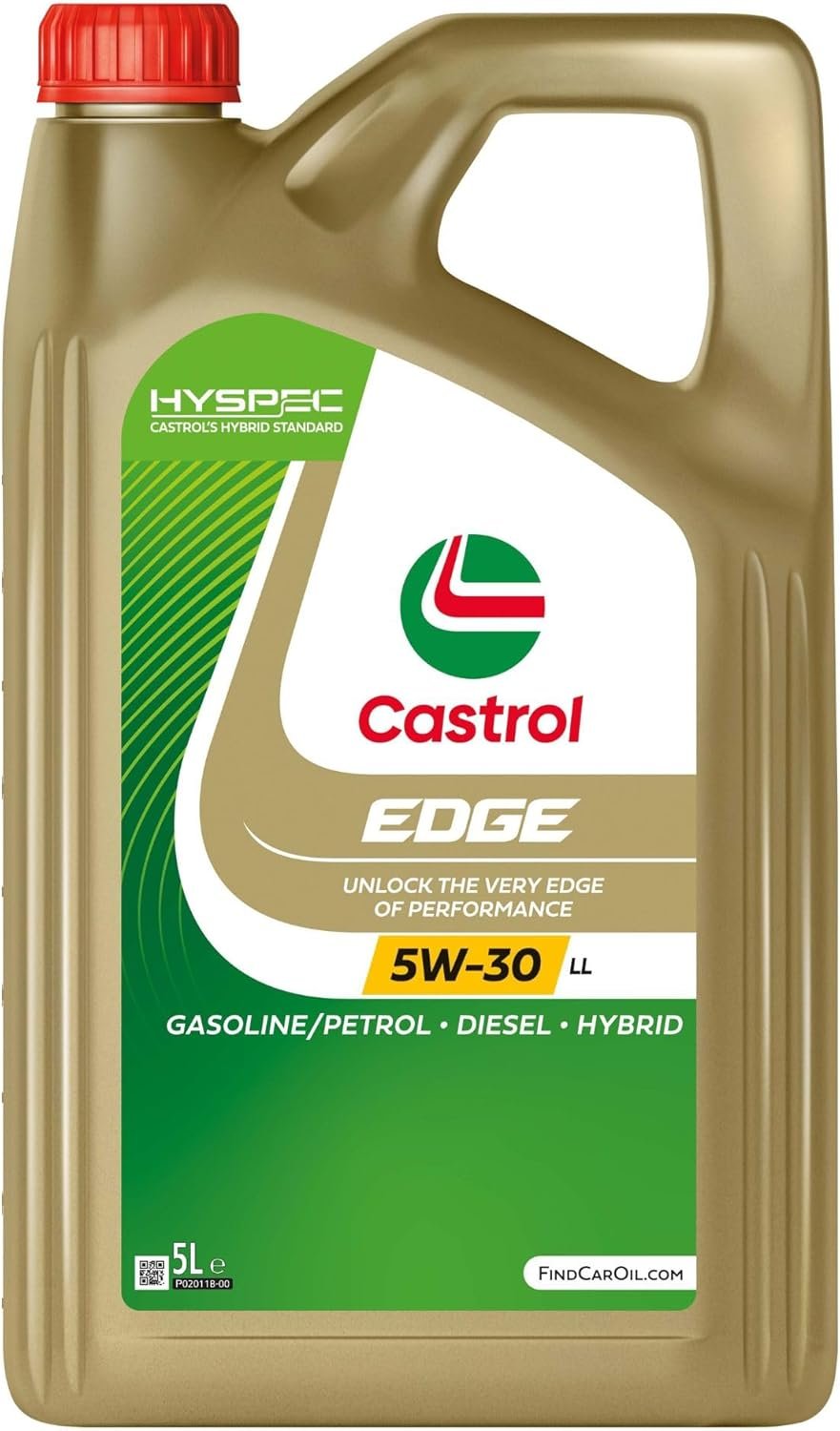
As an Amazon Associate, we may earn from qualifying purchases. This doesn't affect our recommendations — we only suggest oils that hold the exact OEM approval for your engine.
Best Engine Oil for Nissan Juke F16 1.0 DIG-T (114 HP)
The second-generation Nissan Juke, codenamed F16 and on sale since 2019, swapped its predecessor’s characterful but thirsty 1.6 turbo for a much smaller engine: the HR10DDT, a 999cc three-cylinder turbocharged unit producing 114 HP. Born from the Renault-Nissan Alliance and sharing its fundamental architecture with the larger HR13DDT found in the Qashqai, this tiny turbo engine delivers respectable performance and genuinely good fuel economy in a compact crossover package. It is also an engine where oil selection and change discipline directly determine turbo longevity, injector health, and long-term reliability. This guide explains the correct oil specification, why ACEA C3 matters for this direct-injection turbo three-cylinder, and how to avoid the common failures that are beginning to emerge as early F16 Jukes accumulate mileage.
Quick Answer: Recommended Oil
For Nissan Juke F16 1.0 DIG-T (114 HP):
- Recommended viscosity: SAE 5W-30
- Oil capacity: 4.1 litres with filter (3.8 L without)
- Required norm: ACEA C3
Key point: The HR10DDT is a small-displacement turbo engine with direct injection and a start-stop system. It requires a robust 5W-30 oil meeting ACEA C3 to cope with turbo bearing heat, fuel dilution from direct injection, and frequent thermal cycling. Using a lower-specification oil or stretching change intervals beyond sensible limits is the fastest route to turbo failure and carbon-related problems.
The HR10DDT: Alliance Engineering in Miniature
The HR10DDT is a 999cc inline three-cylinder with an aluminium block and head, a single twin-scroll turbocharger, direct fuel injection, and dual variable valve timing. It sits within the Renault-Nissan Alliance HR engine family, sharing design philosophy and many components with the HR13DDT 1.3 turbo used across the Qashqai, Renault Captur, and Mercedes A-Class. Where the HR13DDT uses four cylinders, the HR10DDT manages the same tricks with three: high-pressure direct injection for precise fuel metering, a turbocharger sized to minimise lag from the tiny displacement, and an integrated exhaust manifold in the cylinder head for faster catalyst light-off and reduced emissions.
The result is an engine that produces 114 HP at 5,250 RPM and 200 Nm of torque from 2,000 RPM, paired with either a six-speed manual or seven-speed dual-clutch automatic gearbox. On paper it moves the Juke F16 adequately rather than enthusiastically, but the real-world flexibility is better than the modest power figure suggests. The turbo fills in the torque curve early, and the light kerb weight of the F16 platform means the engine rarely feels strained on motorways or A-roads.
However, extracting reliable performance from less than one litre of displacement places enormous thermal and mechanical stress on the components. The turbocharger spins at extremely high speeds to generate meaningful boost from such a small swept volume, and the direct injection system operates at pressures that would have been reserved for diesel engines a generation ago. Every component runs closer to its design limits than in a larger, less stressed engine. This is precisely why oil quality is not a minor consideration but a primary reliability factor.
Known Issues and Why Oil Matters
Turbo Lag and Turbocharger Failure
Owners commonly report noticeable turbo lag from standstill, which is inherent to a sub-litre engine trying to push a crossover-sized body. More concerning are the early reports of turbocharger failure on higher-mileage examples. The turbo bearing relies entirely on the engine oil for both lubrication and cooling. When the engine is switched off after hard driving, oil flow to the turbo ceases, and residual heat can carbonise any oil remaining in the bearing housing. This coking effect is cumulative and eventually restricts oil flow to the bearing, causing progressive wear and ultimately shaft failure.
A high-quality synthetic 5W-30 meeting ACEA C3 resists thermal coking far better than a mineral or semi-synthetic alternative. The C3 specification demands strong high-temperature oxidation stability, which directly translates to fewer carbon deposits in the turbo bearing housing. After extended motorway driving or spirited use, allowing the engine to idle for 30 to 60 seconds before switching off gives the oil time to carry heat away from the turbo. The start-stop system should be temporarily disabled during this cool-down.
Fuel Injector Clogging
The high-pressure direct injection system is susceptible to injector tip fouling and partial clogging, leading to rough idle, misfires, and degraded fuel economy. Direct injection places the injector tip directly in the combustion chamber, exposing it to extreme heat and combustion byproducts. Over time, carbon deposits accumulate on the injector nozzles and restrict the spray pattern. Degraded engine oil with poor detergent properties accelerates this process by contributing to overall combustion chamber deposit formation. A quality ACEA C3 oil with strong detergent and dispersant additives helps manage the deposit burden throughout the oil change interval.
Carbon Buildup on Intake Valves
This is the Achilles heel shared by virtually every direct-injection petrol engine. Because fuel is sprayed directly into the cylinder rather than over the intake valves, there is no fuel wash to clean the valve backs. Oil vapour drawn through the crankcase ventilation system bakes onto the hot intake valve surfaces, gradually building a layer of hard carbon that restricts airflow and disrupts the valve seal. Symptoms include rough idle, hesitation on acceleration, and reduced power.
While no oil can prevent intake valve carbon buildup entirely, oil quality influences the rate of accumulation. An oil with lower volatility produces fewer vapours in the crankcase ventilation system, reducing the raw material available for valve deposits. Fully synthetic base stocks, as required by ACEA C3, have inherently lower volatility than mineral or semi-synthetic alternatives. Regular oil changes also limit the concentration of blow-by contaminants that feed the deposit cycle.
Timing Chain Wear
The HR10DDT uses a timing chain rather than a belt, which is theoretically a lifetime component. In practice, owners and specialists are reporting chain stretch and tensioner wear at lower mileages than expected, particularly on engines subjected to extended oil change intervals or low-quality oil. A stretched timing chain alters valve timing, causing rough running, increased emissions, and eventually a check engine light. If ignored, a severely stretched chain can skip a tooth, with catastrophic valve-to-piston contact as the result.
The timing chain and its tensioner rely on oil pressure and oil quality for proper operation. Degraded oil with depleted anti-wear additives accelerates chain pin and roller wear. Maintaining correct oil level and changing at sensible intervals is the most effective preventive measure against premature chain failure.
Overheating and Cooling System Issues
The compact engine bay of the Juke F16 leaves limited space for cooling, and reports of overheating have emerged, particularly in slow-moving traffic during warm weather. The cooling system must be properly maintained with the correct coolant concentration and no air locks after servicing. Overheating degrades engine oil rapidly, accelerating oxidation and reducing the oil’s protective properties across every system it serves: turbo bearings, timing chain, piston rings, and cylinder walls. A single overheating event can reduce the effective remaining life of an oil fill by thousands of miles.
Start-Stop System Glitches
The Juke F16’s start-stop system restarts the engine dozens of times per journey in urban driving. Each restart is a partial cold start that generates momentary metal-to-metal contact before oil pressure fully establishes. Over time, this accumulates wear on the main and big-end bearings, camshaft lobes, and piston rings. An oil with strong anti-wear film retention during shutdown periods provides genuine protection during these frequent restarts. The ACEA C3 specification requires robust anti-wear performance that addresses exactly this scenario.
Technical Specifications: 1.0 DIG-T (HR10DDT)
| Specification | Value |
|---|---|
| Displacement | 999cc (1.0 litre) |
| Layout | Inline-3, transverse, aluminium block and head |
| Valvetrain | DOHC, 12 valves, timing chain |
| Turbocharger | Single twin-scroll |
| Power | 114 HP @ 5,250 RPM |
| Torque | 200 Nm @ 2,000 RPM |
| Fuel Type | Petrol, 95 RON minimum |
| Recommended Viscosity | SAE 5W-30 |
| Oil Capacity (without filter) | 3.8 litres |
| Oil Capacity (with filter) | 4.1 litres |
| ACEA Norm | C3 |
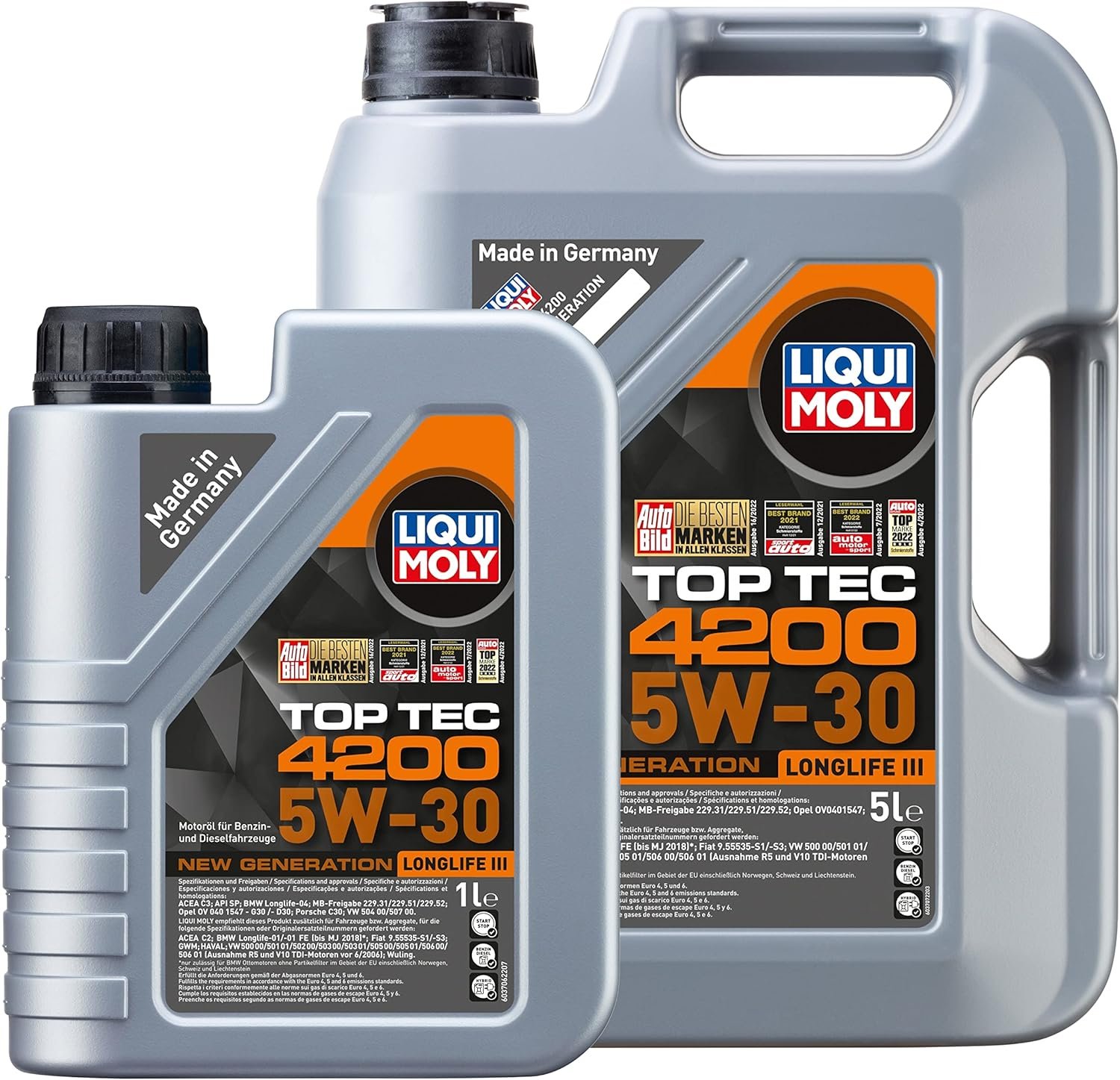
Best Value: Total Quartz INEO MC3 5W-30 TotalEnergies’ MC3 formulation provides full ACEA C3 protection at a price point that undercuts the premium brands by a meaningful margin. The synthetic base stock delivers good thermal stability and oxidation resistance, while the balanced additive package provides adequate anti-wear and detergent performance for the HR10DDT’s requirements. At £30-35 for 5 litres, it is the most cost-effective option on this list and an excellent choice for owners who change oil at the recommended shorter intervals, where the absolute peak performance of the oil matters less than consistent, frequent renewal. Widely available through motor factors and online retailers across the UK.
Oil Change Intervals
Nissan Official Recommendation:
- Standard service: 15,000 km (approximately 9,300 miles) or 12 months
Recommended Practice: 10,000 km (6,200 miles) or 12 months, whichever comes first.
Nissan’s 15,000 km interval assumes a mix of driving conditions and is calibrated for warranty cost management rather than maximum engine longevity. The HR10DDT’s combination of turbocharging, direct injection, and sub-litre displacement means the oil works harder per mile than in a larger, naturally aspirated engine. Fuel dilution from direct injection, turbo heat stress, and the frequent thermal cycling of the start-stop system all degrade the oil faster than the standard interval accounts for.
Consider 7,500 km (4,700 mile) intervals if:
- Predominantly short urban journeys under 10 miles
- Frequent start-stop city driving with many engine restarts per journey
- Regular spirited driving or heavy use of boost
- Vehicle used for towing or carrying heavy loads consistently
- Operating in hot climate conditions or heavy traffic
- Any history of unknown or incorrect oil used by previous owners
- Oil level drops noticeably between services
Monitor the dipstick monthly. The HR10DDT’s modest 4.1-litre sump capacity means even small losses have a proportionally large effect on oil quality and pressure. If the oil appears very dark and thin well before the scheduled change, or if the level drops more than halfway between the minimum and maximum marks within a few thousand miles, bring the change forward.
Conclusion
The Nissan Juke F16 1.0 DIG-T requires SAE 5W-30 engine oil meeting ACEA C3, with a capacity of 4.1 litres including the filter. The HR10DDT is a well-engineered small turbo engine that delivers genuine capability from minimal displacement, but it demands disciplined maintenance in return. The turbocharger, timing chain, direct injection system, and start-stop mechanism all depend on oil that maintains its protective properties under sustained thermal and chemical stress.
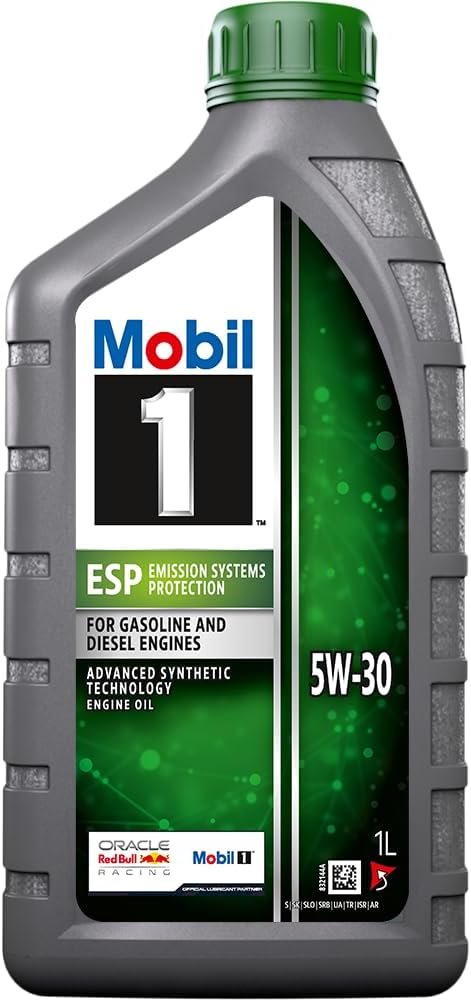
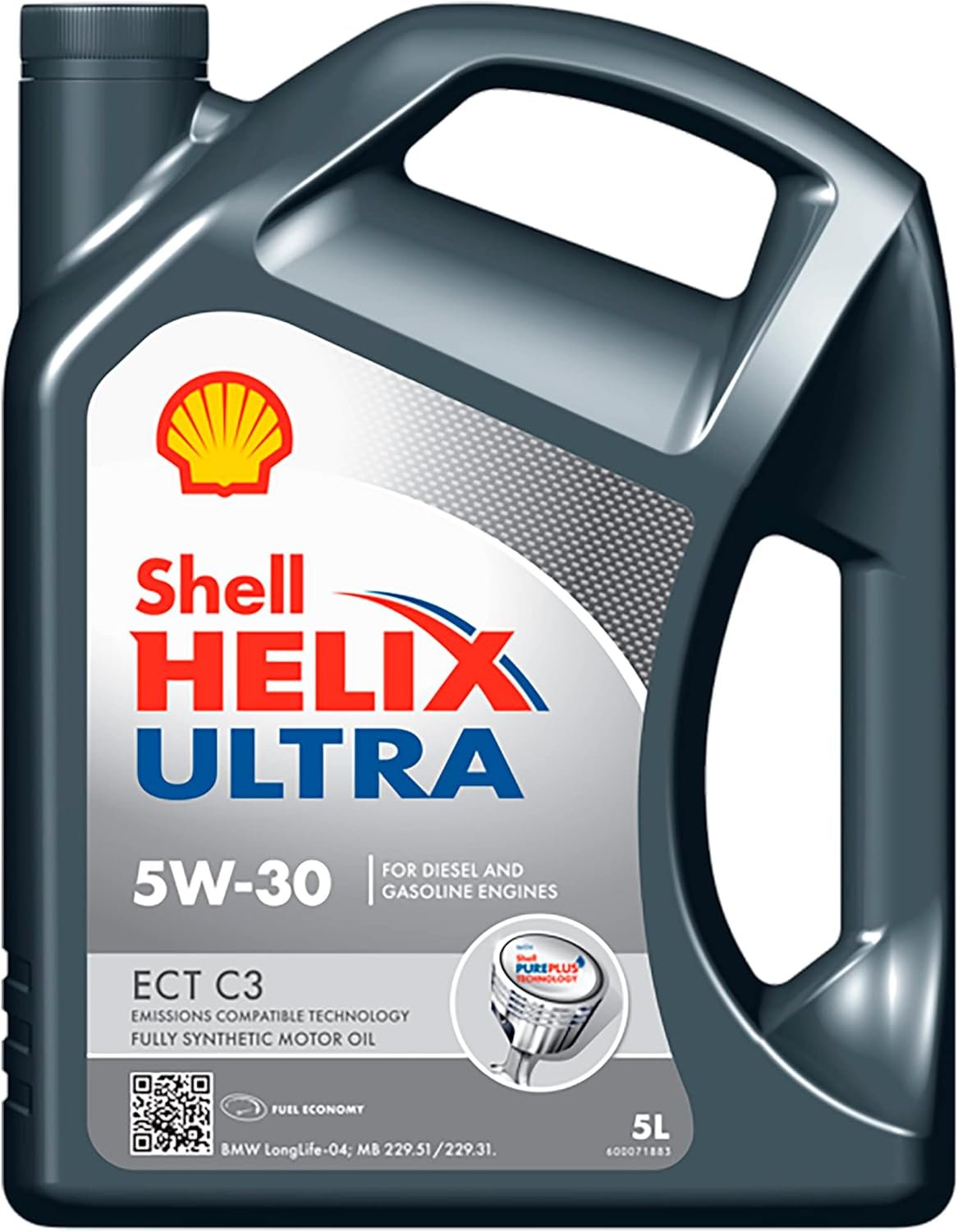
Castrol EDGE 5W-30 LL at £36-42 for 5 litres is a strong default choice, combining proven Fluid Titanium film strength with broad availability. Mobil 1 ESP 5W-30 and Shell Helix Ultra ECT C3 5W-30 offer premium alternatives for owners who want maximum thermal stability and deposit control. Total Quartz INEO MC3 5W-30 delivers solid ACEA C3 protection at the lowest price, making it ideal for owners committed to shorter change intervals where frequent oil renewal matters more than ultimate per-fill performance. Whichever oil you choose, change it at 10,000 km intervals or sooner, monitor the level between services, and allow the turbo to cool before switching off after hard driving. The HR10DDT rewards attentive ownership with reliable, efficient service for well beyond 100,000 miles.
Our Top Picks
As an Amazon Associate, we may earn from qualifying purchases. This doesn't affect our recommendations — we only suggest oils that hold the exact OEM approval for your engine.