 Oil-
Oil-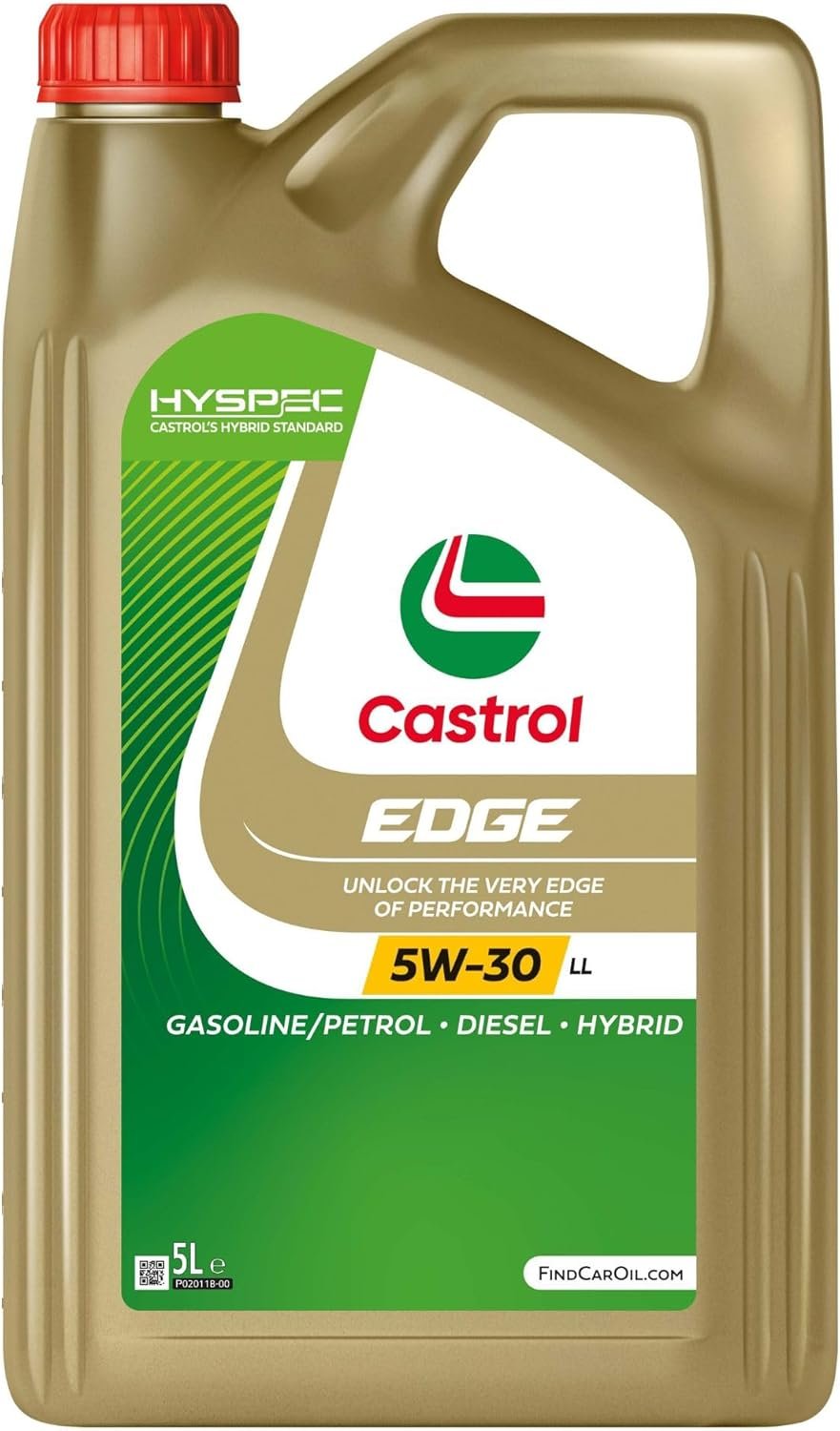
As an Amazon Associate, we may earn from qualifying purchases. This doesn't affect our recommendations — we only suggest oils that hold the exact OEM approval for your engine.
Best Engine Oil for Hyundai i30 GD 1.6 CRDi (110/128 hp)
The Hyundai i30 GD (2012–2017) is the second generation of Hyundai’s European-market compact — a car developed at the Hyundai Motor Europe Technical Centre in Rüsselsheim specifically for European preferences, and one that earned genuine critical respect for its build quality, practicality, and running costs. The 1.6 CRDi diesel (engine code D4FB, 110 hp or 128 hp depending on variant) is the volume diesel choice in the UK range: a 1,582 cc common-rail unit producing adequate power and genuine fuel economy in mixed driving. The oil specification — 5W-30 ACEA C3 — follows Hyundai’s general diesel recommendation for DPF-equipped European engines, with no named OEM specification analogous to VW 507 00 or BMW Longlife-04.
Quick Answer: Recommended Oil
- Specification: ACEA C3, 5W-30 full synthetic
- Alternative: None — ACEA C3 5W-30 is the correct and only appropriate specification
- Oil capacity with filter: 4.0 litres
- Oil capacity without filter: approx. 3.5 litres
The D4FB Engine
The D4FB is a 1,582 cc inline-four turbodiesel with DOHC 16-valve configuration and common-rail direct injection at up to 1,800 bar. In GD i30 specification it produces 110 hp / 260 Nm (lower variant) or 128 hp / 280 Nm (higher variant). The difference between the two outputs is ECU calibration and maximum boost pressure; the engine hardware is identical.
The D4FB uses a timing chain throughout its production life — there is no timing belt. This removes the timed belt replacement requirement that affects belt-driven engines of comparable age, simplifying long-term ownership. The timing chain is designed for vehicle life under correct oil conditions and is not a scheduled maintenance item.
Euro 5 compliance on GD-generation examples (2012–2015) uses a DPF with a relatively straightforward regeneration strategy. Euro 6 variants from the 2015 model year introduce SCR (selective catalytic reduction) with AdBlue on some markets, though the majority of UK GD i30 examples are Euro 5.
Oil Selection for the D4FB
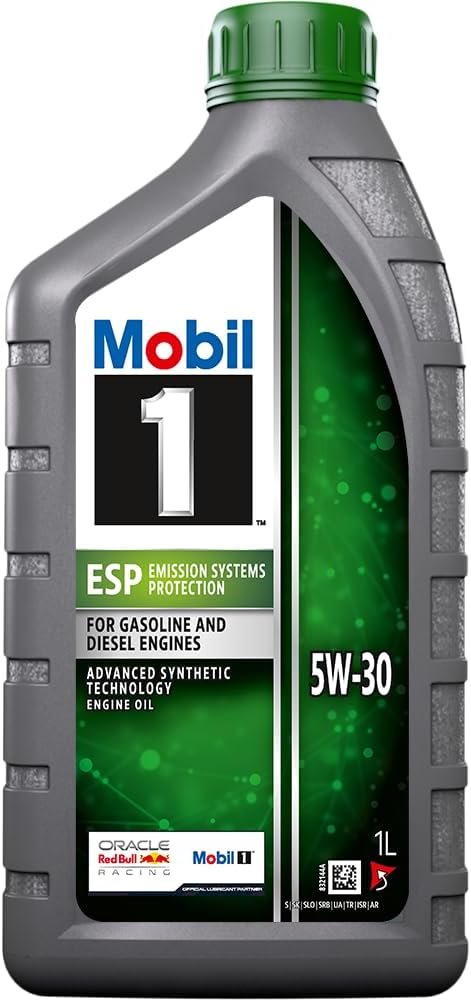
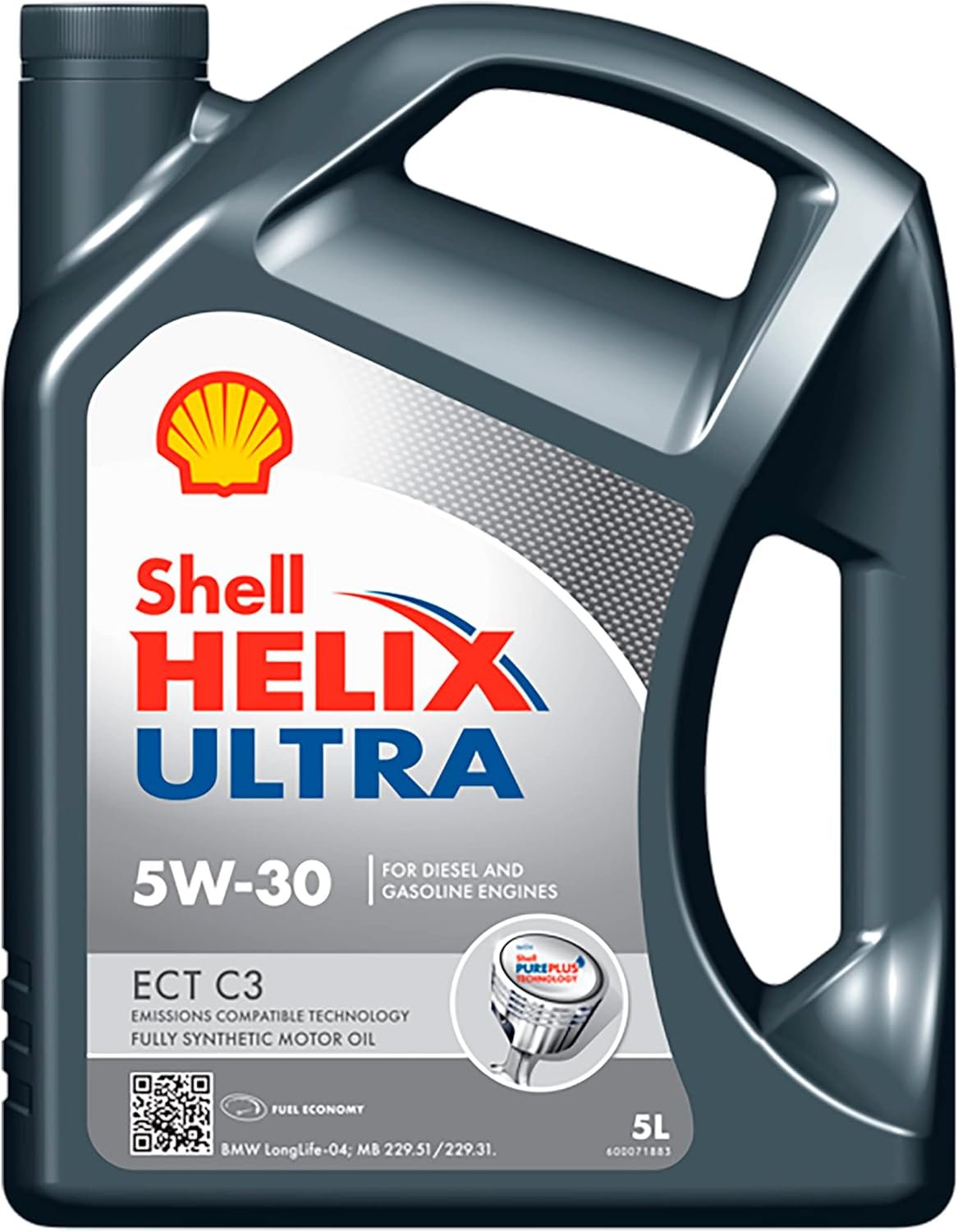
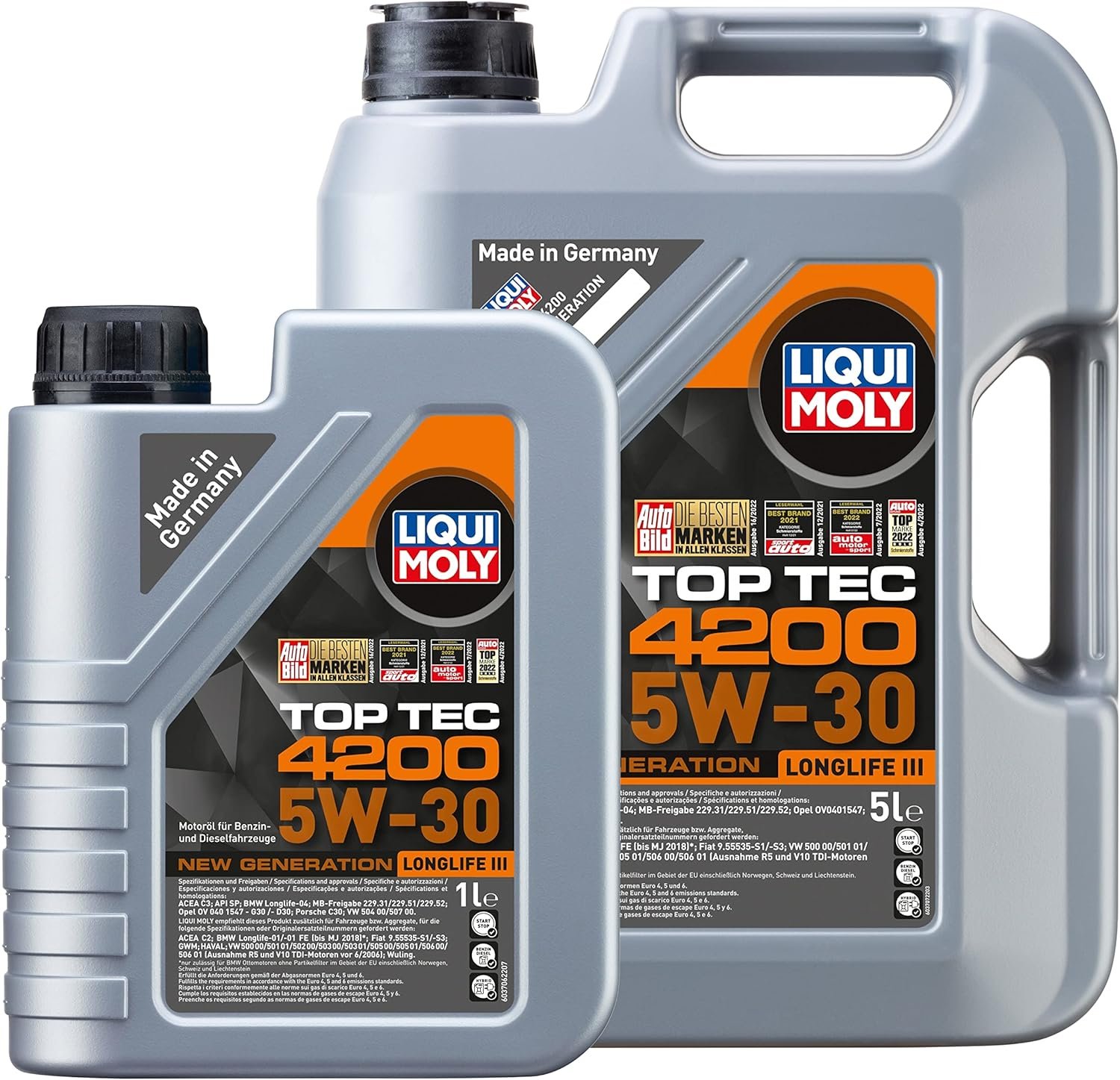
Hyundai does not maintain a named OEM oil specification equivalent to VW 507 00 or BMW LL-04. The engineering requirement is ACEA C3 5W-30 — a low-SAPS formulation that protects the DPF from excessive ash accumulation while providing anti-wear, oxidation resistance, and soot dispersancy performance appropriate for the D4FB’s Euro 5/6 combustion calibration. Any quality 5W-30 ACEA C3 from a reputable supplier is appropriate; there is no requirement for Hyundai-branded oil.
Technical Specifications
| Specification | Value |
|---|---|
| Displacement | 1,582 cc |
| Layout | Inline-4, DOHC 16v, turbodiesel |
| Engine code | D4FB |
| Power / Torque | 110 hp / 260 Nm — 128 hp / 280 Nm |
| Injection | Common-rail direct injection |
| Aftertreatment | DPF + EGR |
| Timing system | Timing chain |
| Oil capacity (with filter) | 4.0 L |
| Recommended viscosity | 5W-30 |
| ACEA classification | C3 |
Oil Change Intervals
Hyundai specifies 15,000 km or 12 months for the GD i30 1.6 CRDi. This is the maximum appropriate interval for UK mixed driving. For i30s used primarily for urban commuting or school runs — where short trips dominate — 10,000–12,000 km or 12 months is the correct interval. Short-trip use generates more soot per kilometre, contaminates oil more rapidly, and creates more DPF regeneration events per km driven.
Common Problems Related to Oil
EGR carbon deposits: Carbon accumulation on the D4FB’s EGR valve and intake ports is the most commonly reported maintenance issue on the GD i30 diesel. The EGR system deposits soot progressively at the valve body; symptoms include rough idle at warm-up, hesitation under light throttle, and P0401/P0404 fault codes. Urban-driven examples develop this faster than motorway-use cars. EGR cleaning at 80,000–100,000 km is appropriate preventive maintenance.
Bosch injector wear: The D4FB uses Bosch common-rail injectors that develop spray pattern degradation at 120,000–180,000 km on poorly-maintained examples. Symptoms include rough idle, increased fuel consumption, and white or grey smoke under light load. Injector reconditioned exchange units are available; replacing all four simultaneously is more efficient than individual replacement.
DPF regeneration frequency: The compact i30 is frequently used for urban short trips that prevent passive DPF regeneration. Soot loading accumulates, active regeneration cycles increase in frequency, and the EGR system deposits accelerate as regeneration exhaust temperatures interact with existing carbon. Ensure monthly 30-minute motorway runs to enable passive regeneration.
Conclusion
The Hyundai i30 GD 1.6 CRDi is a practical and well-engineered compact diesel that requires 5W-30 ACEA C3 at 10,000–15,000 km annual intervals. No named OEM specification is required — focus on ACEA C3 from a quality supplier. Monitor EGR condition and ensure regular motorway use to prevent DPF saturation; a D4FB maintained to schedule is a reliable and economical unit.
Our Top Picks
As an Amazon Associate, we may earn from qualifying purchases. This doesn't affect our recommendations — we only suggest oils that hold the exact OEM approval for your engine.