 Oil-
Oil-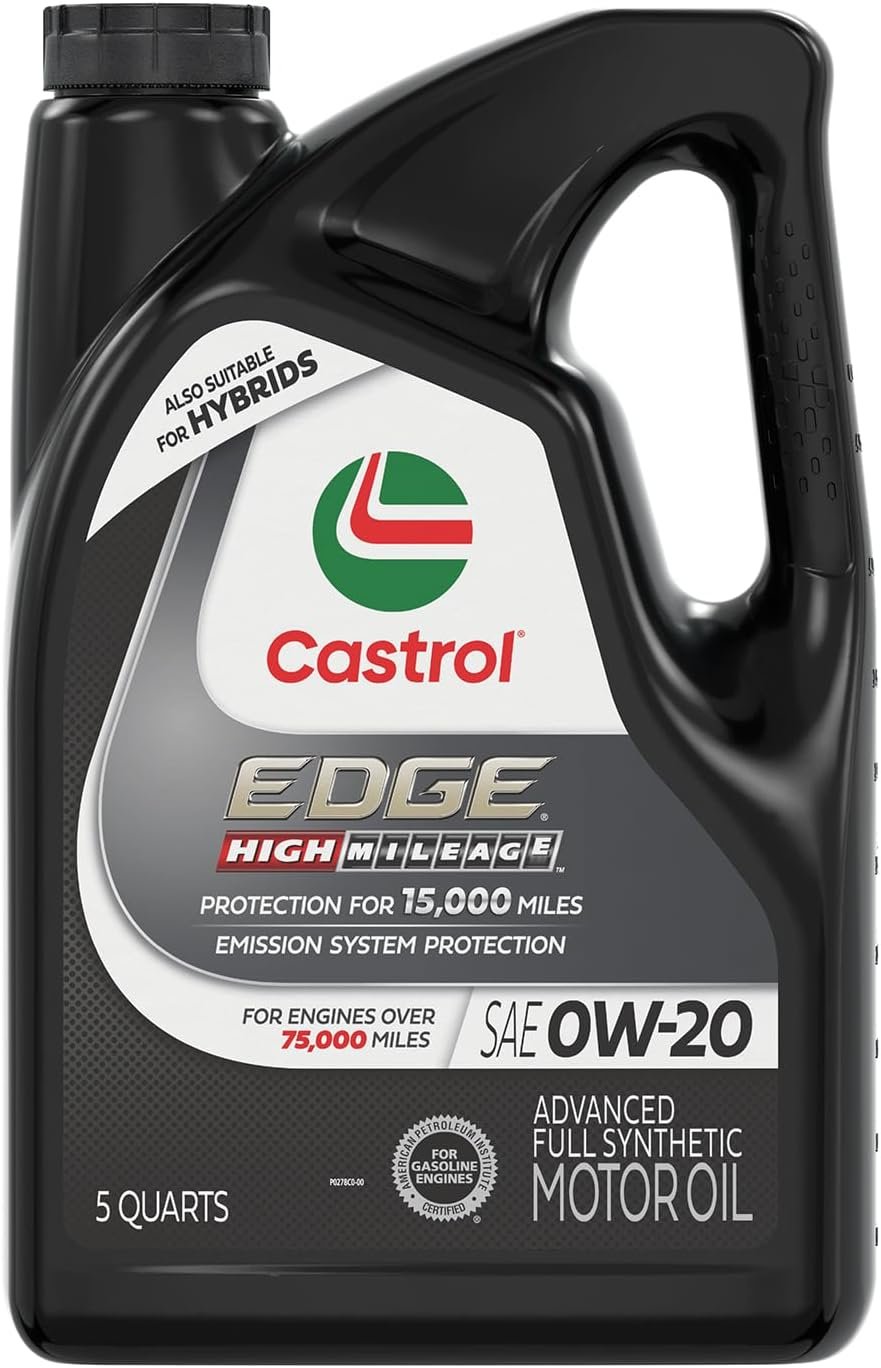
As an Amazon Associate, we may earn from qualifying purchases. This doesn't affect our recommendations — we only suggest oils that hold the exact OEM approval for your engine.
Best Engine Oil for Honda Ridgeline 2nd Gen YK2 3.5L V6 (280 hp)
The Honda Ridgeline 2nd generation (YK2 platform, 2017 onwards) occupies a unique position in the pickup truck market — a unibody-construction truck built on a shared platform with the 5th gen Honda Odyssey and 3rd gen Honda Pilot, prioritising ride comfort, car-like handling, and practical daily utility over traditional body-on-frame towing capability. The J35Y6 3.5-litre V6 that powers the YK2 Ridgeline is mechanically identical to the unit in the 3rd gen Pilot — same engine code, same oil specification, same VCM cylinder deactivation system. What differs is the duty cycle: the Ridgeline is used as a work vehicle by many owners, adding towing (up to 5,000 lb) and payload (1,580 lb) demands to the engine’s operating profile. This work-truck context makes understanding the VCM system’s interaction with oil — and the importance of correct maintenance — particularly relevant.
Quick Answer: Recommended Oil
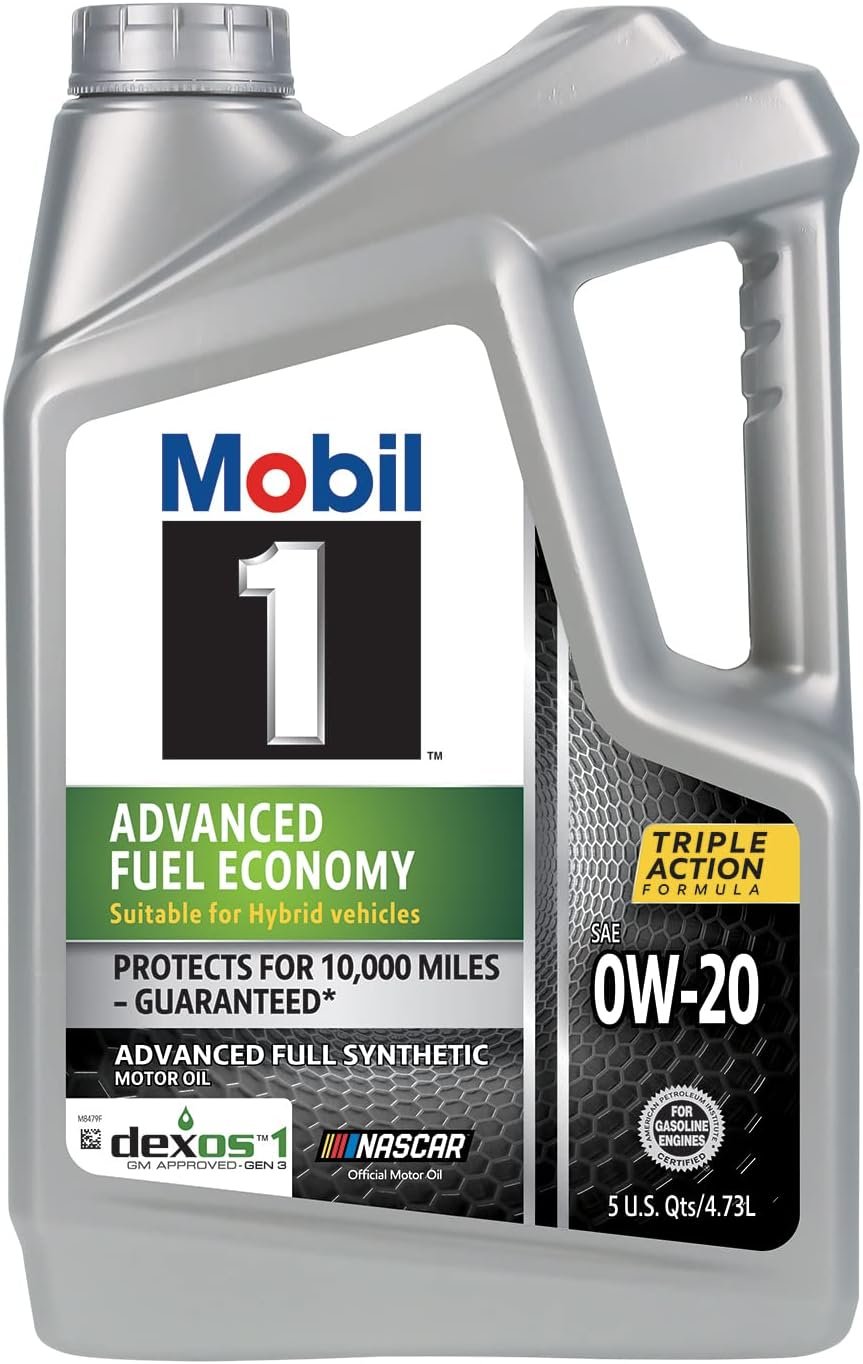
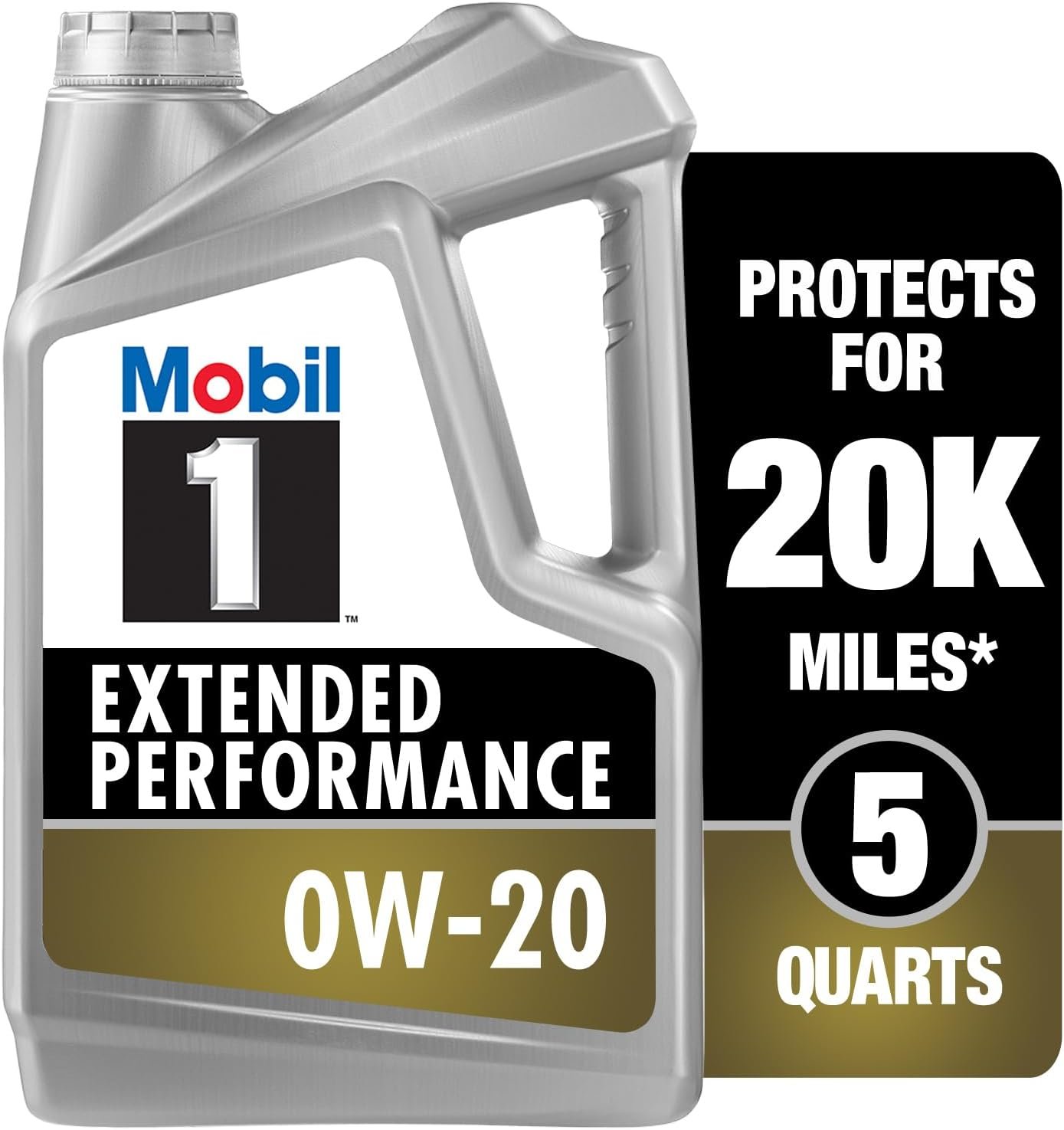
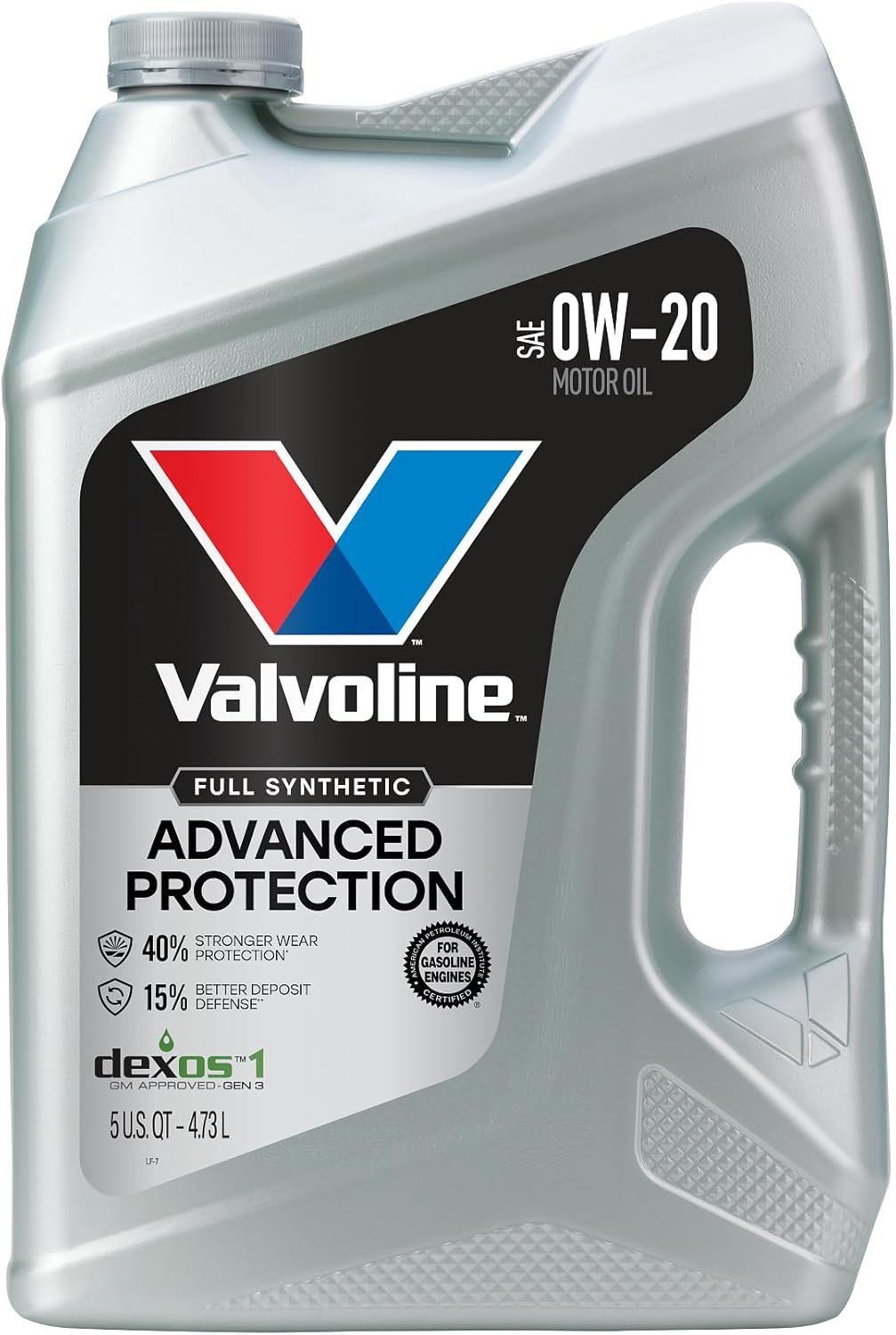
- Specification: ILSAC GF-6A (API SP), 0W-20 full synthetic
- Alternative: 5W-20 full synthetic ILSAC GF-6A (if 0W-20 unavailable)
- Oil capacity with filter: 5.4 litres (5.7 US quarts)
- Oil capacity without filter: approx. 5.1 litres (5.4 US quarts)
The J35Y6 in the Ridgeline Context
The J35Y6 is a 3,471 cc SOHC 24-valve naturally aspirated V6, bore × stroke 89.0 mm × 93.0 mm. The engine’s architecture — i-VTEC variable valve timing on the intake camshaft, Variable Cylinder Management (VCM) cylinder deactivation, sequential port fuel injection — is shared with the 3rd gen Pilot. The specifications apply identically: oil capacity, viscosity, change intervals, and the VCM-related maintenance considerations described below are the same across both platforms.
The Ridgeline’s unique duty cycle: While the Pilot sees predominantly family transport use, the Ridgeline operates as a truck — towing trailers, carrying cargo in the in-bed trunk, hauling building materials. Towing and cargo loads push the engine into VCM’s deactivation boundaries less frequently, since VCM disengages when load demand is high enough to require all six cylinders. A Ridgeline that tows regularly may actually experience less VCM engagement — and correspondingly less VCM-related oil consumption — than a Pilot used for highway commuting.
However, towing does increase thermal load on the oil: sustained towing at 70 mph with 4,000 lb behind the vehicle maintains higher combustion temperatures for longer periods than passenger-only use. Oil that has thermally degraded or is past its drain interval is less capable of maintaining bearing film strength under sustained load. For towing use, the conservative end of the service interval — 5,000 miles — is the correct choice rather than extending to 7,500.
VCM operation: The VCM system shuts down three cylinders (right bank) at light cruise. When deactivated, the right-bank cylinders’ intake valves are held closed, injectors and ignition are disabled, and the pistons move freely without combustion. The primary consequence for oil is the same as in the Pilot: oil film on the bore surface of deactivated cylinders can migrate past rings and valve stem seals into the combustion chamber, producing oil consumption when those cylinders reactivate. The rate of this consumption varies by individual engine and driving pattern.
i-VTEC system: Both the discrete VTEC cam profile switch and the continuously variable intake cam timing phaser depend on oil pressure for correct actuation. 0W-20’s immediate cold-start flow ensures the VTEC oil circuit pressurises promptly, reducing the cold-start period during which the VTEC mechanism cannot switch profiles.
Understanding ILSAC GF-6A for the J35Y6
ILSAC GF-6A (API SP) is the current ILSAC specification and the correct choice for the J35Y6’s requirements:
Oxidation stability: GF-6A’s improved oxidation resistance test requirements ensure the oil maintains stable viscosity throughout the drain interval. For the J35Y6’s towing applications, where oil temperature peaks are higher than in passenger-only use, maintaining base oil viscosity through the drain interval protects the VTEC and VCT phaser hydraulic circuits, which are sensitive to oil that has thickened through oxidation.
Chain wear protection: GF-6A’s timing chain wear test validates the oil’s anti-wear performance under chain loading conditions. The J35Y6’s timing chain runs throughout the engine’s service life; GF-6A oil’s improved anti-wear additive retention reduces chain guide wear compared to GF-5 formulations.
LSPI protection: The J35Y6 is naturally aspirated with port injection — LSPI risk is lower than for turbocharged GDI engines. However, GF-6A’s calcium limits ensure the oil does not contribute to any pre-ignition events, which are possible under high load at low RPM in any naturally aspirated engine under specific conditions.
Technical Specifications
| Specification | Value |
|---|---|
| Displacement | 3,471 cc |
| Layout | V6, SOHC 24v, naturally aspirated |
| Engine code | J35Y6 |
| Power / Torque | 280 hp / 262 lb-ft |
| Bore × stroke | 89.0 mm × 93.0 mm |
| Block material | Aluminium |
| Fuel injection | Sequential port injection |
| VVT | i-VTEC (intake, hydraulic) |
| Cylinder deactivation | VCM (3-cylinder) |
| Timing system | Timing chain |
| Max tow rating | 5,000 lb |
| Oil capacity (with filter) | 5.4 L (5.7 qt) |
| Oil capacity (without filter) | approx. 5.1 L (5.4 qt) |
| Recommended viscosity | 0W-20 |
| Alternative viscosity | 5W-20 |
| ILSAC classification | GF-6A (API SP) |
Oil Change Intervals
Honda’s Maintenance Minder system specifies 7,500 miles or 12 months under normal conditions. The recommended practical interval for the YK2 Ridgeline is:
- Light duty (commuting, family transport): 7,500 miles or 12 months
- Mixed use with towing (regular towing above 2,000 lb): 5,000 miles or 6 months
- Heavy towing or work vehicle use: 5,000 miles or 6 months strictly applied
The towing load context is the primary interval driver. A Ridgeline used for weekend towing and weekday commuting sits at the boundary between the two intervals; erring toward 5,000 miles is the conservative and correct choice.
Monthly oil level checks between services remain important for the same reason as the Pilot: VCM-related consumption can reduce the sump level between scheduled changes. Establish your specific engine’s consumption rate in the first year of ownership.
Common J35Y6 Problems in the Ridgeline Application
VCM oil consumption: The same mechanism as in the 3rd gen Pilot — deactivated cylinder oil film migrating past ring and stem seals on reactivation. In work-truck use where load demands frequently engage all six cylinders, VCM activation is less sustained than in highway commuter use, and consumption rates may be lower than in Pilot ownership. However, the variability between individual engines means monitoring is still required.
Oil level at towing events: Towing at near-maximum rating (5,000 lb) over multiple hours is the highest thermal demand on the J35Y6. A Ridgeline that is at the minimum oil level before a towing event has substantially reduced thermal buffering capacity. Fill to the full mark before any extended towing — do not operate the 5.4-litre sump at minimum during sustained high-load driving.
VTEC solenoid fouling: At high mileage, the VTEC oil control solenoid screen can accumulate debris from degraded oil, reducing oil flow to the VTEC actuator circuit and causing a delayed or absent VTEC switch. This is prevented by consistent fresh oil at 5,000–7,500 mile intervals. The solenoid screen is cleanable but requires disassembly of the solenoid housing.
Timing chain wear: Extended drain intervals with degraded oil are the primary contributor to chain guide wear. Brief cold-start rattle that clears within 10–20 seconds indicates tensioner wear on higher-mileage examples. Annual changes with GF-6A oil protect the chain system across the engine’s service life.
Conclusion
The Honda Ridgeline 2nd gen J35Y6 is a car-based truck engine that punches above its weight in terms of capability — the VCM system provides genuine fuel economy improvement, the port injection keeps intake valves clean, and the i-VTEC system delivers broad power and torque availability. ILSAC GF-6A 0W-20 full synthetic at 5,000 miles for towing use and 7,500 miles for light duty is the correct specification. Monitor oil level monthly regardless of interval — VCM consumption variability between individual engines makes dipstick checks a non-optional maintenance step, not a precaution.
Our Top Picks
As an Amazon Associate, we may earn from qualifying purchases. This doesn't affect our recommendations — we only suggest oils that hold the exact OEM approval for your engine.