 Oil-
Oil-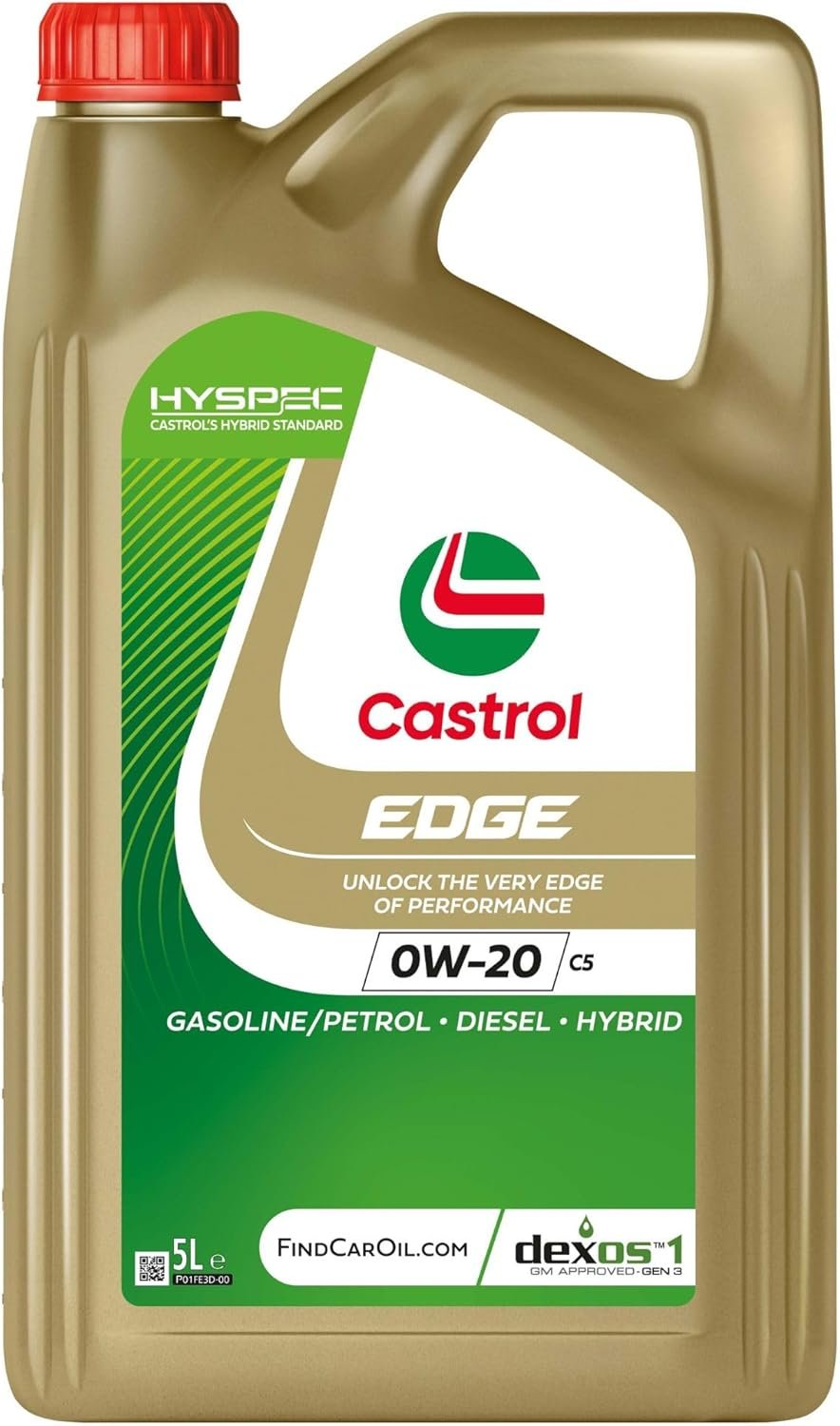
As an Amazon Associate, we may earn from qualifying purchases. This doesn't affect our recommendations — we only suggest oils that hold the exact OEM approval for your engine.
Best Engine Oil for Honda Civic 10th Gen 2.0L i-VTEC (158 HP) — K20C2
The tenth-generation Honda Civic (FC, 2016-2021) offered buyers a choice between the turbocharged 1.5-liter that made headlines for oil dilution issues and the naturally aspirated 2.0-liter that quietly went about its business without complaint. The K20C2 is the engine Honda loyalists recommend: port-injected, naturally aspirated, timing-chain-driven, with no turbocharger and none of the oil dilution problems that plagued its sibling. If you bought the base Civic with the 2.0-liter, you made the reliable choice. This guide covers the correct oil specification, capacity, and the best oils to keep this bulletproof engine running for the long haul.
Quick Answer: Recommended Oil
For Honda Civic 10th Gen 2.0L i-VTEC (158 HP, K20C2):
- Specification: API SP / ILSAC GF-6A
- Viscosity: SAE 0W-20
- Oil capacity: 4.2 quarts with filter (3.9 quarts without)
Important: Use only 0W-20 full synthetic oil meeting API SP or ILSAC GF-6A. The K20C2 was designed around this viscosity from the factory. While this engine is far more forgiving than Honda’s turbocharged units, using the correct specification ensures optimal fuel economy, proper i-VTEC hydraulic valve timing operation, and maximum engine longevity.
The K20C2 Engine
The K20C2 is a 1,996cc naturally aspirated inline four-cylinder producing 158 horsepower at 6,500 RPM and 138 lb-ft of torque at 4,200 RPM. It powers the LX, Sport, and EX trims of the 2016-2021 Civic sedan and coupe, paired with either a CVT or a six-speed manual transmission.
This engine belongs to Honda’s celebrated K-series family, which debuted in 2001 and has powered everything from the Accord to the RSX to the Civic Type R. The K20C2 uses an aluminum block with cast-iron cylinder liners, a DOHC 16-valve valvetrain with Honda’s i-VTEC variable valve timing and lift system, and a chain-driven camshaft that eliminates the timing belt replacement older Honda engines required.
What defines the K20C2 is what it does not have. There is no turbocharger adding thermal stress and bearing wear concerns. There is no direct injection to create carbon buildup on intake valves or push unburned fuel past piston rings. The K20C2 uses traditional multi-point port fuel injection, where fuel is sprayed into the intake port before the valve, ensuring thorough atomization and continuously washing the intake valve surfaces clean. This eliminates the carbon deposits that direct-injection engines accumulate and removes the mechanism that causes oil dilution in Honda’s turbo engines entirely.
Understanding Honda Oil Specifications
Honda specifies API SP / ILSAC GF-6A for the K20C2. API SP, introduced in 2020, replaced the older API SN Plus category and includes enhanced protection against Low-Speed Pre-Ignition (LSPI), improved high-temperature deposit control, and better oxidation resistance. While LSPI primarily threatens turbocharged direct-injection engines, API SP oils deliver across-the-board improvements in wear protection and thermal stability that benefit all engines.
ILSAC GF-6A is the companion fuel economy standard that ensures specific friction-reduction targets while maintaining full wear protection. Oils carrying both the API SP donut and the ILSAC GF-6A starburst on their labels meet the complete range of requirements Honda engineered the K20C2 around. If your owner’s manual references the older API SN standard, API SP is fully backward-compatible and strictly superior. Always choose API SP when available.
Technical Specifications
| Specification | Value |
|---|---|
| Displacement | 1,996cc (2.0 liters) |
| Layout | Inline-4, transverse, aluminum block and head |
| Valvetrain | DOHC, 16 valves, i-VTEC, timing chain |
| Aspiration | Naturally aspirated |
| Fuel Injection | Multi-point port injection (MPI) |
| Power | 158 HP @ 6,500 RPM |
| Torque | 138 lb-ft @ 4,200 RPM |
| Compression Ratio | 10.8:1 |
| Fuel Type | Regular unleaded (87 octane) |
| Recommended Viscosity | SAE 0W-20 |
| Oil Capacity (without filter) | 3.9 quarts (3.7 liters) |
| Oil Capacity (with filter) | 4.2 quarts (4.0 liters) |
| Oil Specification | API SP / ILSAC GF-6A |
Best Value: Valvoline Advanced Full Synthetic 0W-20 Valvoline’s full synthetic 0W-20 meets every specification the K20C2 requires at the lowest price. For an engine as undemanding as this one, where oil faces no turbo heat, no fuel dilution, and no extreme thermal cycling, this is arguably the smartest dollar-for-dollar choice. Consistently priced at $23-27 for 5 quarts at Walmart, AutoZone, O’Reilly, and Amazon.
Oil Change Intervals
Honda Official Recommendation:
- Maintenance Minder system: typically indicates between 7,500 and 10,000 miles
Recommended Practice: Follow the Maintenance Minder or change every 7,500 miles / 12 months, whichever comes first.
Unlike the turbocharged 1.5-liter Civic, the K20C2 does not require shortened oil change intervals. There is no oil dilution problem with this engine, so the Maintenance Minder system is trustworthy and well-calibrated for the K20C2’s operating characteristics. For owners who want maximum longevity, 5,000 to 7,500 miles is a sensible target. At $25-35 per oil change in materials, the annual cost is roughly $50-70 for a driver covering 12,000-15,000 miles per year.
Unlike the 1.5T, the K20C2 tolerates short trips without the oil dilution penalty. You still generate more moisture condensation in the oil during short cold-weather trips, so if your commute is under 10 minutes, lean toward the 5,000-mile end of the range. But you do not need to worry about gasoline accumulating in your crankcase. Check the dipstick every 2,000 to 3,000 miles to confirm the oil level is within range.
Why Correct Oil Matters
The K20C2 may be a simple, naturally aspirated engine, but it still depends on the correct oil for critical systems. The i-VTEC mechanism uses oil pressure to actuate a pin that switches between two cam lobe profiles, changing valve lift and timing at a specific RPM threshold. If the oil is too thick, too thin, or contaminated, i-VTEC engagement can become sluggish, causing a noticeable hesitation during the transition. Contaminated oil can also clog the solenoid screen that controls oil flow to the i-VTEC system, triggering fault codes and reduced performance.
The engine’s bearing clearances are designed for 0W-20 viscosity. Using a thicker oil like 5W-30 increases parasitic drag, reduces fuel economy by 1 to 3 percent, and slows cold-start oil circulation when wear rates are highest. The timing chain tensioner also relies on consistent oil pressure. Sludge buildup from neglected changes can restrict the tensioner’s oil supply, leading to chain slack and rattle on cold starts.
Common K20C2 Problems Related to Oil
The K20C2 has remarkably few oil-related problems, which is precisely why it has earned its bulletproof reputation. The most common issue owners report is not a defect but a consequence of neglect: i-VTEC solenoid screen clogging from extended oil change intervals or using non-synthetic oil. The screen traps contaminants to protect the solenoid, and when it clogs, the engine throws a check engine light and the i-VTEC system stops functioning properly. The fix is straightforward cleaning, but prevention through regular oil changes with quality synthetic is simpler.
On higher-mileage examples past 150,000 miles, some owners report minor oil consumption of a quart every 3,000 to 5,000 miles. This is within Honda’s acceptable range and is typical of any aging engine with wear on piston rings and valve seals. It is not a design defect. Monitoring the dipstick and topping off between changes is all that is needed.
Beyond these minor items, the K20C2 does not generate the forum threads and recall notices that define modern turbocharged engines. No oil dilution. No carbon buildup. No turbo failures. The K-series track record across millions of engines justifies the reputation.
Conclusion
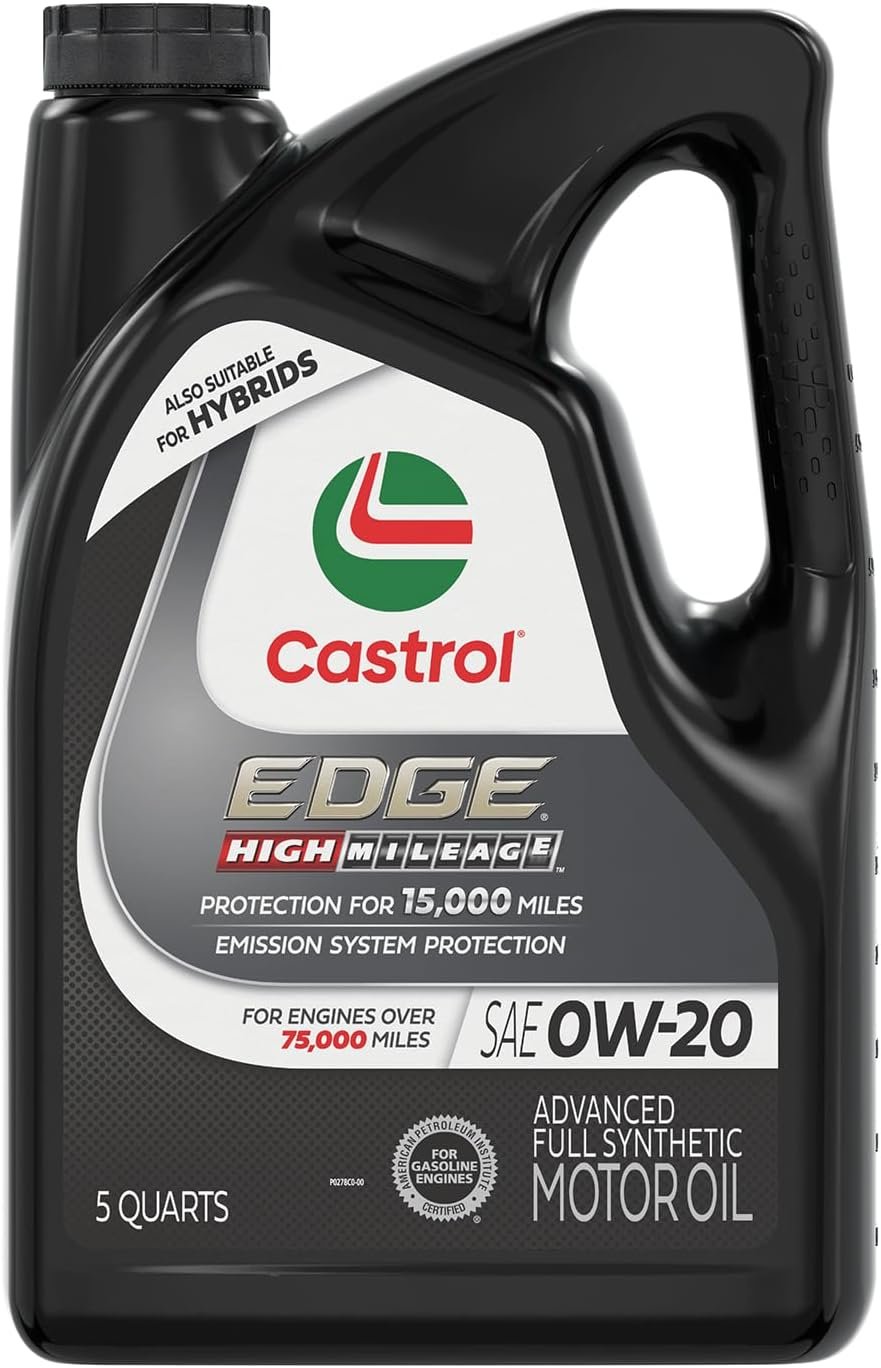
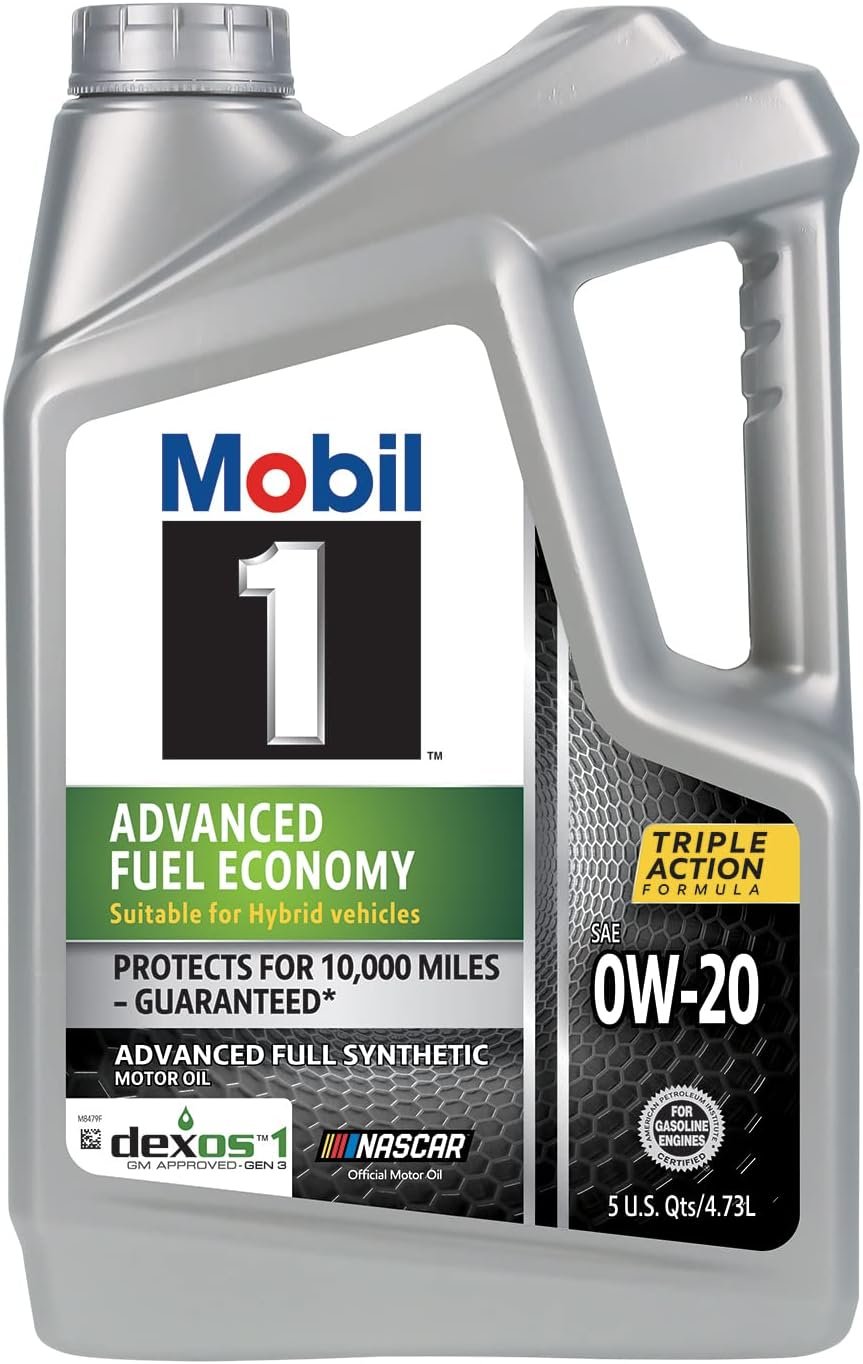
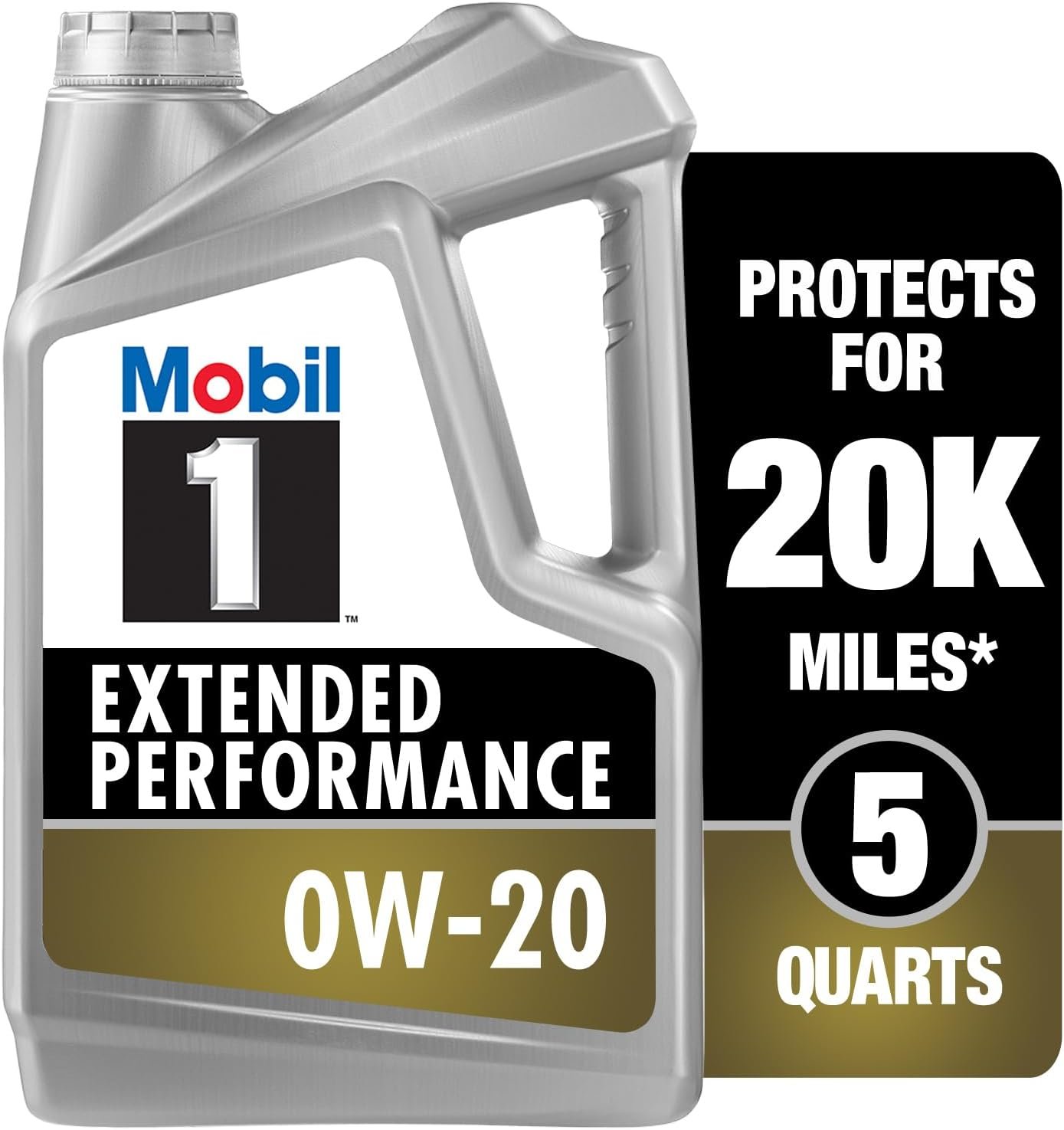
The Honda Civic 10th gen 2.0L i-VTEC (K20C2) requires 4.2 quarts of SAE 0W-20 engine oil meeting API SP / ILSAC GF-6A at every service. Honda Genuine 0W-20 at $30-35 provides the OEM baseline. Mobil 1 Advanced Fuel Economy, Castrol EDGE Advanced, and Valvoline Advanced Full Synthetic offer excellent alternatives between $23 and $32 for 5-quart jugs.
This is one of the most reliable engines Honda has ever put in a Civic. No turbocharger, no direct injection, no oil dilution, no carbon buildup. A timing chain that lasts the life of the engine and port injection that keeps intake valves clean indefinitely. Follow the Maintenance Minder, use 0W-20 meeting API SP, and the K20C2 will deliver dependable service well beyond 200,000 miles. It is the safe choice for long-term ownership, and it rewards basic maintenance with the quiet, trouble-free reliability that built Honda’s reputation.
Our Top Picks
As an Amazon Associate, we may earn from qualifying purchases. This doesn't affect our recommendations — we only suggest oils that hold the exact OEM approval for your engine.