 Oil-
Oil-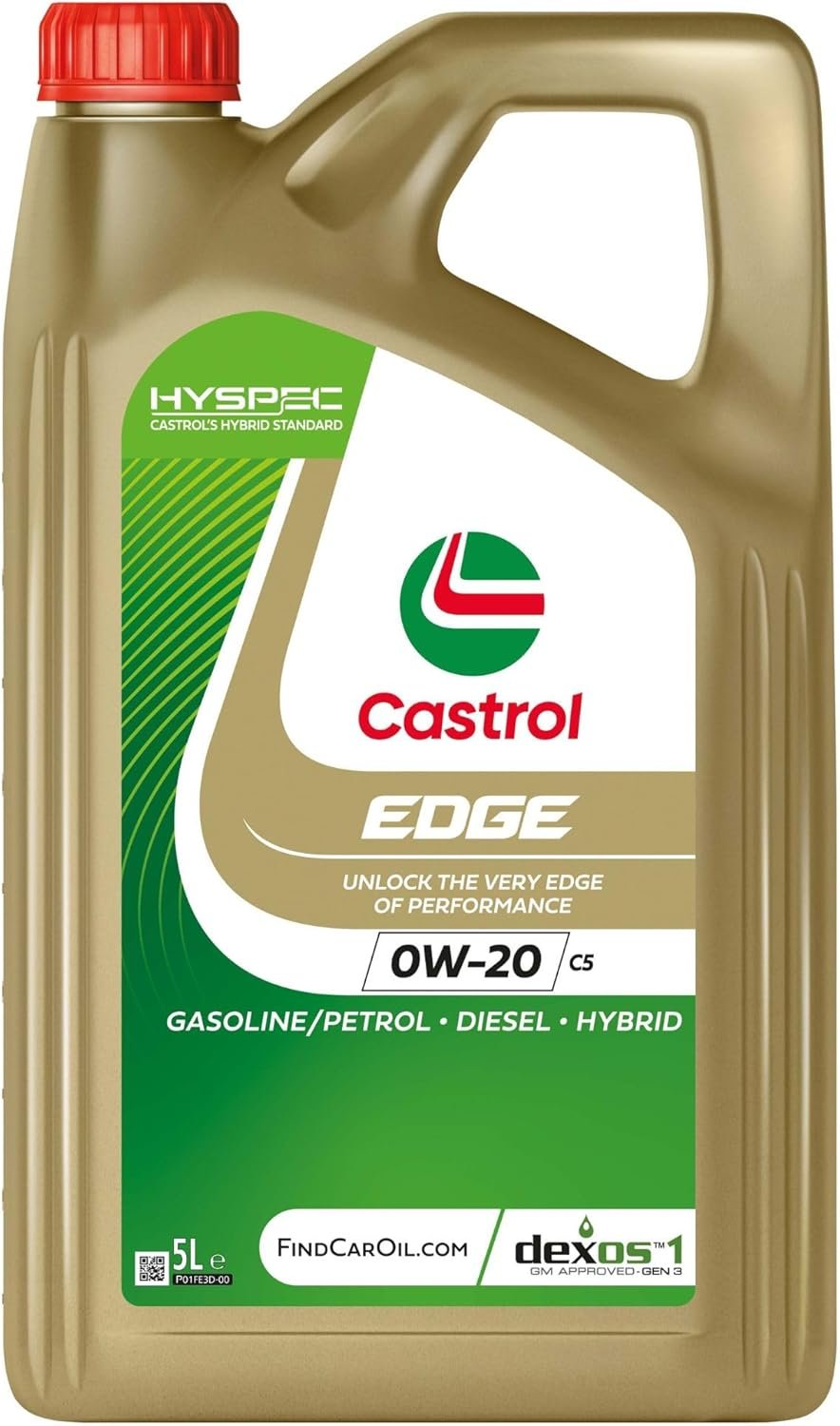
As an Amazon Associate, we may earn from qualifying purchases. This doesn't affect our recommendations — we only suggest oils that hold the exact OEM approval for your engine.
Best Engine Oil for Honda Accord 10th Gen 1.5L Turbo (192 HP) — L15BE
The tenth-generation Honda Accord (CV, 2018-2022) equipped with the 1.5-liter turbocharged engine is one of the most popular midsize sedans in North America. The L15BE engine produces 192 horsepower and 192 lb-ft of torque, offering a compelling balance of performance and fuel economy that earned the Accord multiple Car of the Year awards. However, this engine shares the same fundamental architecture as the L15B family found in the CR-V and Civic, which means it carries the same well-documented oil dilution vulnerability and, for the 2018-2019 model years, a history of head gasket failures linked to detonation and pre-ignition events. Choosing the correct oil and understanding these issues is not optional — it is essential to the long-term reliability of this powertrain. This guide covers everything you need to know about oil selection, the oil dilution problem, head gasket concerns, and why premium fuel matters more than most owners realize.
Quick Answer: Recommended Oil
For Honda Accord 10th Gen 1.5L Turbo (192 HP, L15BE):
- Specification: API SP / ILSAC GF-6A
- Viscosity: SAE 0W-20
- Oil capacity: 4.0 quarts with filter (3.7 quarts without)
Critical: Use only 0W-20 full synthetic oil meeting API SP or ILSAC GF-6A. The L15BE’s turbocharger bearings, tight main and rod bearing clearances, and direct injection system are designed around this specific viscosity. Running heavier oil will not improve protection and may extend warm-up times, worsening oil dilution. Use 91 octane fuel as a minimum to reduce pre-ignition risk.
The L15BE Engine
The L15BE is a 1,498cc turbocharged inline four-cylinder from Honda’s Earth Dreams Technology family. In Accord trim, it produces 192 horsepower at 5,500 RPM and 192 lb-ft of torque from 1,600 to 5,000 RPM, paired with either a CVT or a six-speed manual transmission. The engine features direct fuel injection, a single-scroll turbocharger with an electronically controlled wastegate, dual VTC (Variable Timing Control) on both intake and exhaust camshafts, and a high 10.3:1 compression ratio — aggressive for a turbocharged engine and central to Honda’s efficiency strategy.
The Accord’s L15BE is tuned for slightly higher output than the CR-V variant, with a broader torque plateau that suits the sedan’s character. The turbocharger operates at higher boost pressure under full load, and the ECU mapping reflects the Accord’s sportier positioning within Honda’s lineup. These calibration differences mean the engine runs under marginally higher combustion pressures and temperatures, which has implications for both oil dilution and the head gasket issue that affected early production models.
Understanding Honda Oil Specifications
Honda does not use proprietary oil specifications like European manufacturers. Instead, Honda requires oils meeting the American Petroleum Institute (API) and International Lubricants Standardization and Approval Committee (ILSAC) standards. For the L15BE, the required certifications are API SP and ILSAC GF-6A.
API SP, introduced in May 2020, replaced API SN Plus and includes critical improvements in low-speed pre-ignition (LSPI) prevention. LSPI is a phenomenon where the fuel-air mixture ignites before the spark plug fires under high-load, low-RPM conditions — precisely the operating conditions a turbocharged engine encounters during highway merging, passing, or hill climbing. A single severe LSPI event can crack a piston or bend a connecting rod. API SP oils contain reformulated additive chemistry that significantly reduces this risk.
ILSAC GF-6A ensures the oil maintains fuel economy properties while delivering adequate wear protection across the full operating temperature range. Any oil displaying both the API SP donut and the ILSAC GF-6A starburst on its label meets the Accord’s requirements. Oils carrying the older API SN Plus certification are acceptable but lack some of the enhanced protections of API SP.
Technical Specifications: 1.5L Turbo (L15BE)
| Specification | Value |
|---|---|
| Displacement | 1,498cc (1.5 liters) |
| Layout | Inline-4, transverse, aluminum block and head |
| Valvetrain | DOHC, 16 valves, dual VTC, timing chain |
| Turbocharger | Single-scroll, electronically controlled wastegate |
| Power | 192 HP @ 5,500 RPM |
| Torque | 192 lb-ft @ 1,600-5,000 RPM |
| Compression Ratio | 10.3:1 |
| Fuel Type | Regular unleaded (87 octane min); 91 octane strongly recommended |
| Recommended Viscosity | SAE 0W-20 |
| Oil Capacity (without filter) | 3.7 quarts (3.5 liters) |
| Oil Capacity (with filter) | 4.0 quarts (3.8 liters) |
| Oil Specification | API SP / ILSAC GF-6A |
| Transmission | CVT or 6-speed manual |
Best Value: Valvoline Advanced Full Synthetic 0W-20 Valvoline’s full synthetic 0W-20 meets API SP and ILSAC GF-6A with a well-balanced additive package at a lower price point. Widely available at Walmart, AutoZone, O’Reilly, and Amazon. Consistently priced at $23-27 for 5 quarts, making it the most affordable option without sacrificing any specification requirement the L15BE demands.
Oil Change Intervals
Honda Official Recommendation:
- Maintenance Minder system: typically indicates between 7,500 and 10,000 miles
Recommended Practice: 5,000 to 7,000 miles or every 6 months, whichever comes first.
Honda’s Maintenance Minder calculates service intervals based on driving conditions, but it was not originally calibrated to account for the severity of fuel dilution in short-trip and cold-climate driving. Many owners and Honda technicians recommend shortening the interval, particularly during winter months or for vehicles driven primarily on short commutes. Check the dipstick every 1,000 to 2,000 miles — you are checking both level and smell. If the oil level has risen above the MAX mark or the oil smells strongly of gasoline, change it immediately regardless of mileage or Maintenance Minder status. In a healthy engine, oil level drops over time. A rising level is a clear signal of fuel dilution.
Why Correct Oil Matters for the L15BE
The L15BE operates under conditions that demand precise lubrication. The turbocharger shaft spins at speeds exceeding 150,000 RPM, supported entirely by oil-lubricated bearings that require consistent film strength and adequate flow. Fuel-diluted oil thins beyond its designed viscosity, reducing film strength at these extreme rotational speeds and accelerating bearing wear. The direct injection system operates at fuel pressures exceeding 2,900 PSI, and the high-pressure fuel pump relies on engine oil for lubrication of its cam-driven mechanism.
The 10.3:1 compression ratio, combined with forced induction, creates combustion pressures that place heavy loads on piston rings and cylinder walls. When oil degrades or thins from fuel contamination, ring seal deteriorates, allowing more blowby gases and unburned fuel into the crankcase — a self-reinforcing cycle that worsens oil dilution over time. Using the correct 0W-20 API SP oil and changing it on a conservative schedule breaks this cycle and protects every critical component in the oil circuit.
Common L15BE Problems Related to Oil
Oil Dilution: The Accord shares the same L15B engine family as the CR-V and Civic, and the oil dilution issue affects all vehicles in this family. During cold starts and short trips, unburned fuel bypasses the piston rings and accumulates in the crankcase. The oil level rises, viscosity drops, and the oil begins to smell like gasoline. Cold climates and short commutes dramatically worsen this condition. Honda issued ECU software updates and extended warranty coverage in response to class action litigation. If you own a 2018-2022 Accord 1.5T, confirm with your dealer that the software update has been applied.
Head Gasket Failures (2018-2019 Models): The early production 1.5T Accords experienced head gasket failures linked to detonation and low-speed pre-ignition events. Under high-load, low-RPM conditions — particularly on 87 octane fuel — abnormal combustion events generated pressure spikes severe enough to stretch the cylinder head bolts, compromising the head gasket seal. Symptoms include white exhaust smoke, coolant loss without visible leaks, milky residue on the oil filler cap, and overheating. A class action lawsuit is active regarding this defect. Using 91 octane fuel as a minimum significantly reduces the probability of pre-ignition events. If you drive a 2018-2019 Accord 1.5T and have not experienced this failure, switching to 91 octane is the single most effective preventive measure available. Honda’s official minimum is 87 octane, but the engineering reality of a 10.3:1 compression turbo engine running on regular fuel leaves minimal detonation margin, especially in hot weather or at altitude.
Turbocharger Oil Starvation: Related to oil dilution — if fuel contamination thins the oil sufficiently, turbo bearing lubrication degrades. Early symptoms include a faint whine from the turbo at idle and slightly delayed boost response. By the time these symptoms appear, bearing damage is already underway.
Conclusion
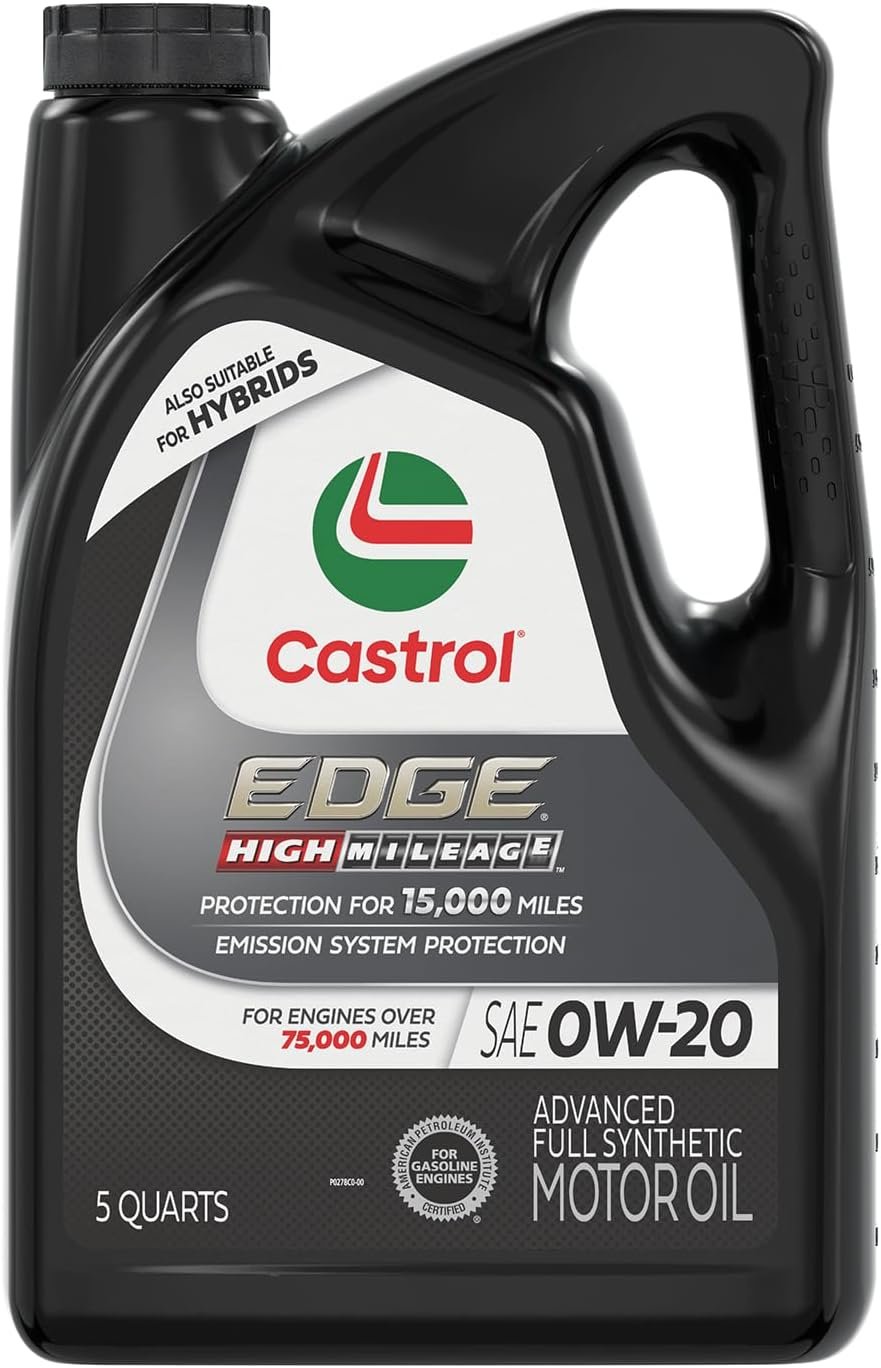
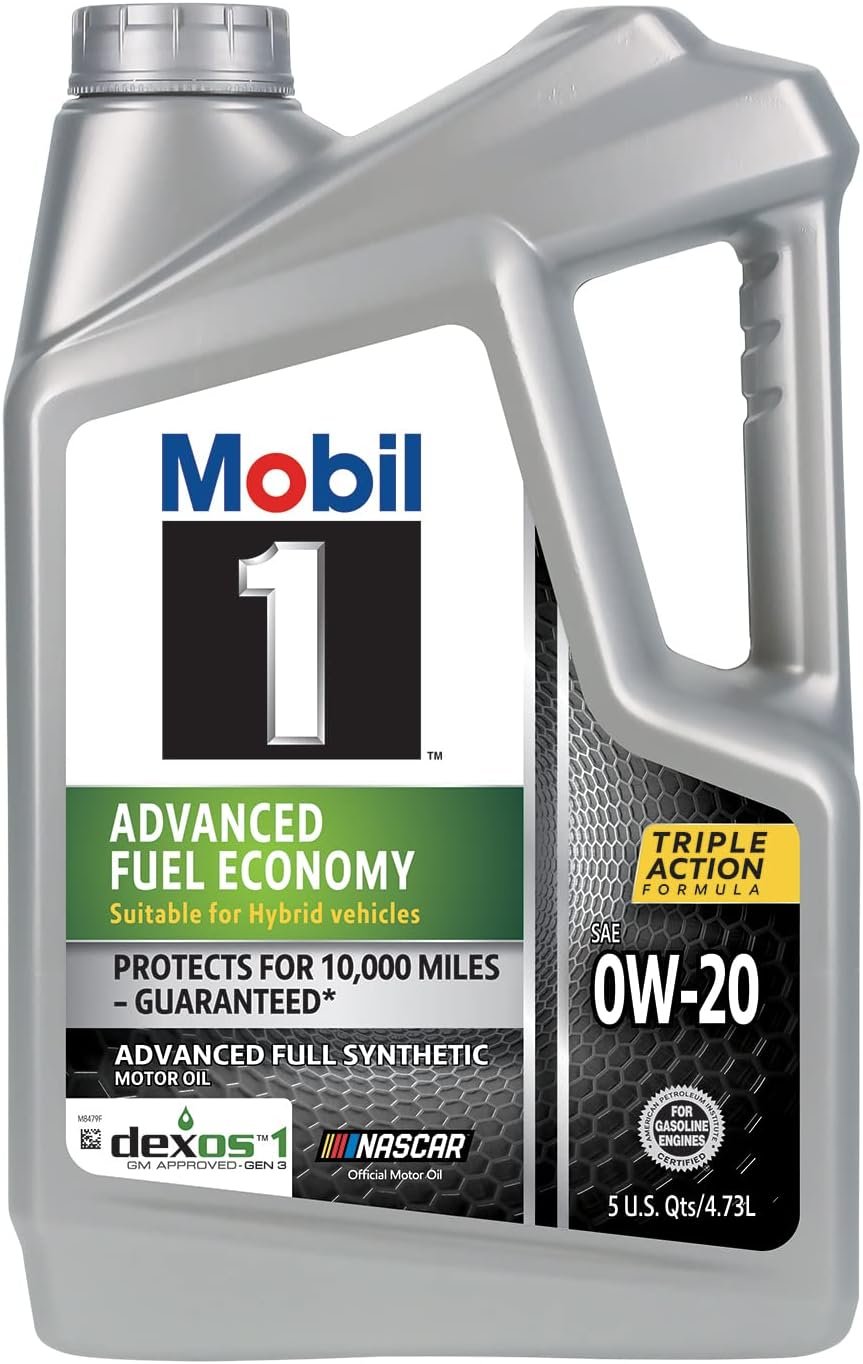
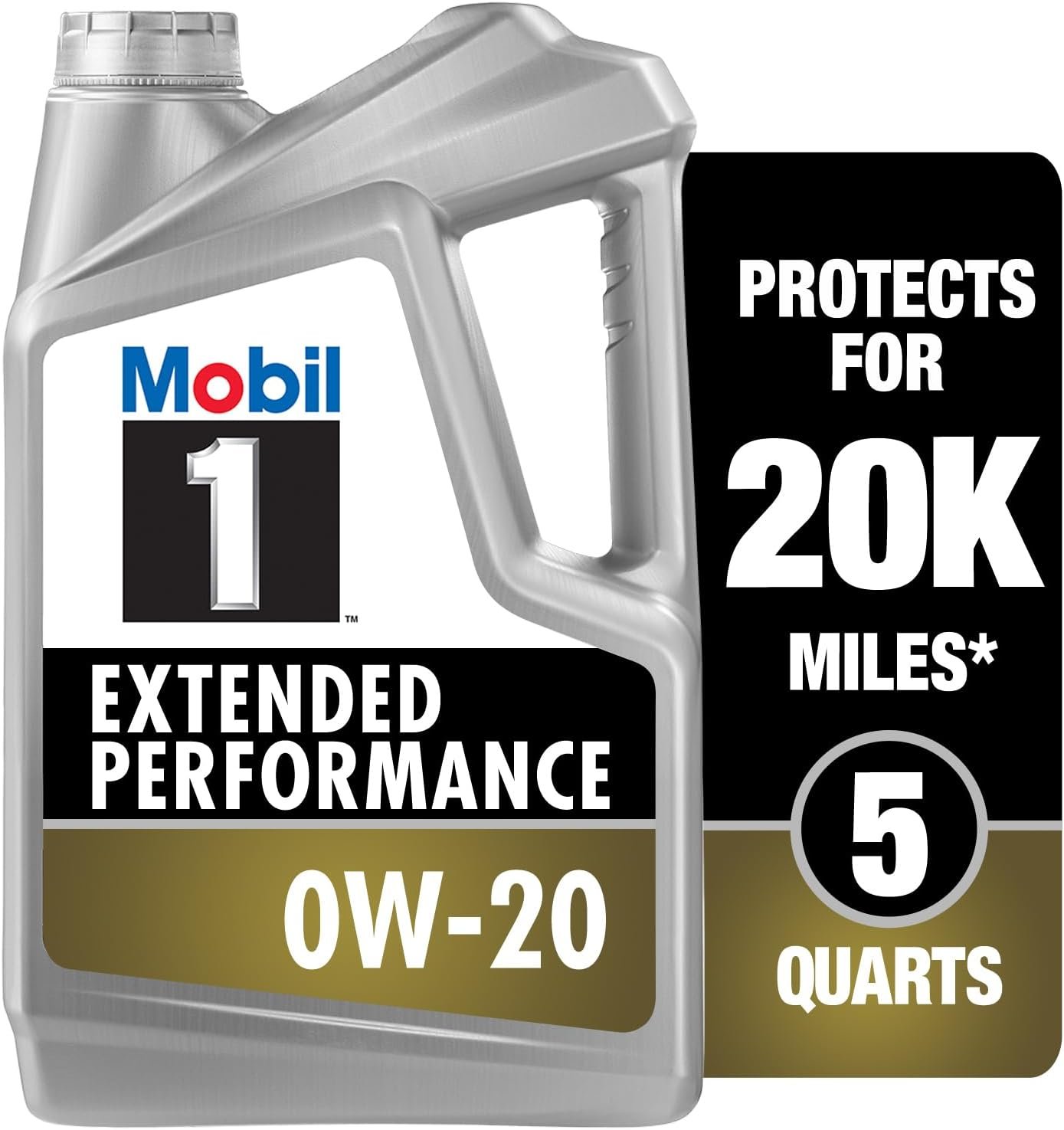
The Honda Accord 10th Gen 1.5L Turbo (L15BE) requires 4.0 quarts of API SP / ILSAC GF-6A compliant SAE 0W-20 full synthetic engine oil at every service. Use Honda Genuine 0W-20, Mobil 1 Advanced Fuel Economy, Castrol EDGE Advanced, or Valvoline Advanced Full Synthetic — all in 0W-20, all meeting API SP.
Change oil at 5,000 to 7,000 miles rather than waiting for the Maintenance Minder. Check the dipstick every 1,000 to 2,000 miles for rising levels and gasoline smell. Use 91 octane fuel as a minimum — this is the most cost-effective step you can take to protect against both oil dilution and the pre-ignition events responsible for head gasket failures on 2018-2019 models. Confirm with your Honda dealer that the ECU software update has been applied and that your vehicle falls under the extended warranty coverage. Owners who follow these practices will see reliable service well beyond 150,000 miles from this capable and efficient powertrain.
Our Top Picks
As an Amazon Associate, we may earn from qualifying purchases. This doesn't affect our recommendations — we only suggest oils that hold the exact OEM approval for your engine.