 Oil-
Oil-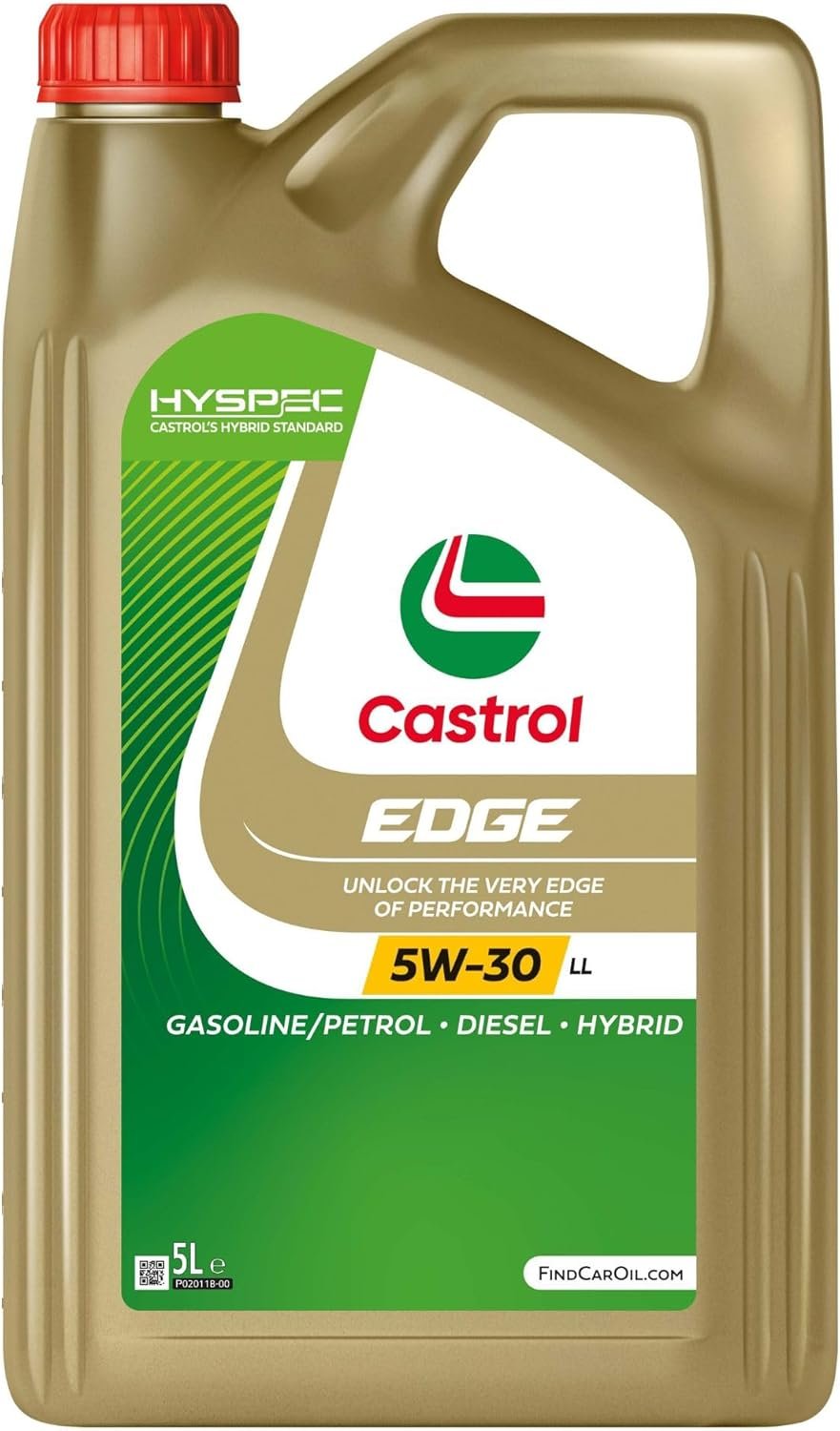
As an Amazon Associate, we may earn from qualifying purchases. This doesn't affect our recommendations — we only suggest oils that hold the exact OEM approval for your engine.
Best Engine Oil for Honda CR-V Mk3 2.2 i-DTEC (150 hp)
The Honda CR-V 3rd generation (RE6 chassis) 2.2 i-DTEC represents Honda’s most capable diesel in the UK market during its 2009–2012 production window — a period when Honda retrofitted a diesel particulate filter and revised the injection system to produce the N22B3 engine, creating a cleaner and more powerful diesel SUV than the i-CTDi model it replaced. Understanding the difference between the N22B3 and its predecessor, and why oil specification matters specifically to this engine, requires knowing exactly which engine you have.
Quick Answer: Recommended Oil
- Specification: ACEA C3, 5W-30 (fully synthetic)
- Alternative: 5W-40 ACEA C3 (for high-mileage engines or warmer climates)
- Oil capacity with filter: 5.5 litres
- Oil capacity without filter: approx. 5.0 litres
N22B3 vs N22A2 — A Critical Distinction
The 3rd generation CR-V diesel was sold in two distinct variants across its production life:
- N22A2: The earlier 2.2 i-CTDi, producing 140 hp, fitted without a DPF. This engine uses a different oil specification (ACEA A3/B4 or B5 is acceptable, as there is no DPF to protect).
- N22B3: The 2.2 i-DTEC, producing 150 hp, introduced from 2009 with a diesel particulate filter as standard. This is the engine covered here.
Both share the same 2,199 cc DOHC 16-valve architecture — bore × stroke approximately 85.0 mm × 96.9 mm — with common-rail direct injection and a variable-geometry turbocharger. The N22B3 brings revised injection calibration, updated combustion management, and the DPF for Euro 5 compliance. Timing is chain-driven on both variants.
The “i-DTEC” designation (replacing “i-CTDi”) specifically signals the DPF-equipped version in Honda’s branding. Always confirm the engine code before ordering oil — a CR-V registered before 2009 will likely carry the N22A2, requiring a different specification.
Understanding the Oil Specification
Honda does not publish a proprietary diesel oil standard in the way that BMW (Longlife-04), VW (507 00), or Mercedes (229.51) do. The N22B3 requirement is ACEA C3 5W-30 fully synthetic — the industry standard for DPF-equipped European diesels.
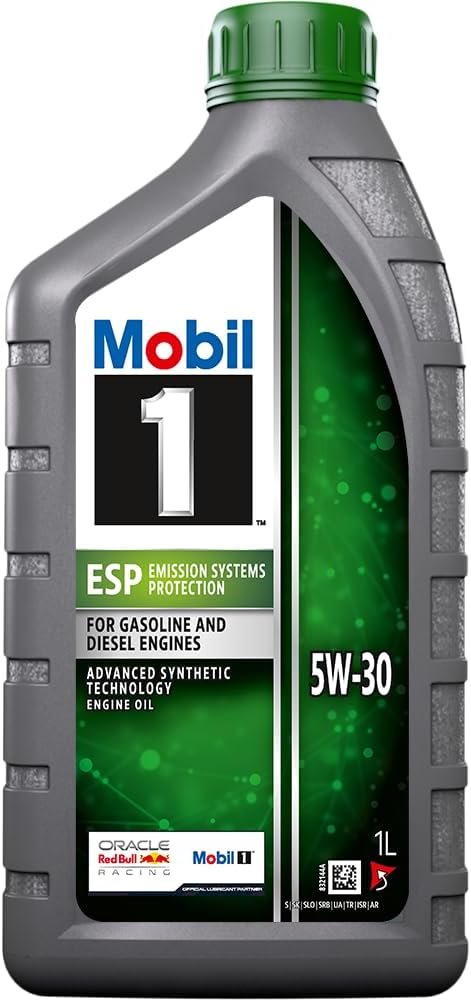
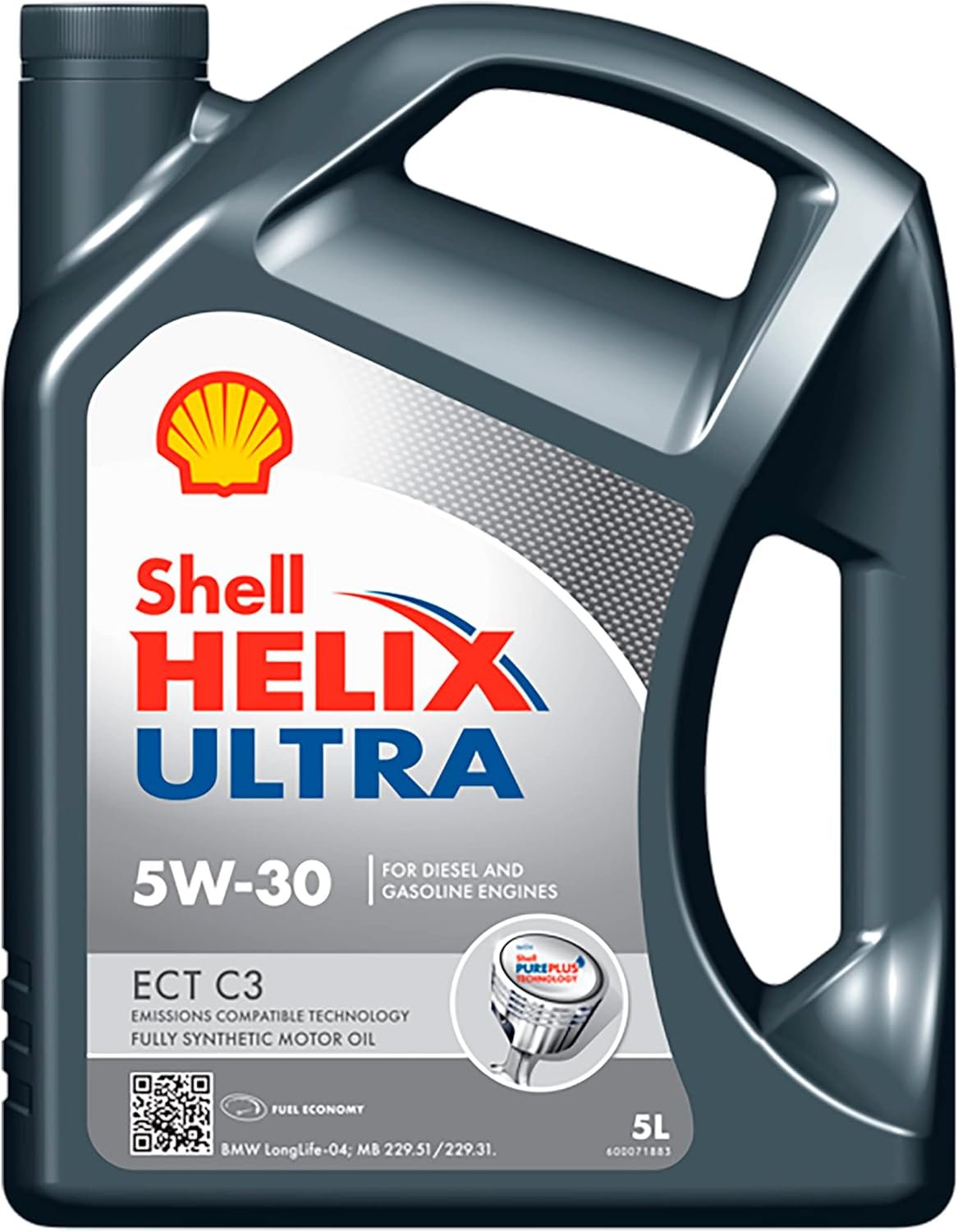
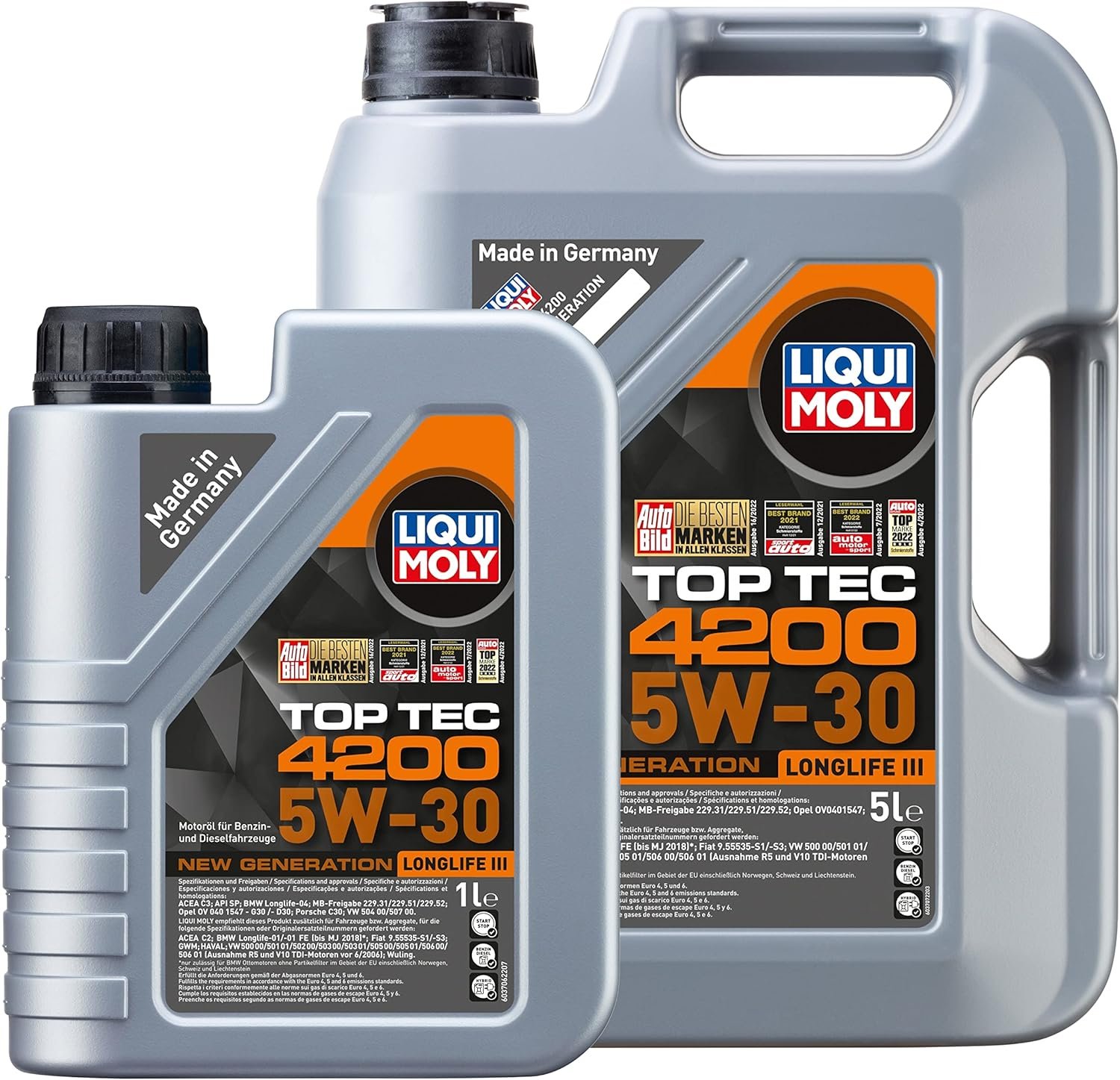
ACEA C3 is “mid-SAPS” chemistry: sulphated ash is capped at 0.8%, protecting the DPF from the irreversible ash loading caused by high-ash oils. Any quality ACEA C3 5W-30 from a reputable brand — Shell Helix Ultra ECT C3, Castrol Edge Professional, Mobil 1 ESP, Liqui-Moly Top Tec 4200 — meets this specification.
The absence of a Honda-specific norm does not mean any oil is acceptable. ACEA A3/B4 oils (typically 5W-40, higher sulphated ash) are explicitly unsuitable because they will shorten DPF service life. Some workshop databases still list the N22A2’s specification for i-CTDi models — cross-check with the engine code, not the model name.
Technical Specifications
| Specification | Value |
|---|---|
| Displacement | 2,199 cc |
| Layout | 4-cylinder inline, DOHC 16v, turbodiesel |
| Engine code | N22B3 |
| Power / Torque | 150 hp / 340 Nm |
| Injection system | Common-rail direct injection |
| Timing system | Timing chain |
| Turbocharger | Variable-geometry (VGT) |
| DPF | Standard on all N22B3 variants |
| Oil capacity (with filter) | 5.5 litres |
| Oil capacity (without filter) | approx. 5.0 litres |
| Recommended viscosity | 5W-30 |
| Alternative viscosity | 5W-40 |
| ACEA classification | C3 |
Oil Change Intervals
Honda specifies 15,000 km or 12 months for the N22B3. The recommended real-world interval is 10,000–12,000 km or 12 months for mixed UK driving. For predominantly urban use or short commuting journeys where DPF regeneration is incomplete, reduce to 7,500–10,000 km or 10 months.
The 5.5-litre capacity provides a reasonable dilution buffer, but the N22B3’s documented susceptibility to EGR and DPF issues means maintaining clean oil is a positive contribution to ongoing reliability.
Known N22B3 Problems and Why Oil Matters
EGR pipe cracking: This is the most documented specific fault on the N22B3 in UK service. The exhaust gas recirculation pipe — connecting the exhaust manifold to the EGR cooler — is prone to thermal fatigue cracking, typically at around 80,000–120,000 km. When it cracks, exhaust gas bypasses the EGR circuit and can cause rough running, increased smoke, and in severe cases coolant ingress into the intake. The repair is well-documented and straightforward, but identifying it early requires awareness of the symptom: rough idle developing progressively alongside an exhaust smell from the engine bay.
DPF blockage: Short-trip urban use prevents passive DPF regeneration. The N22B3’s DPF is standard fitment; active regeneration cycles require sustained higher-speed running. UK city drivers without regular motorway use are at elevated risk. Correct ACEA C3 oil slows DPF ash accumulation; monthly oil level checks are advisable to detect diesel dilution from incomplete regen cycles.
Timing chain stretch: Honda’s N22 chain is chain-driven and requires consistent oil quality to remain within specification throughout its service life. Extended oil intervals or incorrect oil (non-ACEA C3, or ACEA C3 that has degraded from long service) are documented contributors to chain guide and tensioner wear on this engine. A cold-start metallic rattle that clears within a few seconds is the early symptom of chain slack.
Turbocharger failures: Honda issued a recall on a subset of N22B3 engines (model years 2009–2010 in some markets) related to turbocharger failure. The failure mode was linked to inadequate lubrication at the turbo bearing, emphasising the importance of correct oil specification and fresh oil at the correct level. Check service records for completion of any outstanding recall campaigns.
Oil consumption: A proportion of higher-mileage N22B3 engines develop increased oil consumption — linked to valve stem seal wear and piston ring degradation. Regular dipstick checks between services are advisable above 100,000 miles; consumption of more than 0.5L per 5,000 km warrants investigation.
Conclusion
The Honda CR-V Mk3 N22B3 i-DTEC is a capable and generally reliable diesel SUV when maintained correctly. The critical maintenance points are: confirm it is the N22B3 (150 hp, with DPF, i-DTEC badging) not the N22A2; use ACEA C3 5W-30 exclusively; monitor for the EGR pipe cracking issue that is documented on this engine family; and change oil annually at a maximum of 12,000 km. The timing chain and turbocharger both benefit from clean oil at the correct viscosity — neither will announce imminent failure; both reward consistent maintenance with reliable high-mileage service.
Our Top Picks
As an Amazon Associate, we may earn from qualifying purchases. This doesn't affect our recommendations — we only suggest oils that hold the exact OEM approval for your engine.