 Oil-
Oil-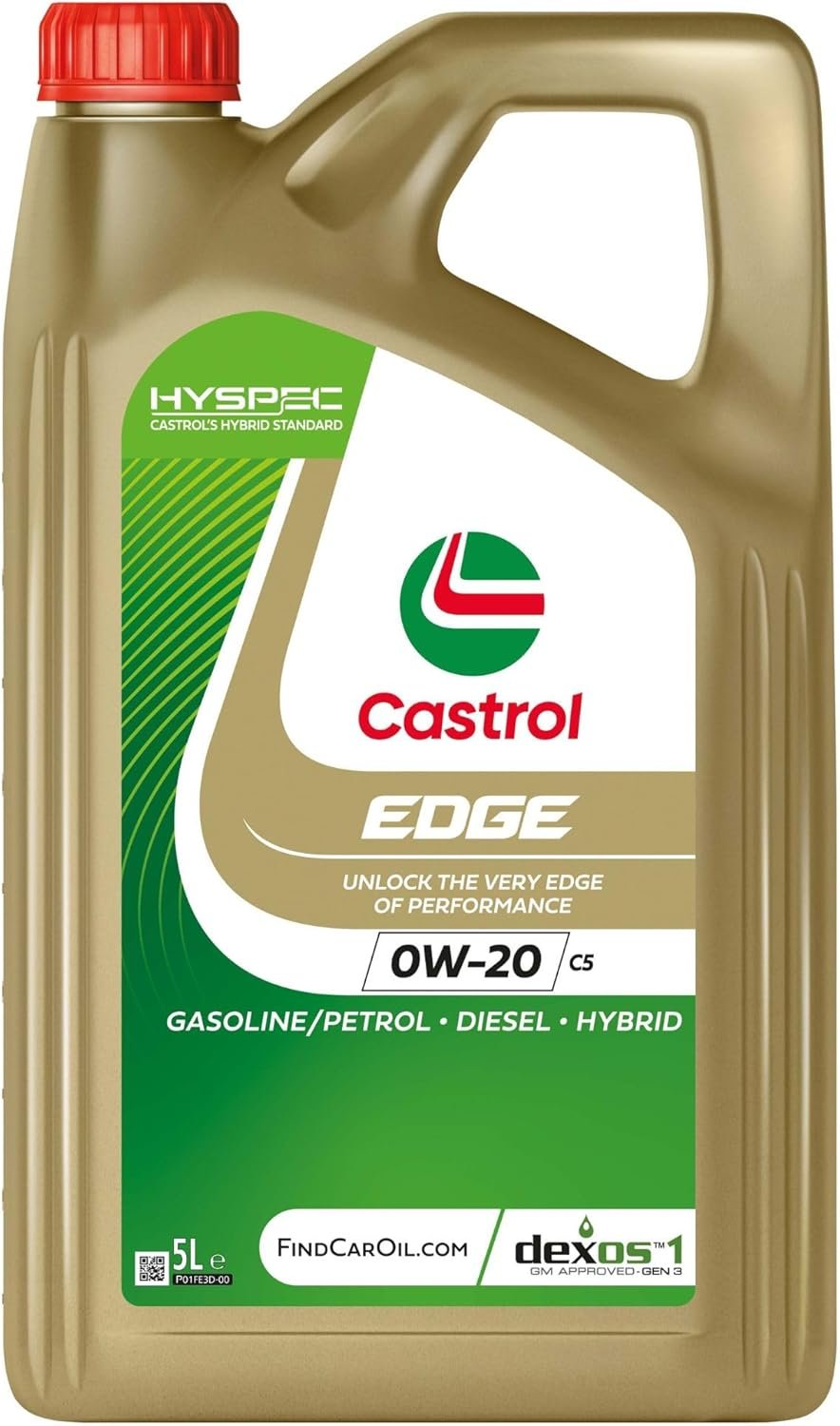

As an Amazon Associate, we may earn from qualifying purchases. This doesn't affect our recommendations — we only suggest oils that hold the exact OEM approval for your engine.
Best Engine Oil for Honda Civic 11th Gen 2.0 e:HEV Hybrid (184 hp)
The Honda Civic 11th generation (FL chassis, 2022–present) arrived in the UK with a fundamentally different drivetrain from its predecessors: the 2.0-litre i-MMD e:HEV system. This is not a mild hybrid, nor a conventional petrol with a small electric assist — it is a sophisticated series-parallel architecture where the combustion engine and two electric motors each play a distinct and carefully choreographed role. Choosing the correct engine oil is not a minor detail here. The LFC1 runs on the Atkinson cycle, operates within a narrower and more specific temperature range than a conventional engine, and in urban driving spends extended periods off or at light load — conditions that can concentrate fuel and moisture in the oil if the specification is wrong. Getting the viscosity and additive chemistry right is essential for protecting this engine across its full range of operating modes.
Quick Answer: Recommended Oil
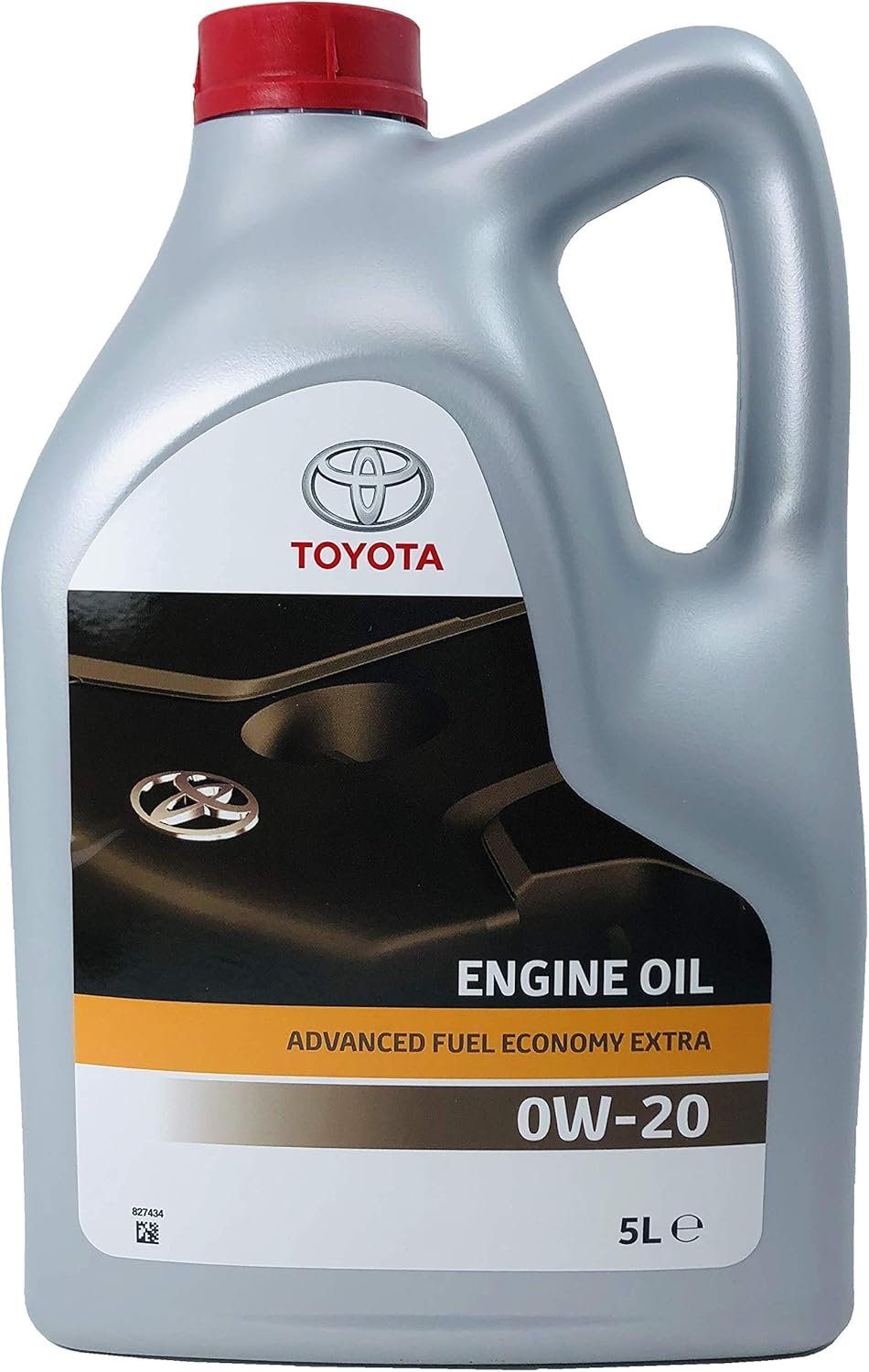
- Primary specification: Honda HTO-06, 0W-20, ACEA C5
- Alternative: 5W-30 ACEA C5 (acceptable in colder climates or if 0W-20 C5 is unavailable)
- Oil capacity (drain only): 4.0 litres
- Oil capacity (with filter): 4.2 litres
The LFC1 i-MMD Powertrain
The LFC1 is a 2.0-litre naturally aspirated four-cylinder built around an Atkinson-cycle combustion process — a thermodynamic design optimised for efficiency rather than outright performance. By extending the expansion stroke beyond what is possible in a standard Otto-cycle engine, and by delaying intake valve closure, the LFC1 sacrifices some low-rpm torque in exchange for a peak thermal efficiency of approximately 41%. That figure is exceptional for a mass-production passenger car engine.
What makes the i-MMD system genuinely novel is how it integrates this combustion engine with two electric motors and a modest lithium-ion battery pack. Honda refers to it as a series-parallel hybrid, but in practice it spends most of its urban driving life in series mode: the LFC1 acts as a generator, driving the rear electric motor that actually propels the car. There is no mechanical connection between the engine and the wheels in this mode. The engine only connects directly to the drivetrain — via a lock-up clutch — at sustained motorway speeds where it can operate in its most efficient rpm band, roughly 1,400–2,800 rpm. Honda calls this parallel mode.
The absence of a conventional multi-speed gearbox (Honda markets the system as e-CVT, though there are no continuously variable belts or pulleys — just the two electric motors and the lock-up clutch) means the LFC1 avoids the parasitic losses of traditional transmissions. Total system output is 184 hp, with the electric motor producing 135 kW (181 hp) and 315 Nm — enough to make the Civic e:HEV considerably more responsive off the line than the power figure suggests.
Understanding Honda’s 0W-20 HTO-06 Specification
Honda’s own HTO-06 classification, aligned with ACEA C5, is the benchmark requirement for the LFC1. This is a mid-SAPS (sulphated ash, phosphorus, sulphur) low-viscosity specification designed to work alongside modern three-way catalysts and gasoline particulate filters.
Why 0W-20 specifically? A thinner base oil reduces internal friction during the frequent cold starts that hybrid duty cycles generate. Because the LFC1 is switched off during much of urban driving and restarts repeatedly — sometimes dozens of times on a single journey — minimising the viscosity drag at each cold start reduces wear accumulation. The 0W flow characteristic ensures the oil reaches critical surfaces within seconds of ignition.
ACEA C5 vs C2: Both are low-SAPS specifications, but C5 mandates a lower High-Temperature High-Shear (HTHS) viscosity (minimum 2.6 mPa·s versus 2.9 mPa·s for C2). This further reduces friction in the hot, lightly loaded conditions the LFC1 frequently encounters in generator mode. Using an ACEA A1/B1 or A5/B5 oil without the low-SAPS chemistry would risk catalytic converter and GPF degradation over time — do not substitute a non-C category oil regardless of viscosity rating.
The 5W-30 alternative: Honda permits 5W-30 ACEA C5 where 0W-20 C5 is unavailable. The thicker cold-flow characteristic provides a marginal penalty at startup but is otherwise acceptable for the engine’s design tolerances. Ensure the C5 ACEA rating is present — a generic 5W-30 without the correct additive package is not a valid substitute.
Technical Specifications
| Parameter | Specification |
|---|---|
| Engine code | LFC1 |
| Displacement | 1,993 cc |
| Layout | Inline-4, transverse |
| Valvetrain | DOHC, 16-valve, i-VTEC |
| Combustion cycle | Atkinson |
| Bore × Stroke | 81.0 mm × 96.9 mm |
| Compression ratio | 13.9:1 |
| Peak ICE power | 107 kW (143 hp) @ 6,000 rpm |
| Peak motor power | 135 kW (181 hp) |
| System total output | 184 hp |
| Peak torque (motor) | 315 Nm |
| Thermal efficiency | ~41% |
| Recommended oil viscosity | 0W-20 (ACEA C5) |
| Alternative viscosity | 5W-30 (ACEA C5) |
| OEM oil standard | Honda HTO-06 |
| Oil capacity (drain) | 4.0 litres |
| Oil capacity (with filter) | 4.2 litres |
Oil Change Intervals
Honda specifies an oil life monitoring system (Maintenance Minder) for the Civic e:HEV rather than a fixed mileage interval. Under typical UK mixed driving, this generally triggers between 6,000 and 10,000 miles. Honda’s upper limit recommendation is 12 months or 12,500 miles, whichever comes first.
In practice, hybrid duty cycles — particularly urban use dominated by series mode — present a specific concern: fuel dilution. Because the LFC1 restarts frequently and runs for short periods at low load, unburnt fuel can enter the crankcase via the cylinder walls before full combustion temperatures are reached. Over time, this lowers oil viscosity and reduces the lubricating film strength. In predominantly urban use, consider changing oil at the lower end of the Maintenance Minder range (around 6,000–7,000 miles) rather than pushing to the maximum interval.
Annual oil changes are advisable regardless of mileage if the vehicle accumulates fewer than 6,000 miles per year.
Why Correct Oil Matters for the e:HEV
The LFC1’s Atkinson cycle operation means the engine runs at a higher compression ratio (13.9:1) than a comparable Otto-cycle unit. This places greater mechanical stress on piston rings, cylinder walls, and bearings during each compression event. An oil that is too thick will increase internal friction drag — directly measurable as reduced fuel efficiency, which defeats the purpose of the hybrid system. An oil without the correct low-SAPS additive package risks poisoning the catalytic elements over time.
The frequent cold restarts also mean the oil film is repeatedly broken down and rebuilt. The 0W cold-flow rating ensures that on each restart — whether the hundredth or the thousandth of the engine’s life — oil reaches the cam lobes and main bearings rapidly. Extended warmup periods are not available in series-parallel operation: the engine starts, generates electricity, and is switched off again, often within a few minutes.
Finally, the lock-up clutch that engages during parallel (motorway) mode introduces brief torsional loads at the crankshaft. While these loads are managed by the transmission control unit, adequate viscosity maintenance across the oil’s service life is important for bearing surface protection during these engagement events.
Common e:HEV Issues Related to Oil
The 11th-gen Civic e:HEV is a relatively young platform and has not accumulated the long-term reliability data of older Honda engines. Based on current owner reports and forum data:
Fuel dilution accumulation is the most commonly cited oil-quality concern in hybrid-specific discussions. Owners who predominantly drive short urban routes — precisely where the e:HEV’s EV mode should theoretically minimise engine running — may paradoxically be starting the engine more frequently for battery charging rather than sustained warmup runs. Regular oil condition checks (not just level checks) are recommended.
Battery-related issues have been reported in small numbers, manifesting as warning lights or inconsistent charge behaviour, though these are unrelated to lubrication.
Sticky or hesitant steering has been noted by some early UK owners and is subject to dealer investigation; again, unrelated to oil specification.
No widespread LFC1-specific mechanical failures attributable to lubrication have been documented. The engine design is closely related to Honda’s well-proven 2.0-litre i-MMD unit used in the CR-V and Accord e:HEV, which has an established track record.
Conclusion
The Honda Civic 11th Gen 2.0 e:HEV requires 0W-20 ACEA C5 oil meeting Honda’s HTO-06 standard, with a fill capacity of 4.2 litres including the filter. The 5W-30 ACEA C5 grade is acceptable as an alternative. Do not use non-C-category oils or any specification without verified ACEA C5 approval — the LFC1’s Atkinson cycle, high compression ratio, frequent cold restarts in series mode, and GPF system all demand the correct low-SAPS, low-viscosity formulation. Follow the Maintenance Minder system but cap intervals at 12 months or 10,000 miles in urban use to manage fuel dilution risk.
Our Top Picks
As an Amazon Associate, we may earn from qualifying purchases. This doesn't affect our recommendations — we only suggest oils that hold the exact OEM approval for your engine.