 Oil-
Oil-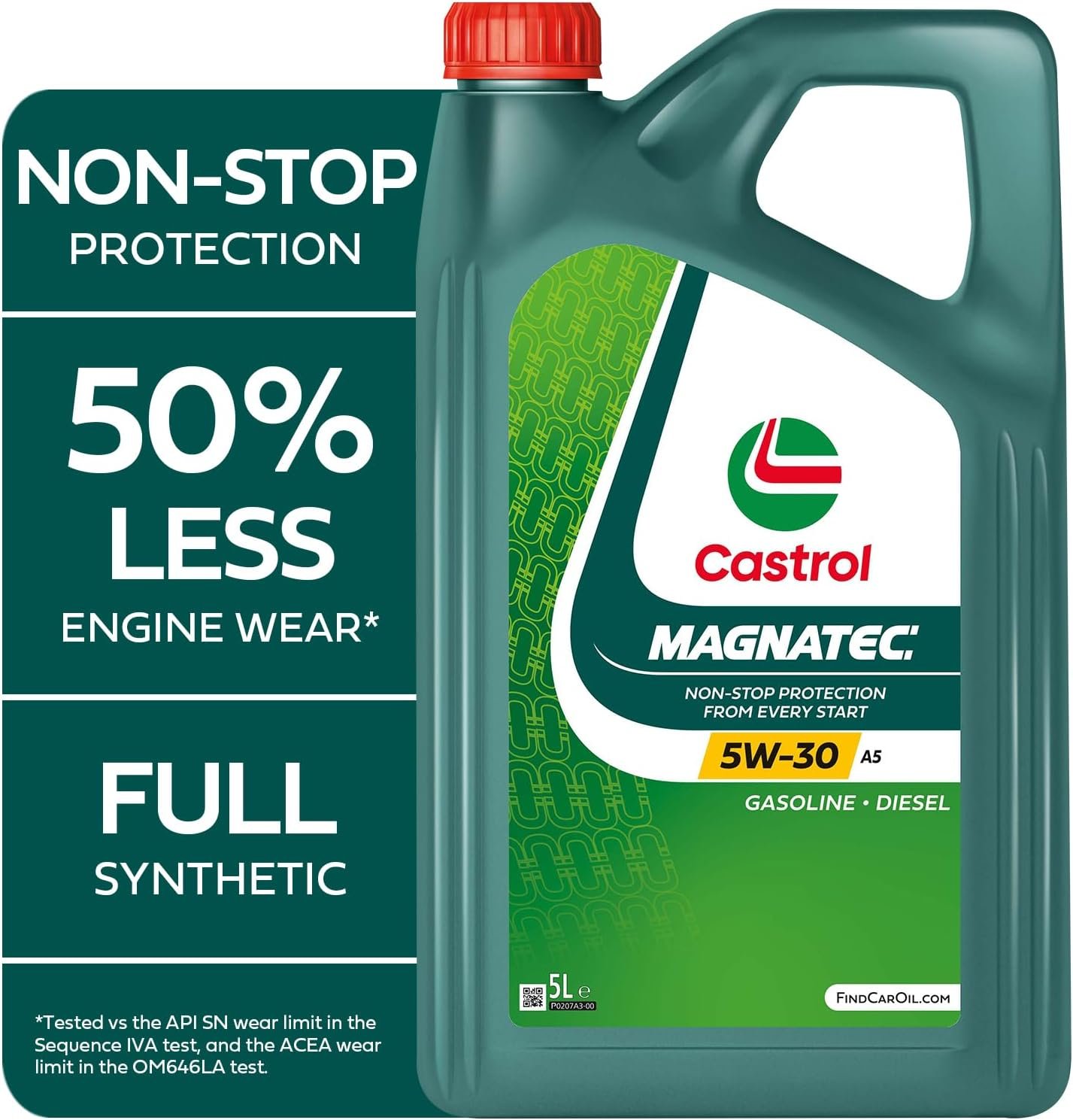
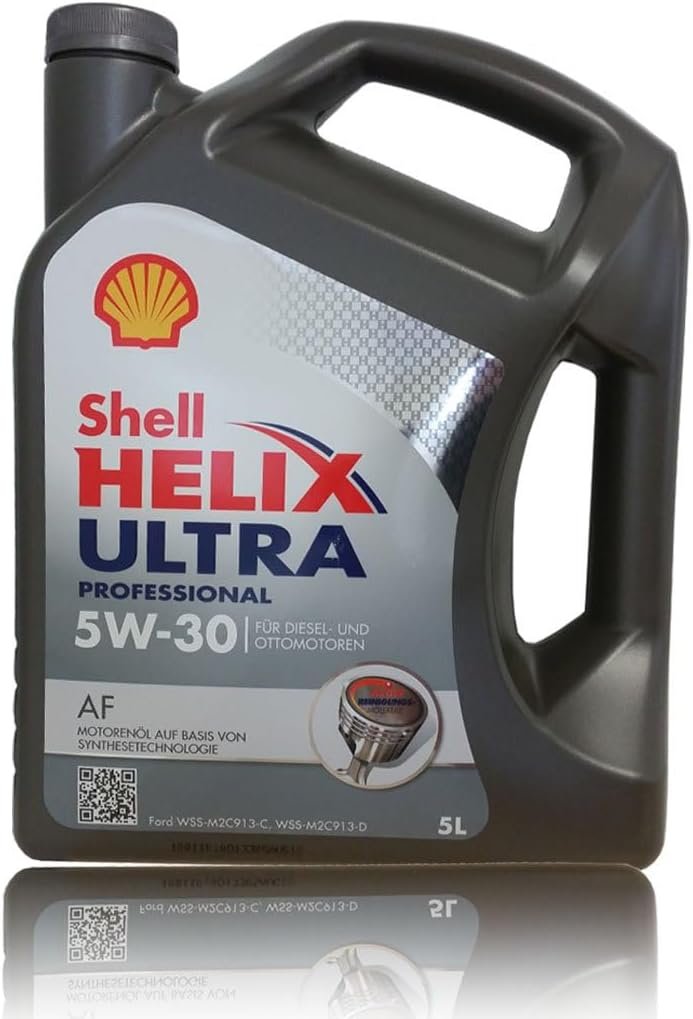
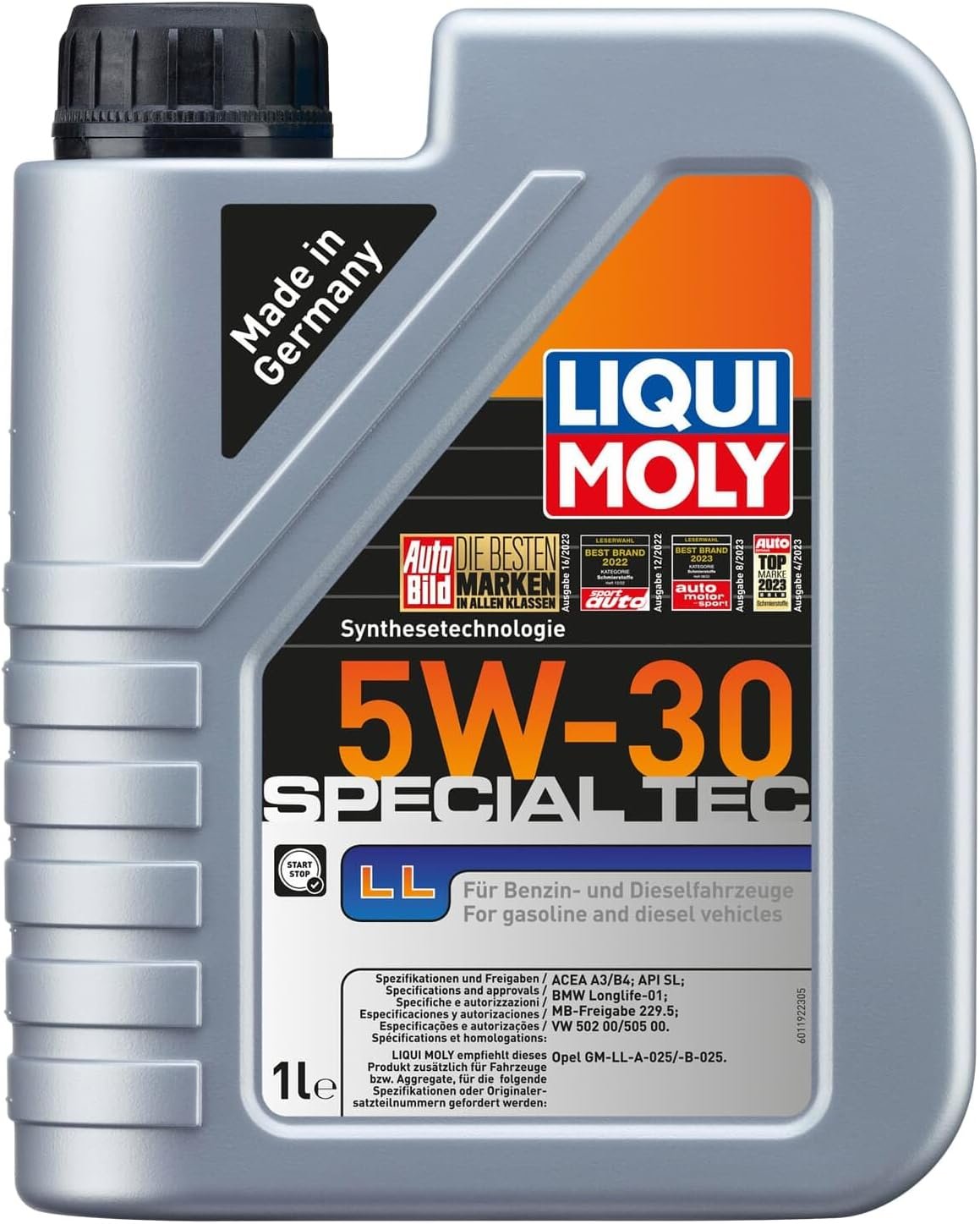
As an Amazon Associate, we may earn from qualifying purchases. This doesn't affect our recommendations — we only suggest oils that hold the exact OEM approval for your engine.
Best Engine Oil for Ford Focus Mk2 1.8 TDCi (115 HP)
The Ford Focus Mk2 (2004–2011) fitted with the 1.8 TDCi is one of the more interesting diesel family cars of its generation, largely because of what sits under the bonnet. While the smaller 1.6 TDCi next to it in the range used a PSA-sourced DV6 engine, the 1.8 TDCi is a Ford design through and through — the KKDA unit from the Lynx/Endura-D lineage, an iron-block common-rail diesel that Ford developed independently. That distinction matters in practice: the 1.8 has different oil requirements, different failure characteristics, and rewards different maintenance habits. Getting the oil right is the single most cost-effective thing you can do to protect this engine over the long term.
Quick Answer: Recommended Oil
For Ford Focus Mk2 1.8 TDCi (115 HP):
- Recommended viscosity: SAE 5W-30
- Alternative viscosity: SAE 5W-40 (older vehicles, high-mileage use)
- Oil capacity: 5.6 litres with filter (5.0 L without)
- Required norms: ACEA A5/B5, Ford WSS-M2C913-B
Key point: WSS-M2C913-B is Ford’s specification for this generation of 1.8 TDCi. It mandates a semi-synthetic or full-synthetic 5W-30 with specific film-strength and shear-stability requirements to protect the Bosch CP1 high-pressure fuel pump and turbocharger bearings. Do not substitute a generic 5W-30 without verified WSS-M2C913-B approval — the additive package differs meaningfully.
The KKDA Engine: Ford’s Own Lynx Diesel
The 1.8 TDCi in the Focus Mk2 carries the KKDA engine code, identifying it as part of Ford’s Lynx family — a diesel architecture Ford developed in-house, distinct from the PSA-derived engines used in the 1.6 TDCi variants sold in the same showroom. Understanding this distinction matters when sourcing oil, parts, and technical information; data sheets written for the 1.6 DV6 do not apply.
The KKDA is a 1,753cc four-cylinder unit built around a robust cast iron block. The iron block gives it superior thermal mass compared to all-aluminium rivals, which is one reason the 1.8 TDCi has a reputation for structural longevity — blocks rarely crack and bore wear is modest when oil changes are observed. The head is aluminium with a DOHC valvetrain. Power output is 115 HP at 3,700 RPM with 280 Nm of torque from 1,900 RPM, figures that made it one of the stronger diesel options in the C-segment when it launched.
Fuel delivery uses a Bosch common-rail system with the CP1 high-pressure pump, capable of injection pressures up to 1,350 bar. The turbocharger is a variable geometry unit; managing its vane position is one of the most failure-prone aspects of this engine in UK use.
Understanding Ford WSS-M2C913-B
Ford’s WSS-M2C913-B specification predates the stricter C-class ACEA norms introduced alongside widespread DPF fitment. The Focus Mk2 1.8 TDCi was sold without a DPF in most configurations (particularly pre-2008 models), which is why Ford specified ACEA A5/B5 rather than C2 or C3. A5/B5 oils still require low high-temperature high-shear (HTHS) viscosity — at least 2.9 mPa·s — which is what keeps the turbocharger bearings and KKDA’s overhead cam journals lubricated under sustained load.
WSS-M2C913-B also specifies minimum film strength at high temperatures, a requirement driven by the Bosch CP1 pump. The CP1 relies on engine oil for lubrication of its internal components via a dedicated feed line; inadequate oil viscosity or degraded additive packages accelerate pump wear, causing internal leakage and eventually loss of fuel pressure. This failure path is slow, insidious, and expensive — CP1 pump replacement costs £600–1,000 at a specialist. Correct oil is the primary defence.
If your Focus Mk2 1.8 TDCi is a later model (2008–2011) or has been retrofitted with a DPF, check whether the vehicle requires a C2 or C3 spec oil instead. When in doubt, the build plate or Ford dealer database will confirm the exact requirement for your VIN.
Technical Specifications: 1.8 TDCi (KKDA)
| Specification | Value |
|---|---|
| Displacement | 1,753cc (1.8 litres) |
| Layout | Inline-4, transverse, cast iron block, aluminium head |
| Valvetrain | DOHC, 16 valves, timing belt |
| Compression Ratio | 18.0:1 |
| Power | 115 HP @ 3,700 RPM |
| Torque | 280 Nm @ 1,900 RPM |
| Fuel System | Bosch common-rail direct injection, Bosch CP1 HP pump |
| Turbocharger | Variable geometry (VGT) |
| Recommended Viscosity | SAE 5W-30 |
| Oil Capacity (without filter) | 5.0 litres |
| Oil Capacity (with filter) | 5.6 litres |
| ACEA Norm | A5/B5 |
| Ford Norm | WSS-M2C913-B |
Oil Change Intervals
Ford Official Recommendation:
- 12,500 miles or 12 months (whichever comes first) under normal conditions
Recommended Practice: 10,000 miles or annually.
The 1.8 TDCi does not carry the extended drain intervals sometimes associated with newer engines. The Bosch CP1 pump, the variable vane turbo, and the KKDA’s conventional (non-DPF) architecture all benefit from fresh oil on a disciplined schedule. On a high-mileage example — particularly one that has spent its life on short urban runs — 7,500-mile intervals are a reasonable precaution.
Consider shorter intervals if:
- The vehicle is predominantly used for short trips under 10 miles
- Mileage exceeds 100,000 miles
- Oil appears heavily contaminated or has a diesel smell at the dipstick (CP1 pump internal leakage indicator)
- The vehicle has known turbo vane sticking issues (oil change can help flush accumulated deposits)
Why Correct Oil Matters for the 1.8 TDCi
The KKDA’s variable geometry turbocharger is the component most sensitive to oil quality. The VGT mechanism uses variable nozzle vanes controlled by a pneumatic actuator; these vanes are bathed in exhaust gases at temperatures that carbonise oil deposits onto their pivot points. Correct, low-deposit oil slows this fouling process. When vanes stick — either open or closed — the engine enters limp mode: power is capped, typically at around 2,800 RPM, and the car struggles above 70 mph. In the UK, this is one of the most commonly reported faults on the Focus Mk2 1.8 TDCi.
The Bosch CP1 pump is the second critical beneficiary of correct oil. Unlike later pumps, the CP1 draws lubrication from the engine oil circuit; its internal high-pressure plungers and delivery valves depend on oil film integrity. Degraded oil — whether from extended intervals, incorrect specification, or fuel dilution — accelerates pump wear directly.
The iron block tolerates heat well, but the aluminium head’s cam journals are more sensitive. The 5W-30 cold-flow properties ensure adequate lubrication on cold starts, which is when the majority of engine wear occurs regardless of block material.
Common 1.8 TDCi Problems Related to Oil
Turbocharger Vane Sticking
The single most reported fault on the Focus Mk2 1.8 TDCi is turbo vane sticking, generating fault code P2263 (Turbo/Supercharger Boost System Performance). The characteristic symptom is power loss under load above 60–70 mph, often with the car cutting to a reduced-power mode. The variable nozzle vanes accumulate carbon from exhaust gas recirculation soot and oil vapour deposits; they seize in position and can no longer modulate boost pressure correctly.
In many cases, early-stage sticking responds to forced regeneration using the turbo actuator, or specialist cleaning with a catalytic cleaner introduced through the intake. More advanced cases require turbo removal and manual cleaning or replacement. Correct oil specification and regular changes reduce the rate at which deposits accumulate, extending intervals between cleaning cycles.
Dual-Mass Flywheel Wear
The Focus Mk2 1.8 TDCi is fitted with a dual-mass flywheel (DMF) that dampens the high combustion pulses characteristic of a diesel engine with an 18:1 compression ratio. The DMF uses spring-damping chambers that gradually wear out. Symptoms include vibration at idle (particularly on a cold start that subsides after a minute or two), a rattling sound from the bellhousing at low RPM, and shudder when pulling away. This is a mechanical wear item rather than an oil-related failure, but it is worth noting because the vibration signatures overlap with those caused by seized turbo vanes; misdiagnosis is common. DMF replacement costs £500–800 fitted and is typically needed between 80,000–120,000 miles.
Bosch CP1 Pump Internal Wear
The CP1 high-pressure pump’s internal plungers and seats wear over time, causing internal fuel bypass that reduces rail pressure. Early symptoms are hard cold starts, rough idling, and hesitation under load. As wear progresses, the fuel pressure deficit triggers fault codes and limp mode. The failure is accelerated by incorrect oil, extended oil drain intervals, or diesel fuel contamination of the oil. Checking rail pressure with a diagnostic tool is the fastest way to distinguish pump failure from injector or EGR-related running issues.
EGR Valve Fouling
The EGR valve on the KKDA recirculates exhaust gas to reduce NOx emissions. Over time — particularly on vehicles used predominantly in urban stop-start driving — the valve and intake manifold accumulate soot deposits that restrict gas flow and cause rough running below 2,000 RPM. A throttle-area clean every 30,000–40,000 miles is standard preventive maintenance. While not directly oil-related, EGR fouling increases soot load in the oil and makes the case for shorter drain intervals on urban-use vehicles.
Conclusion
The Ford Focus Mk2 1.8 TDCi KKDA requires SAE 5W-30 engine oil meeting ACEA A5/B5 and Ford WSS-M2C913-B, with a capacity of 5.6 litres including the filter. The alternative 5W-40 viscosity is appropriate for high-mileage or worn engines where additional film thickness helps compensate for increased clearances. Change oil at 10,000-mile intervals or annually, shortening to 7,500 miles for urban use. The KKDA’s iron-block construction gives it genuine durability, but the Bosch CP1 pump and variable geometry turbo are the weak points — both are directly protected by correct oil quality and timely changes. Treat those two components well and this engine will cover very high mileages reliably.
Our Top Picks
As an Amazon Associate, we may earn from qualifying purchases. This doesn't affect our recommendations — we only suggest oils that hold the exact OEM approval for your engine.