 Oil-
Oil-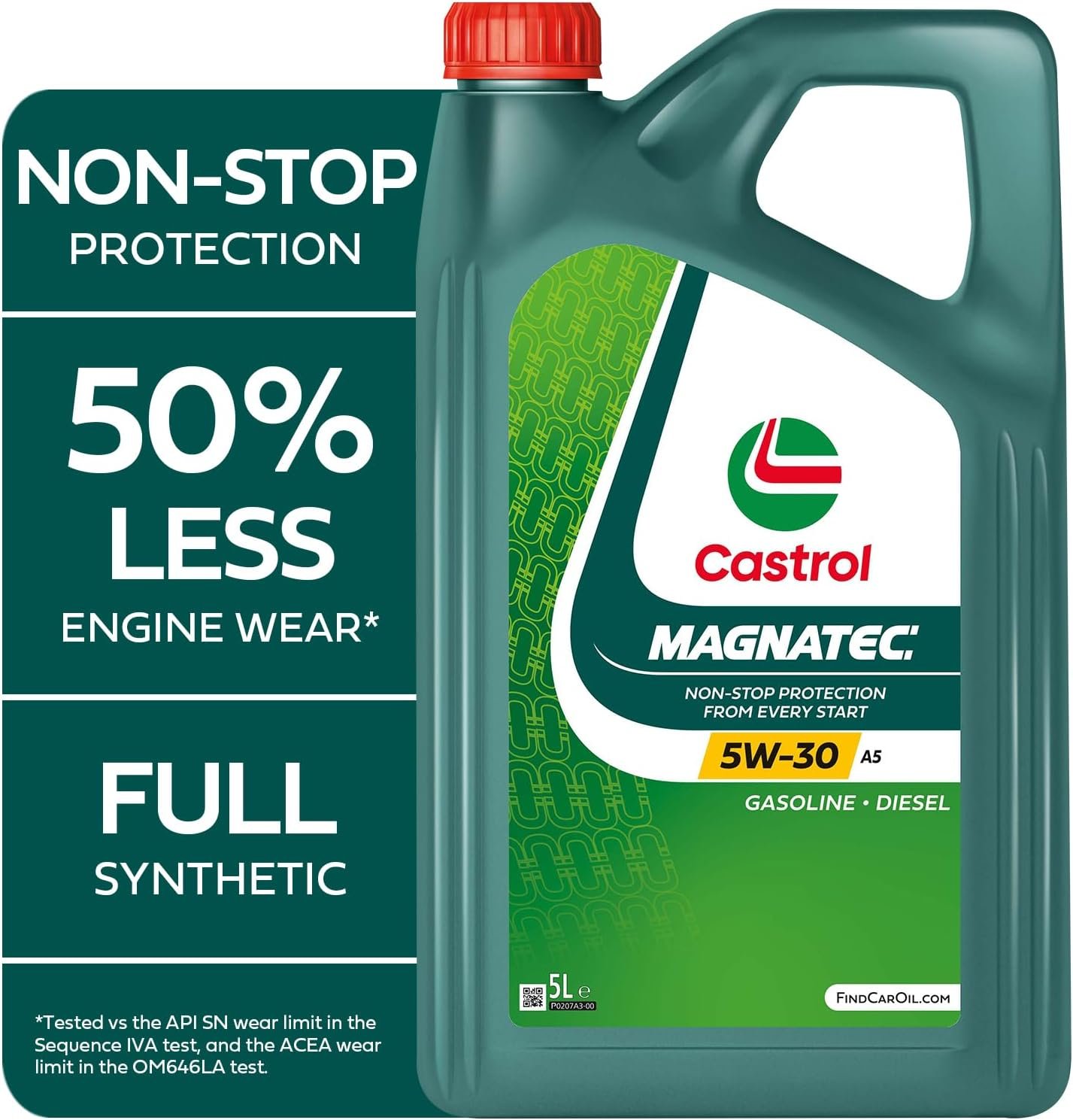
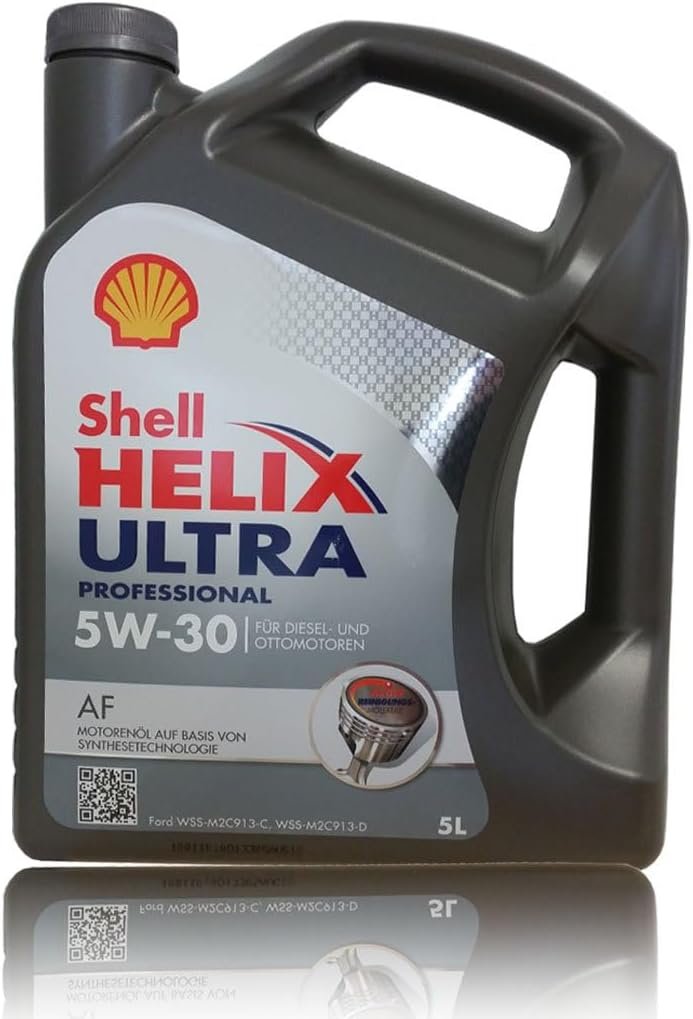
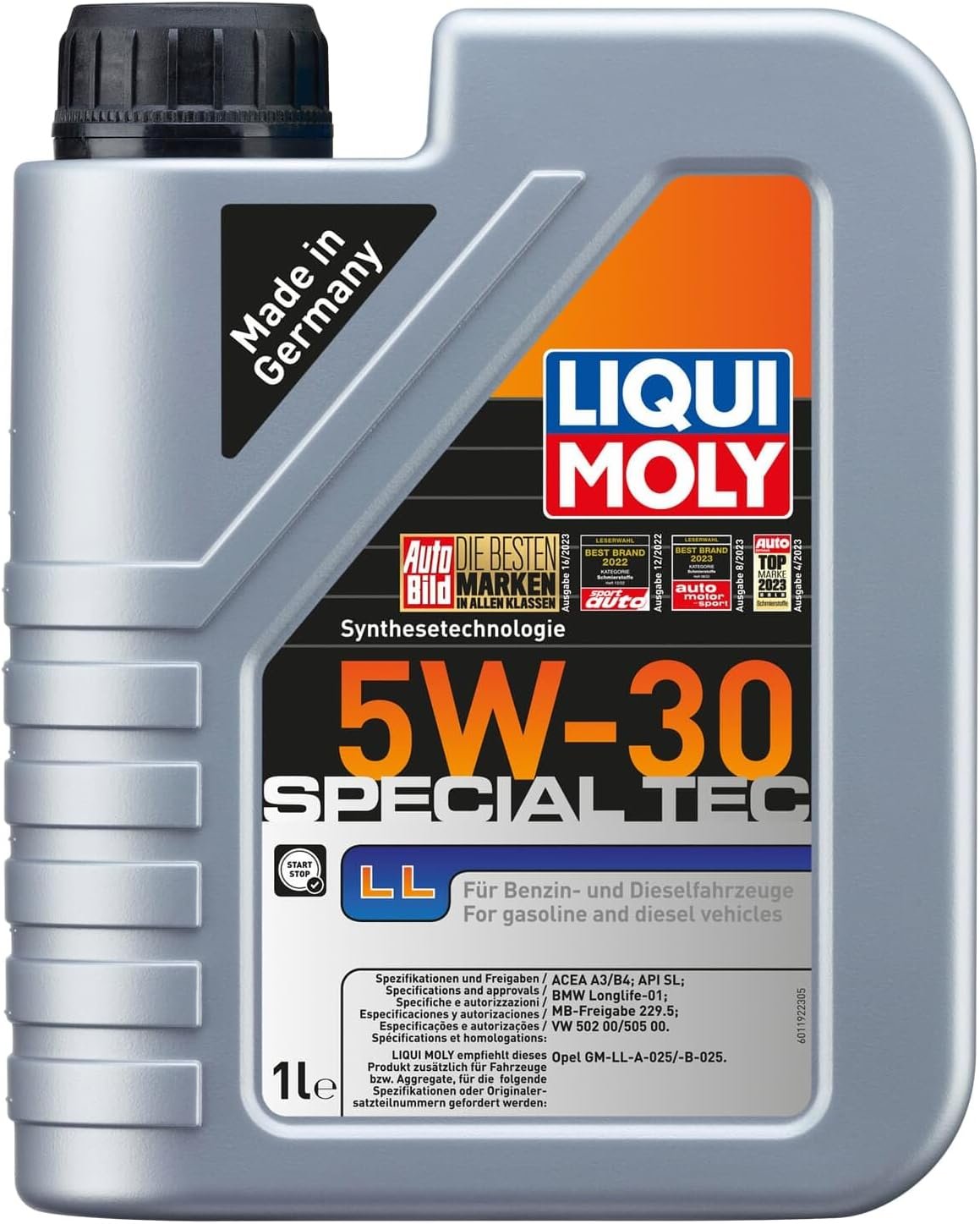
As an Amazon Associate, we may earn from qualifying purchases. This doesn't affect our recommendations — we only suggest oils that hold the exact OEM approval for your engine.
Best Engine Oil for Ford Mondeo Mk3 2.0 TDCi (130 hp) – N7BA Engine Guide
The Ford Mondeo Mk3 2.0 TDCi is one of the unsung heroes of the European diesel era. Introduced in 2000 and carrying through to the end of Mk3 production in 2007, the 130 hp variant powered by the N7BA engine established a reputation for quiet, long-legged motorway cruising and, with proper maintenance, remarkable longevity. Survivors with over 250,000 miles on the clock are not rare — but they all share one thing in common: the right oil, changed on time. Using the incorrect viscosity or an oil that does not meet Ford’s WSS-M2C913-D specification can accelerate wear in the high-pressure fuel system and turbocharger, two components that define the character of this engine. This guide gives you the exact specification you need.
Quick Answer: Recommended Oil
- Primary specification: Ford WSS-M2C913-D, ACEA A5/B5
- Recommended viscosity: 5W-30 (full synthetic)
- Alternative viscosity: 5W-40 (where 5W-30 WSS-M2C913-D is unavailable)
- Oil capacity (drain only): 5.7 litres
- Oil capacity (with filter change): 6.0 litres
Always change the filter at every oil service. The N7BA carries a relatively large sump for a 2.0-litre four-cylinder — a consequence of its origins in a 2.4-litre architecture — so never estimate the fill; measure carefully and check on the dipstick.
The N7BA Engine: Lynx Diesel, a Family Built to Last
The 2.0 TDCi N7BA belongs to the PSA/Ford “Lynx” diesel family, more precisely the DW10/Endura-DI series developed collaboratively by Ford and PSA Peugeot Citroën in the late 1990s. This cooperation produced a suite of four-cylinder diesel engines sharing fundamental architecture: cast-iron block, aluminium cylinder head, a single overhead camshaft driven by a toothed belt, and a common-rail direct injection system.
What makes the Lynx family genuinely interesting is its reach beyond the Ford product range. Variants of this engine family were fitted to Jaguar X-Type diesels, early Land Rover Freelander 2 models, and a wide range of PSA vehicles under Peugeot and Citroën badges. This cross-brand deployment meant engineering resources from several manufacturers contributed to refining and resolving early issues — a benefit that owners of the Mondeo Mk3 ultimately enjoyed.
The N7BA specifically displaces 1,998 cc, with a bore of 85 mm and a stroke of 88 mm, giving a slightly oversquare configuration. The common-rail system operates at injection pressures up to 1,600 bar in this generation, managed by a Bosch EDC unit. Power output of 130 hp arrives at 4,000 rpm, with peak torque of 330 Nm between 1,750 and 2,500 rpm — a spread that makes the engine feel effortlessly flexible in everyday driving.
Bosch CP1 and Delphi Pump Variants
One detail worth understanding before buying or servicing an N7BA Mondeo is that two different high-pressure fuel pump suppliers were used across the production run. Early and mid-production cars predominantly used the Bosch CP1 pump; some later variants used a Delphi unit. Both designs are common-rail pumps supplying fuel at rail pressures above 1,300 bar under full load.
The CP1 has a strong reputation in Ford diesel circles. It is robust when fed clean fuel and correctly specified oil — because a small quantity of diesel fuel lubricates the pump’s internal components, and ultra-low sulphur fuel puts additional demands on the system. Using an oil that meets WSS-M2C913-D matters here: oils certified to this standard provide the correct film strength without contributing deposits that could migrate into the fuel system via crankcase ventilation.
The Delphi pump variants are less common in the Mk3 Mondeo but appear in related PSA applications. Where fitted, the same cleanliness standards apply. Any evidence of contamination in the fuel filter housing is a strong signal to investigate further before damage propagates to the injectors.
Understanding Ford’s WSS-M2C913-D Specification
Ford introduced the WSS-M2C913 specification series specifically for modern diesel engines requiring low-viscosity, fuel-efficient lubricants. The “D” revision — the one applicable to the N7BA and subsequent Ford TDCi engines — aligns with the ACEA A5/B5 performance category.
ACEA A5/B5 oils are defined by their “energy conserving” characteristics: they use a High Temperature High Shear (HTHS) viscosity of 2.9–3.5 mPa·s, sitting between the very low HTHS of A1/B1 oils and the full-bodied A3/B3 category. This means they provide genuine friction reduction at operating temperature while maintaining adequate film thickness under the demanding conditions inside a turbocharged diesel.
What this means practically:
- A standard 5W-40 oil meeting only ACEA A3/B4 (common in older oil specifications) is not incorrect, but it is not what Ford engineered the engine for. The slightly higher HTHS viscosity can reduce the fuel economy benefit and, over time, may contribute to marginally higher operating temperatures in the turbocharger bearing housing.
- A 0W-30 oil meeting A5/B5 is theoretically acceptable by viscosity grade but is not recommended: the N7BA was developed before ultra-low viscosity diesel oils became common, and Ford’s recommendation remains 5W-30 for the production era of this engine.
- Never use a 10W-40 or 15W-40 mineral or semi-synthetic oil. These grades are too viscous at cold start for the tight tolerances of the common-rail pump and turbocharger, and they do not meet the A5/B5 energy-conserving standard.
If you cannot source a WSS-M2C913-D certified oil, the closest acceptable fallback is a 5W-30 full synthetic meeting ACEA A5/B5. The Ford specification effectively codifies ACEA A5/B5 with additional Ford-specific bench tests for seal compatibility and high-temperature deposit control.
Technical Specifications
| Specification | Detail |
|---|---|
| Engine code | N7BA |
| Engine family | Ford/PSA Lynx (Endura-DI / DW10) |
| Displacement | 1,998 cc |
| Bore × stroke | 85.0 mm × 88.0 mm |
| Compression ratio | 18.0:1 |
| Power output | 130 hp (96 kW) at 4,000 rpm |
| Peak torque | 330 Nm at 1,750–2,500 rpm |
| Fuel system | Common-rail direct injection, Bosch CP1 or Delphi HPFP |
| Injection pressure | Up to 1,600 bar |
| Turbocharger | Garrett variable geometry (VGT) |
| Valvetrain | SOHC, 8v (2 valves per cylinder) |
| Recommended viscosity | 5W-30 |
| Oil specification | Ford WSS-M2C913-D / ACEA A5/B5 |
| Oil capacity (without filter) | 5.7 litres |
| Oil capacity (with filter) | 6.0 litres |
Oil Change Intervals
Ford’s factory service interval for the Mk3 Mondeo TDCi is up to 12,500 miles or 12 months, whichever occurs first, under normal conditions. In practice, for a diesel engine of this generation — particularly one used on shorter urban journeys where the engine does not fully warm through — a more conservative interval of 8,000–10,000 miles or 12 months is widely recommended by experienced Mondeo owners and independent specialists.
The reasoning is straightforward: diesel blow-by and fuel dilution are accelerated by cold, short-trip operation. The Lynx engine’s crankcase ventilation system routes blow-by gases back through the intake, and over a long service interval this can contribute to deposit build-up in the EGR system and on intake valves. Fresh oil at shorter intervals keeps internal engine temperatures honest and dilution in check.
Severe duty conditions — regular towing, sustained high-rpm motorway use, or repeated cold starts — warrant the shorter end of this range without exception.
Why Correct Oil Matters for the N7BA
The N7BA’s turbocharger is fed by pressurised oil from the main gallery and drains back to the sump under gravity. At cold start, this bearing housing is momentarily oil-starved until pressure builds — a process that takes seconds with a 5W-30 full synthetic and measurably longer with a thicker, conventional oil. The turbocharger bearing in this engine is a plain journal type running at up to 180,000 rpm under load, and the quality of the oil film during those first seconds of each cold start cumulatively determines bearing life over 200,000 miles.
The Bosch CP1 pump carries its own internal lubrication demand. Fuel-lubricated components inside the pump rely on the correct fuel cleanliness, but oil cleanliness matters equally because the pump’s drive shaft seal is in close proximity to the engine’s front cover. Any oil that has degraded and thickened — whether through extended intervals, thermal breakdown, or moisture contamination — will increase load on that seal and can contribute to front cover seepage that is sometimes misdiagnosed as a head gasket symptom.
Finally, the correct HTHS viscosity of an A5/B5 oil ensures that the hydraulic lash adjusters (where fitted) and piston cooling jets (where fitted in later variants) operate within design parameters. Over-viscous oil can slow hydraulic adjuster response, manifesting as a characteristic tapping noise on cold start that disappears as the engine warms — harmless in isolation, but a signal that the oil specification may be wrong.
Common N7BA / Mondeo Mk3 TDCi Problems Related to Oil
EGR valve fouling: The EGR (exhaust gas recirculation) valve on the N7BA is a known maintenance item, particularly on cars used predominantly for short journeys. Soot and oil vapour deposits accumulate on the EGR valve pintle and seat, causing it to stick open or closed. An open EGR at idle causes rough running and black smoke; a stuck-closed valve will trigger a fault code but rarely causes running issues. Regular cleaning at service, or fitting an EGR blanking plate on high-mileage examples no longer requiring an MOT emissions test, is a common resolution.
HPFP contamination: A small proportion of N7BA engines — more often in earlier production years — experienced issues with the high-pressure fuel pump releasing metallic particles (“swarf”) into the high-pressure fuel circuit. This contamination damages injectors rapidly and irreversibly. The cause is typically traced to premature pump wear, exacerbated by using incorrect or degraded fuel. The symptom is usually a sudden loss of power combined with white or grey smoke; by the time symptoms appear, injector damage has often already occurred. Preventive maintenance — regular fuel filter replacement at or before 20,000 miles, and immediate attention to any starting hesitation — is the best defence.
Dual-mass flywheel (DMF) wear: The Mondeo Mk3 TDCi was fitted with a dual-mass flywheel as standard, necessary to absorb the torque pulses of the common-rail diesel and protect the manual gearbox. DMFs are a wear item, and on high-mileage cars (typically above 120,000 miles) the internal spring dampers can weaken, producing a characteristic rattle at idle and judder during low-speed clutch engagement. Replacement is significant in cost; pairing a new DMF with a clutch kit is standard practice when either component is removed. It is worth noting that many Mk3 Mondeo TDCi owners have reported DMFs lasting well past 150,000 miles with no modification — the design is not inherently weak, but it does not benefit from being driven aggressively from cold.
Conclusion
The Ford Mondeo Mk3 2.0 TDCi N7BA is a diesel engine that rewards attentive ownership with exceptional longevity. The formula is straightforward: use a 5W-30 full synthetic that meets Ford WSS-M2C913-D and ACEA A5/B5, change it at 8,000–10,000-mile intervals, replace the fuel filter regularly, and address EGR deposits before they become a running problem. Do this, and there is no reason this engine cannot continue well past 250,000 miles. Deviate from the specification, extend the service interval, or ignore early warning signs in the fuel system, and the repair bills will be significant. The choice, as ever, is made at the point of service.
Our Top Picks
As an Amazon Associate, we may earn from qualifying purchases. This doesn't affect our recommendations — we only suggest oils that hold the exact OEM approval for your engine.