 Oil-
Oil-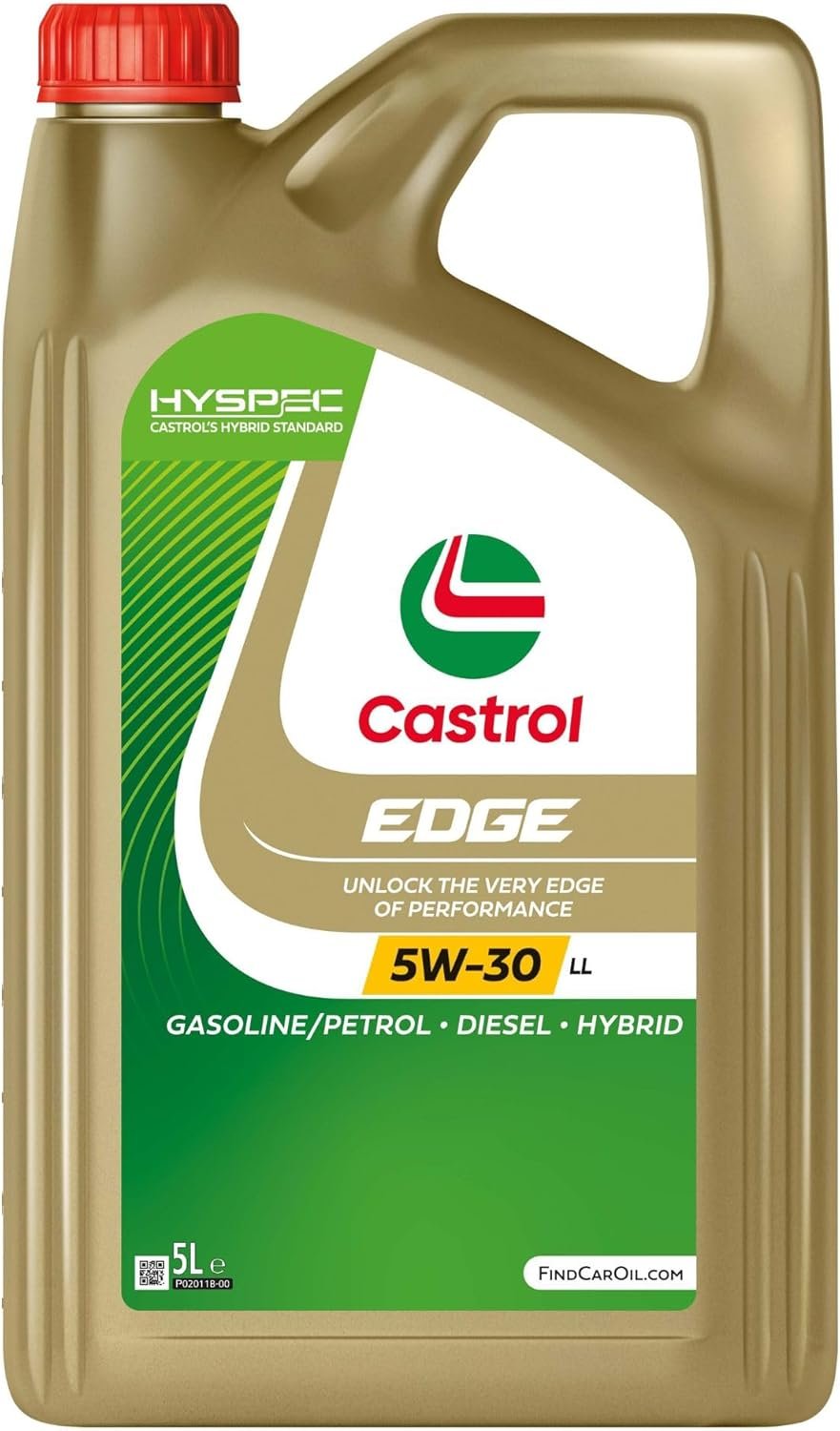
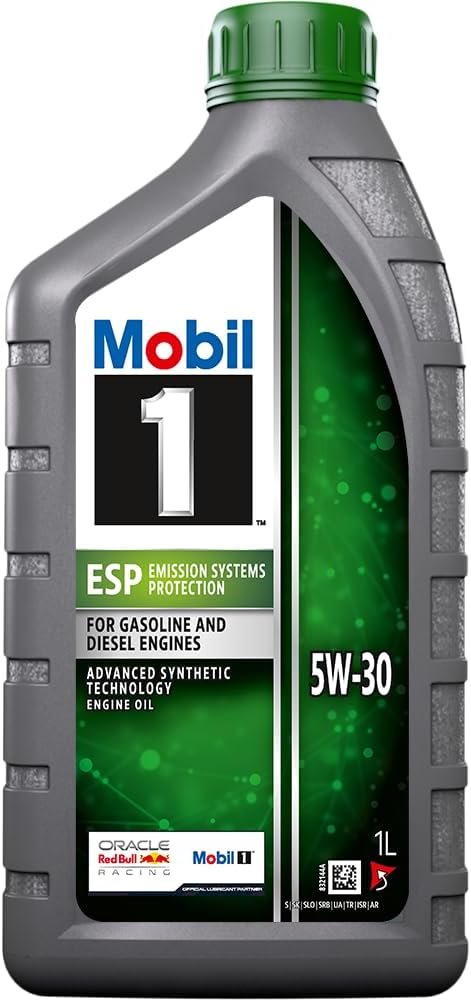
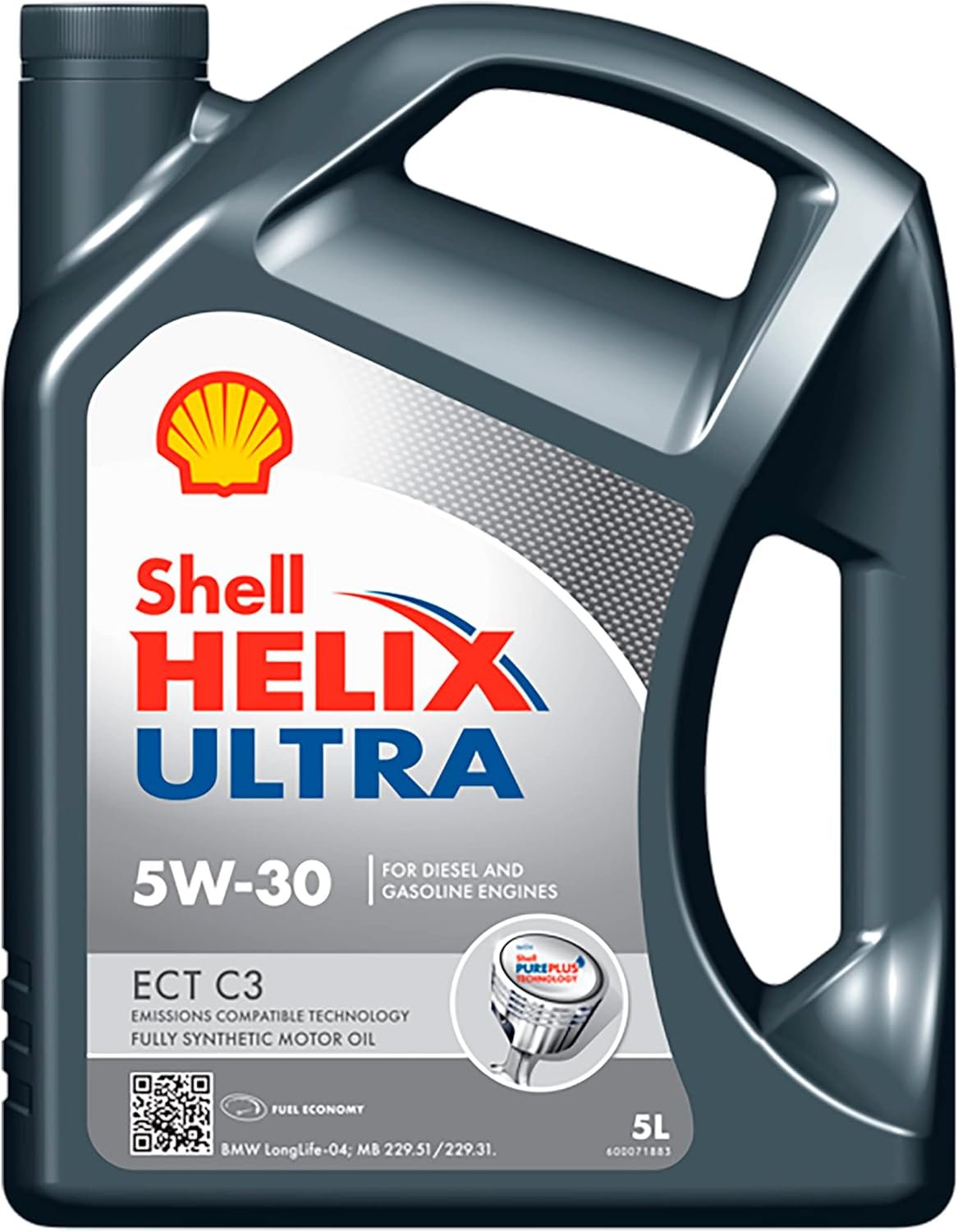
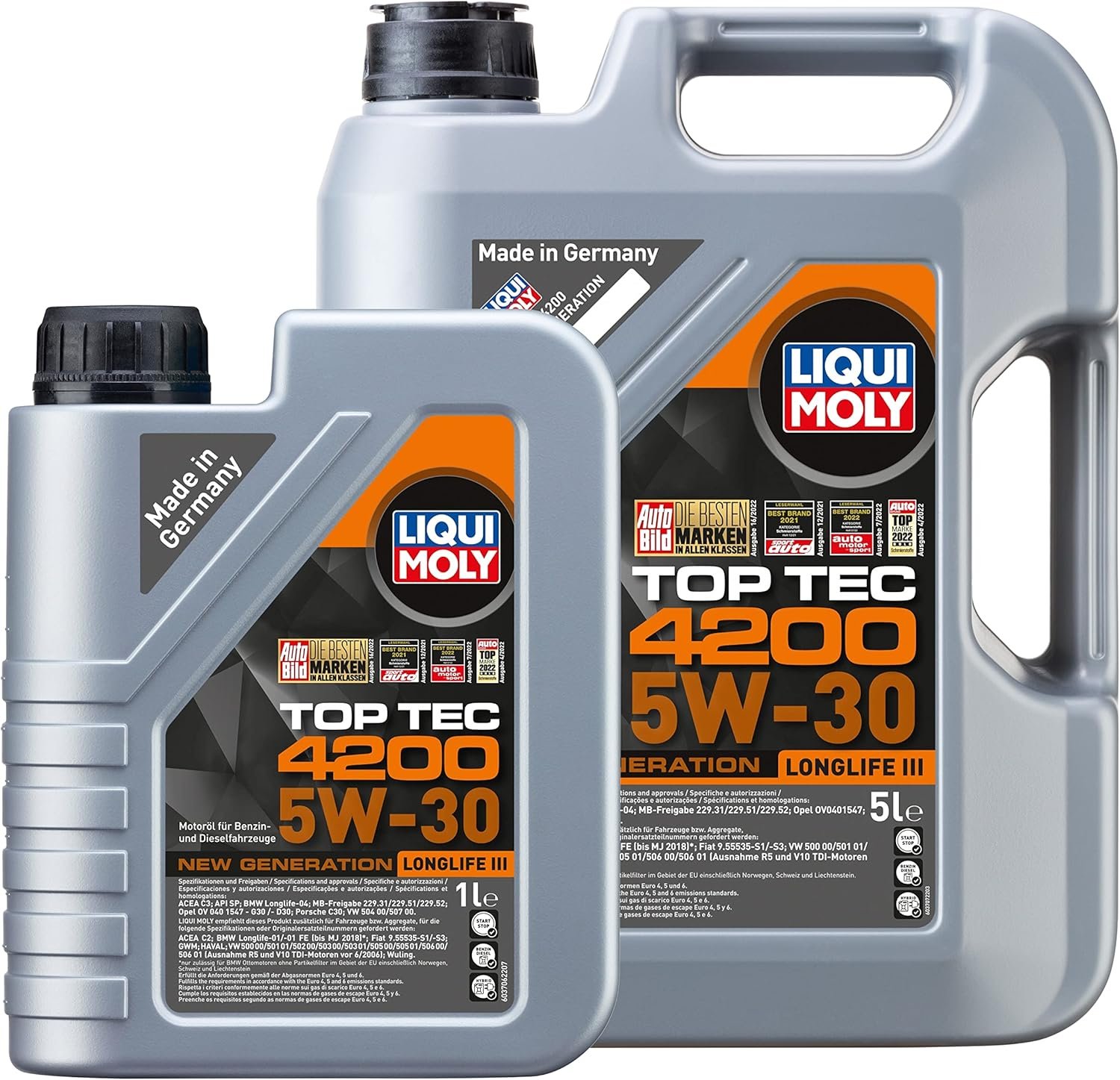
As an Amazon Associate, we may earn from qualifying purchases. This doesn't affect our recommendations — we only suggest oils that hold the exact OEM approval for your engine.
Best Engine Oil for BMW E90 320d (N47D20A) – Specifications & Capacity
The BMW E90 320d was one of the most popular diesel saloons in Britain throughout the late 2000s and early 2010s. Its 2.0-litre N47D20A unit offered a compelling mix of performance and efficiency, producing either 163 hp or 177 hp depending on production year and tune, while delivering strong torque of up to 380 Nm. It felt refined, punchy, and ideally suited to motorway cruising.
It is also an engine with a complicated legacy. The N47 is infamous for a rear-mounted timing chain design that has resulted in catastrophic failures for a significant number of owners. Oil quality and change frequency are not just maintenance recommendations for this engine — they are genuinely critical to long-term survival. Getting both right is one of the most impactful decisions an E90 320d owner can make.
Quick Answer: Recommended Oil
- Primary specification: 5W-30, BMW LL-04, ACEA C3
- Alternative viscosity: 0W-30 (must still meet BMW LL-04 and ACEA C3)
- Oil capacity (drain and refill): 5.0 litres
- Oil capacity (with filter change): 5.2 litres
The N47D20A Engine
BMW introduced the N47 family in 2007 to replace the ageing M47. It was a modern, all-aluminium 2.0-litre four-cylinder diesel featuring common-rail direct injection, a variable-geometry turbocharger, and a piezoelectric injector system for refined combustion. The engine met Euro 4 and, in later form, Euro 5 emissions standards, and was one of the cleanest diesel units available in its class at the time.
Power outputs in the E90 320d varied across production. Early N47D20A engines produced 163 hp (120 kW) and 360 Nm of torque. Later revisions lifted output to 177 hp (130 kW) and 380 Nm. A six-speed manual gearbox was standard, with a six-speed automatic available as an option.
The engine uses a closed crankcase ventilation system and a diesel particulate filter as standard on most UK-market cars. It also features swirl flaps in the inlet manifold — a design element that, as discussed below, causes its own reliability concerns.
Understanding BMW LL-04 Oil Specification
BMW’s Long Life-04 (LL-04) specification is one of the more stringent OEM oil standards in the automotive industry. It was developed specifically for BMW diesel engines equipped with diesel particulate filters, and it defines requirements that go well beyond generic ACEA C3 compliance.
Why LL-04 matters for the N47:
BMW LL-04 oils are formulated with a low sulphated ash content (SAPS), which is essential for protecting the DPF from premature clogging. High-ash oils deposit metallic residues inside the filter matrix over time, restricting exhaust flow and forcing more frequent regeneration cycles. This additional thermal stress shortens DPF life significantly.
Beyond DPF protection, LL-04 oils must also demonstrate excellent oxidation resistance and maintain viscosity stability across wide operating temperature ranges. For the N47, this viscosity stability at cold start is particularly critical — the timing chain relies on rapid oil pressurisation within seconds of start-up, and a thin or degraded oil film at that moment increases wear exponentially.
5W-30 vs 0W-30: Both grades are approved under BMW LL-04. The 5W-30 is the standard recommendation and suits the UK climate well year-round. The 0W-30 flows marginally faster at very cold temperatures and is acceptable where genuine low-temperature starts are a concern, but for most UK drivers the 5W-30 is the correct choice.
Do not use 5W-40 oils in this engine, even ACEA C3-rated ones, unless they carry an explicit BMW LL-04 approval. The sulphated ash limits and additive chemistry differ in ways that can harm the DPF and may not provide adequate protection for the N47’s timing chain system.
Technical Specifications
| Parameter | Detail |
|---|---|
| Displacement | 1,995 cc |
| Engine layout | Inline-4, all-aluminium |
| Fuel system | Common-rail direct injection |
| Turbocharger | Single VGT (variable geometry) |
| Power output | 163 hp (120 kW) / 177 hp (130 kW) |
| Torque | 360 Nm / 380 Nm |
| Oil capacity (without filter) | 5.0 litres |
| Oil capacity (with filter) | 5.2 litres |
| Recommended viscosity | 5W-30 |
| Alternative viscosity | 0W-30 |
| OEM oil standard | BMW LL-04 |
| ACEA classification | C3 |
| Euro emissions standard | Euro 4 / Euro 5 |
Oil Change Intervals
BMW’s Long Life service system, which came fitted to many E90s, calculates oil change intervals dynamically — in theory extending to 18,000 miles or two years in optimal conditions. For the N47, this approach is widely regarded by specialists as high-risk.
Recommended practice for N47 owners: change oil every 8,000 to 10,000 miles or annually, whichever comes first.
This is not excessive caution. The N47’s timing chain — discussed in detail below — relies on consistently clean, full-viscosity oil for lubrication of the chain guides, tensioner, and sprockets. Degraded oil loses viscosity at operating temperature, reducing the protective film between metal surfaces. At the same time, soot loading in diesel oil causes it to thicken at cold start, slowing pressurisation to the timing system.
Short-run driving (urban use, trips under 10 minutes) accelerates oil contamination considerably. Owners who use their E90 320d predominantly in town should consider 6,000-mile intervals.
The N47 Timing Chain: A Known Failure Point
No article about the BMW E90 320d is complete without addressing the N47 timing chain issue directly. It is one of the most documented and consequential design problems in recent BMW history, affecting a large proportion of engines built between approximately 2007 and 2010.
The design problem: Unlike most modern engines, where the timing chain is located at the front of the block and easily accessible, BMW positioned the N47’s timing chain at the rear of the engine — between the block and the gearbox. Replacement therefore requires removing the gearbox, making the job both labour-intensive and expensive. This design decision was primarily made for packaging and NVH reasons, but it created a serious accessibility problem for maintenance.
The failure mechanism: The chain, guide rails, and tensioner on early N47 units were under-engineered for their design life. Chain stretch begins prematurely, causing the tensioner to extend to its limit. Once tensioner travel is exhausted, chain slack develops, guide rails crack or fracture, and the chain can jump sprocket teeth. In the worst cases, the chain snaps entirely. Because the valvetrain loses synchronisation with the crankshaft instantly, the pistons strike the open valves — resulting in total engine destruction.
Warning signs: A rattling or clattering noise from the rear of the engine on cold start is the primary symptom. It typically diminishes after the engine warms up and oil pressure builds. Many owners initially dismiss this as normal diesel noise. It is not. Any rattle from the rear of the N47 on cold start must be investigated immediately.
Oil’s role in chain longevity: Oil quality directly affects the rate of timing chain wear. Fresh oil with correct viscosity maintains the hydraulic film on chain links and guide surfaces. Degraded oil — particularly oil run past its service life — loses its anti-wear additives and viscosity stability, causing metal-to-metal contact to increase. Running the correct BMW LL-04 specification and changing it at shorter-than-BMW-recommended intervals is the single most effective measure an owner can take to extend N47 chain life.
Practical advice: Many independent specialists recommend preventative timing chain replacement at 60,000 to 80,000 miles, regardless of whether noise is present. The cost of a preventative replacement (typically £1,200–£1,800 at an independent specialist) is substantially lower than a full engine rebuild following catastrophic failure.
Swirl Flap and EGR Failures
The N47 also suffers from two additional known failure points that owners should be aware of.
Swirl flaps: The inlet manifold contains variable swirl flaps designed to improve combustion at low loads. The flaps are mounted on a plastic spindle that degrades over time. When they fail, fragments can be ingested directly into the combustion chamber, causing severe valve and piston damage. Removal and blanking of swirl flaps is a common preventative modification on high-mileage N47 engines.
EGR cooler: The exhaust gas recirculation cooler is prone to cracking, allowing coolant to enter the intake system. Symptoms include white smoke from the exhaust, coolant loss without visible external leaks, and rough idling. If left unaddressed, coolant contamination of the oil causes accelerated bearing wear throughout the engine. An EGR cooler failure on an engine already struggling with timing chain wear is a serious compounding risk.
Why Correct Oil Matters for the N47
The cumulative picture of N47 reliability — rear timing chain, swirl flap failures, EGR cracking — underlines why oil choice matters more than average for this engine.
The timing chain’s hydraulic tensioner relies on oil pressure. Any condition that delays oil pressurisation at start-up (wrong viscosity grade, old degraded oil, low oil level) extends the window of metal-to-metal contact during those first seconds of running. Over tens of thousands of cold starts, this cumulative wear adds up directly to chain stretch.
Beyond the chain, the N47’s turbocharger bearings, camshaft lobes, and high-pressure fuel pump drive all depend on clean, correctly formulated oil. An engine already predisposed to several stress points deserves the full protection of a fresh, approved lubricant changed on a conservative schedule.
Conclusion
The BMW E90 320d is a rewarding car to own and drive, with strong performance and real-world efficiency. The N47D20A engine, however, demands respect and proactive maintenance. Use only a BMW LL-04 approved 5W-30 (or 0W-30) ACEA C3 oil, fill to 5.2 litres with a filter change, and change it every 8,000–10,000 miles rather than following BMW’s extended Long Life intervals. Monitor for cold-start rattle from the rear of the engine and act on it immediately if it appears. With the right oil and shortened service intervals, you give the N47 the best possible chance of a long and reliable service life.
Our Top Picks
As an Amazon Associate, we may earn from qualifying purchases. This doesn't affect our recommendations — we only suggest oils that hold the exact OEM approval for your engine.