 Oil-
Oil-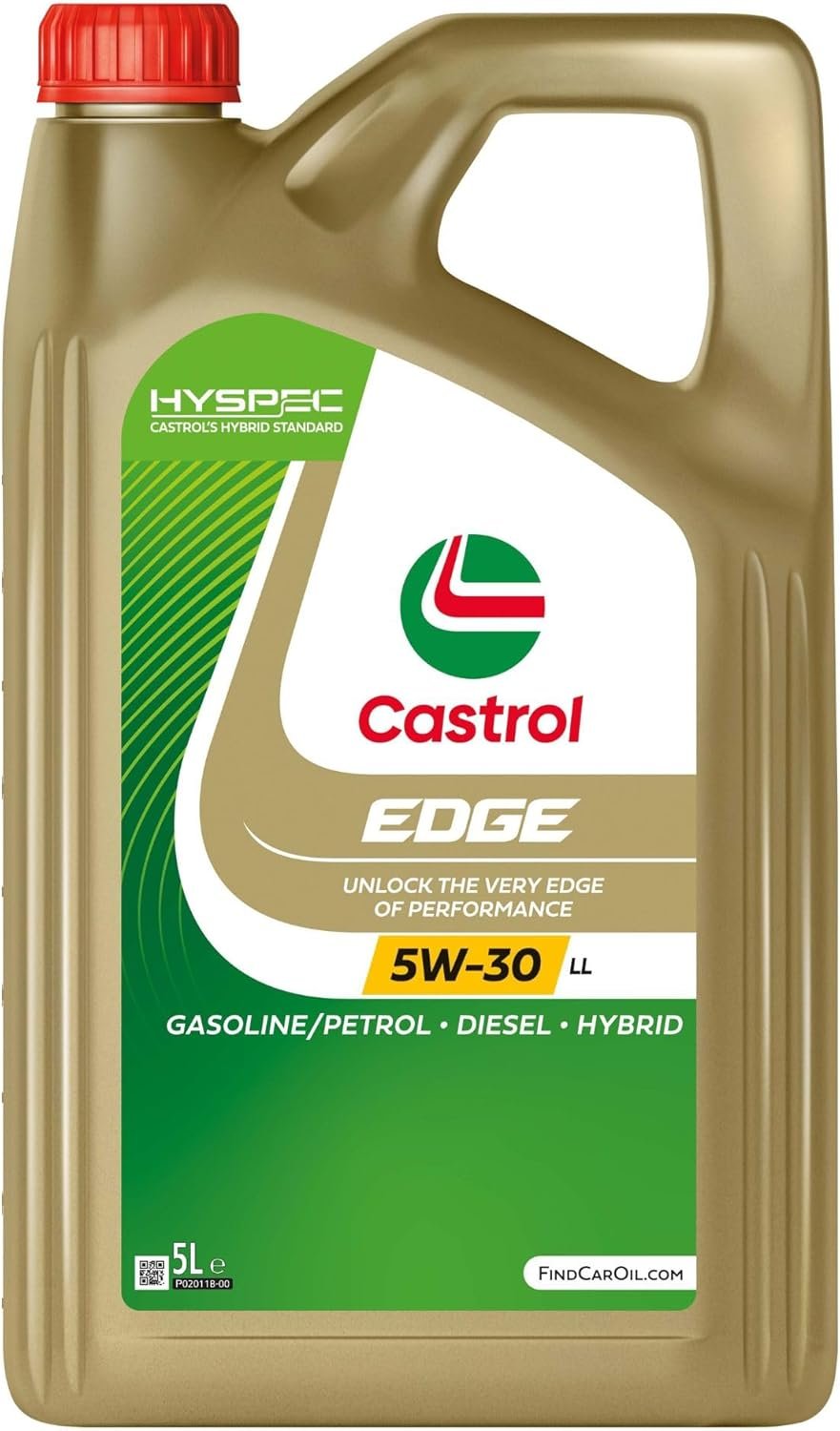
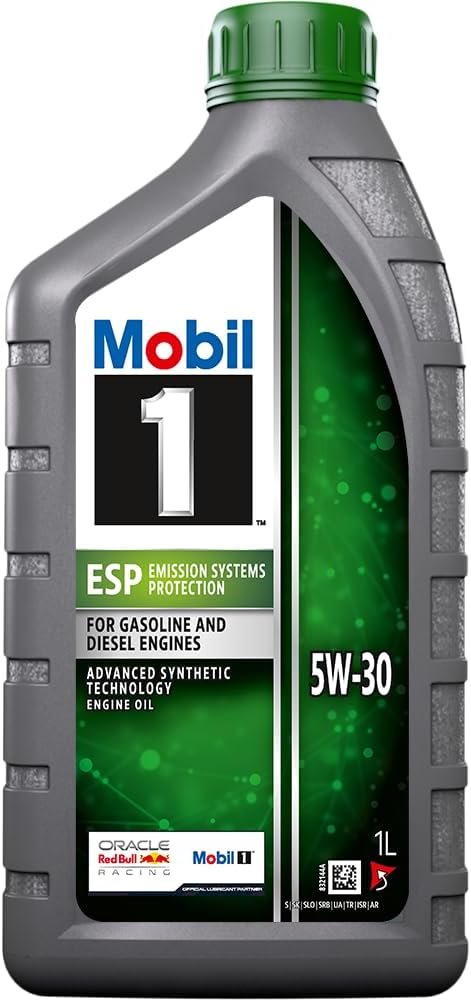
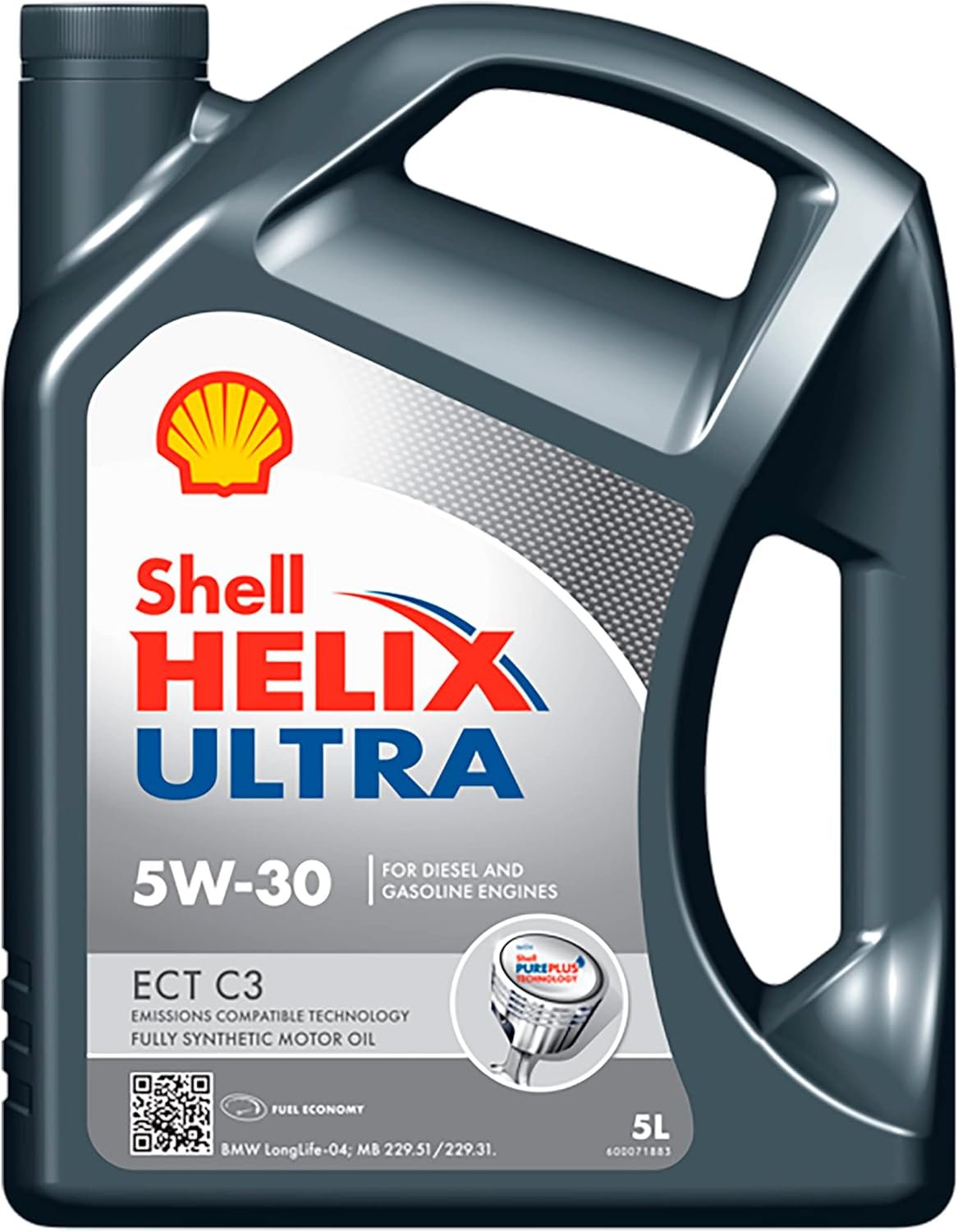
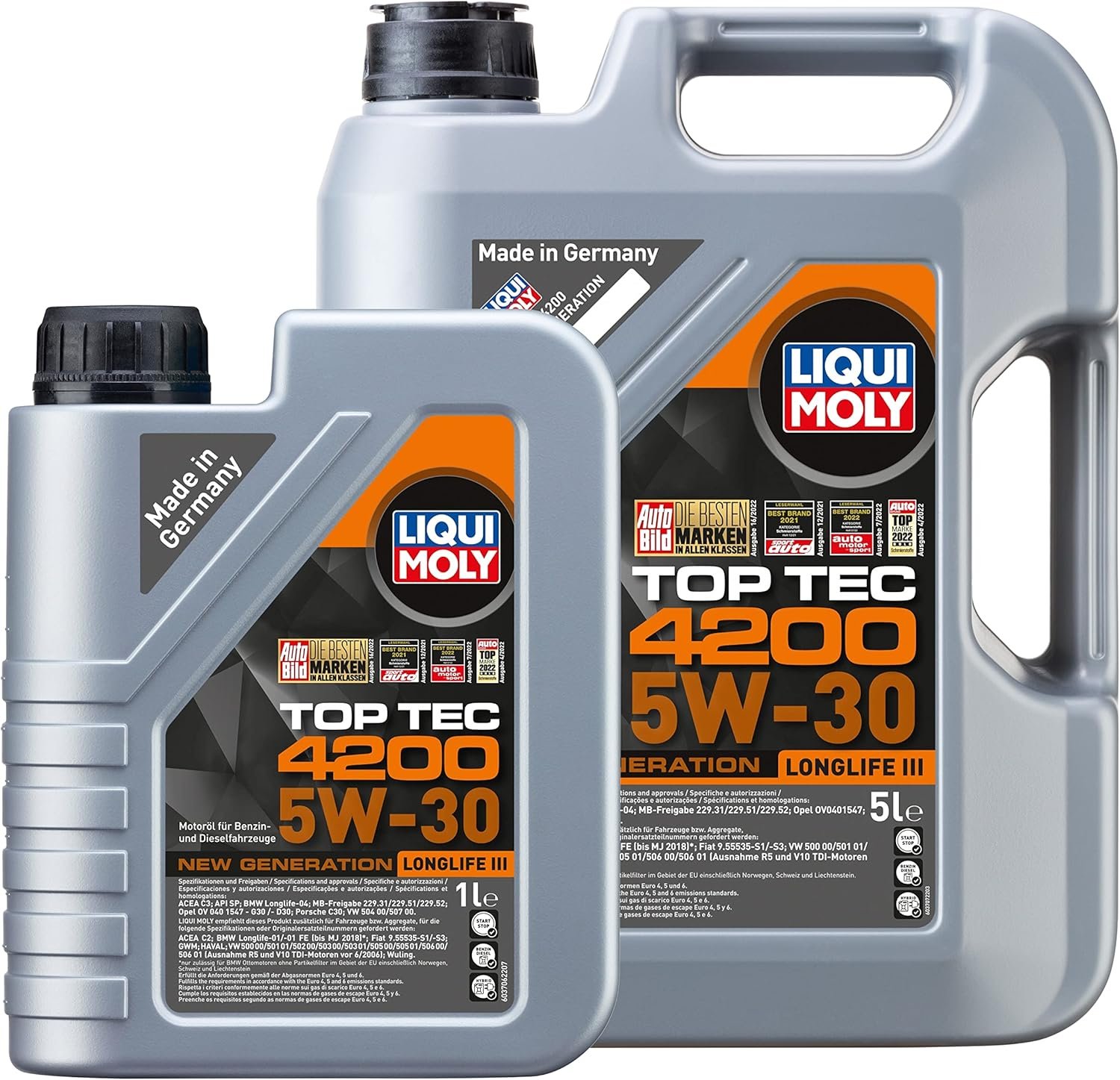
As an Amazon Associate, we may earn from qualifying purchases. This doesn't affect our recommendations — we only suggest oils that hold the exact OEM approval for your engine.
Best Engine Oil for BMW E87 118d (N47D20A) – Capacity & Specifications
The BMW E87 118d represents the sweet spot of the first-generation 1 Series range. Launched in 2004 and produced through to 2011, the E87 was BMW’s first serious compact premium hatchback — rear-wheel drive, near-perfect weight distribution, and available with a diesel engine potent enough to make it genuinely quick. The 2.0-litre N47D20A produces 143 hp and 300 Nm of torque, figures that feel muscular in a car weighing just over 1,300 kg.
However, owning an N47-powered BMW comes with one hard requirement: strict adherence to the correct oil specification and a disciplined service schedule. The N47 engine has a well-documented weakness — its rear-mounted timing chain — and insufficient or degraded oil is directly linked to accelerated wear of that system. Getting the oil right is not optional on this engine.
Quick Answer: Recommended Oil
- Primary specification: BMW Longlife-04 (LL-04), ACEA C3, 5W-30
- Alternative viscosity: 5W-40 (must still carry BMW LL-04 approval)
- Oil capacity (drain only): 4.8 litres
- Oil capacity (with filter change): 5.2 litres
- Change interval: 10,000 miles maximum — shorter in demanding conditions
The N47D20A Engine
The N47 family was BMW’s second-generation four-cylinder diesel, introduced in 2007 to replace the M47. The N47D20A fitted to the E87 118d displaces 1,995 cc and uses a common-rail direct injection system with a variable-geometry turbocharger. Power output is 143 hp at 4,000 rpm, with 300 Nm of torque arriving from just 1,750 rpm — a characteristic that makes the 118d feel effortless in everyday driving.
Internally, the engine features an aluminium alloy cylinder head with a cast iron block, twin overhead camshafts driven by a timing chain, and four valves per cylinder. The injection system operates at high pressure to deliver fine fuel atomisation, reducing particulate emissions and improving combustion efficiency.
One structural characteristic that defines the N47 — and creates its most notorious problem — is the location of the timing chain at the rear of the engine, adjacent to the flywheel rather than at the front near the auxiliary belt. This layout was chosen to save space and reduce noise transmission to the cabin, but it has a critical consequence: accessing the chain for inspection or replacement requires separating the engine from the gearbox and removing it from the vehicle. It is a major undertaking, which makes prevention through correct lubrication far more cost-effective than cure.
Understanding BMW LL-04 Oil Specifications
BMW’s Longlife-04 specification — commonly written as BMW LL-04 — is mandatory for the N47D20A. It is not a suggestion or a convenience standard; using an oil without this approval risks voiding warranty coverage and, more importantly, accelerates component wear.
What BMW LL-04 requires:
LL-04 was designed specifically to address the demands of BMW’s diesel engines equipped with diesel particulate filters (DPF). It imposes strict limits on sulphated ash content (maximum 0.8% by mass), phosphorus, and sulphur — collectively referred to as SAPS. High-SAPS oils can clog DPF filters over time, increasing exhaust backpressure and shortening filter life significantly.
In addition, LL-04 demands high resistance to oxidation and thermal breakdown. BMW’s original Longlife service intervals can stretch to 15,000 miles or more in theory, but the oil must remain chemically stable and continue to lubricate effectively throughout that period. For the N47’s rear timing chain, consistent film strength throughout the oil’s service life is particularly important: a degraded oil that loses its viscosity characteristics under heat will fail to adequately lubricate the chain tensioners and guides.
LL-04 versus LL-01 and LL-01 FE:
BMW also uses LL-01 (for older petrol engines) and LL-01 FE (fuel economy petrol). These are not interchangeable with LL-04 for the N47. LL-01 oils typically carry higher SAPS content appropriate for petrol engines without DPFs. Always check the label explicitly for LL-04 approval.
ACEA C3:
BMW LL-04 sits within the broader ACEA C3 category, which covers mid-SAPS oils designed for petrol and diesel engines with aftertreatment systems. ACEA C3 approval alone is not sufficient — the product must also carry the BMW LL-04 designation. Cross-checking both identifiers on the bottle ensures you have the correct oil.
Technical Specifications
| Parameter | Detail |
|---|---|
| Engine code | N47D20A |
| Displacement | 1,995 cc |
| Layout | Inline-4, transverse |
| Bore × stroke | 84.0 mm × 90.0 mm |
| Compression ratio | 16.5:1 |
| Power output | 143 hp (105 kW) at 4,000 rpm |
| Torque | 300 Nm at 1,750–2,500 rpm |
| Fuel system | Common-rail direct injection |
| Turbocharger | Variable-geometry turbo (VGT) |
| Oil capacity (drain) | 4.8 litres |
| Oil capacity (with filter) | 5.2 litres |
| Recommended viscosity | 5W-30 |
| Alternative viscosity | 5W-40 |
| OEM approval | BMW Longlife-04 (LL-04) |
| ACEA category | C3 |
| Emission standard | Euro 4 (pre-LCI), Euro 5 (LCI post-2007) |
Oil Change Intervals
BMW’s variable service indicator (CBS) can theoretically extend oil change intervals to 15,000 miles or beyond based on driving conditions and oil quality. For the N47D20A in an older E87, this interval is too long.
The CBS system calculates wear based on algorithms, not real-time oil condition measurement. An engine that has been driven on short trips, spent time idling in traffic, or operated in cold conditions will degrade its oil faster than the algorithm anticipates. For a high-mileage N47 — and most E87s on the road today will have significant miles — the CBS calculation becomes less reliable as seals, piston rings, and guides age and introduce more blow-by contaminants into the oil.
Recommended practice:
- Change oil and filter every 10,000 miles or 12 months, whichever comes first
- In urban driving, motorway towing, or high-mileage engines, consider 7,500-mile intervals
- Always change the oil filter at every service — never skip it on the N47
- Use exactly 5.2 litres when replacing the filter, or 4.8 litres for drain-only changes
The reasoning is straightforward: fresh LL-04 oil costs a fraction of the labour involved in diagnosing or replacing worn timing chain components.
Why Correct Oil Matters for the N47
The N47’s rear timing chain is its critical vulnerability, and the chain’s longevity is directly tied to oil quality and freshness.
The timing chain system on the N47 relies on hydraulic chain tensioners to maintain correct chain tension throughout the engine’s operating life. These tensioners are fed pressurised oil from the engine’s main lubrication circuit. When oil pressure is high and the oil is in good condition, the tensioners function correctly and keep the chain taut against its guides.
As oil degrades, two problems emerge. First, viscosity drops at operating temperature, reducing the film strength available to hydraulic components. Second, oxidation byproducts accumulate in the oil, leading to sludge formation that can partially block the small oil passages feeding the tensioners. Either condition reduces tensioner effectiveness. The result is a chain that begins to slap against its guides under load — generating the characteristic metallic rattle on cold start that N47 owners learn to dread.
Beyond the timing system, the N47’s turbocharger also depends on clean, correctly-viscosated oil. The variable-geometry vanes inside the VGT unit are susceptible to carbon deposits from degraded oil, which can cause the vanes to stick and lead to overboost or underboost conditions. ACEA C3 / LL-04 oils are formulated with detergents specifically rated for these high-temperature components.
Common N47 Problems Related to Oil
Timing chain rattle on cold start
The most widely reported N47 issue. A metallic rattling noise from the rear of the engine immediately after a cold start — often clearing within 30 seconds as oil pressure builds — is an early warning sign of chain slack. By the time it becomes audible, wear to the tensioners and guides may already be advanced. Engines that have been regularly serviced with correct LL-04 oil are statistically less likely to develop this symptom before 100,000 miles.
If the rattle is present, do not delay investigation. A chain that has become slack can slip a tooth over a cam sprocket under hard acceleration, causing immediate and catastrophic valve-to-piston contact.
DPF blockage from incorrect oil
Using a high-SAPS oil — particularly one labelled only ACEA A3/B4 rather than C3 — accelerates ash accumulation in the diesel particulate filter. DPF regeneration cycles become more frequent, passive regeneration (at motorway speeds) becomes less effective, and eventually the filter requires forced regeneration or replacement. The fix is straightforward: use only LL-04-approved oil and ensure the car gets regular motorway runs to allow passive DPF regeneration.
Oil consumption
Some N47 engines — particularly higher-mileage units — consume oil between services. Checking the level every 1,000–1,500 miles is advisable on any E87 118d with over 80,000 miles. Always top up with the same specification of LL-04 5W-30 to avoid mixing oils of different SAPS levels.
Conclusion
The BMW E87 118d with the N47D20A engine is a rewarding car to own — responsive, efficient, and properly engaging to drive thanks to its rear-wheel-drive layout. But it demands respect in the service bay. Using a BMW LL-04 approved 5W-30 oil, changed at no more than 10,000-mile intervals, is the single most effective step you can take to protect the rear timing chain, the DPF, and the turbocharger. The oil specification is non-negotiable; the service interval is where many owners cut corners, and the repair bills eventually reflect that decision. Get both right, and the N47 is a durable, long-lived engine.
Our Top Picks
As an Amazon Associate, we may earn from qualifying purchases. This doesn't affect our recommendations — we only suggest oils that hold the exact OEM approval for your engine.