 Oil-
Oil-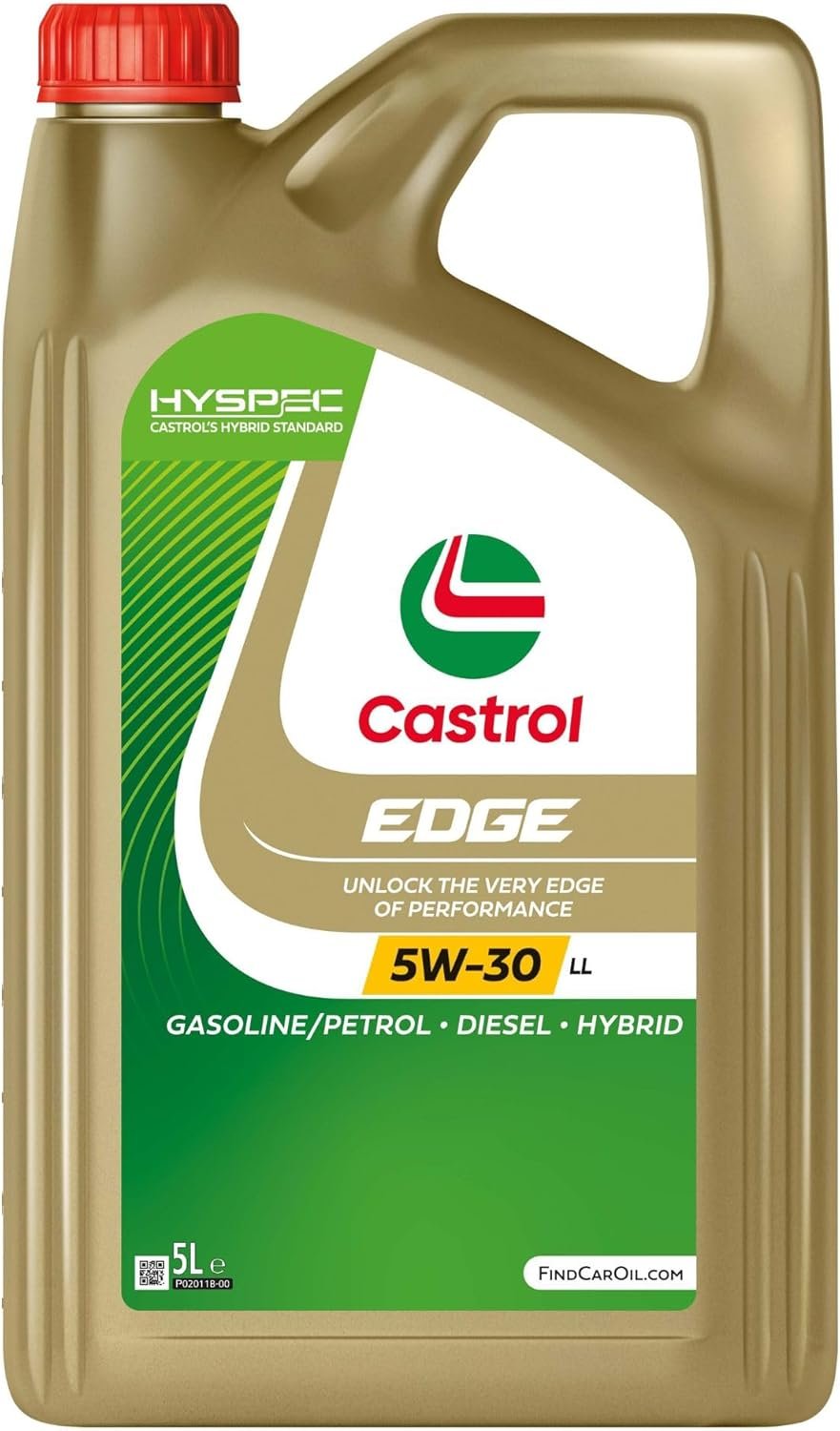
As an Amazon Associate, we may earn from qualifying purchases. This doesn't affect our recommendations — we only suggest oils that hold the exact OEM approval for your engine.
Best Engine Oil for Audi Q3 F3 1.5 TFSI (150 HP)
The Audi Q3 is a premium compact SUV that competes with the BMW X1 and Mercedes GLA. Its 1.5 TFSI engine — the same EA211 EVO found in the VW T-Roc and Golf 8 — faces its most demanding mass-market application in the Q3. At approximately 1,500 kg, the Q3 is the heaviest vehicle in the VW Group range powered by this 1.5-litre four-cylinder. The engine’s Miller cycle combustion, VTG turbocharger, and ACT cylinder deactivation must work harder in the Q3 than in any lighter hatchback or even the T-Roc SUV. This weight difference has direct implications for oil stress, turbo loading, and the behaviour of the ACT system that defines the 1.5 TSI’s efficiency character.
Quick Answer: Recommended Oil
For Audi Q3 F3 1.5 TFSI (150 HP):
- Primary specification: VW 504 00 / 507 00 with SAE 5W-30
- Alternative: VW 508 00 / 509 00 with SAE 0W-20
- Oil capacity: 4.3 litres with filter (4.0 L without)
The 1.5 TFSI Under Maximum Load
The DADA / DPCA engine produces 150 HP at 5,000-6,000 RPM and 250 Nm from 1,500-3,500 RPM. These are identical figures to the same engine in the Golf 8 and T-Roc, but the Q3’s additional weight — approximately 200 kg more than a Golf 8 — means the engine operates at proportionally higher load across every driving condition.
Motorway cruising at 70 mph in the Q3 requires approximately 15% more power than in a Golf 8 due to the higher mass and larger frontal area. The turbocharger maintains higher average boost, oil temperatures run higher, and the VTG turbo spends more time operating at its maximum efficiency point rather than in the low-load region where it can reduce boost.
Urban acceleration from rest — traffic lights, roundabouts, junctions — requires more torque to launch 1,500 kg than 1,300 kg. The turbo spools faster and harder, creating thermal pulses in the turbo bearing oil that stress the lubricant’s thermal stability.
The ACT system (Active Cylinder Technology) deactivates cylinders 2 and 3 under light load. In the Q3, the threshold for “light load” is reached less frequently than in lighter cars because the engine must produce more power to maintain any given speed. ACT still engages during gentle motorway cruising and downhill driving, but the two-cylinder mode handles a proportionally greater load than in a Golf, placing more stress on the ACT actuators and the piston ring sealing of the deactivated cylinders.
The Low-RPM Shudder in Q3 Context
The 1.5 TSI’s documented hesitation during ACT transitions is more noticeable in the Q3 than in lighter applications. The heavier vehicle amplifies the brief torque interruption as cylinders reactivate, producing a shudder that passengers can feel. This is particularly evident during gentle acceleration from 30-50 mph in third or fourth gear, where ACT is transitioning between two-cylinder and four-cylinder modes.
VW Group has released software updates that refine ACT transition timing, and later DPCA production revisions improved actuator response. Oil quality remains a contributing factor — the electromagnetic actuators that slide coupling elements on the camshaft respond faster and more precisely when oil viscosity matches the designed profile. VW 504 00 specification validates this viscosity behaviour across all operating temperatures.
If shudder persists after confirming correct oil and software updates, some Q3 owners report improvement after switching from 5W-30 to 0W-20 (VW 508 00 / 509 00), which provides faster actuator response at cold temperatures.
Carbon Buildup: Heavier Vehicle, Shorter Intervals
The Q3’s 1.5 TFSI uses direct injection only — no port injection to wash the intake valves. Carbon deposits accumulate on the intake valve stems over time, causing rough idle, misfires, and power loss. The Q3’s higher engine loading means more combustion pressure, more blow-by gases entering the PCV system, and marginally faster carbon accumulation than in lighter cars.
Expect symptoms between 50,000 and 70,000 miles in predominantly urban driving, versus 60,000-80,000 miles in lighter applications. Walnut blasting is the standard remedy.
Technical Specifications: 1.5 TFSI EA211 EVO
| Specification | Value |
|---|---|
| Displacement | 1,498cc (1.5 litres) |
| Layout | Inline-4, transverse, aluminium block and head |
| Valvetrain | DOHC, 16 valves |
| Timing System | Timing chain (maintenance-free) |
| Combustion Cycle | Miller cycle |
| Turbocharger | Variable Turbine Geometry (VTG), water-cooled |
| Cylinder Deactivation | ACT on cylinders 2 and 3 |
| Power | 150 HP @ 5,000-6,000 RPM |
| Torque | 250 Nm @ 1,500-3,500 RPM |
| Fuel Type | Petrol, 95 RON minimum |
| Recommended Viscosity | SAE 5W-30 / SAE 0W-20 |
| Oil Capacity (without filter) | 4.0 litres |
| Oil Capacity (with filter) | 4.3 litres |
| ACEA Norm | C3 |
| VW Norm | VW 504 00 / 507 00 |
Best Value: Total Quartz INEO LongLife 5W-30 Reliable VW-approved protection at competitive pricing. Adequate viscosity stability for ACT operation. At £32-38 for 5 litres.
Oil Change Intervals
Audi Official Recommendation:
- LongLife: up to 18,600 miles or 24 months
- Fixed: 9,300 miles or 12 months
Recommended Practice: 9,000 miles or 12 months.
The Q3’s heavier loading argues for the shorter end of the acceptable range. The ACT system’s sensitivity to oil condition means fresh oil delivers noticeably smoother transitions than oil approaching end-of-life.
Consider 8,000-mile intervals if:
- Predominantly urban driving with frequent short trips
- ACT shudder worsens before service intervals
- The vehicle has passed 50,000 miles
- Oil level drops between services
Conclusion
The Audi Q3 F3 1.5 TFSI requires SAE 5W-30 (or 0W-20) engine oil meeting VW 504 00 / 507 00, with a capacity of 4.3 litres including the filter. As the heaviest application of the EA211 EVO 1.5 TSI, the Q3 places the greatest demands on this engine’s Miller cycle combustion, VTG turbocharger, and ACT cylinder deactivation system.
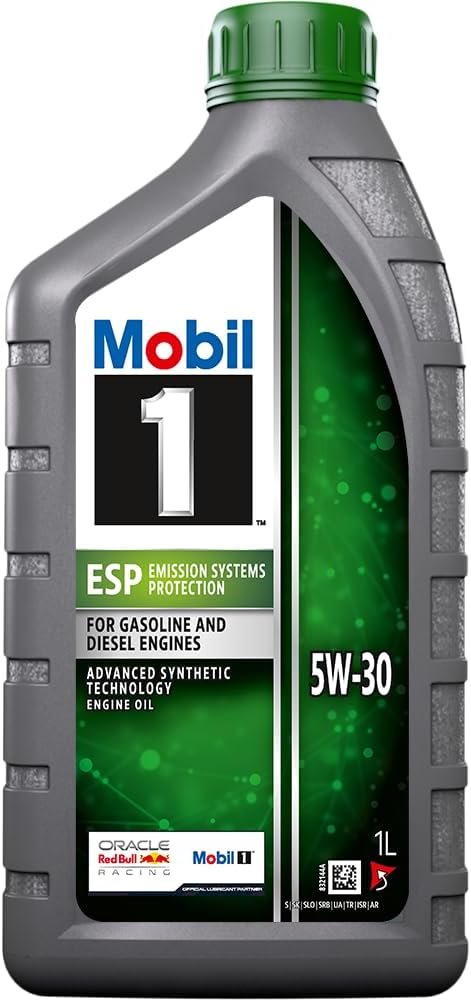
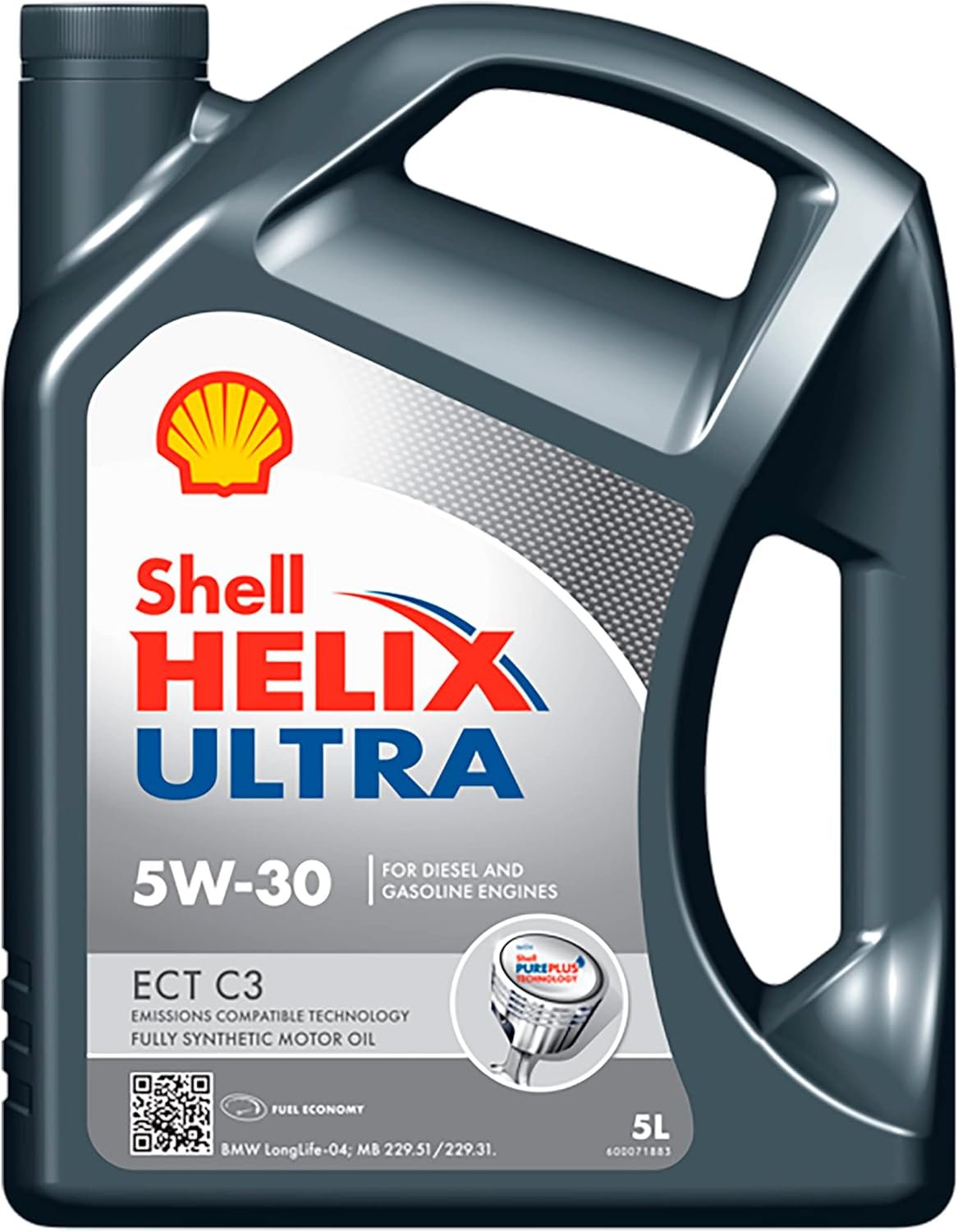
Castrol EDGE Professional LL IV FE 0W-20 is the factory partner’s latest formula. Mobil 1 ESP Formula, Shell Helix Ultra ECT C3, and Total Quartz INEO LongLife in 5W-30 are proven alternatives. Quality oil minimises ACT shudder, protects the VTG turbo, and manages the direct injection carbon buildup that affects all EA211 EVO engines. The Q3 1.5 TFSI delivers refined performance and strong efficiency when maintained with the correct lubricant.
Our Top Picks
As an Amazon Associate, we may earn from qualifying purchases. This doesn't affect our recommendations — we only suggest oils that hold the exact OEM approval for your engine.