 Oil-
Oil-
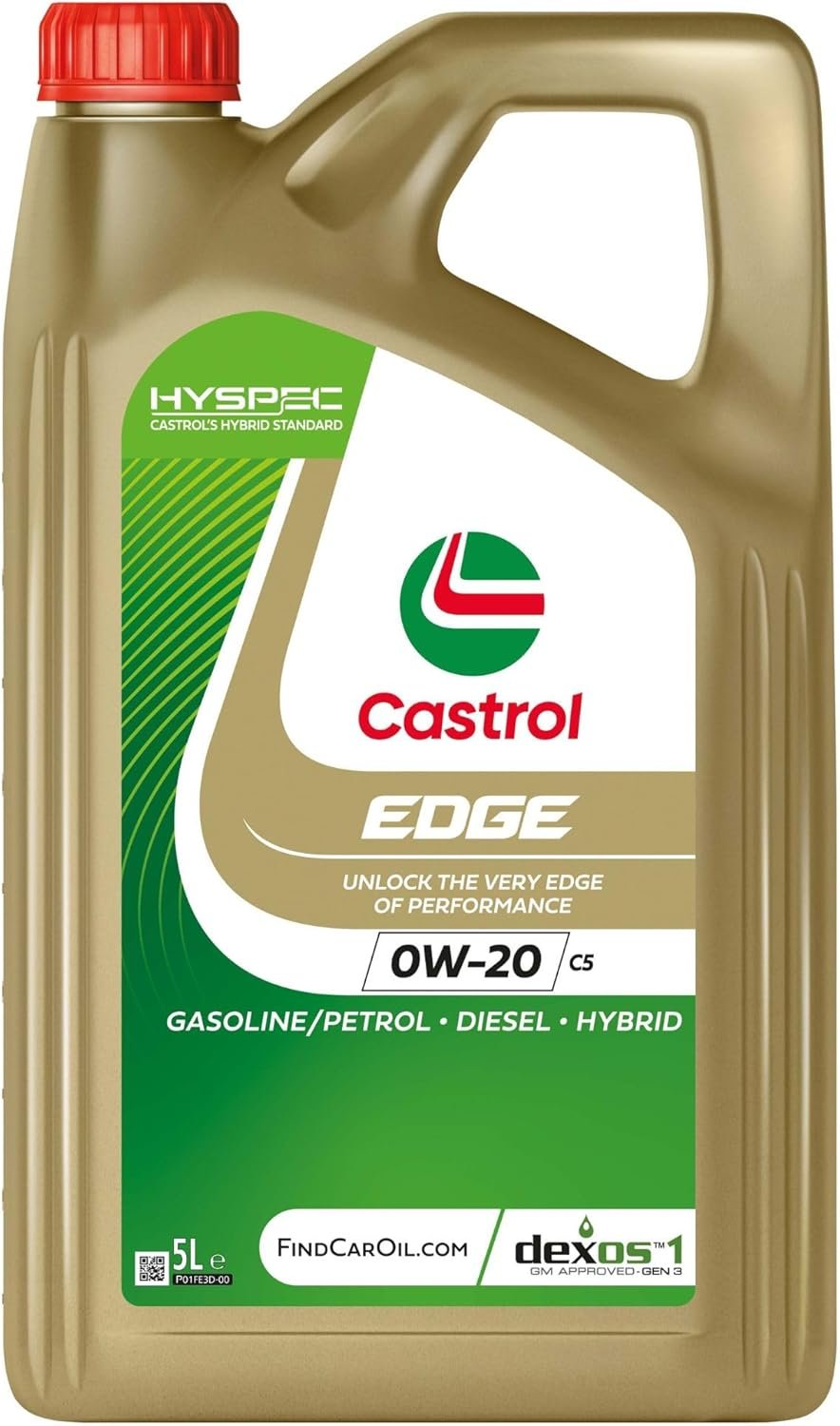
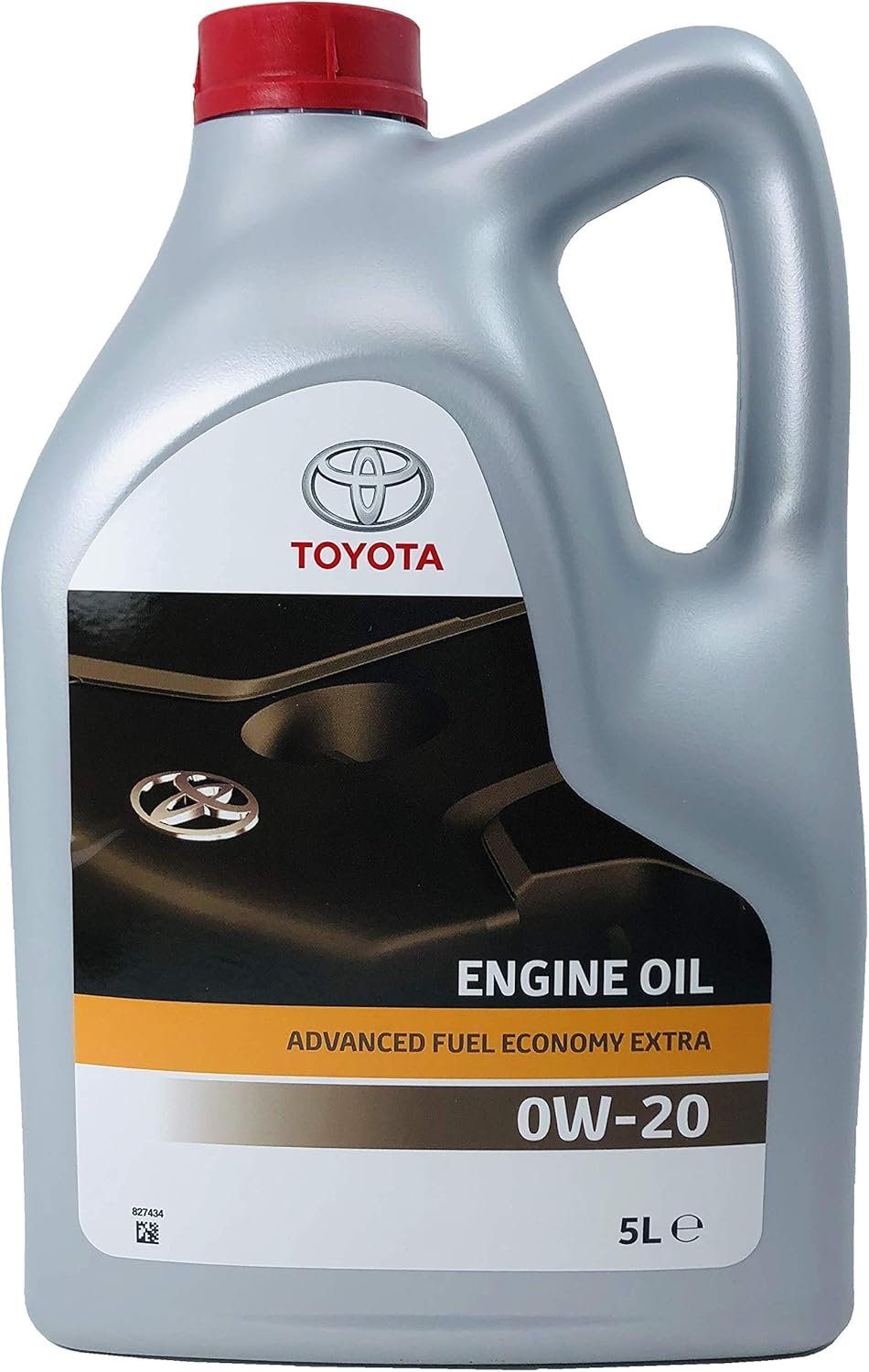
As an Amazon Associate, we may earn from qualifying purchases. This doesn't affect our recommendations — we only suggest oils that hold the exact OEM approval for your engine.
Best Engine Oil for Audi A3 8Y 1.5 TFSI (150 HP)
The fourth-generation Audi A3 (8Y) with the 1.5 TFSI engine sits at the intersection of premium expectations and Volkswagen Group engineering. Beneath the refined interior and understated bodywork lies the EA211 evo — the same 1,498cc turbocharged four-cylinder found in the Golf 8, but retuned for quieter operation and calibrated for the slightly different driving character Audi buyers expect. The engine’s sophistication — Active Cylinder Technology, Miller-cycle combustion, variable geometry turbo, and a wet-running timing belt — makes oil selection genuinely consequential. VW 504 00 approved 5W-30 is the primary recommendation, though VW 508 00 (0W-20) is also accepted. This guide explains the specifications, the engineering behind them, and the oils that protect the A3’s investment-grade price tag.
Quick Answer: Recommended Oil
For Audi A3 8Y 1.5 TFSI (150 HP):
- Primary specification: VW 508 00/509 00 with SAE 0W-20
- Alternative specification: VW 504 00/507 00 with SAE 5W-30
- Oil capacity: 4.3 litres with filter (4.0 L without)
Key point: The A3 8Y shares its engine architecture with the Golf 8, but Audi specifies a smaller sump capacity (4.3 litres with filter versus 5.2 litres in the Golf). This lower volume means the oil works harder per litre, making specification compliance and change intervals more critical than in the mechanically identical Golf counterpart.
The 1.5 TFSI EA211 Evo in the Audi A3
The 1.5 TFSI fitted to the A3 8Y carries engine codes DADA and DPCA, both producing 150 HP and 250 Nm from the EA211 evo platform. Displacing 1,498cc through a 74.5mm bore and 85.9mm long stroke, this is an undersquare design optimised for low-end torque rather than high-RPM output. Audi markets it as the A3’s core petrol engine, and it accounts for the majority of UK A3 sales.
Active Cylinder Technology (ACT) is the feature that most directly links oil quality to engine longevity. Under light loads between approximately 1,400 and 4,000 RPM, electromagnetic actuators shift special camshaft sections laterally on cylinders 2 and 3, replacing normal cam lobes with zero-lift profiles. Two cylinders effectively shut down, reducing fuel consumption by roughly 0.4 L/100 km in real-world conditions. The transition is impressively seamless in the A3 — Audi’s NVH calibration makes the switch nearly imperceptible to occupants, which is partly why owners often forget how mechanically demanding this system is on the oil. Each actuator cycle relies on precise hydraulic pressure and clean lubrication. Degraded oil causes actuator sticking, leading to vibration, warning lights, and camshaft replacement bills that sit uncomfortably on a car that was purchased for its premium character.
Miller-cycle combustion closes intake valves early during the intake stroke, reducing effective compression while maintaining a high expansion ratio. This improves thermal efficiency by approximately 10% over the older 1.4 TFSI it replaced. The variable geometry turbocharger (VGT) — unusual for a petrol engine — adjusts internal vane angles to deliver responsive boost across a wide RPM range. These precision vanes are vulnerable to coking and contamination from degraded or incorrect oil, and a sticking VGT turbo on a three-year-old A3 is the kind of repair bill that erodes the ownership experience entirely.
The EA211 evo also uses an oil-bathed timing belt rather than a chain. This belt runs permanently submerged in engine oil, relying on the lubricant for cooling and to reduce friction. The design eliminates conventional belt-change intervals but creates a direct dependency on oil condition — the belt is only as durable as the oil it soaks in.
Understanding the Oil Specifications
VW 508 00/509 00 (Primary — 0W-20)
This is Audi’s primary specification for the A3 8Y 1.5 TFSI and the oil grade used by Audi dealerships under the LongLife service programme. It was introduced alongside the EA211 evo generation specifically to reduce internal friction in these modern low-tolerance engines.
- SAE 0W-20: Ultra-low viscosity engineered for the EA211 evo’s bearing clearances
- ACEA C5: Ultra-low SAPS, compatible with the emission control catalyst
- LongLife drain intervals: Up to 30,000 km under ideal conditions (typically 19,000 miles/2 years in practice)
- Fuel economy benefit: 0.2–0.4 L/100 km reduction versus 5W-30
The EA211 evo’s tolerances and bearing geometry are designed around 0W-20 from the drawing board. This is not a compromise — it is the specification Audi engineers validated during development.
Best for: Standard A3 8Y owners following Audi LongLife service, fuel-economy-conscious drivers, city driving.
VW 504 00/507 00 (Alternative — 5W-30)
The older VW Long Life specification remains accepted for the 1.5 TFSI when 508/509 is unavailable, or for owners who prefer a fixed short-interval approach.
- SAE 5W-30: Higher viscosity providing a thicker oil film under heavy load
- ACEA C3: Low SAPS for emissions system compatibility
- Fixed interval: Typically used with 10,000–12,000 mile change intervals
- Wider availability: Stocked by most independent garages and motor factors
VW 504 00 provides a marginally thicker film at operating temperature, which some owners prefer for high-mileage engines or sustained motorway driving. It is a valid choice, but 508/509 (0W-20) remains Audi’s primary recommendation for the 8Y platform.
Do Not Mix Specifications
VW 508 00 and VW 504 00 use fundamentally incompatible additive chemistries. Mixing them creates unpredictable reactions that can compromise both the oil’s protective properties and the timing belt’s material integrity. When switching between specifications, perform a complete drain including filter replacement.
Technical Specifications: 1.5 TFSI (DADA / DPCA)
| Specification | Value |
|---|---|
| Displacement | 1,498cc (1.5 litres) |
| Layout | Inline-4, transverse, aluminium block with APS coating |
| Valvetrain | DOHC, 16 valves, wet timing belt, ACT on cyl. 2 & 3 |
| Bore x Stroke | 74.5mm x 85.9mm (long-stroke) |
| Compression Ratio | 12.5:1 |
| Power | 150 HP @ 5,000-5,500 RPM |
| Torque | 250 Nm @ 1,500-3,500 RPM |
| Fuel Type | Petrol, 95 RON minimum (98 RON recommended) |
| Recommended Viscosity | SAE 0W-20 (VW 508 00) primary / SAE 5W-30 (VW 504 00) alternative |
| Oil Capacity (without filter) | 4.0 litres |
| Oil Capacity (with filter) | 4.3 litres |
| ACEA Norm | C5 (508/509) primary / C3 (504/507) alternative |
| VW/Audi Norm | VW 508 00 / 509 00 (primary) · VW 504 00 / 507 00 (alternative) |
Best Value: Liqui Moly Top Tec 4200 5W-30 German-engineered with full VW 504 00 approval at a price point that makes disciplined oil change intervals financially painless. Liqui Moly’s strong detergent package is particularly effective against the direct injection carbon deposits that affect the 1.5 TFSI’s intake valves, and the anti-wear additives provide reliable protection for ACT camshaft actuators across the full service interval. Widely available in the UK at £35-42 for 5 litres, the Top Tec 4200 makes a compelling case for owners who would rather invest in more frequent changes than in a more expensive oil.
Oil Change Intervals
Audi Official Recommendation:
- LongLife service with VW 504 00: up to 19,000 miles or 2 years
- LongLife service with VW 508 00: up to 19,000 miles or 2 years
- Fixed service: 9,300 miles or 1 year
Recommended Practice: 10,000 miles or 12 months, whichever comes first.
Audi’s LongLife intervals are calculated for ideal conditions that rarely exist in British driving. The A3’s combination of ACT cylinder deactivation, a VGT turbo, and a wet timing belt creates three distinct mechanisms that degrade oil faster than in a conventional engine. When cylinders 2 and 3 deactivate under ACT, their camshaft actuators rely on residual oil film with no active circulation — stale oil accelerates wear during these phases. The VGT vanes operate at extreme temperatures and deposit carbon from degraded oil. The timing belt absorbs contaminants from the oil it sits in permanently.
The A3’s 4.3-litre capacity makes this even more significant. Compared to the mechanically identical Golf 8 with its 5.2-litre sump, the A3 has roughly 17% less oil absorbing the same thermal and chemical load. Each litre degrades faster, and the margin for error is correspondingly smaller.
Consider 7,500-mile intervals if:
- Predominantly short urban trips under 10 miles (cold-start fuel dilution)
- Heavy stop-and-go commuting (frequent ACT cycling)
- Oil level drops noticeably between services
- Vehicle has exceeded 60,000 miles
- Any rough running, hesitation, or warning lights related to misfires
Why Correct Oil Matters for the A3
ACT Actuator Longevity: The electromagnetic actuators and sliding camshaft sections are the most oil-sensitive components in the 1.5 TFSI. Each ACT transition — and there are thousands per journey in mixed driving — depends on hydraulic precision and clean lubrication. Worn actuators from degraded oil cause vibration and rough running that undermine the refined experience A3 owners expect. Replacement involves camshaft removal and costs £900-1,600 at an Audi dealership.
Carbon Buildup on Intake Valves: Despite the EA211 evo incorporating some port injection alongside direct injection, carbon deposits on intake valves remain a documented issue. The deposits restrict airflow, cause misfires, and reduce performance progressively. Quality oil with strong detergent properties slows this accumulation, though it cannot prevent it entirely. Walnut blasting to clean the valves costs £300-500 and is increasingly common on higher-mileage examples.
PCV System and Oil Consumption: The 1.5 TFSI’s positive crankcase ventilation system is prone to issues that allow oil vapour to enter the intake tract, contributing to both oil consumption and carbon buildup. Some A3 owners report consumption of 0.5 litres per 5,000 miles — within Audi’s definition of acceptable, but worth monitoring. A failing PCV valve exacerbates consumption and contaminates the intake system. Correct oil viscosity maintains piston ring seal and minimises blow-by that stresses the PCV system.
VGT Turbo Protection: Variable geometry turbochargers contain precisely machined vanes that adjust boost pressure across the RPM range. Contaminated or thermally degraded oil causes carbon deposits on these vanes, leading to sticking, underboost fault codes, and eventual turbo failure. Replacement costs £1,300-2,000 at an Audi specialist. The turbo’s oil feed and drain lines are also susceptible to coking if the oil breaks down — always allow the turbo to cool at idle for 30 seconds before switching off after sustained high-speed driving.
The Audi Ownership Perspective
Buying an A3 rather than a Golf is a conscious choice to pay more for refinement, materials quality, and badge prestige. The engine underneath is mechanically identical, but the ownership context is different. Audi service pricing runs 15-25% higher than equivalent VW dealership work, and A3 residual values depend partly on a documented Audi service history. Skipping a service or allowing an independent garage to use non-approved oil can cost more in depreciation than the money saved.
This makes the oil choice straightforward in practice. Use VW 508 00/509 00 approved 0W-20 from an established brand (or VW 504 00 5W-30 for fixed intervals), and keep receipts showing the oil specification. The cost difference between a quality approved oil and a generic 5W-30 is perhaps £10-15 per change — irrelevant against the A3’s total running costs and entirely invisible against the cost of a single ACT or VGT repair.
Conclusion
The Audi A3 8Y 1.5 TFSI requires VW 508 00/509 00 approved SAE 0W-20 engine oil as its primary specification (or VW 504 00/507 00 approved 5W-30 as an alternative), with a capacity of 4.3 litres including the filter. The EA211 evo’s combination of Active Cylinder Technology, a variable geometry turbo, and a wet timing belt makes this engine genuinely dependent on correct oil — not in the vague sense that applies to all engines, but in the specific sense that three major systems will degrade measurably faster with incorrect or exhausted lubricant.
Castrol EDGE Professional LL 03 5W-30 is the natural first choice as Audi’s factory partner, with Mobil 1 ESP 5W-30, Shell Helix Ultra ECT C3 5W-30, and Liqui Moly Top Tec 4200 5W-30 all providing excellent VW 504 00 approved alternatives. Maintain 10,000-mile intervals, monitor the dipstick monthly, and keep the A3’s service record intact. The £40-50 spent on quality oil every 12 months protects against ACT failures (£900-1,600), turbo replacement (£1,300-2,000), and preserves the premium ownership experience that justified choosing an Audi over its Volkswagen sibling in the first place.
Our Top Picks
As an Amazon Associate, we may earn from qualifying purchases. This doesn't affect our recommendations — we only suggest oils that hold the exact OEM approval for your engine.