 Oil-
Oil-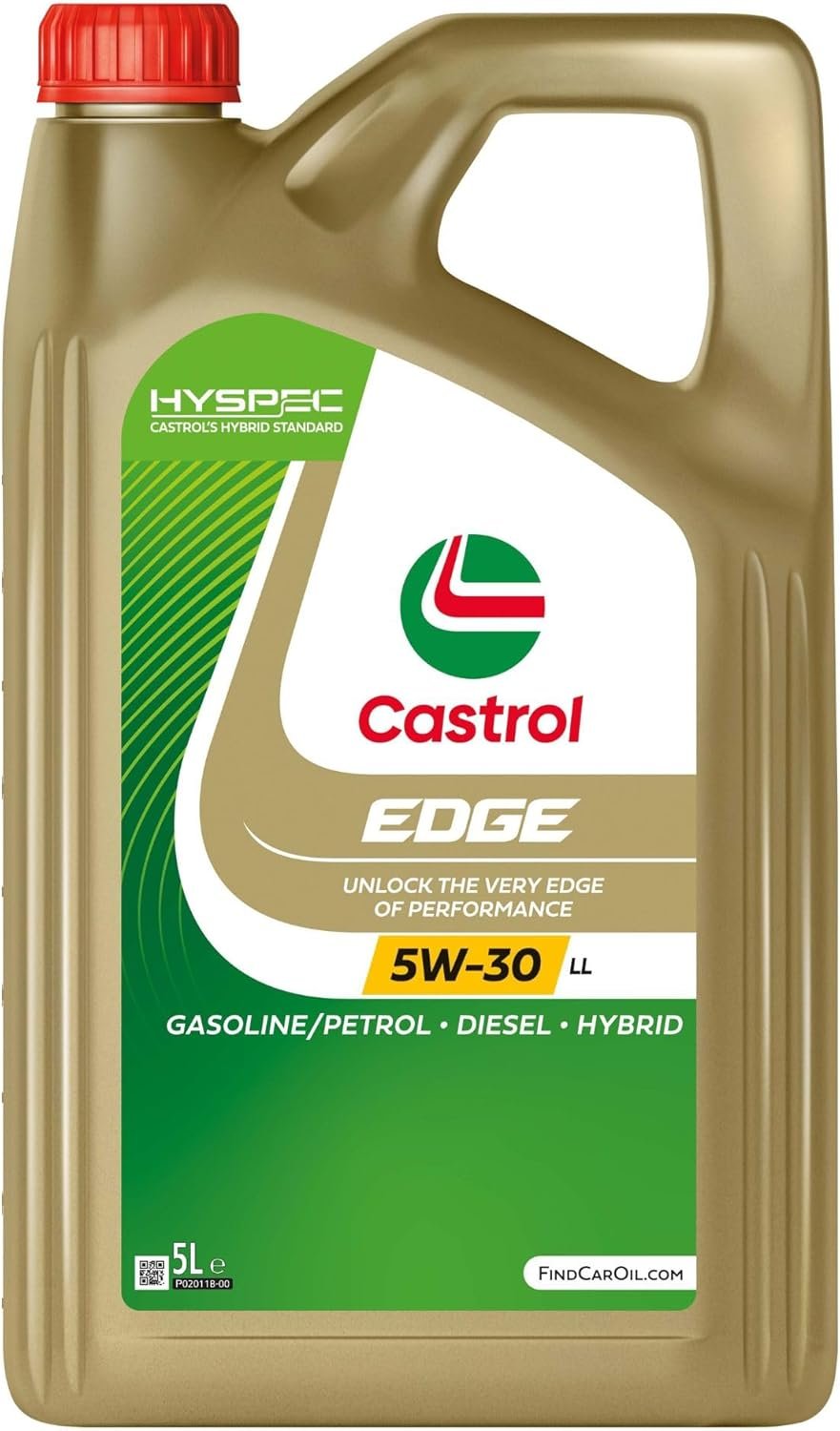
As an Amazon Associate, we may earn from qualifying purchases. This doesn't affect our recommendations — we only suggest oils that hold the exact OEM approval for your engine.
Best Engine Oil for Volkswagen T-Roc 1.5 TSI (150 HP)
The 1.5 TSI is the most popular engine in the Volkswagen T-Roc range, and it represents a significant step forward from the 1.4 TSI it replaced. Carrying the DPCA engine code, this EA211 EVO four-cylinder combines Miller cycle combustion, a variable turbine geometry turbocharger, Active Cylinder Technology (ACT) cylinder deactivation, and a timing chain into a package that produces 150 HP and 250 Nm of torque while achieving fuel economy figures that would have been unthinkable from a 150 HP petrol engine a decade ago. However, this sophistication comes with a known behavioural quirk — a low-RPM shudder during ACT transitions — that is directly influenced by oil quality. This guide covers what the T-Roc 1.5 TSI demands and why VW 504 00 specification is non-negotiable.
Quick Answer: Recommended Oil
For VW T-Roc 1.5 TSI (150 HP), engine code DPCA:
- Primary specification: VW 504 00 / 507 00 with SAE 5W-30
- Alternative: VW 508 00 / 509 00 with SAE 0W-20
- Oil capacity: 4.3 litres with filter (4.0 L without)
The 1.5 TSI EA211 EVO: A Complex Engine
The DPCA is a 1,498cc inline four-cylinder with an aluminium block and head, direct fuel injection, and dual overhead camshafts. It represents the most technologically advanced version of the EA211 family, incorporating every efficiency technology VW developed for the platform.
Miller Cycle: Like the 1.0 TSI EVO, the 1.5 TSI uses Miller cycle timing with early intake valve closure. The intake valves close during the compression stroke before the piston reaches bottom dead centre, creating an expansion ratio greater than the compression ratio. This extracts additional energy from combustion gases, improving thermal efficiency by approximately 10% compared to a conventional Otto cycle engine of the same displacement.
Variable Turbine Geometry (VTG): The VTG turbocharger uses adjustable guide vanes to optimise boost pressure across the entire RPM range. At low RPM, tightly angled vanes accelerate exhaust gas flow for rapid spool-up. At high RPM, open vanes prevent over-boost. This eliminates turbo lag and provides a flat torque curve from 1,500 RPM.
Active Cylinder Technology (ACT): Under light load between 1,400 and 4,000 RPM, the engine deactivates cylinders 2 and 3 by holding their intake and exhaust valves closed via electromagnetic actuators on the camshaft. The engine runs as a two-cylinder, reducing pumping losses and fuel consumption. VW claims up to 0.4 L/100km fuel savings from ACT.
The Low-RPM Shudder: ACT’s Achilles’ Heel
The most discussed issue with the 1.5 TSI across all VW Group applications is a hesitation or shudder felt during gentle acceleration at low RPM, typically between 1,200 and 1,800 RPM. This occurs during the transition between two-cylinder and four-cylinder modes as the ACT system engages or disengages.
The shudder has multiple contributing factors. The electromagnetic ACT actuators slide coupling elements along the camshaft, and these transitions must be precisely timed. If oil viscosity is outside the designed range — either too thick from cold conditions or too thin from degradation — the hydraulic response of the actuators slows, causing imprecise timing of the cylinder reactivation. The two reactivating cylinders fire slightly out of phase with the two that were already running, producing a brief mechanical shudder.
VW addressed this through software updates that refined ACT transition calibration, and later DPCA production revisions improved the actuator response time. However, oil quality remains a significant factor. VW 504 00-approved oils maintain the specific viscosity profile that the ACT actuators require across all operating temperatures. Non-approved oils with different viscosity index improvers may maintain cold viscosity but lose properties at operating temperature, exacerbating the shudder.
For T-Roc owners experiencing persistent shudder, confirm with a VW dealer that the latest ACT software calibration has been applied, then ensure only VW 504 00 or 508 00 oil is being used.
Carbon Buildup: The Direct Injection Trade-Off
The 1.5 TSI uses direct injection exclusively — there is no secondary port injection to wash the intake valves. Over time, oil vapour from the PCV system carbonises on the intake valve stems, restricting airflow and causing rough idle, misfires, and power loss. The four-cylinder configuration means individual cylinder imbalance from carbon deposits creates noticeable vibration.
Quality oil reduces carbon buildup rate through lower volatility base stocks that produce fewer PCV vapours and better detergent packages. However, carbon buildup is inherent to direct injection and cannot be eliminated entirely. Walnut blasting at 60,000-80,000 miles is the preventive approach.
Technical Specifications: 1.5 TSI EA211 EVO
| Specification | Value |
|---|---|
| Displacement | 1,498cc (1.5 litres) |
| Layout | Inline-4, transverse, aluminium block and head |
| Valvetrain | DOHC, 16 valves |
| Timing System | Timing chain (maintenance-free) |
| Combustion Cycle | Miller cycle |
| Turbocharger | Variable Turbine Geometry (VTG), water-cooled |
| Cylinder Deactivation | ACT on cylinders 2 and 3 |
| Power | 150 HP @ 5,000-6,000 RPM |
| Torque | 250 Nm @ 1,500-3,500 RPM |
| Fuel Type | Petrol, 95 RON minimum |
| Recommended Viscosity | SAE 5W-30 / SAE 0W-20 |
| Oil Capacity (without filter) | 4.0 litres |
| Oil Capacity (with filter) | 4.3 litres |
| ACEA Norm | C3 |
| VW Norm | VW 504 00 / 507 00 |
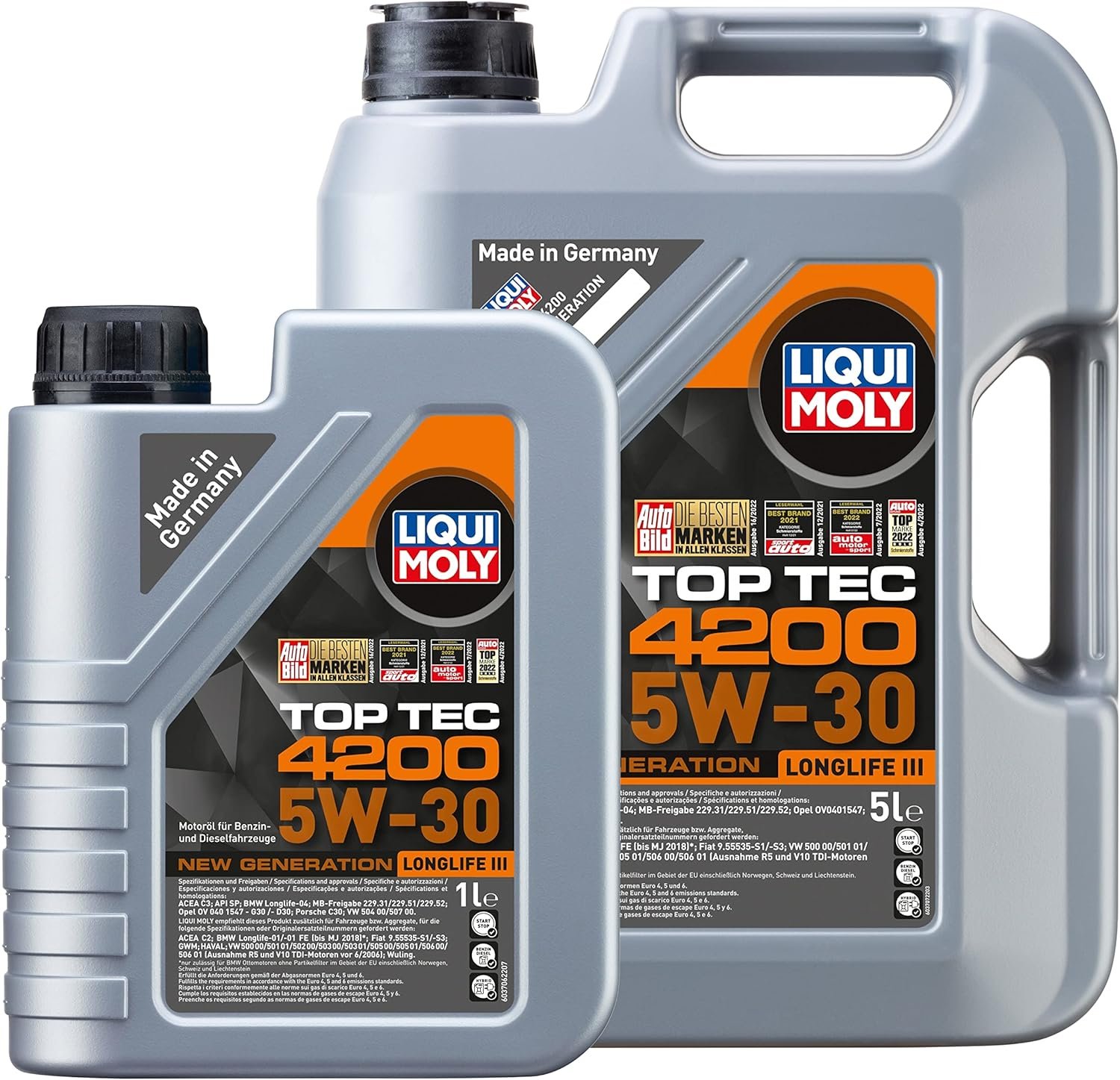
Best Value: Total Quartz INEO LongLife 5W-30 TotalEnergies’ VW-approved formula provides reliable protection at a competitive price. Adequate viscosity stability for ACT operation with good detergent properties to manage direct injection deposits. At £32-38 for 5 litres.
Oil Change Intervals
Volkswagen Official Recommendation:
- LongLife service: up to 18,600 miles or 24 months
- Fixed service: 10,000 miles or 12 months
Recommended Practice: 10,000 miles or 12 months.
The ACT system’s dependence on precise oil characteristics argues strongly for fixed-interval servicing rather than LongLife. Oil viscosity properties drift as the lubricant ages, and the ACT actuators become less responsive as viscosity index improvers shear down. Fresh oil noticeably improves ACT transition smoothness.
Consider 8,000-mile intervals if:
- Predominantly short urban driving
- ACT shudder is noticeable and worsens between services
- The vehicle has passed 60,000 miles
- Oil level drops between services
Conclusion
The Volkswagen T-Roc 1.5 TSI requires SAE 5W-30 (or 0W-20) engine oil meeting VW 504 00 / 507 00, with a capacity of 4.3 litres including the filter. The EA211 EVO’s Miller cycle, VTG turbo, and ACT cylinder deactivation create a remarkably efficient powertrain that demands precise oil specification to function correctly.
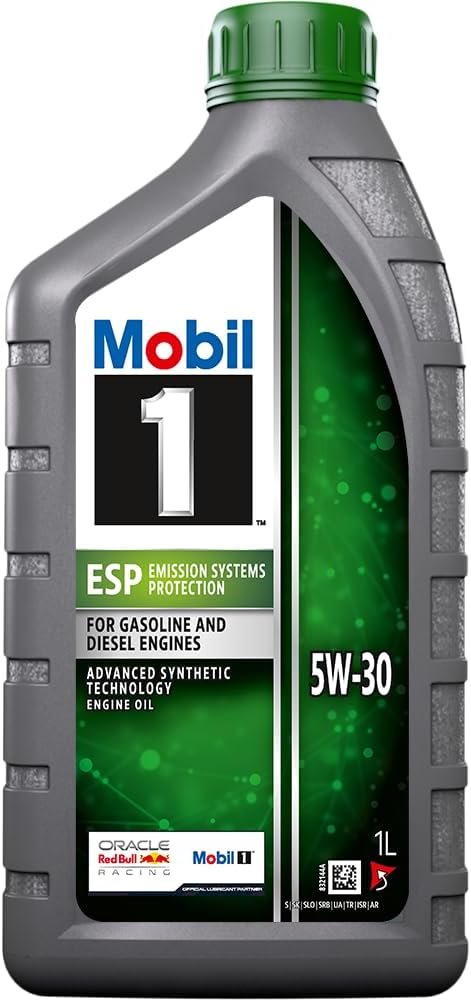
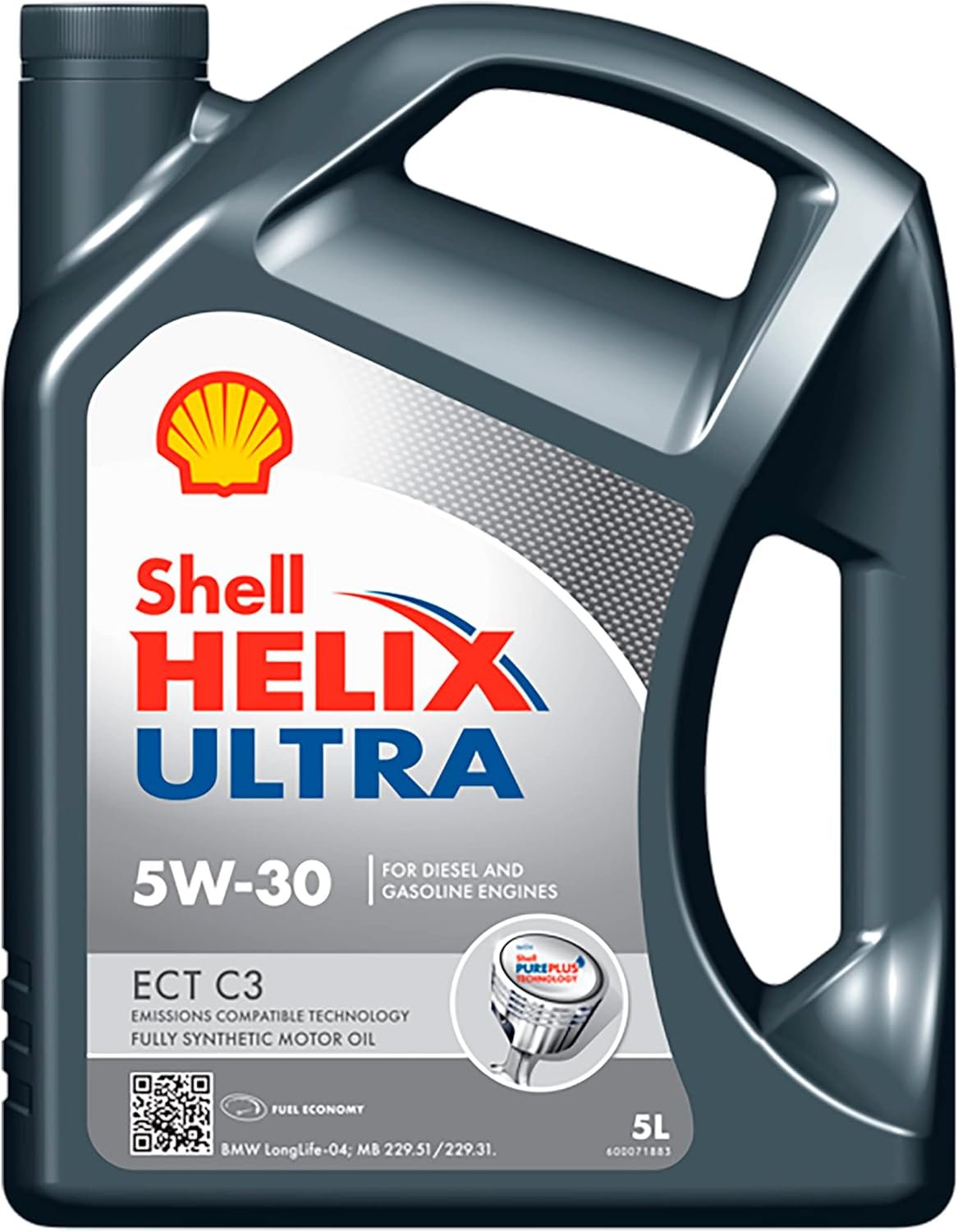
Castrol EDGE Professional LL IV FE 0W-20 is the factory partner’s latest formula. Mobil 1 ESP Formula, Shell Helix Ultra ECT C3, and Total Quartz INEO LongLife in 5W-30 are proven alternatives. Quality oil minimises ACT shudder, protects the VTG turbo vanes, and manages direct injection carbon buildup. The 1.5 TSI rewards correct maintenance with willing performance and impressive fuel economy.
Our Top Picks
As an Amazon Associate, we may earn from qualifying purchases. This doesn't affect our recommendations — we only suggest oils that hold the exact OEM approval for your engine.